European Space Agency opens its doors in the UK

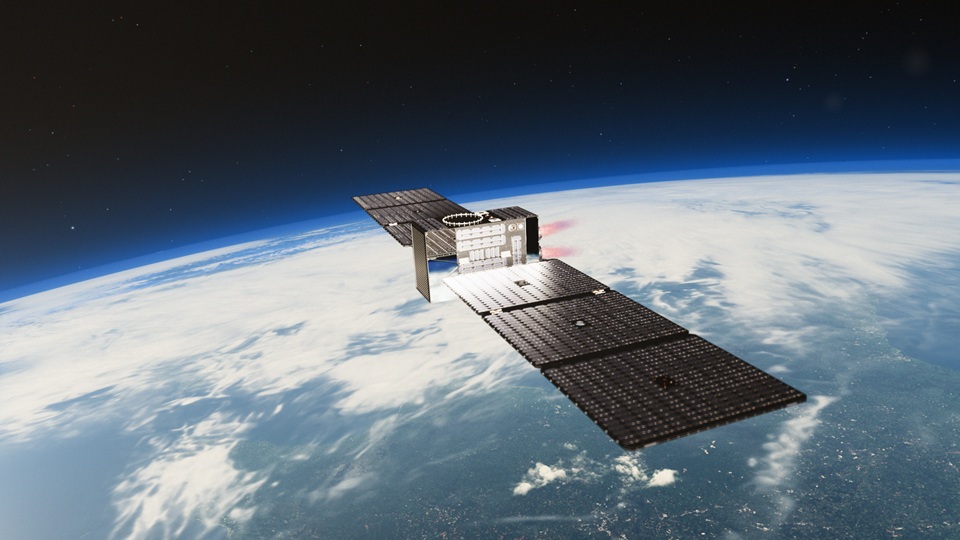
Above:
Artist's impression of the UK ESA facility.
Courtesy ESA
ECSAT supports activities related to telecommunications, climate change, technology science and ‘integrated applications’ – the combined use of different space and terrestrial technologies, data and infrastructures to create new everyday applications. Specific emphasis will be put on the development of innovative public-private-partnerships, such as with the UK’s new Satellite Applications Catapult, officially opening on 14 May, also in Harwell.

David Willetts said: “The UK space industry is increasingly important to growth, contributing over £9 billion to the economy every year and supporting thousands of highly skilled jobs. ESA’s decision to locate its high-tech facility in this country shows that we are creating the right environment for innovation and cutting-edge research.
“The centre will benefit from working closely with other space scientists and businesses at Harwell, including the Satellite Applications Catapult being officially launched today.”
Despite the current economic climate, the UK space industry has been identified as a growth sector. With 70% of its output being exported it is a major player on the global stage. ECSAT is designed to play a key role in the UK space domain.
ESA’s presence in the UK is a clear sign that the Agency is supporting the increased importance given to space by the UK government.
Mr Dordain welcomed the UK’s increased interest for investing in space in particular through ESA: “Investing in space is investing in competitiveness and growth, through knowledge, innovation and services. The Harwell Oxford campus is already a unique place of competences and the building up of ESA’s presence in this campus will reinforce both ESA and the campus.”
ECSAT will complement ESA’s current world-class capabilities located at ESTEC, the European Space Research and Technology Centre (the Netherlands), ESOC, the European Space Operations Centre (Germany), ESRIN, the European Space Research Institute (Italy), ESAC, the European Space Astronomy Centre (Spain), EAC, the European Astronaut Centre (Germany) and the Redu Centre (Belgium), which, together with Headquarters (France), constitutes the main infrastructure of ESA.