SITA predicts airline spending rise on business intelligence
This year 100% of airlines surveyed plan to invest in business intelligence (BI) solutions, which allow them to know more about their customers and have better information for decision making in their operations. This is a huge jump from last year, when one in five airlines had no plans at all. By 2016, 97% also plan investments in mobile passenger services and personalization. Together these will help boost sales via direct channels, from 54% up to 67%, and change how airlines deliver services to passengers.

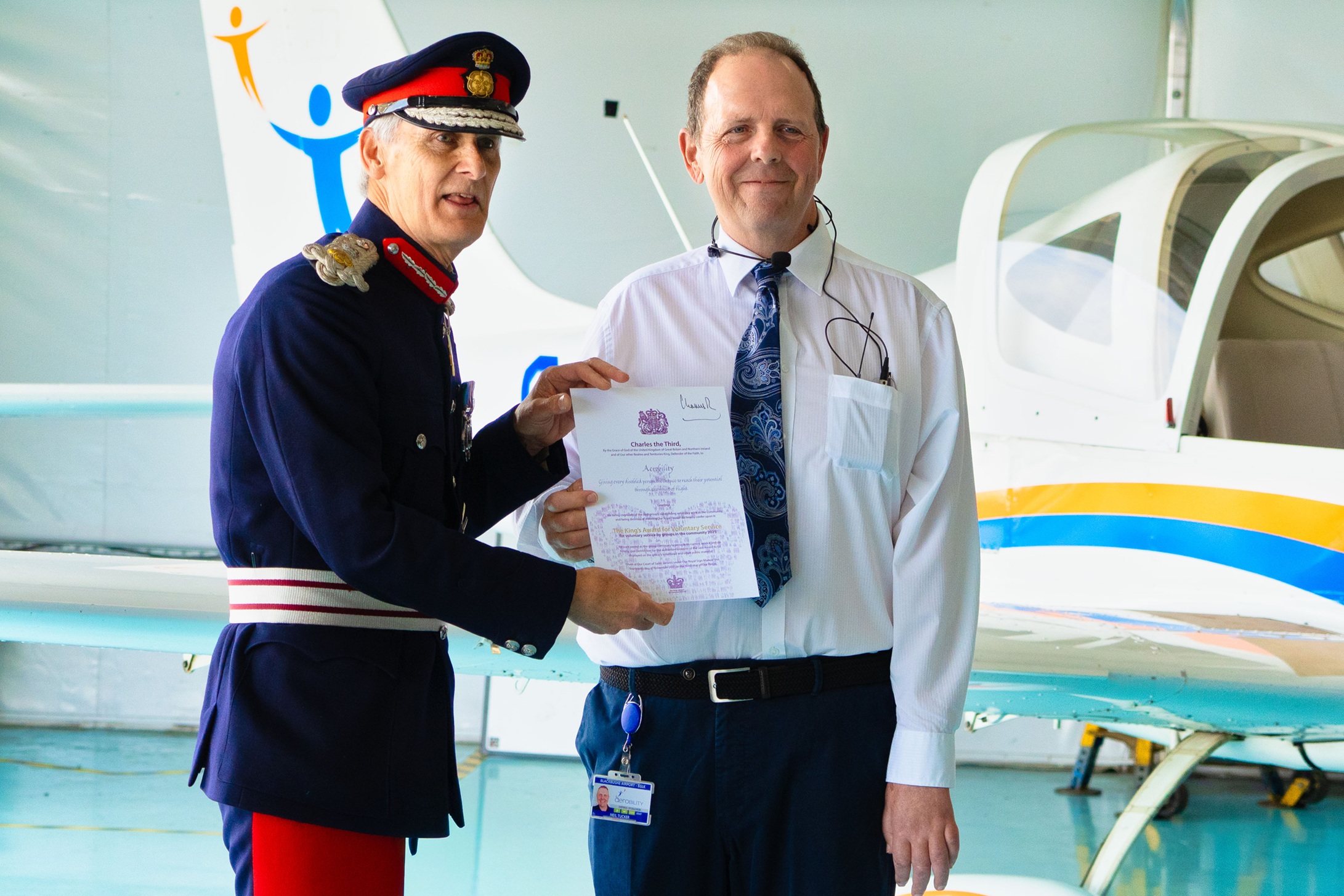
 At the launch of the 2013 Airline IT Trends Survey Results, Francesco Violante, SITA CEO, (pictured right) said: “All airlines are investing in business intelligence to improve their operations and boost revenues. We see a strong desire to increase revenues using techniques borrowed from the retail industry, including personalization. Nearly three quarters of airlines rate business intelligence for sales and marketing as a high priority. The airlines’ investment plans show the future of the industry is smarter, more mobile and more personal.”
The need for investment in business intelligence is evident. Only 9% of airlines currently rate data quality as meeting all their requirements, while just 7% have achieved the necessary integration of different data sources from across their company.
Violante added: “Sharing and integrating data is fundamental to successful business intelligence solutions. To make it work all parties across our industry need to collaborate. By sharing data and working together, we can maximize return on investment and deliver a better passenger experience, as well as improved financial performance.”
Over the last three years, offering mobile services to passengers has topped airlines’ investment list. It retains the number one place with 97% of airlines now investing, or planning to invest, in this area in the coming three years. By 2016, nine out of ten airlines plan to sell tickets via mobile phones. They expect to be rewarded with a leap in mobile sales to more than US$70 billion by 2016, or 10% of total sales, up from just below 3% today. By using this and other channels, airlines aim to reduce their dependence on indirect sales and open up the opportunity to maximize ancillary sales. Mobile phones, kiosks and social media will represent nearly 14% of ticket sales by 2016, while indirect sales through GDSs will reduce from 46 % to just 33% of sales in the same time period.
Violante said: “Mobile’s dominant role is clear. Airlines continue to focus on services available via the airline website, such as flight search and check-in. But in an effort to differentiate passenger services a new battleground of mobile functionality is emerging. The result will be a much deeper integration of personalized mobile services at every step of the journey for passengers on the move.”
Check-in apps, for example, are already available from 61% of airlines and flight search from 65%. The focus for these airlines will now shift over the next three years to add new services, such as missing bag reporting (60% of airlines), re-booking (63%), and customer feedback (57%).
Currently, 53% of airlines provide mobile boarding passes through their own airline application and this is set to rise to over 80% in 2016. Third-party travel wallets, such as the Apple Passbook, Samsung Wallet and Google Now, are also starting to feature. Today, only 21% of airlines provide boarding passes through other apps, but it will reach 62% in three years, giving passengers more choice.
The main challenges airlines face when trying to implement mobile services are the pace of technology change, too many platforms and system integration. To keep up with all the changes, airlines may increasingly use APIs such as SITA’s Boarding Pass from developer.aero <http://www.developer.aero/> .
This year’s survey revealed that ancillary revenue is of growing importance. Direct sales channels, such as the airline website, currently drive these revenues. Despite the fact that indirect channels account for nearly half of ticket sales, airlines earn on average nine times more ancillary revenue through direct channels. This looks set to continue, with 89% of ancillary revenues expected through direct channels by 2016, an increase from 87% today.
As well as boosting ancillary opportunities, direct sales save distribution costs. Over the next three years, nearly half of the airlines (49%) plan major programs to upgrade their core passenger management systems as the shift to more direct sales across multiple channels continues.
The Airline IT Trends Survey is an independent poll of senior IT personnel working within the top 200 passenger carriers. Airlines representing half of the global passenger traffic responded to this year's survey: 14% of respondents are classified as low cost carriers, and 26% are airlines carrying over 20 million passengers.
Full details of the survey can be found at: http://www.sita.aero/content/airline-it-trends-survey-2013