UK secures £1.2bn package of space investment
From satellite communications to Mars rovers and nuclear space batteries to weather satellites, the direction of Britain’s investment in European space projects was decided as the Minister for Universities and Science, David Willetts, finalised negotiations for the UK at the European Space Agency’s (ESA) Ministerial Council in Naples.

The outcome of the negotiations will strengthen the UK role in a number of areas, including telecommunications and Earth observation satellites. It will also secure around £1 billion of orders per year from British businesses and lay the foundations for the UK to deliver its ambition to have a £30 billion space industry by 2030.

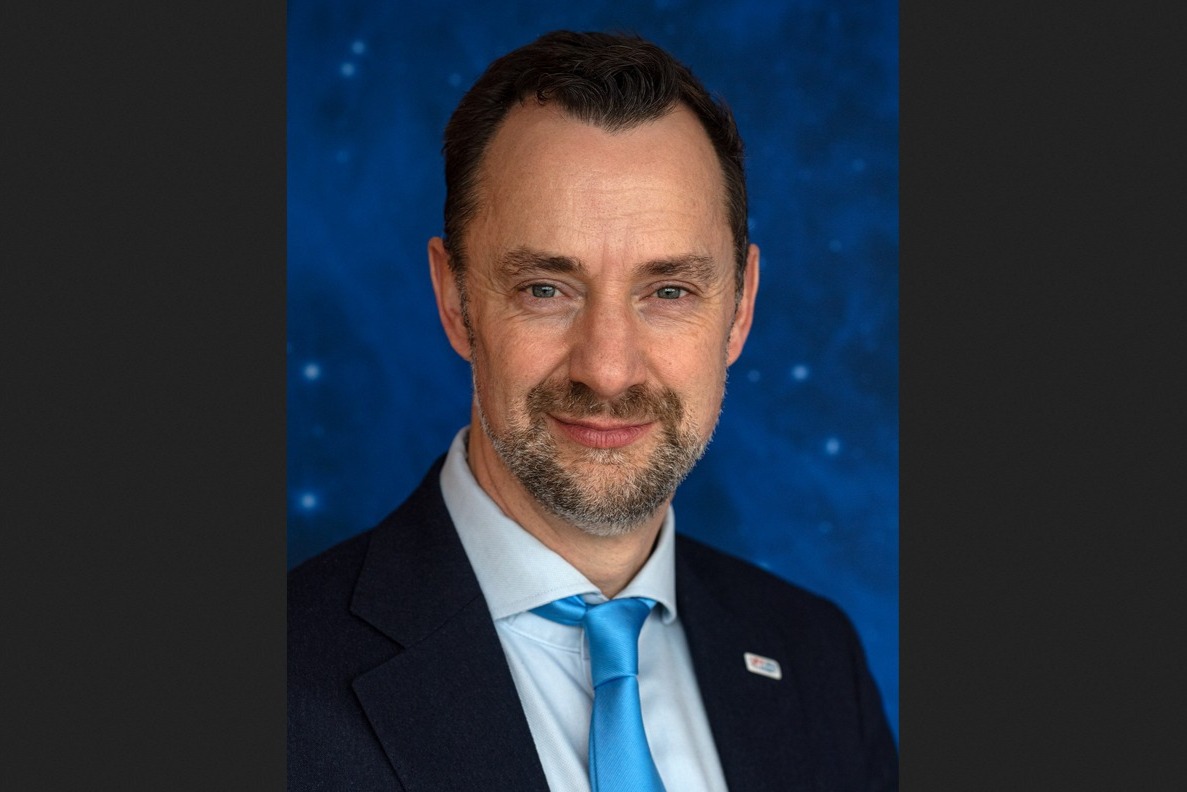
Minister for Universities and Science, David Willetts (above) said: “Space is big business for the UK so it is important for us to make strategic investments that will continue the growth of this thriving industry. The programme of investment we’ve negotiated at ESA will not only allow us to get ahead in the global race by securing more major contracts for UK industry, but will also provide us with the tools to manage major challenges like disaster relief and climate change.”
The UK’s investment of around £240 million per year over the next five years will be split between ESA’s mandatory programme, which all member states must commit to, and 10 other programmes, including a one-off contribution to the International Space Station as part of the negotiations on the Orion Mutli-Purpose Crew Vehicle (MPCV).
The UK’s increased investment in ESA will ensure the UK plays a lead role in frontier scientific research concerning the Solar System, the Sun and the universe beyond. It will also allow us to deliver indisputably world-class science whilst providing growth for the UK economy and benefiting society at large.
The optional programmes, including the UK’s contribution to the International Space Station, have been selected to maximise the economic growth to the UK, bring significant business to UK industry through future orders and create a stronger industry able to sell more abroad. It will also enable us to lead on economic services development, aspects of robotic exploration such as space nuclear power and robotics and climate studies using space data.
The UK space sector expects significant returns from the new plan of investment. Industry has already identified projects to the value of £1 billion that should follow in train from the additional funding.
The UK’s new package of investment with ESA includes:
- New £16 million investment in the International Space Station
The UK’s one-off contribution of £16 million to the European Space Agency’s participation in the International Space Station will be focused on telecommunications and propulsion technology to be integrated into the new Multi-Purpose Crew Vehicle (MPCV) called Orion. UK industry has an established capacity to deliver these key technologies, and the UK Space Agency has seized the opportunity presented in negotiations to secure the possibility of long-term industrial return for the UK.
This investment will help UK industry to diversify its industrial technical capabilities, and to achieve the long-term ambition of capturing 10% of the world space market.
- Major increase to investment in telecommunications
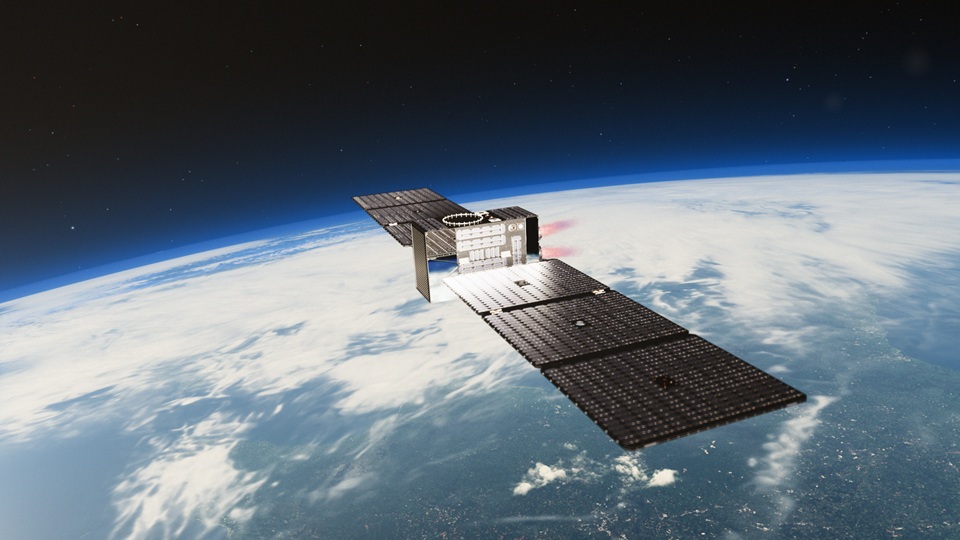
Satellite telecommunications is at the heart of the UK space industry, with the previous round of ARTES generating £750 million of private investment and sales. By the end of 2013, every UK satellite TV channel will be delivered via UK-built spacecraft. Future opportunities include using satellites for air traffic control and monitoring of shipping security via satellite and novel commercial applications that fuse data from multiple sources. Hand in hand with a UK investment of £161 million in ARTES, a 60% increase in UK funding, ESA has committed to developing its presence at Harwell in Oxfordshire, creating over 100 new high-tech jobs.
- £81 million for weather satellite Metop 2G
The UK Space Agency will invest £81 million in Metop 2G to secure a 12.5% share of the total programme. Metop will replace the current satellites fundamental to the Met Office’s service to the public, business and Government. This investment will allow UK industry to play a key role in developing the prototype satellite and guarantee repeat orders from EUMETSAT, generating an assured multiplier for the UK economy. In 2008, the UK did not invest in the Meteosat programme and so this investment in Metop 2G represents a significant new opportunity for the UK industrial capability.
- £166 million for the Earth Observation Envelope Programme (EOEP)
With an investment of £166 million, the UK Space Agency has once again secured a strong role in this Earth observation programme which has previously delivered significant scientific and industrial benefit to the UK. The backbone of ESA activities in the field of Earth observation, EOEP is a powerful tool for scrutinizing how our fragile home world has been changing over time, and this investment is consistent with previous UK commitments.
- £26m for Global Monitoring of the Environment and Security (GMES)
The UK has agreed to invest £25.9m in this programme to develop long term, reliable Earth observation data sets. In earlier phases, significant funding was forthcoming from the EU and is also anticipated for the next phase leading to a major European asset. UK industry is already building space technology for the programme but more significant will be the impact on both public policy (natural disasters, climate change, food and energy security) and the development of commercial applications of the data through the Harwell space cluster.
- Investment of £18 million in the European GNSS Evolution Programme (EGEP)
This optional technology programme represents a high-value return on investment, targeted at preparing for future generations of European navigation satellites, offering reduced costs and higher performance over the current Galileo satellite platforms. The UK is involved in building all of the current 22 satellites and - through EGEP – can maintain its competitive edge when the EU takes over full responsibility and funding in 2014. This contribution is nearly four times the contribution from 2008.
- £18 million for Mars Robotic Exploration Preparation Programme
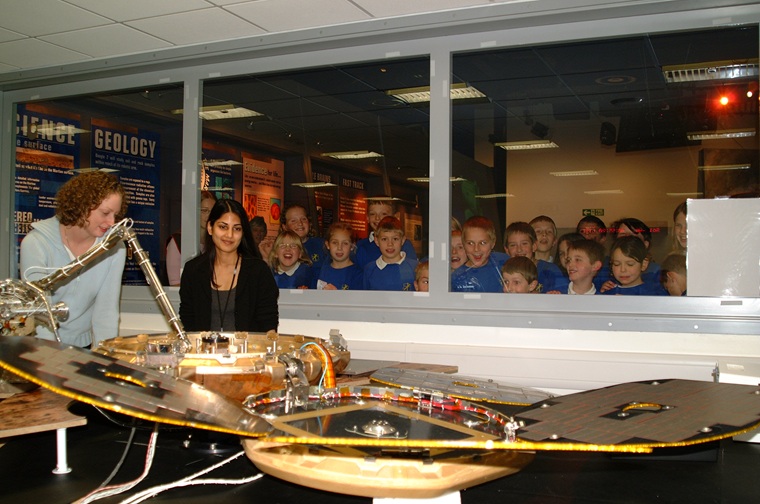
This investment of £18.4 million in this optional technology programme will see the UK take the leadership in developing nuclear power sources for space missions in synergy with the future civil nuclear power programme at NNL Sellafield. This complements the work on future international missions to succeed the current Exomars mission, and could potentially demonstrate strong spin-out technology in the terrestrial economy.
- UK to join the European Life and Physical Sciences Programme (ELIPS)
The UK Space Agency will invest £12.4 million in this long-running programme to exploit the unique environment of space for fundamental and applied science in health, biology, materials and physics. Benefits of joining this programme include insights into the human ageing process and new lightweight materials for jet engines.
- £28 million for Generic Support Technology Programme (GSTP)
In a dramatic ramp-up in early technology investment, the £28 million committed by the UK to the GSTP programme will help keep UK industry ahead of the pack in competing for tomorrow’s opportunities.
Taking early phase space technology R&D across the ‘valley of death’ into practical application, this programme is particularly important for SMEs and equipment suppliers who can work with European partners and benefit from the recognised quality of ESA technical management. The programme goals extend to offering opportunities for flight demonstration, thus overcoming a key barrier to commercial take-up.
- £5.6 million for Space Situational Awareness (SSA)
Investment in this programme will allow the UK to be involved in further developing a means to monitor and mitigate hazards caused by space weather and space debris. Risks include loss of vulnerable power and communications networks due to society’s reliance on electronic systems.

Dr David Williams (above), Chief Executive of the UK Space Agency, said: “With the majority of the UK’s investment in space being spent through ESA programmes, a robust plan of investment for ESA is pivotal to the UK space industry. Thanks to the Government’s increased funding, we were able to enter the negotiations with the funds to match our vision and will now be able to continue programmes that will reinforce the continuing growth in a sector that now contributes over £9 billion to the UK economy.”