

Scottish Leather achieves net zero Scope 1 and 2

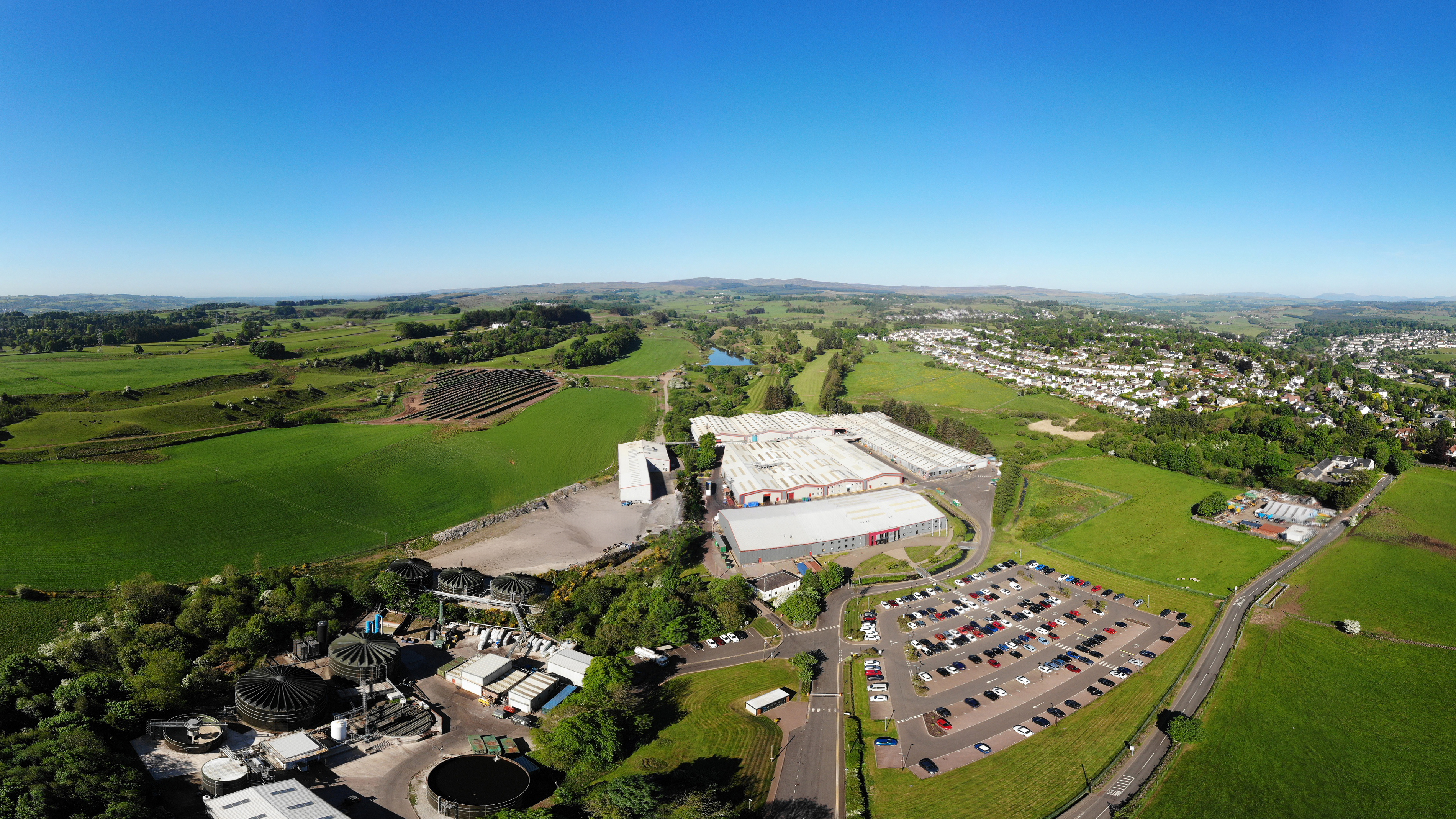
Image courtesy SLG
Established in 2004, the Journey to Zero initiative has focused on reducing the environmental impact of leather manufacturing and supply chain impact through lower energy use, reduced waste, and declining carbon intensity. Crucially, this milestone has been achieved while maintaining production levels, demonstrating that emissions can be decoupled from manufacturing output in a traditionally energy-intensive sector.
Since the early 2000s, SLG has taken a long-term data-led approach to reducing the environmental impact of its operations, supporting the sustainable circular production of leather and co-products for the global automotive, aviation, bus, coach, rail, furniture and consumer goods sectors. This multiaward-winning programme has been achieved two decades ahead of national carbon targets and has been made possible by significant commitment and investment.
Early efforts focused on energy efficiency and system optimisation, including centralising energy systems and reducing energy consumption. These foundational improvements reduced energy consumption by approximately 40% within the first five years.
Subsequent progress required significantly increased investment and technical innovation. This included the development of renewable heat capability through SLG’s patented Thermal Energy Plant (TEP), commitments to renewable energy use, and major infrastructure projects such as on-site solar generation and broader operational changes embedded across the business. Together, these measures have fundamentally changed how energy is generated and used within SLG’s manufacturing processes.
Historically, leather manufacturing has been viewed as a highly energy-intensive process. However, SLG’s approach demonstrates that it is possible to maintain luxury leather production while significantly reducing carbon impact. This has been achieved by lowering the carbon intensity of the energy used in production, rather than reducing production itself. This distinction underpins the significance of achieving net-zero Scope 1 and Scope 2 emissions.
The achievement is rooted in SLG’s long-standing commitment to circular manufacturing. By internalising processes and managing energy, waste and material flow within its own operations, SLG has developed a manufacturing model that minimises environmental impact while improving operational resilience. The initiative has enabled SLG to address historically high-impact aspects of leather production and demonstrate how leather can be produced with significantly reduced environmental impact.
Achieving net zero for Scope 1 and Scope 2 also strengthens SLG’s ability to support customers’ desire to reduce their carbon impact across automotive, aviation, and other sectors by reducing the carbon footprint of materials entering their supply chains. As customers increasingly focus on reducing their own emissions, lower Scope 1 and Scope 2 emissions in SLG’s manufacturing processes directly improve overall product impact.
Having achieved net zero for Scope 1 and Scope 2 emissions, SLG will continue to focus on reducing Scope 3 emissions in line with its externally verified Science Based Targets initiative (SBTi) commitments, including a targeted 48 per cent reduction of Scope 3 Forest, Land and Agriculture (FLAG) emissions by 2034. This process will involve continued collaboration with suppliers, enhanced data accuracy, and further integration of lower-impact materials and processes across the value chain.
Dr Warren Bowden, Head of Innovation and Sustainability at Scottish Leather Group, said: “For more than two decades, Scottish Leather Group has taken a long-term, data-led approach to reducing the environmental impact of our manufacturing, focusing on energy, waste and carbon intensity through a circular manufacturing model. Achieving net-zero greenhouse gas emissions for Scope 1 and Scope 2 demonstrates that it is possible to decouple carbon from production. This has been achieved through sustained investment, innovation and changes to how energy is generated and used within our operations. This milestone represents an important step in our ongoing Journey to Zero, as we continue to focus on reducing our wider Scope 3 impact across the value chain.”
Sign up for our newsletter and get our latest content in your inbox.
Similar Reads





Sign up for our newsletter. Select all sectors relevant to you.
Related