UK defence jobs jump by 26,000 as MoD spending supports 274,000 workers



UK defence spending supported 274,000 direct and indirect jobs last fiscal year – 26,000 more than in 2023/24, according to new government figures.
The 10% rise shows the growing employment footprint of Ministry of Defence spending, with the total now equivalent to around one in every 100 jobs in the UK.
The numbers show how far defence spending reaches beyond the Armed Forces and major contractors, supporting jobs across manufacturing, shipbuilding, weapons, engineering and the wider supply chain.
The figure becomes considerably larger when the military itself is included. Adding MOD civilian employees and UK Regular Armed Forces personnel based in the country takes the total number of jobs supported by defence to an estimated 462,000.
The numbers provide a useful measure of something that is sometimes lost amid announcements about ships, aircraft, missiles and new technologies: defence procurement is also a substantial employer, and its reach extends well beyond the companies holding the biggest contracts.
For the government, that link between defence capability and employment is becoming increasingly important. Its Defence Investment Plan places industry at the centre of plans to rebuild stockpiles, expand sovereign production and invest in emerging technologies. The plan directs funding towards nuclear renewal, combat air, munitions, drones, autonomy and AI-enabled targeting.

The latest employment figures offer a baseline for what that next wave of spending could mean on the ground.
Defence jobs extend well beyond the companies receiving MOD contracts
Shipbuilding provides one of the clearest examples in the new data. MOD direct expenditure on shipbuilding and repairing supported an estimated 32,800 indirect jobs across industry in 2024/25.
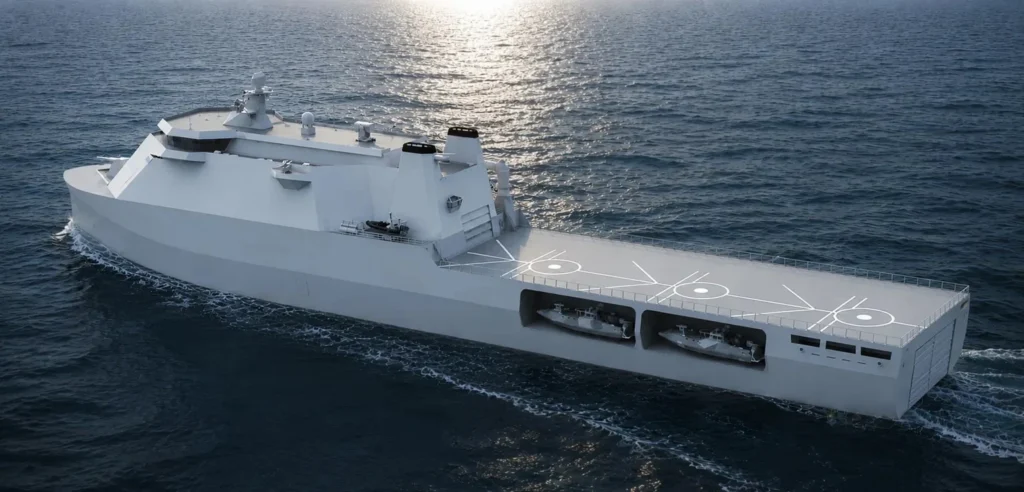
The effect is already visible around major naval programmes. The MOD has previously said construction of the Type 31 frigates at Rosyth sustains more than 2,500 jobs in Scotland and across the wider supply chain, while Type 26 production supports thousands more across the UK.
Weapons manufacturing is another area to watch. The new statistics estimate that MOD expenditure directly supported 5,900 jobs in the weapons and ammunition industry during 2024/25.
That number could look very different as the government’s munitions programme gathers pace.
£11 billion munitions programme could deepen the employment footprint
The Defence Investment Plan commits £11 billion to munitions and weapons, covering stockpile rebuilding, long-range strike weapons, low-cost cruise missiles and one-way effectors. The government also intends to establish at least six new energetics factories by 2030.

That makes the 5,900 direct weapons and ammunition jobs recorded for 2024/25 particularly significant. The figure predates much of the additional industrial activity envisaged under the new plan.
The same applies to emerging defence technologies.
More than £5 billion is allocated to drones and autonomous systems, including £650 million for lower-cost expendable autonomous systems and uncrewed ground vehicles. Nearly £2 billion is earmarked for the Digital Targeting Web, intended to connect sensors, commanders and weapons using AI-enabled software.

These programmes will not necessarily produce jobs in places traditionally associated with defence manufacturing.
Software engineers, AI specialists, cyber experts, data scientists and smaller technology companies increasingly sit alongside shipyards, aircraft factories and weapons manufacturers in the defence supply chain.
Daniel Turgel, co-head of global law firm White & Case’s Global Technology Industry Group, said the latest employment figures showed “how crucial defence spending already is to the UK economy and to jobs”.
He expects that relationship to deepen as spending increases.
“Importantly, much of that spending will go towards technology as drones, AI, autonomous systems, space-based sensing and cybersecurity redefine how conflicts are fought and won, and the UK seeks to build greater sovereign technological capabilities,” Turgel said.
Defence technology, he added, had become “one of the hottest sectors right now”, with increasing levels of investment and companies able to attract substantial funding.
The jobs question now moves from spending to skills
More money does not automatically produce more skilled workers.
The Defence Investment Plan itself points towards programmes requiring highly specialised engineering and technical expertise. The Global Combat Air Programme has £8.6 billion allocated to development of the next-generation aircraft being pursued by the UK, Japan and Italy.
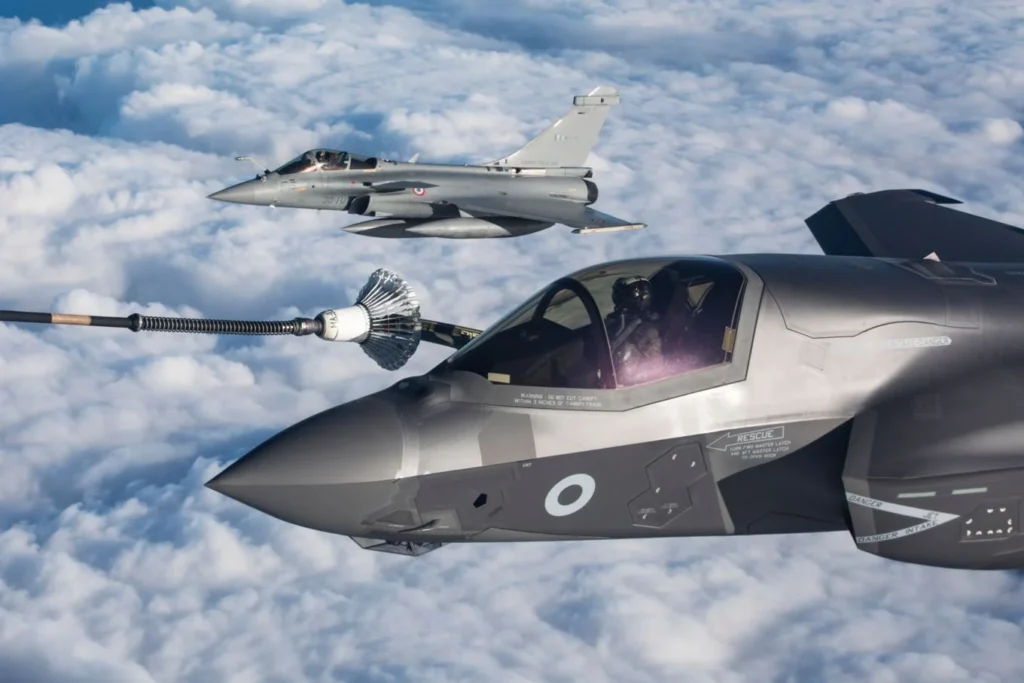
More than £63 billion is directed towards the nuclear deterrent and submarine enterprise, while air, drone and missile defence receives £790 million.
Those programmes will compete for engineers and technicians with other parts of the defence sector and, in some cases, with civil aerospace, energy and technology companies.
Defence spending is becoming an industrial policy as well as a military one
The government is asking industry to increase weapons production, build new submarine and combat-air capabilities, develop autonomous systems and strengthen domestic supply chains. It is also trying to shorten procurement cycles so that smaller technology companies can enter defence programmes more easily.

The Defence Investment Plan describes nearly £298 billion of planned spending over four years, including £15 billion above the previous Spending Review settlement. It projects annual defence expenditure rising from £54 billion under the previous government to almost £80 billion by 2029.
For industry, the significance of the 20 August employment figures is therefore not simply that defence already supports 274,000 jobs.
It is where those jobs go next.
The MOD’s 2024/25 numbers largely describe an industrial base built around today’s Armed Forces. The spending now coming through the pipeline is increasingly directed at a different mix: more munitions, more autonomous systems, more software, more sensors and a larger sovereign technology base.
That could broaden defence employment beyond its traditional manufacturing centres.
But the numbers will ultimately depend on whether the money announced by the government becomes contracts placed with British companies.
As an earlier Advance analysis of the Defence Investment Plan concluded, the real test is whether funding turns into “contracts, capacity and capability”.
Sign up for our newsletter and get our latest content in your inbox.
Similar Reads