UK pushes EU to keep British firms inside Made in Europe industrial policy


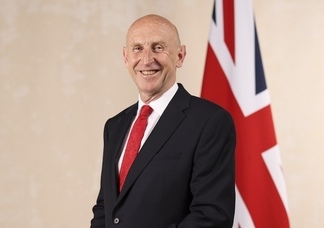
The UK has made a fresh push to stop its companies being shut out of European supply chains, with Chancellor John Healey using talks with EU finance ministers in Dublin on 18 September to seek UK access to the bloc’s emerging Made in Europe industrial policy.
Healey travelled to the informal meeting of EU economic and finance ministers seeking closer cooperation in defence, technology and manufacturing, while warning against new rules that could place British companies outside European procurement and industrial programmes.

Reuters first reported that Healey would press EU counterparts for UK not to be excluded from Made in Europe, which is intended to reduce European dependence on Chinese components and give greater preference to goods produced within the bloc.
The talks come less than a year after negotiations over UK participation in the EU’s €150 billion (about £130 billion) Security Action for Europe, or SAFE, defence financing programme broke down over the financial contribution London would have been required to make.
That experience is now shaping Britain’s approach to Made in Europe.
Britain wants to avoid another breakdown after the SAFE defence talks
Healey went into Friday’s discussions arguing that both sides should “learn the lessons” from the failed SAFE negotiations. Britain had sought access to the programme as part of wider efforts to deepen European defence cooperation, but talks collapsed last November after London rejected the proposed multibillion-euro entry cost.
The dispute was significant because SAFE was established to support a major expansion of European defence procurement while encouraging participating countries to buy more equipment from within Europe.
Britain remains outside the EU following Brexit but has one of Europe’s largest defence industries. British companies are also deeply embedded in supply chains stretching across the continent.
Made in Europe potentially raises a similar problem, but across a much wider range of industries.
The policy forms part of the EU’s Industrial Accelerator Act and is intended to strengthen European manufacturing by introducing requirements favouring European-produced goods. The measures are partly aimed at reducing reliance on China and protecting European companies from heavily supported foreign competition.
For Britain, the concern is that rules drawn tightly around EU membership could leave UK manufacturers on the wrong side of a new industrial boundary despite their existing links with European companies.
Ahead of the talks, Healey said closer ties with the EU should mean British businesses had better access to the supply chains and customers they needed to grow, the BBC said.
Defence, technology and manufacturing are at the centre of the UK push
The Treasury has identified defence, technology and manufacturing as areas where Britain wants a closer partnership with the EU.
The issue goes beyond access to individual contracts. European governments are directing considerably more public money towards defence and strategic industries, while at the same time trying to ensure a greater proportion of that spending remains within Europe.

Rules defining what qualifies as European can therefore determine which companies are able to compete for publicly backed programmes and where future supply chains are established.
The same question has already surfaced in defence procurement through SAFE. Made in Europe could extend the principle into sectors including automotive manufacturing, technology and other strategically important industries.
Reuters reported that around £15 billion of British automotive exports are sold into European markets each year. UK suppliers are concerned that procurement rules giving preference to EU-made products could affect their position in those supply chains.
British officials have consequently been seeking exemptions or arrangements that would allow UK-made products to qualify under the new rules.
Healey’s visit to Dublin was his first meeting of EU finance ministers since becoming Chancellor in July. Friday’s programme included a working lunch and a joint session of finance ministers and central bank governors, with the informal Ecofin meeting continuing on Saturday.
UK access will ultimately require agreement in Brussels
Securing an exemption will not be straightforward.
EU member states have told Britain that any UK inclusion in Made in Europe would require approval from the European Parliament and therefore cannot simply be guaranteed through the wider negotiations between London and Brussels.
There are also differences among EU countries over how far preferential European procurement should extend to close partners outside the bloc.

The Financial Times cited an EU official as saying British demands could receive support from many member states, but identified France and the European Parliament as major obstacles to the UK’s position.
The disagreement has already affected the wider effort to reset relations between Britain and the EU. A UK-EU summit originally planned for July was postponed, while discussions over Made in Europe and other outstanding issues have continued.
London has signalled that it remains willing to negotiate. According to the Financial Times, Healey was expected to indicate in Dublin that Britain could reach a broader reset agreement provided the government could demonstrate clear benefits at home.
For Britain’s defence industry, the outcome will be watched particularly closely. The failed SAFE talks left UK companies outside one of the EU’s principal new defence financing mechanisms. London is now trying to prevent the wider Made in Europe policy from creating another barrier between UK manufacturers and a European market that is becoming increasingly tied to domestic production and procurement rules.
Sign up for our newsletter and get our latest content in your inbox.
Similar Reads