Why airlines are keeping older aircraft flying longer

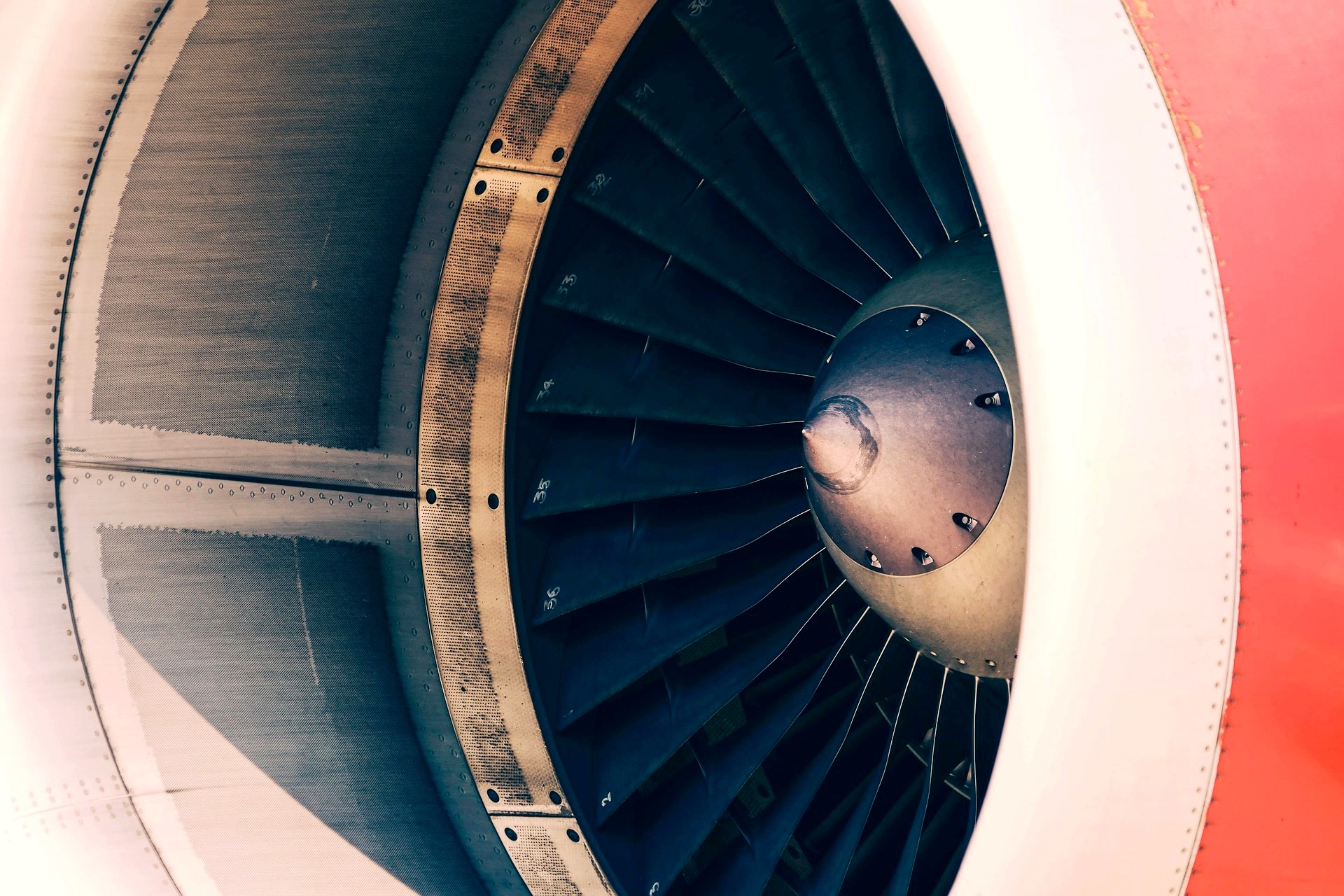
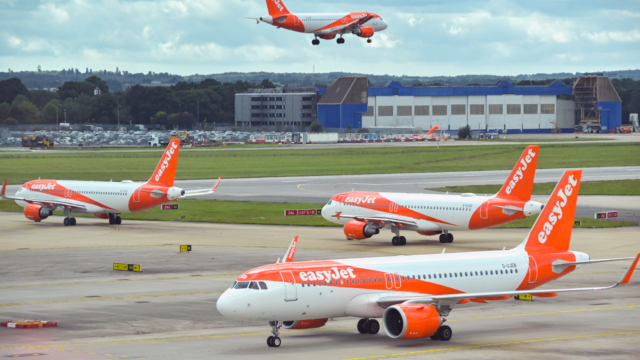
Image courtesy Foxmere
While airlines struggle to access timely engine maintenance, Tom Cash, Director, Foxmere, explains how to maximise aircraft maintenance efforts during these turbulent times.
Airlines are experiencing their longest ever waits for engine maintenance, with turnaround times for new-generation engines now 150% higher than pre-pandemic levels and 35% higher for legacy models.
A shortage of parts, labour and new planes is driving the delays, leaving airlines to keep older aircraft in service and postpone aircraft retirement, straining maintenance budgets even further.
The global commercial aviation industry is operating a fleet of over 30,000 aircraft, more than 10,000 of which have been flying for over 20 years.
Data from the International Air Transport Association (IATA) reveals that over the past 35 years, more than 16,000 commercial aircraft have been retired globally, with an average of 700 aircraft reaching the end of their service life annually.
This trend is only expected to accelerate, with 11,000 aircraft projected to be retired in the next decade.
Maintenance and replacement costs
When an aircraft is retired, it typically heads to one of two places — another buyer or the scrapyard. If it remains airworthy or a buyer deems maintaining the aircraft cost-effective, it may find a second life in a different fleet.
However, varying safety regulations across countries often determine whether a plane continues to fly or is dismantled for parts. For those sent to scrapyards, there’s a silver lining — up to 90% of a decommissioned plane’s parts can be reused or recycled.
While retirement can offset some costs, many airlines are postponing this decision due to the backlog of new aircraft deliveries and surging passenger demand. However, extending an aircraft’s lifespan intensifies maintenance requirements, with costs averaging between $500,000-$1 million per aircraft annually.
This includes frequent inspections and replacement of parts nearing fatigue limits, which poses a challenge amid global spare parts shortages. For instance, Airbus predicts a 40% gap in the supply of A320 family parts by 2035.
As a result, the second-hand market for spare parts is thriving but its nature is volatile. Components for older models, such as the CFM56 engine, are in high demand, with prices for critical items like hot section blades surging 30% in five years to $1.7 million for a complete set.
Innovative inspection tech
While parts may be in short supply, advanced inspection technology helps airlines to plan by detecting issues early, prioritising repairs and extending component life. This allows them to manage their fleets more effectively and even secure alternatives when parts are scarce.
For example, SR Technics has partnered with Invert Robotics to improve aircraft maintenance through robotics. It uses high-resolution inspection cameras that capture and transmit video footage for detailed analysis by SR Technics engineers, enabling efficient repair assessments. Furthermore, technologies such as ultrasound and thermographic testing can streamline the maintenance process even further.
Another example is Rolls-Royce’s collaboration with Harvard University to develop SWARM robots. These miniature robots, measuring only 10mm in diameter, can be deployed within the engine to conduct visual inspections in hard-to-reach areas. With this technology, engineers can perform essential checks without needing to remove engines from aircraft, reducing downtime and maintenance costs.
Rolls-Royce is also embracing digital twins by creating virtual models of their engines. Previously, Rolls-Royce used around 30 sensors to collect data during flight, capturing information five times throughout the journey. Now, engines can record hundreds of data points every second, providing continuous insights into their condition and performance.
Beyond inspections, Lufthansa Technik has harnessed robotic technology for repairing complex materials like fibre-reinforced composites, commonly used in aircraft fuselages and wings.
The CAIRE robot scans for defects, records them, removes damaged areas and creates custom-built repair layers thus ensuring high precision when maintaining the integrity of modern aircraft structures.
The bigger picture
Even with the most conscientious maintenance, most airplanes will eventually need to be retired. However, with the global fleet’s average age reaching a record 14.8 years, up from 13.6 years during the 1990-2024 period, maintaining aircraft is more critical than ever to ensure safety and efficiency.
This, coupled with current supply chain disruptions and the backlog of new aircraft deliveries, means that airlines need to act now and integrate the latest technologies to optimise existing fleets, particularly for their narrow-body planes.
To start this process and avoid a ‘rip-and-replace’ overhaul, airlines can partner with an automation parts supplier to ensure that the latest innovations are retrofitted into existing systems with minimal disruption.
By retrofitting digital tools and automation, airlines can extend the life of their aircraft while reducing the need for costly replacements at a time when wholesale production delays are disrupting the aviation industry.
Sign up for our newsletter and get our latest content in your inbox.
Similar Reads


Sign up for our newsletter. Select all sectors relevant to you.
Related