

Volklec: £600 million investment in green flight must be supported by UK-first battery supply chains


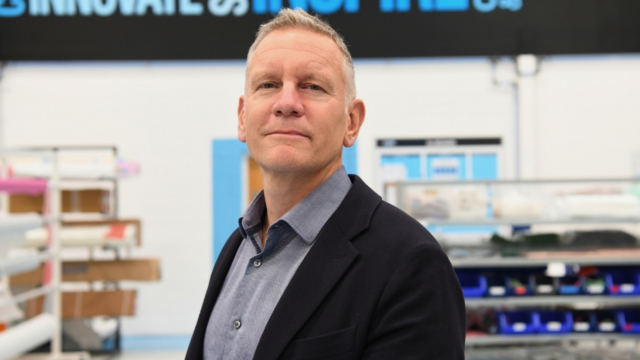
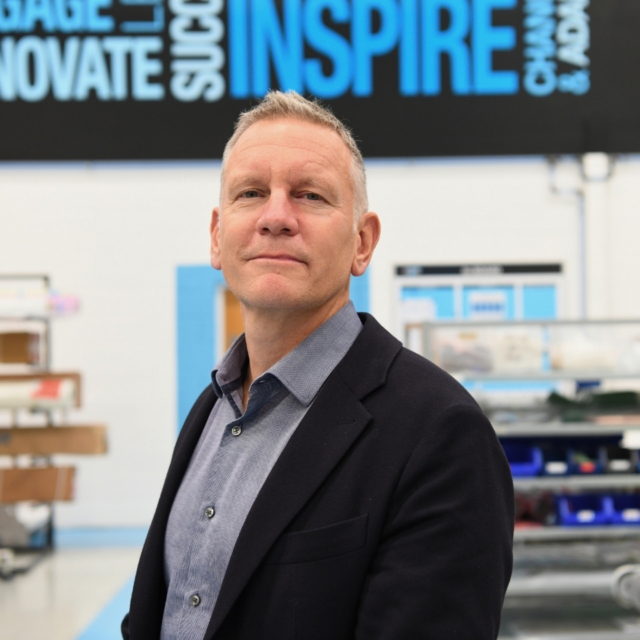
Following the government’s announcement of a £600 million package for UK aerospace, including more than £500 million for research and technology projects to pioneer greener air travel, Johan Andersson, chief commercial officer at UK battery cell manufacturer Volklec, explains why investment in green flight must be underpinned by a stable, domestic supply of critical components.
The government’s £600 million commitment is a significant vote of confidence in British aerospace. The research and technology funding will support developments ranging from next-generation components and future engine systems to hydrogen-powered flight and electric propulsion.
In the current climate, discussions across aerospace and advanced manufacturing have been dominated by weapons systems, supply-chain resilience and the urgent need to scale UK defence capability. These are critical priorities, but with the announcement, green flight has been placed much higher on the industrial agenda.
Winds of change
The announcement from Jonathan Reynolds, secretary of state for the newly merged Department for Business, Innovation, Science and Trade sends a clear signal that greener aviation remains a major commercial opportunity for British industry; if the UK can convert its research strengths into technologies that are manufactured and deployed at scale, it can secure a valuable position in the next generation of sustainable aerospace programmes.
However, funding research and development into these programmes is only step one. The UK already has world-class universities, engineering businesses and aerospace expertise, and the greater challenge is creating the industrial capability needed to take innovative technologies beyond development and into repeatable, commercially viable production.
The technologies behind green flight
Green flight encapsulates both electric and hybrid aircraft systems, such as vertical take-off and landing (eVTOL) and conventional fixed-wing, which can either utilise 100% electric propulsion or combine electric and battery storage with an onboard range-extending fuel source. These fuels can indeed come from traditional fossil sources, but significant work is also underway across hydrogen combustion and hydrogen fuel-cell propulsion, with each technology likely to suit different aircraft sizes, ranges and operating profiles.
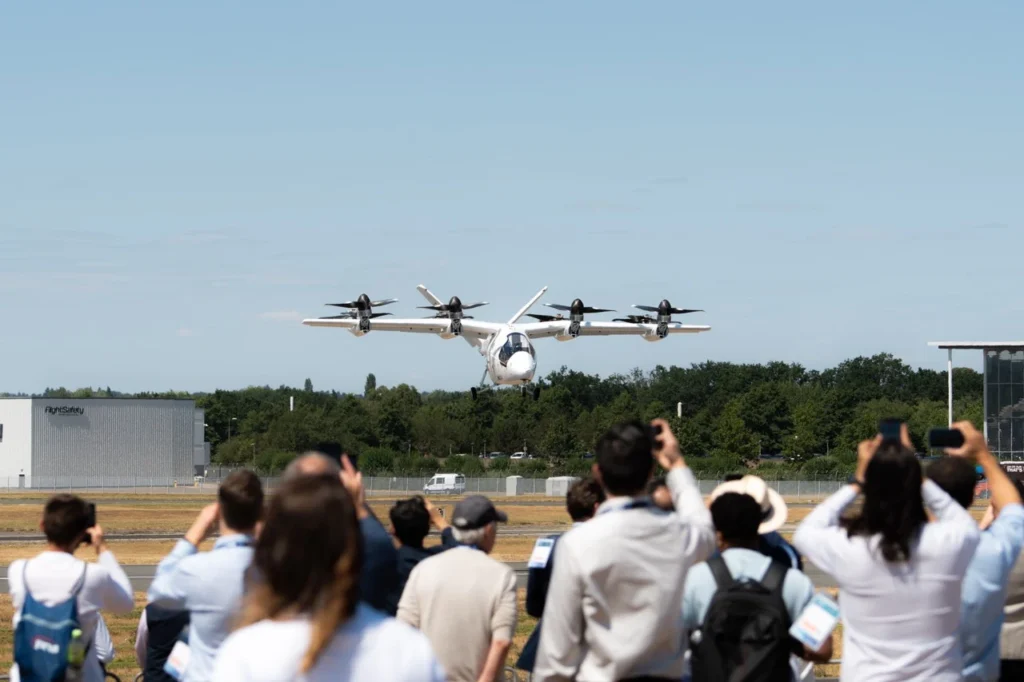
For both electric and hybrid aircraft systems, whether utilising fossil fuels, hydrogen or other alternative green fuels, batteries are a critical part of that challenge. Cell performance influences the power, energy, weight, thermal behaviour and reliability of the wider battery system, fundamental considerations in aerospace where consistency, traceability and confidence in long-term performance are non-negotiable.
And the scale of the emerging battery opportunity is considerable. Industry data estimates indicate that there could be around 50,000 eVTOL aircraft and a further 15,000 battery-powered fixed-wing aircraft globally by 2035. That equates to an estimated 6-10 GWh of battery capacity before considering replacement and aftermarket demand, creating a substantial market for UK manufacturers able to deliver aerospace-grade cells reliably and at scale.
A fragile battery ecosystem
However, the cells used in most UK battery packs are still sourced from overseas, primarily through highly concentrated and fragile supply chains. A pack may be designed, engineered and assembled in Britain, but if the cells at its core are imported, its manufacture remains exposed to volatile pricing, long lead times, export controls and supply chain disruption.
This is particularly problematic for aerospace programmes where new technologies can take up to a decade to move through R&D, testing and qualification before reaching production. Decisions on cell design, capability and suppliers made today will therefore shape the aircraft that enter service in the 2030s and must then be supported throughout long production and operational lifecycles. Manufacturers need confidence now that a cell will continue to be available with the same chemistry, dimensions, quality and performance for the entirety of these long lifecycles.
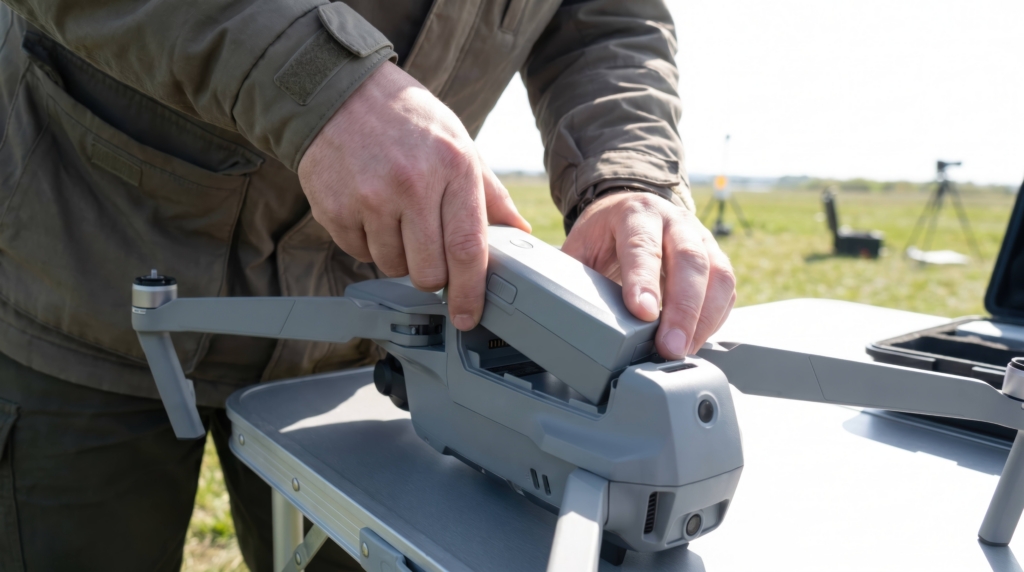
That is why the government, aerospace manufacturers and technology developers should begin considering battery provenance from the earliest stages of new programmes. They should map where cells originate, identify exposure to single-source dependency and begin qualifying British suppliers capable of providing reliable, long-term production.
At Volklec, we’re developing UK-based cylindrical cell manufacturing for aerospace and other specialist applications where high performance, repeatable quality and supply chain assurance matter. British-made cells can give manufacturers better access to engineering and production expertise, greater visibility over origin and more confidence that supply will remain available as programmes move from prototype to scale.
What comes next?
The new aerospace package is a welcome opportunity to place green flight firmly back on the agenda. However, the UK must ensure that new investment creates more than a pipeline of promising R&D projects. It must also build the domestic manufacturing base needed to commercialise these advancements and help ensure that British innovation results in British industrial growth.
For more information about Volklec and its domestic battery cell manufacturing capabilities, visit: www.volklec.com.
Sign up for our newsletter and get our latest content in your inbox.
Similar Reads




Sign up for our newsletter. Select all sectors relevant to you.
Related