The history of the Blackburn Buccaneer: from Royal Navy service to the Gulf War

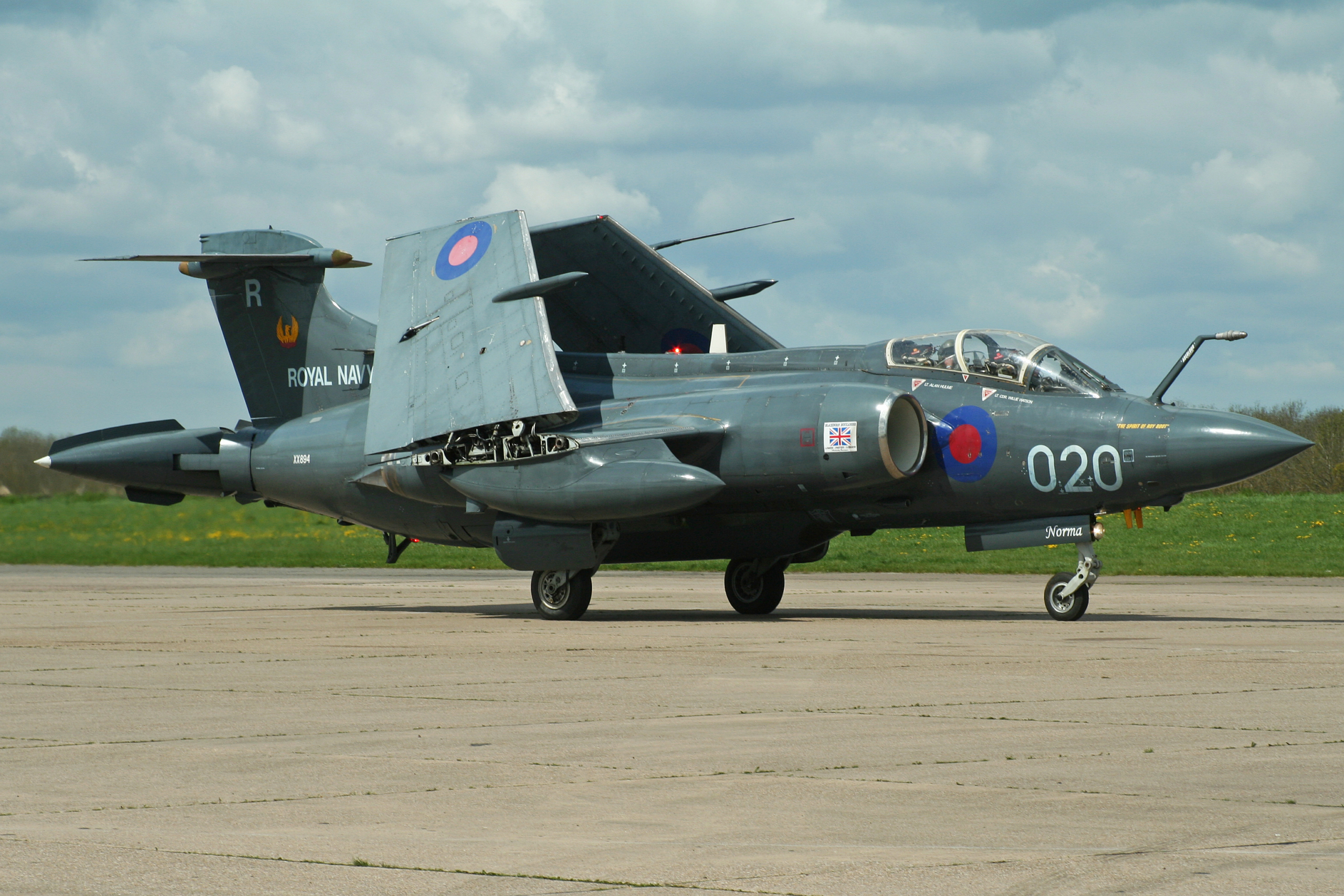
The Blackburn Buccaneer was one of Britain’s most distinctive military aircraft of the Cold War period. Designed in the 1950s as a low-level strike aircraft for the Royal Navy, it became famous for its ability to fly at extremely low altitudes and high speeds, avoiding enemy radar and air defences.
Although originally developed for naval operations, the Buccaneer later served with the Royal Air Force (RAF) and played an important role during the 1991 Gulf War, demonstrating that its design remained effective decades after its first flight.
Development and design
The Buccaneer’s development began in the mid-1950s, when the Royal Navy recognised the need for a new aircraft capable of attacking heavily defended Soviet warships.
These vessels were considered a significant threat to British aircraft carriers, so the Navy required an aircraft that could approach at extremely low altitude, deliver conventional or nuclear weapons and escape before enemy defences could respond.
Blackburn Aircraft (later becoming part of Hawker Siddeley) was awarded the contract to develop the aircraft, initially designated the NA.39. Its design was centred on low-level performance, with a distinctive shoulder-mounted swept wing, twin jet engines and a streamlined fuselage.
It also featured a unique rotating bomb bay, allowing weapons to be carried internally without creating additional aerodynamic drag.
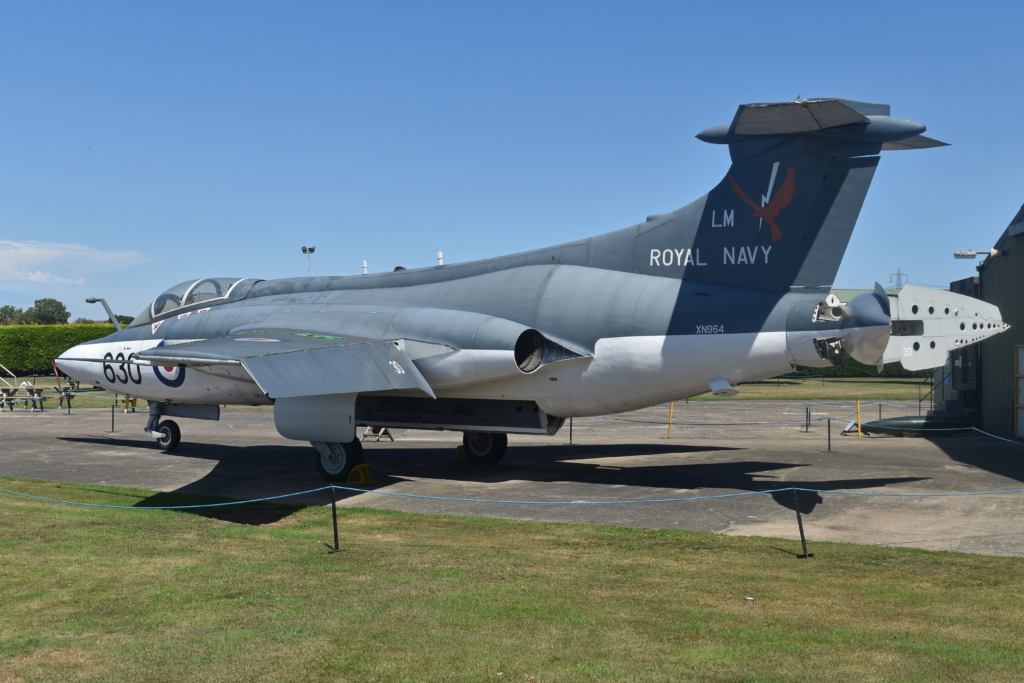
The Buccaneer first flew on 30 April 1958. Following an extensive testing programme, the aircraft entered Royal Navy service in 1962 as the Buccaneer S.1.
However, its early twin de Havilland Gyron Junior engines were underpowered, particularly when operating from aircraft carriers. This led to the development of the more powerful Buccaneer S.2, fitted with Rolls-Royce Spey engines, which entered service in 1965.
Service with the Royal Navy
The Buccaneer became a major part of the Fleet Air Arm’s strike capability throughout the 1960s and 1970s. Operating from British aircraft carriers, including HMS Ark Royal and HMS Eagle, it was designed to attack enemy shipping and could carry a variety of weapons, including nuclear bombs, conventional bombs and anti-shipping missiles.
One of its most impressive features was its ability to fly at extremely low altitude, sometimes just 100 feet above the sea. This made it difficult for enemy radar and defensive systems to detect and engage.
Its robust construction, folding wings and specialised high-lift systems also made it suitable for the demanding conditions of carrier operations.
Despite its success, the Buccaneer’s future with the Royal Navy became uncertain as Britain’s aircraft carrier fleet was reduced. The retirement of HMS Ark Royal in 1978 marked the end of the Royal Navy’s conventional carrier capability and, consequently, the withdrawal of the Buccaneer from Fleet Air Arm service.
Rather than allowing these aircraft to become obsolete, many were transferred to the RAF, where they would continue flying for another sixteen years.
The Buccaneer in Royal Air Force Service
The RAF initially showed little interest in the Buccaneer, preferring to pursue other aircraft developments. However, following the cancellation of the proposed BAC TSR-2 and the American F-111K programme, the RAF needed a capable replacement for its existing strike aircraft.
In 1969, the RAF began receiving Buccaneers, initially using them in the maritime strike role. Later aircraft inherited from the Royal Navy were adapted for RAF requirements. They served with several squadrons, including Nos. 12 and 208, operating from bases in Britain and West Germany.
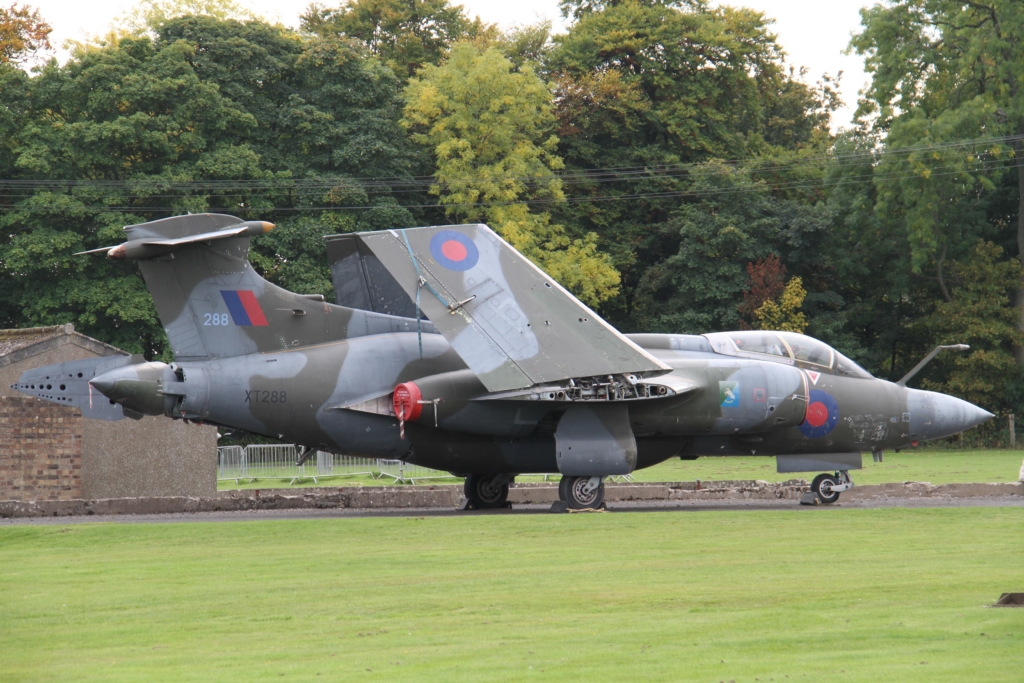
The aircraft continued to perform low-level strike, reconnaissance and anti-shipping duties. During the 1980s, improvements to its equipment also gave it an important precision-strike capability.
The introduction of the Pave Spike laser-designation pod allowed Buccaneer crews to illuminate targets for laser-guided bombs, making the aircraft particularly valuable when working alongside other RAF aircraft.
The Gulf War: Operation Granby, 1991
The Buccaneer’s most famous operational contribution came during the 1991 Gulf War, following Iraq’s invasion of Kuwait in August 1990. British forces joined the international coalition to liberate Kuwait and defeat Iraqi military forces.
At the time, the Buccaneer was approaching the end of its service life and was already scheduled for retirement. However, the RAF recognised that its laser-designation equipment could provide essential support to Tornado strike aircraft.
Consequently, twelve Buccaneers were rapidly prepared and deployed to Bahrain in January 1991 as part of Operation Granby, Britain’s contribution to the coalition campaign.
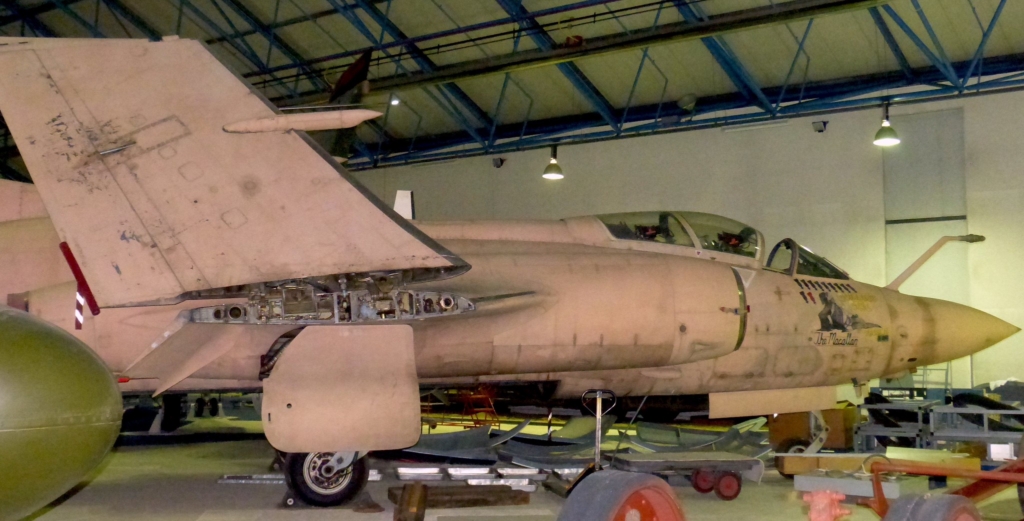
The aircraft were specially prepared for desert operations. Their appearance changed to a distinctive desert-pink camouflage scheme, and they received updated communications and identification equipment. Their principal task was to use their Pave Spike pods to illuminate ground targets, allowing RAF Tornados to deliver highly accurate Paveway laser-guided bombs.
The Buccaneers proved extremely valuable in this supporting role. They flew 226 sorties during Operation Desert Storm, primarily acting as laser-designators for other aircraft. Later, following the arrival of improved targeting equipment, they also undertook missions in which they designated their own weapons. One notable achievement involved a Buccaneer destroying an Iraqi transport aircraft while it was taxiing on the ground.
Retirement and legacy
Following the Gulf War, the Buccaneer had one final period of service before its retirement. Despite its successful performance in the conflict, newer aircraft, particularly the Panavia Tornado, were better suited to the RAF’s future requirements.
No. 12 Squadron converted to the Tornado in 1993, and No. 208 Squadron disbanded in March 1994, bringing the Buccaneer’s operational career in British military service to an end.
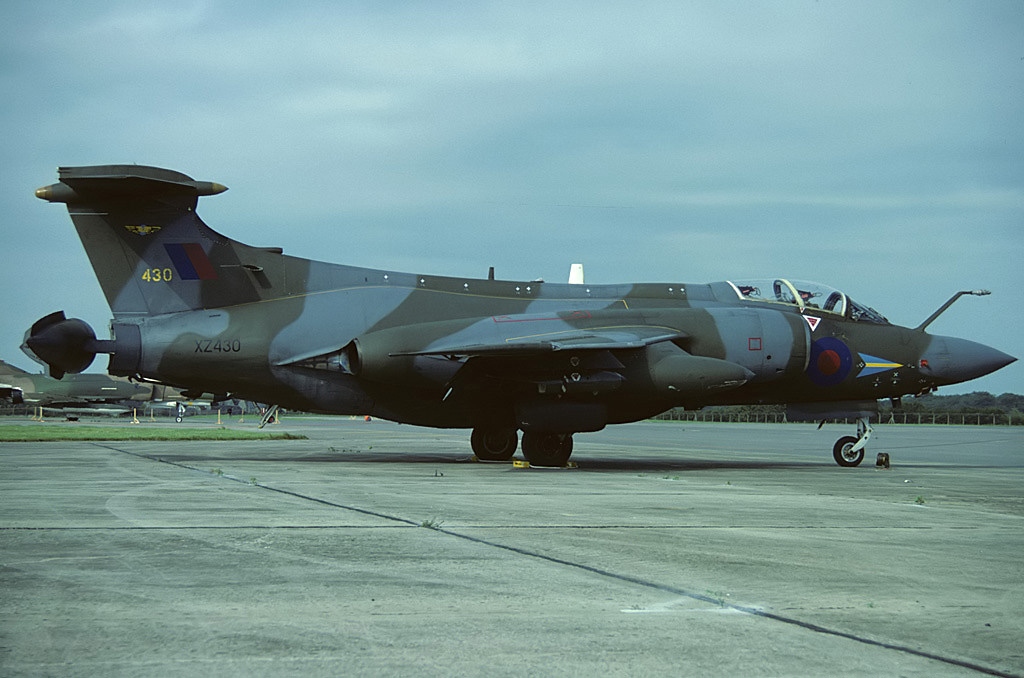
Today, the Buccaneer is remembered as one of Britain’s most successful Cold War strike aircraft. Its ability to operate from aircraft carriers, fly at extremely low altitudes and later undertake precision-strike missions demonstrated the quality and adaptability of its original design.
Its contribution during the Gulf War was particularly significant, proving that an aircraft developed in the 1950s could still play an important role in modern warfare. The Blackburn Buccaneer therefore remains an important part of British aviation history, having served both the Royal Navy and RAF with distinction for more than three decades.
Sign up for our newsletter and get our latest content in your inbox.
Similar Reads

Sign up for our newsletter. Select all sectors relevant to you.
Related