The Vickers VC10: The British airliner built for a different kind of flying

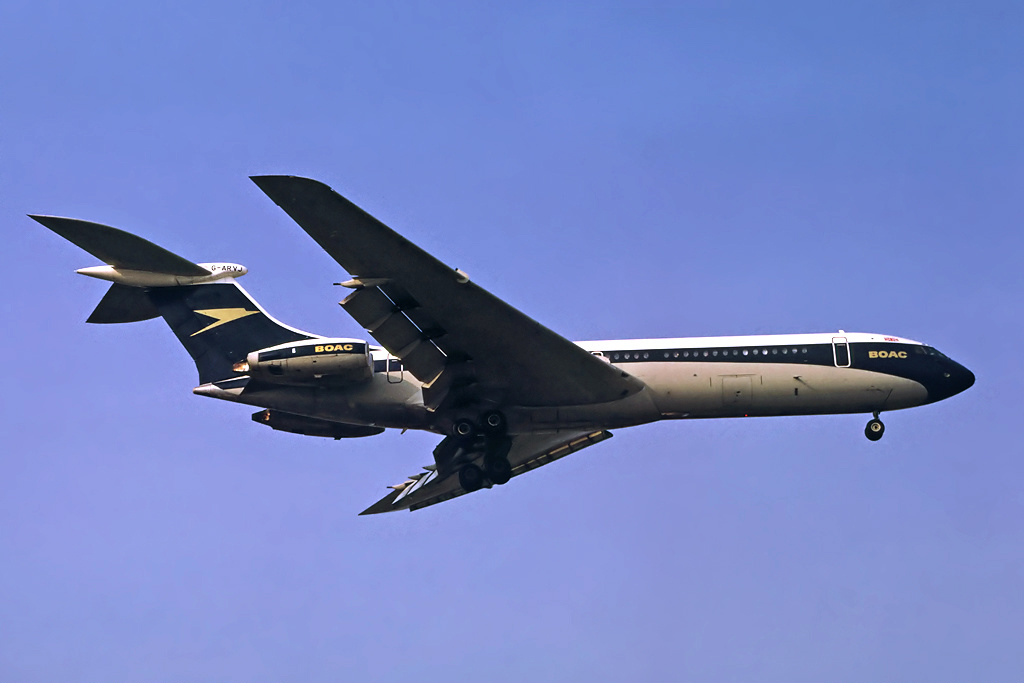
There was a time when Britain believed it could build the finest passenger aircraft in the world. In the early 1960s, as commercial aviation entered the jet age, British manufacturers were developing aircraft that promised to transform long-distance travel. Among them was one of the most distinctive airliners ever built – the Vickers VC10.
With its four rear-mounted engines, sweeping tail and graceful proportions, the VC10 looked unlike almost anything else flying at the time. But its significance went beyond appearance. It was designed around a particular understanding of long-distance travel, prioritising performance, passenger comfort and the ability to operate from challenging airports.
Although it never achieved the commercial success its designers hoped for, the VC10 became a remarkable example of British engineering.
A British answer to the jet age
By the late 1950s, jet airliners were beginning to reshape international travel. Aircraft such as the de Havilland Comet and Boeing 707 had demonstrated that passengers could cross continents and oceans considerably faster than before.
Britain faced a particular challenge. Many of its important international routes connected London with destinations in Africa and Asia, where airports did not always have the long runways and sophisticated facilities found in major European and American cities.
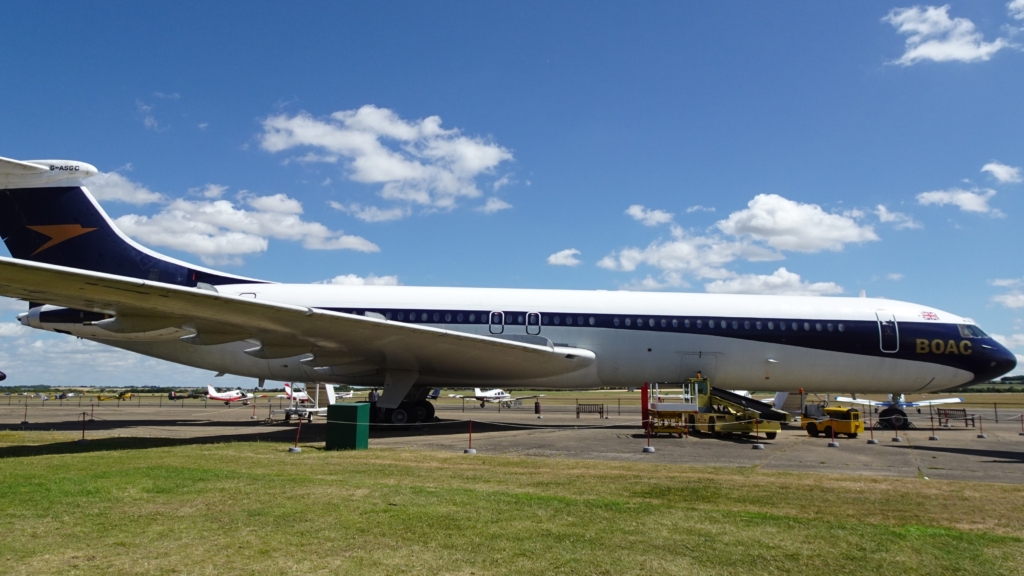
British Overseas Airways Corporation (BOAC) needed an aircraft capable of operating reliably in these conditions. It wanted a long-range jet that could carry passengers comfortably while delivering dependable performance from relatively short runways, often in hot and high-altitude environments.
Vickers-Armstrongs responded with the VC10, an aircraft designed specifically around the demands of Britain’s international network.
An unmistakable design
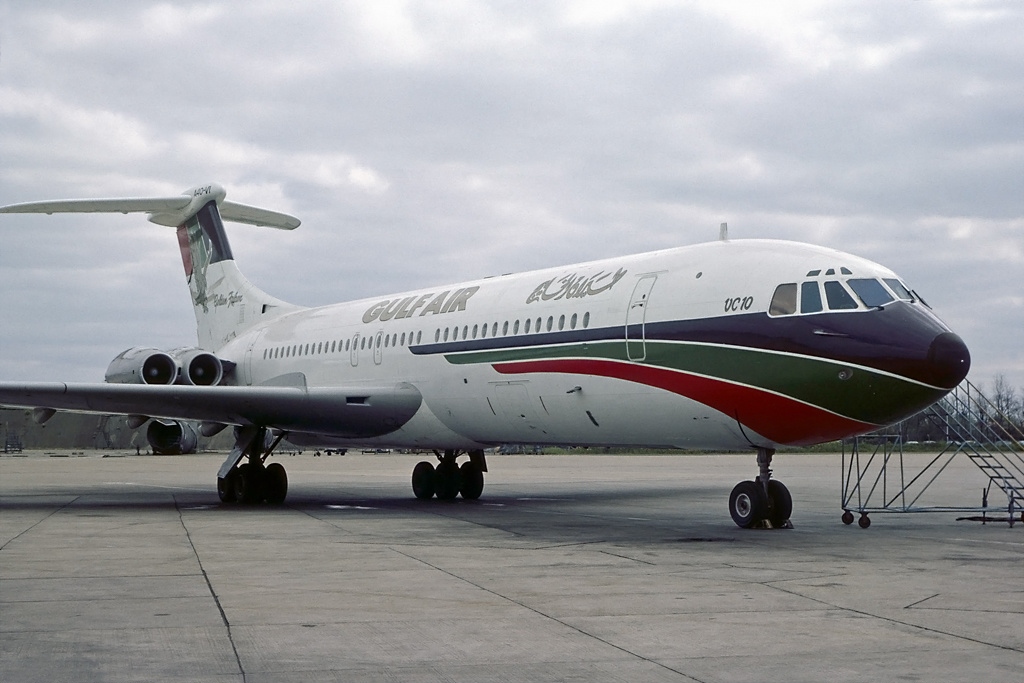
The most recognisable feature of the VC10 was its engine arrangement. Rather than mounting engines beneath the wings, as Boeing had done with the 707, Vickers positioned all four at the rear of the fuselage, in pairs on either side of the tail.
This gave the aircraft a remarkably clean wing design, free from large engine installations. It also offered practical advantages. The engines were further away from the ground, reducing the risk of foreign object damage when operating from dusty or poorly maintained runways.
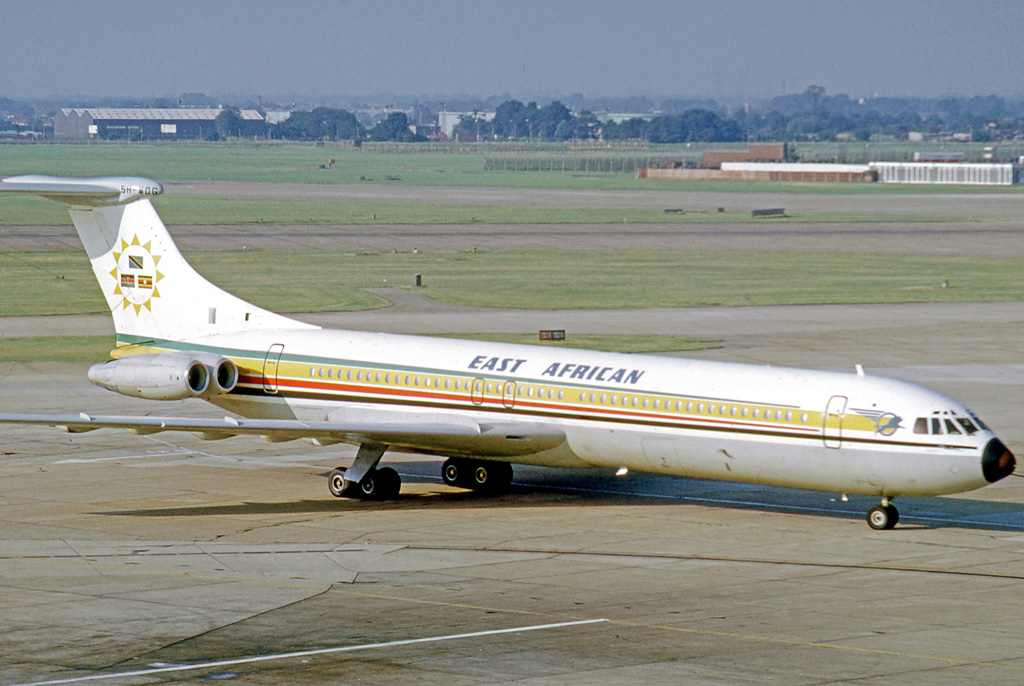
The arrangement helped create a quieter cabin, particularly for passengers seated towards the front. Its distinctive T-tail, with the horizontal stabiliser positioned above the engines, completed an elegant and instantly recognisable silhouette.
It was a design that combined engineering practicality with considerable visual appeal.
Performance was the priority
The VC10 was built to perform in conditions that could challenge other contemporary jet airliners. Its powerful Rolls-Royce Conway engines provided impressive take-off performance, particularly in hot-weather conditions. This was important for routes serving destinations such as Nairobi, Lagos and Karachi, where high temperatures and airport elevation could significantly affect aircraft performance.
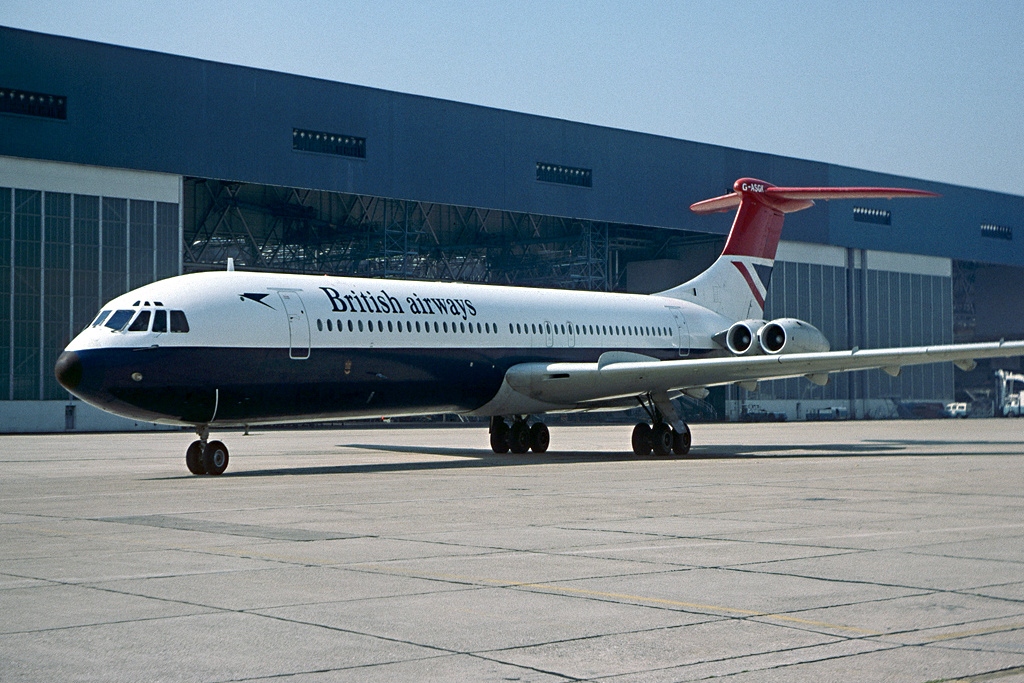
The aircraft could also operate from shorter runways than many competing long-range jets of its generation. Its aerodynamic design and powerful engines gave the VC10 an excellent reputation for speed. It became one of the fastest subsonic passenger airliners of its era, cruising at close to Mach 0.90.
For passengers, this meant shorter journey times. For airlines, however, the picture was more complicated. Four engines meant higher fuel consumption than newer twin-engine designs, and its operating economics were not always attractive.
The Super VC10: A bigger ambition
The original VC10 entered service with BOAC in 1964. Recognising the need for greater passenger capacity, Vickers developed an enlarged version known as the Super VC10.
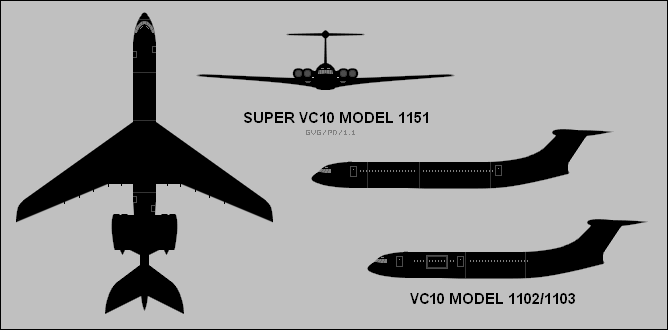
Featuring a longer fuselage, more powerful engines and increased seating capacity, it offered airlines a more competitive long-distance aircraft while retaining the original’s performance advantages. BOAC introduced the Super VC10 in 1965, using it on important routes connecting Britain with Africa and Asia.
Despite its improvements, the aircraft faced considerable competition from American manufacturers. The Boeing 707 and Douglas DC-8 were already established, while the arrival of larger and more economical aircraft was changing airline priorities. The VC10 was an excellent aeroplane, but engineering quality alone could not guarantee commercial success.
Passenger comfort and a quieter cabin
One of the VC10’s greatest strengths was its passenger experience. The rear-mounted engines created a noticeably different cabin environment from aircraft with engines beneath their wings. Passengers, particularly towards the front, benefited from reduced engine noise.
The aircraft also offered a comfortable interior and smooth flight characteristics. For those travelling between Britain and destinations across Africa and Asia, it provided an attractive combination of speed, comfort and reliability.
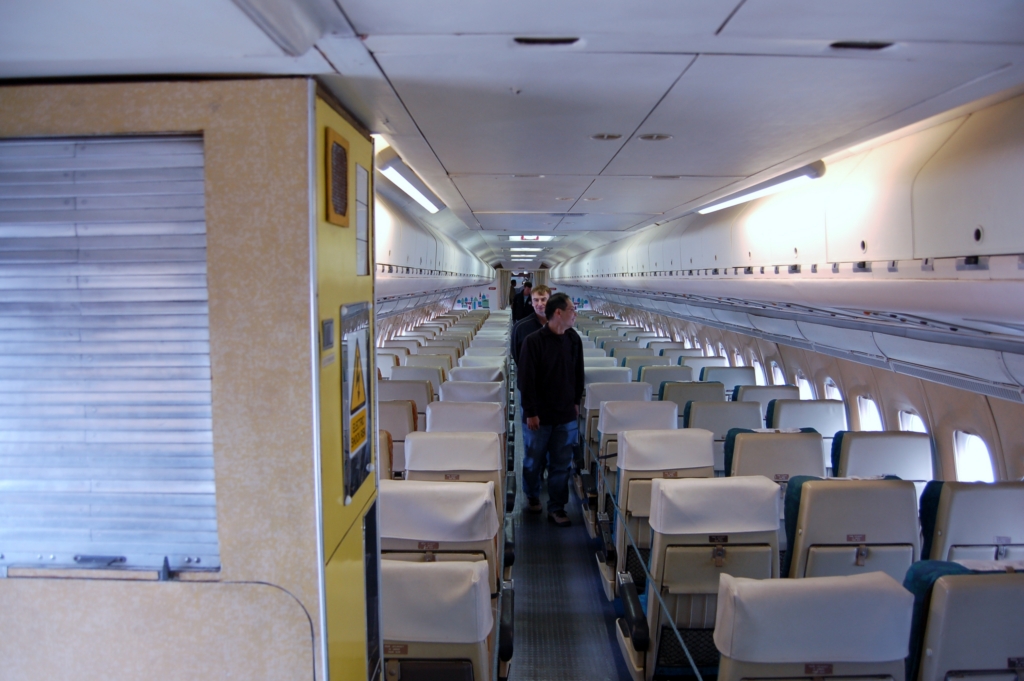
Its reputation was further strengthened by its ability to operate in demanding environments. It was an aircraft designed to work hard, rather than simply look impressive in an airline brochure.
From commercial airliner to military workhorse
Although the VC10 struggled to achieve lasting commercial success, its story was far from over when passenger airlines began retiring their fleets. The Royal Air Force recognised that its range, performance and payload capacity made it suitable for military transport and air-to-air refuelling.
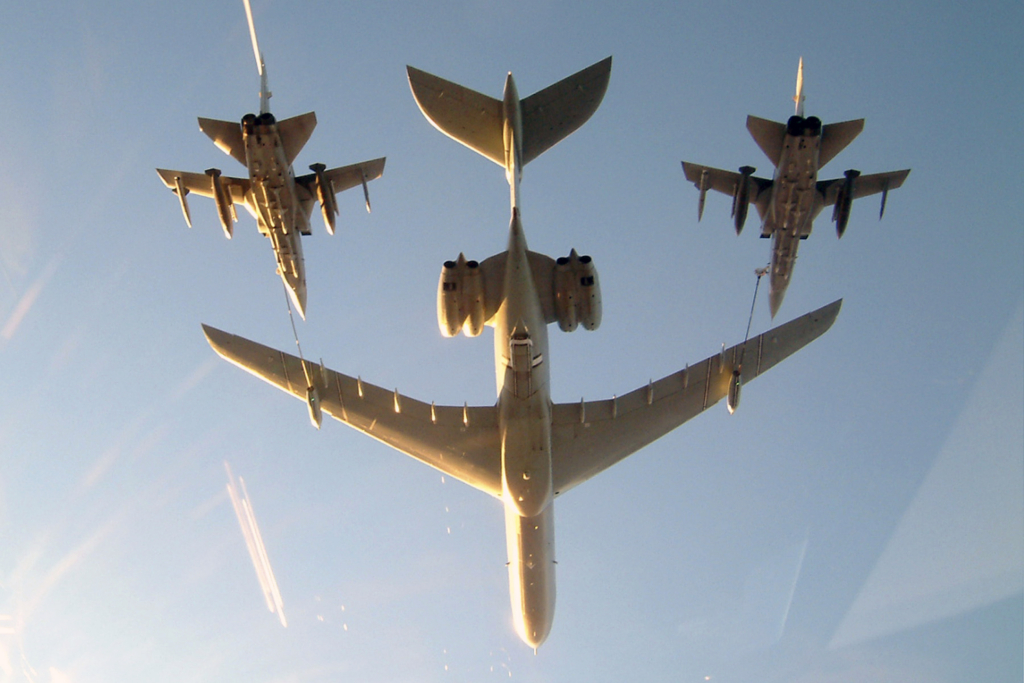
Several aircraft were converted into tanker versions, supporting fast jets through aerial refuelling. Others were adapted for strategic transport, carrying personnel and equipment over long distances.
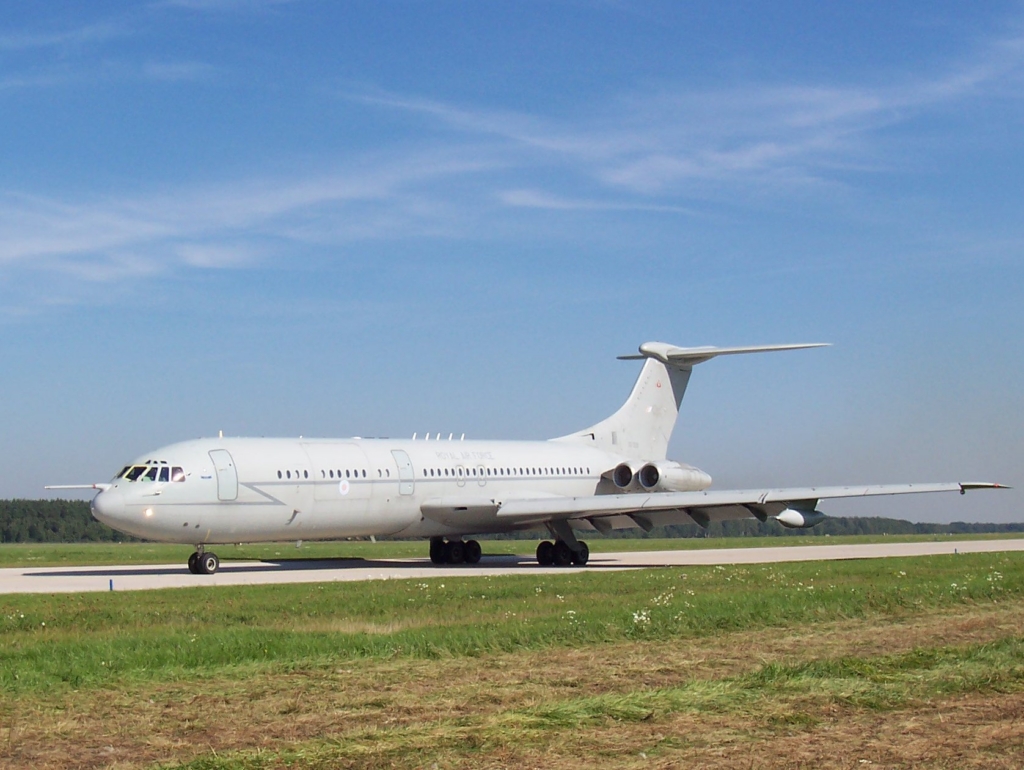
The RAF operated the VC10 for decades, giving it an impressive second career. Its military service included supporting British operations overseas, while its distinctive appearance made it a popular attraction at air shows. The type finally retired from RAF service in 2013, bringing an extraordinary operational career to an end.
Why the VC10 never conquered the world
The VC10’s limited commercial success was not the result of poor engineering. It was largely an aircraft designed for a market that was changing rapidly.
Its specialised performance advantages were particularly valuable to BOAC, but other airlines did not necessarily need the same capabilities. Carriers operating between major international airports placed greater importance on fuel efficiency, passenger capacity and operating costs than short-runway performance.
American manufacturers also benefited from access to a large domestic market, established airline relationships and extensive production facilities.
The VC10 arrived just as commercial aviation was becoming increasingly focused on economics. Airlines wanted aircraft capable of carrying more passengers over longer distances while consuming less fuel per seat.
The four-engine VC10 struggled to compete as these priorities took centre stage. It was the right aircraft for a particular set of circumstances, but those circumstances were gradually disappearing.
A lasting British aviation legacy
Today, the Vickers VC10 occupies a special place in British aviation history. It represents an era when British manufacturers pursued ambitious engineering solutions and developed aircraft around specific operational requirements rather than simply following established designs.
Its elegant appearance, impressive performance and distinctive engine arrangement made it one of the most individualistic jet airliners ever produced.
The VC10 also demonstrated that commercial success and engineering achievement are not always the same thing. Although it never sold in the numbers its designers had hoped for, it earned an enduring reputation among pilots, engineers and passengers.
Perhaps its greatest achievement was remaining true to its original purpose. It was built for a different kind of flying, where difficult airports, demanding climates and long international routes shaped the priorities of aircraft designers.
The aviation world eventually moved on, embracing more economical and commercially flexible aircraft. But the VC10 remains a reminder of a time when British engineering took a different path. More than half a century after its introduction, it is remembered not simply as another jet airliner, but as one of the most distinctive aircraft ever to fly the British aviation flag.
Sign up for our newsletter and get our latest content in your inbox.
Similar Reads


Sign up for our newsletter. Select all sectors relevant to you.
Related