UK flights impacted by US nationwide ground stop as knock-on effects continue

On Friday, the United States faced the longest nationwide ground stop since the 9/11 attacks. The country’s Federal Aviation Administration (FAA) issued a halt on all new departures to, from and within the United States over a communications issue.
Ageing ATC infrastructure was pointed to by US authorities, who called on congress to approve billions in additional investment to help renew its systems. Disruption lasted for about 4 hours on Friday evening, causing mayhem at airports that were approaching or reached capacity, and leaving crews and aircraft displaced.
Disruption to flights worldwide, including the United Kingdom
This has had knock-on effects into Saturday as well, with disruption expected to continue throughout the weekend due to logistical challenges and the millions of passengers who now need to be rebooked.
Data from aviation analytics firm Cirium shows just over 2,000 international flights were scheduled to fly to the United States each on Friday and Saturday. Of these, 21% were listed as cancelled or were not flown on Friday, compared with 12% on Saturday.
Flights to and from the UK are particularly impacted as long-haul flights to the United States are plentiful. It is the country with the third highest number of flights scheduled to the United States on Saturday after the US’ neighbours Mexico and Canada.
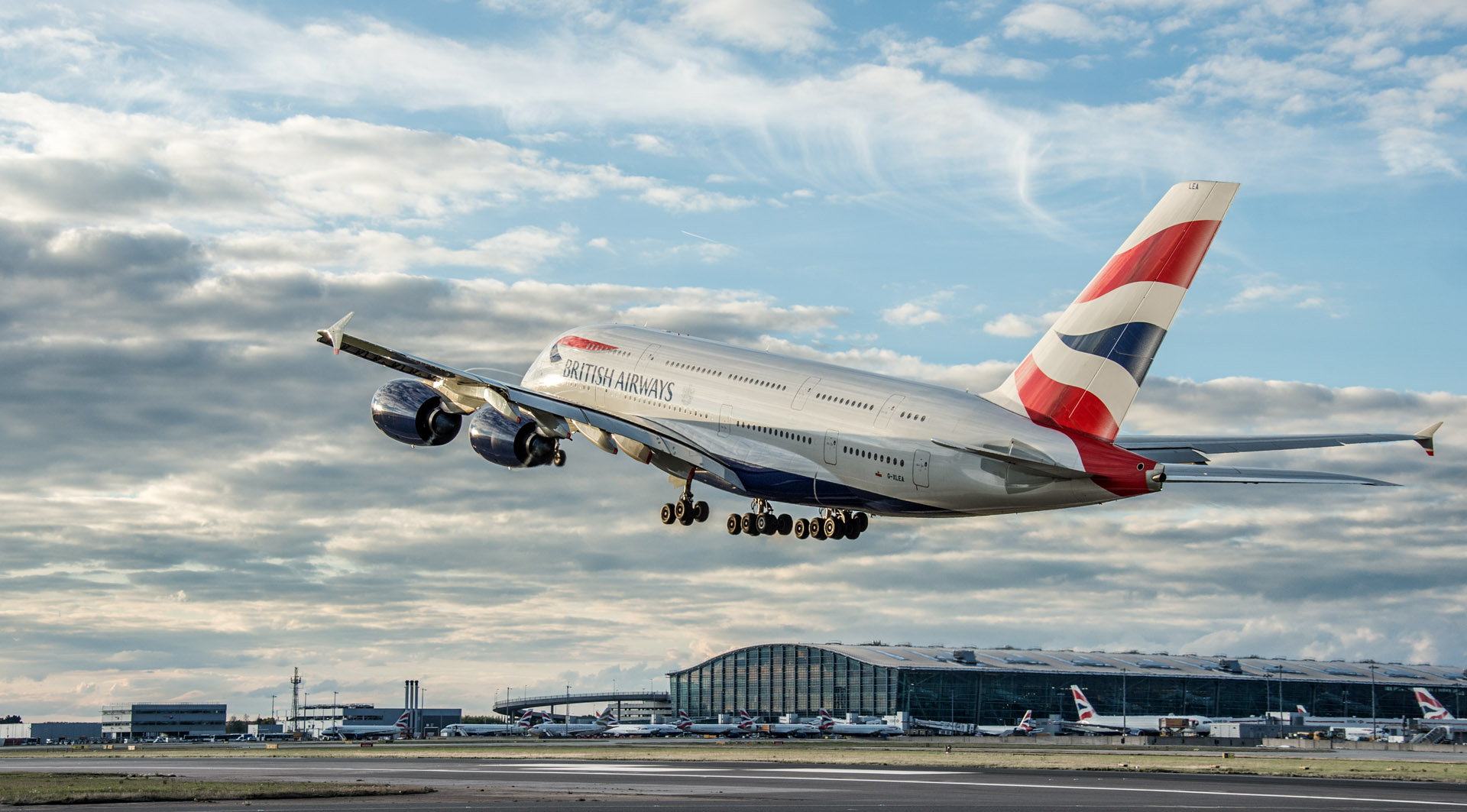
Of the 111 flights scheduled from the UK, 16 have been cancelled as of 13:30 GMT (08:30 EST). British Airways (BA) accounts for roughly half of the flights, with 42 scheduled – but only one listed as cancelled.
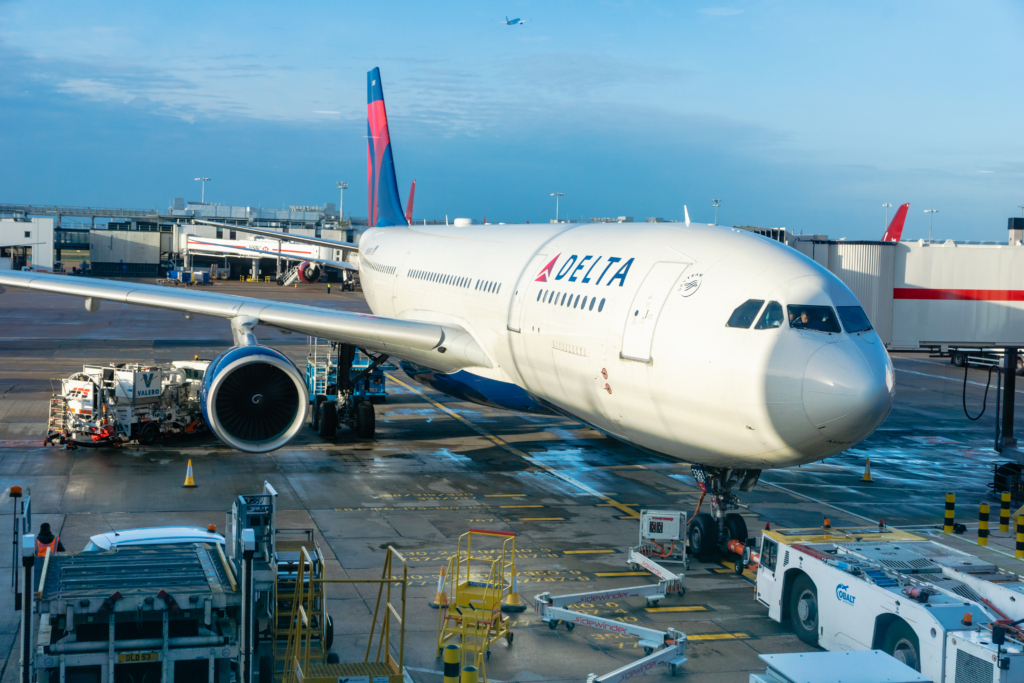
On the UK-US sector, BA’s joint-venture partner American Airlines scheduled 19 flights. United Airlines and Virgin Atlantic both had 18 scheduled, Delta 10, JetBlue 3 and finally Alaska Airlines had 1.
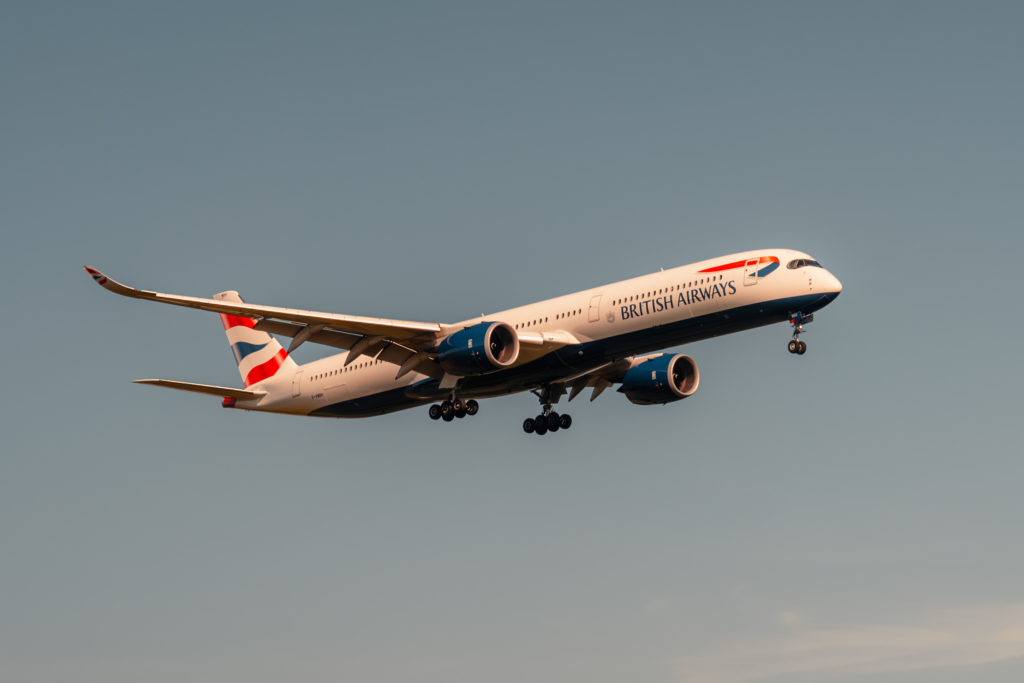
The vast majority of these were to/from London. A handful were scheduled from Manchester, and two from Edinburgh.
What happened in the US?
Speaking at a press conference, US Transportation Secretary Sean Duffy admitted his teams were “still working on the details of what went wrong today” and could not yet pinpoint the exact cause. He did, however, blame ageing air traffic control (ATC) infrastructure, noting that none of the “new equipment that’s been deployed” had failed.
Trouble began at 15:36 EST (20:36 GMT), when officials detected “instability for our radar and our communications and our centers and our TRACONs across the country.” Within 20 minutes, a nationwide ground stop was put in place, affecting all 22 Air Route Traffic Control Centers (ARTCCs) responsible for high-altitude airspace.
The disruption also hit the FAA’s 25 Terminal Radar Approach Control (TRACON) facilities across the US. These centres manage aircraft flying between 2,500 and 10,000 feet in congested airspace near airports before handing them off to local control towers.
“We didn’t lose all telecom we didn’t lose all radar but that instability, because of abundance of caution and making sure we keep the American fliers safe, we did the ground stop,” Duffy explained. He then clarified: “But we were going to allow those lifesaving movements to still occur, as well as with law enforcement as well.”
There are two types of telecommunications services supporting air traffic management: the older Time Division Multiplexing (TDM) technology and the more advanced Internet Protocol (IP)-compatible service.
Talking about the TDM technology that was central to the errors, Duffy says that its routers were “overloaded with data” and began producing “inconsistency in the data from those routers. And because of that, we shut the system down.”
He added: “And our new IP switches did not go down; it’s the old hardware that went down.”
Sign up for our newsletter and get our latest content in your inbox.
Similar Reads



Sign up for our newsletter. Select all sectors relevant to you.
Related