


D-Day Normandy beaches gain UNESCO World Heritage status as sites of memory


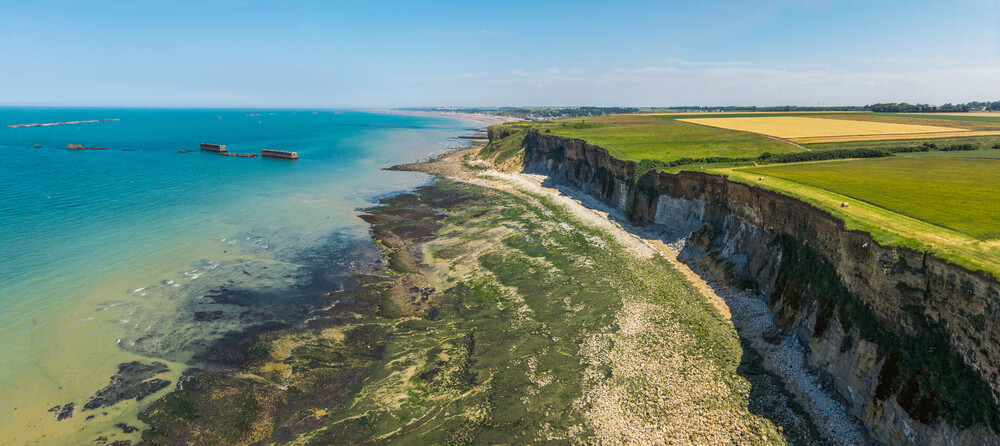
UNESCO has inscribed the Normandy beaches where Allied forces landed on D-Day on its World Heritage List, recognising the coastline’s historical significance and its impact on our collective memory.
The designation, approved this week during the 48th session of the UNESCO World Heritage Committee in Busan, South Korea, places the Beaches of the D-Day Landings in Normandy in 1944 alongside the world’s most important cultural and natural heritage sites.
The inscription was one of 25 new World Heritage sites added in 2026.
UNESCO recognises a landscape that changed history
The newly inscribed World Heritage property stretches across approximately 80 km (50 miles) of Normandy’s coastline and comprises six component sites:
- Utah Beach
- Omaha Beach
- Gold Beach
- Juno Beach
- Sword Beach
- Pointe du Hoc
These locations were on the front line of Operation Overlord, the Allied invasion launched on 6 June 1944 which liberated Western Europe from Nazi occupation during the Second World War.
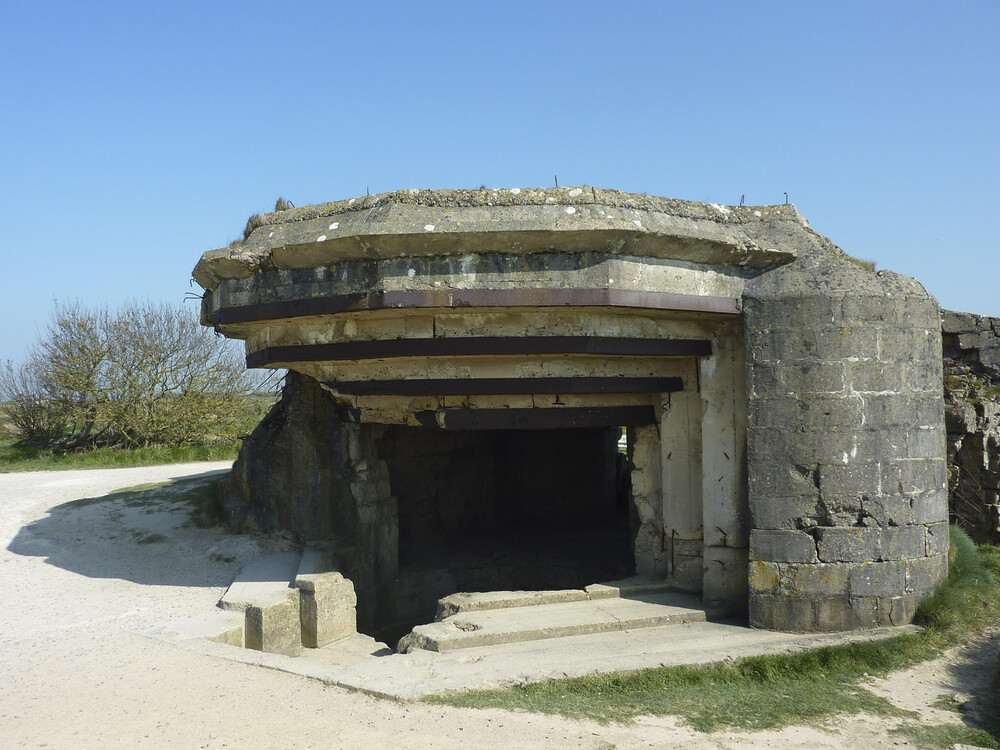
UNESCO has conferred the honour on the entire battlefield landscape, including surviving German fortifications, military remains, memorials, cemeteries and the coastal terrain itself.
A landscape preserved for remembrance
UNESCO described the Normandy landing beaches as an “exceptional cultural landscape” shaped both by the events of D-Day and by more than 80 years of remembrance.
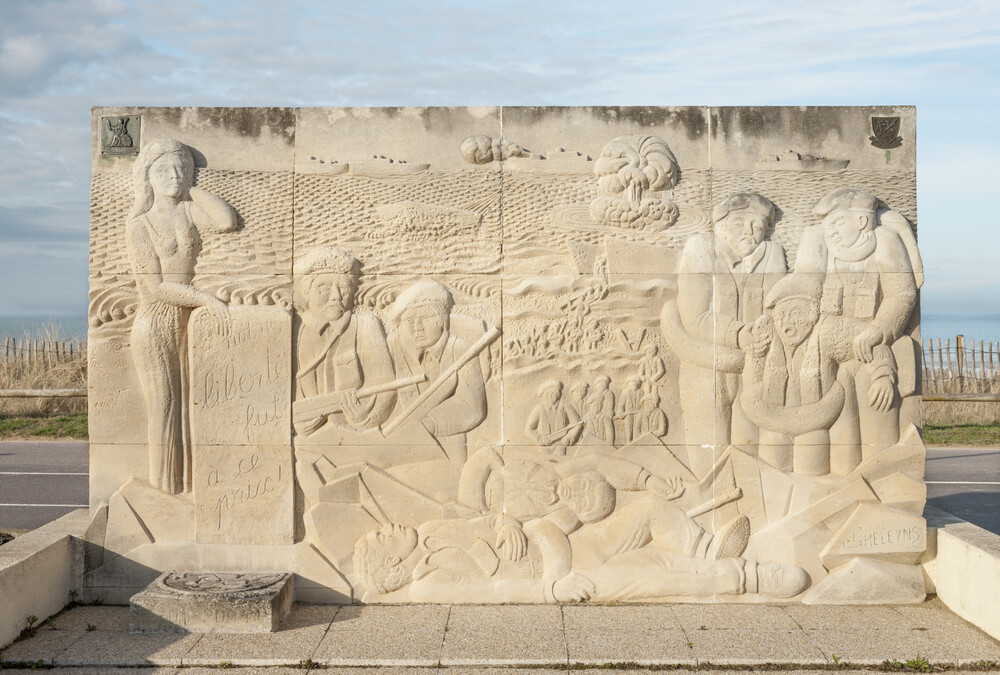
The World Heritage listing acknowledges not only the military operation but also the enduring international significance of the site as a place dedicated to peace, reconciliation and the memory of those who fought and died there.
According to UNESCO, the serial property directly represents the opening phase of Operation Overlord and preserves tangible evidence of one of the defining events of the Second World War.
Over 156,000 Allied troops landed on D-Day
On 6 June 1944, over 156,000 Allied troops from the United Kingdom, United States, Canada and other Allied nations landed across the five beaches after an immense naval and airborne assault.
The operation established the foothold that ultimately enabled Allied forces to advance across France and into Nazi-occupied Europe. The subsequent Battle of Normandy became one of the most significant campaigns of the war.
Protection for future generations
World Heritage status provides international recognition for the D-Day sites and strengthens long-term conservation efforts.
The designation will help safeguard the beaches and surrounding memorial landscape against inappropriate development, environmental pressures and the impacts of growing tourism, while ensuring that the historical character of the sites is preserved for future generations.
Sign up for our newsletter and get our latest content in your inbox.
Similar Reads






Sign up for our newsletter. Select all sectors relevant to you.
Related