RAF completes multi-year restoration of historic Avro Vulcan XM607 at RAF Waddington


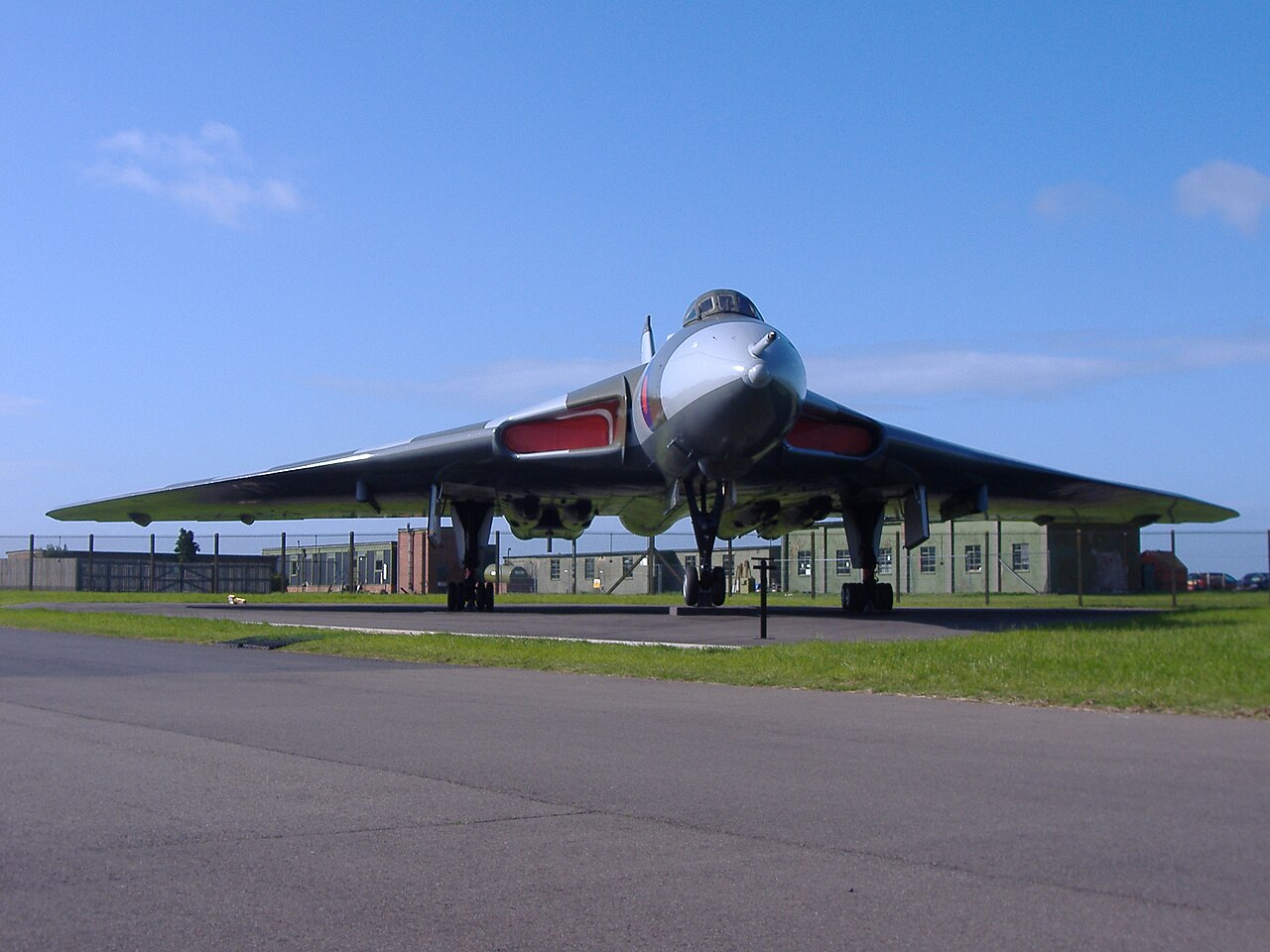
After seven years of repairs, refurbishment and problem-solving, Avro Vulcan XM607 is back in position at RAF Waddington. The return of the famous Falklands veteran marks the latest milestone in a restoration effort that has drawn on the expertise of RAF engineers, specialist contractors and aviation heritage organisations.
For generations of RAF personnel, veterans, aviation enthusiasts and passing motorists, XM607 has been a familiar landmark. But keeping the ageing aircraft in good condition has presented a major challenge. By 2018, it was clear that significant preservation work was needed to safeguard the Vulcan for the future.
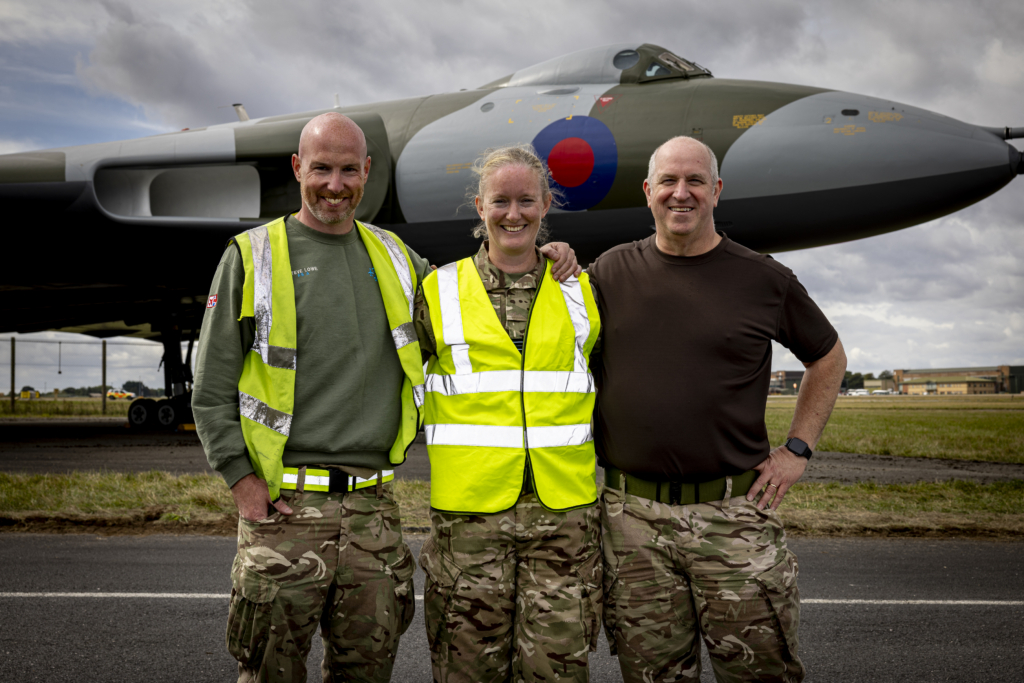
The restoration began when two RAF personnel recognised the need for a long-term plan to protect XM607. Working alongside their normal duties, they developed a programme of work and began securing the expertise, funding and support needed to tackle the huge task.
Wing Commander Suzi, their line manager at the time, later joined the core restoration team, helping unlock access to senior decision-makers, funding, hangar space and external assistance.
The scale of the work soon became clear. All 18 wheel assemblies required attention, while many components had become obsolete or increasingly difficult to source. Engineers also had to develop bespoke solutions to keep the historic aircraft in a condition suitable for long-term preservation.
2021: The Vulcan moves inside
A crucial stage of the project came in July 2021, when XM607 was carefully removed from her plinth and transported into a hangar at RAF Waddington. The operation involved the Joint Aircraft Recovery and Transportation Squadron (JARTS), Vulcan heritage organisations and specialist contractors.
Inside the hangar, engineers could inspect the aircraft properly and carry out major repairs away from the elements. RAF Waddington personnel contributed specialist structural and aircraft repair skills, including the fabrication and installation of bespoke panels and components. 71 (IR) Squadron also worked on the aircraft’s elevons.
Specialist contractors handled areas including paint removal, surface preparation and repainting, while businesses and other supporters provided equipment, materials, expertise and time. The result was a huge collaborative effort involving engineers, technicians, contractors, volunteers and heritage organisations, according to an RAF statement.
Back standing over the A15
Earlier this month, XM607 made the journey back to her original position. The move was prompted in part by upcoming resurfacing work and the continuing deterioration of the Vulcan’s tyres. With suitable replacement tyres no longer commercially available, returning the aircraft to its permanent display position was the safest option for preserving the historic assemblies.
Once again, JARTS provided vital support for the move. A temporary surface was created to allow XM607 to cross from the maintenance area to her plinth, while detailed engineering assessments and careful planning were carried out to ensure the operation went smoothly. The RAF said the move was completed safely and with few complications.
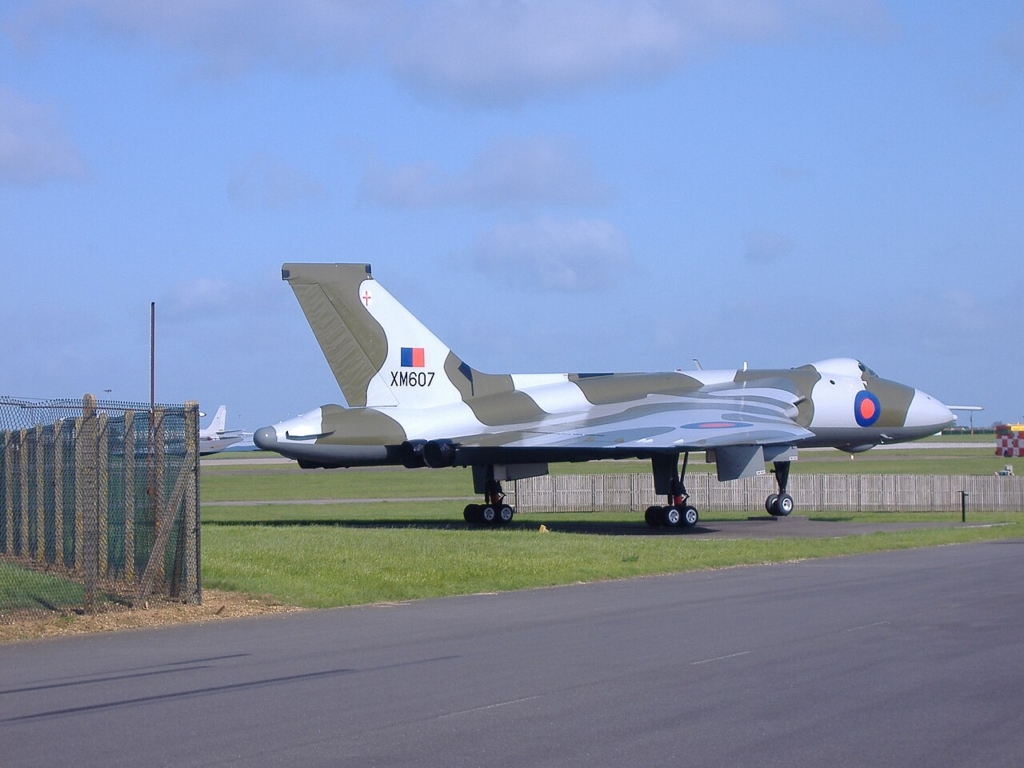
XM607 may be back in her familiar spot, but restoration work continues. Remaining tasks include installing bespoke panels, fitting landing gear follow-up doors, completing work on the elevons and repairing exhaust nozzle shrouds before the final paint finishes can be applied.
The Vulcan will also eventually be raised onto permanent metal support stands. This will take the weight off her wheels and help protect the increasingly rare tyre assemblies.
Wing Commander Suzi said the restoration had been a privilege, acknowledging the scale and complexity of the challenge. She highlighted the determination and expertise of everyone involved, saying XM607’s return was a proud moment and demonstrated the importance of preserving RAF heritage.
Now once again overlooking the A15, XM607 continues to tell the story of a remarkable era in RAF history. For those passing RAF Waddington, the sight of the distinctive Vulcan back on her plinth is more than a familiar landmark. And it is a reminder of the people, engineering and history behind one of Britain’s most iconic military aircraft.
Sign up for our newsletter and get our latest content in your inbox.
Similar Reads