UK deploys Voyager to support Saudi fighters amid renewed Houthi attacks


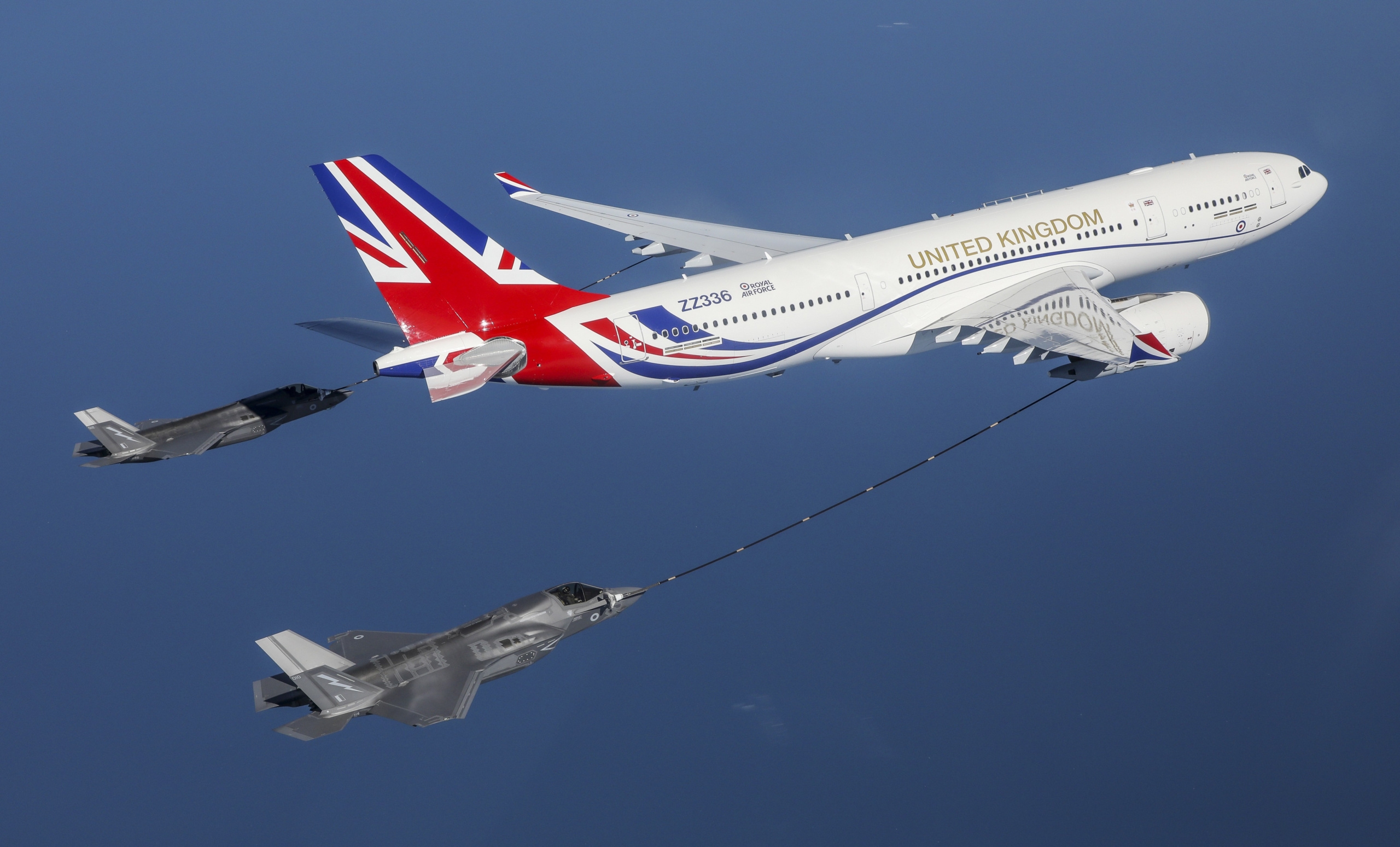
The UK is to deploy a single Royal Air Force (RAF)-operated Voyager KC2/KC3 multi-role tanker-transport to provide “defensive air-to-air refuelling” assistance to support Saudi Arabia’s efforts to defend itself against a resurgence in drone and ballistic missile attacks from Iran-backed Houthi militants in Yemen.
Initially reported by the BBC on 21 September, UK Prime Minister Andy Burnham said he approved the deployment following a formal request for “military support” from Riyadh. Burnham added that this decision was taken following advice from Defence Secretary Wes Streeting and Foreign Secretary Ed Miliband.
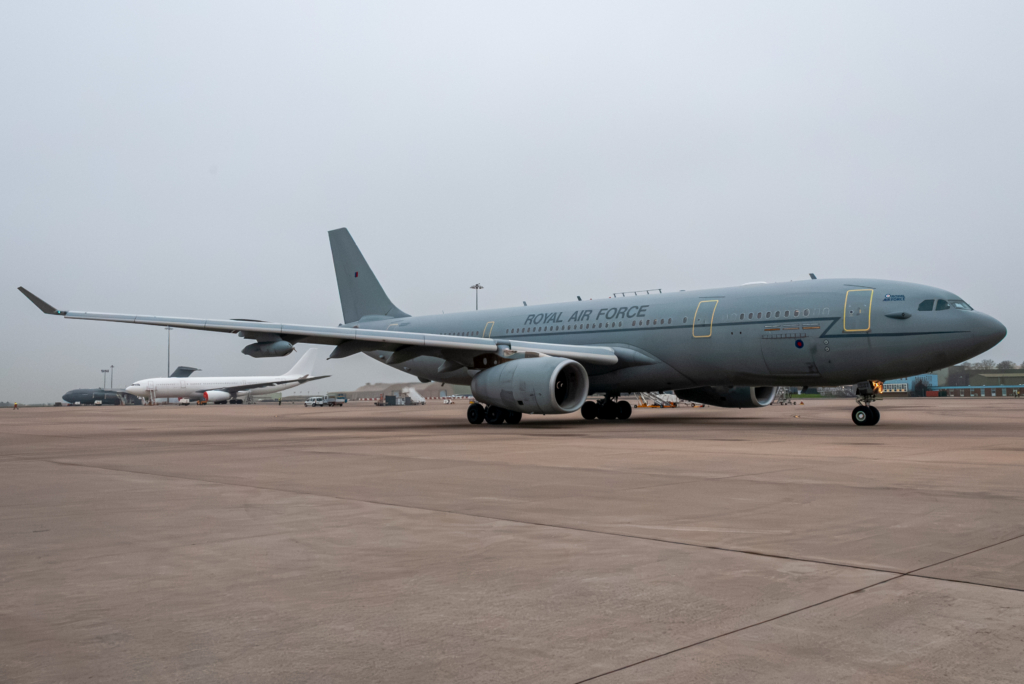
In its role of providing defensive air-to-air refuelling support, the sole Voyager KC2/KC3 will likely support fighter aircraft operated by the Royal Saudi Air Force (RSAF), allowing them to remain airborne for longer periods while responding to waves of Houthi-launched one-way attack (OWA) drone and ballistic missile attacks.
The mission is expected to begin in the coming days, with the Voyager likely to support Saudi defence operations from RAF Akrotiri in Cyprus for a limited period, with the deployment subject to review in the near future. The UK has stressed that the aircraft’s role is defensive rather than it being used to support direct offensive strike operations.
Saudi Arabia faces renewed Houthi drone and missile onslaught
The decision follows a sharp escalation in Iran-backed Houthi attacks against Saudi Arabia. In recent days, the group has claimed strikes using ballistic missiles and OWA drones against Riyadh and Saudi energy infrastructure along the kingdom’s Red Sea coast.
On 19 September, Saudi authorities revealed they intercepted and destroyed a ballistic missile launched towards Riyadh, while large plumes of smoke were reported near King Khalid International Airport in the nation’s capital.
Air raid alerts were activated in Riyadh amid the attacks, with flights being temporarily disrupted. The Houthis also claimed an attack on an Aramco facility in Yanbu – a major Saudi oil export hub in the Red Sea.
BREAKING: Yemen’s Houthis appear to have struck three separate important energy infrastructures across Saudi Arabia — the YASREF refinery in Yanbu, Aramco’s Abha bulk plant and an area in Dammam — with major fires reported at all three sites.
— The Hormuz Report (@HormuzReport) September 15, 2026
In Yanbu, footage shows a large fire… pic.twitter.com/XJXNkIz3Xo
These attacks form part of a wider Houthi offensive in Yemen. According to media reports, the proxy group recently seized the strategic port of Mokha and Perim Island near the Bab el-Mandeb Strait, bolstering its position around a major maritime gateway between the Red Sea and Gulf of Aden.
Houthi militants have also been advancing along the Red Sea coast, increasing concerns over land-based threats to Saudi territory, energy infrastructure and international shipping operations.
Voyager: Extending the strategic reach of British airpower
For the RAF, this upcoming defensive deployment illustrates the operational value of its Voyager tanker-transport fleet and its ability to provide military assistance well beyond the UK’s – and NATO’s – immediate borders.
Operated in partnership with the AirTanker consortium, the RAF operates a core fleet of nine Voyager KC2/KC3s, while a ‘surge fleet’ of five additional aircraft remain on call for military use, when required.
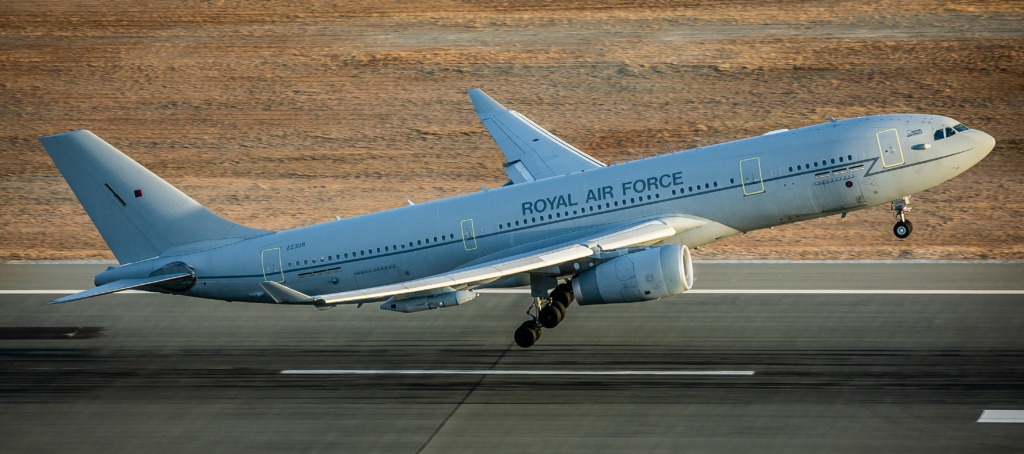
Based on Airbus’ A330-243 Multi-Role Tanker Transport (MRTT), the Voyager fleet serves as the RAF’s sole tanker platform, having replaced both the air arm’s TriStar and VC10 fleets in the role from the early 2010s.
Its refuelling systems allow fast jets to receive fuel while airborne, extending their range and enabling them to remain on station for longer periods. This capability will be particularly relevant to Saudi fighters tasked with maintaining defensive patrols and responding to incoming hostile drones and missiles.
The RAF currently operates two Voyager variants. The KC2 employs two wing-mounted Cobham 905E hose-and-drogue units, while the KC3 also features a centreline-based Cobham 805E Fuselage Refuelling Unit (FRU) to refuel larger aircraft that are compatible with hose-and-drogue operations, such as the Airbus A400M Atlas.
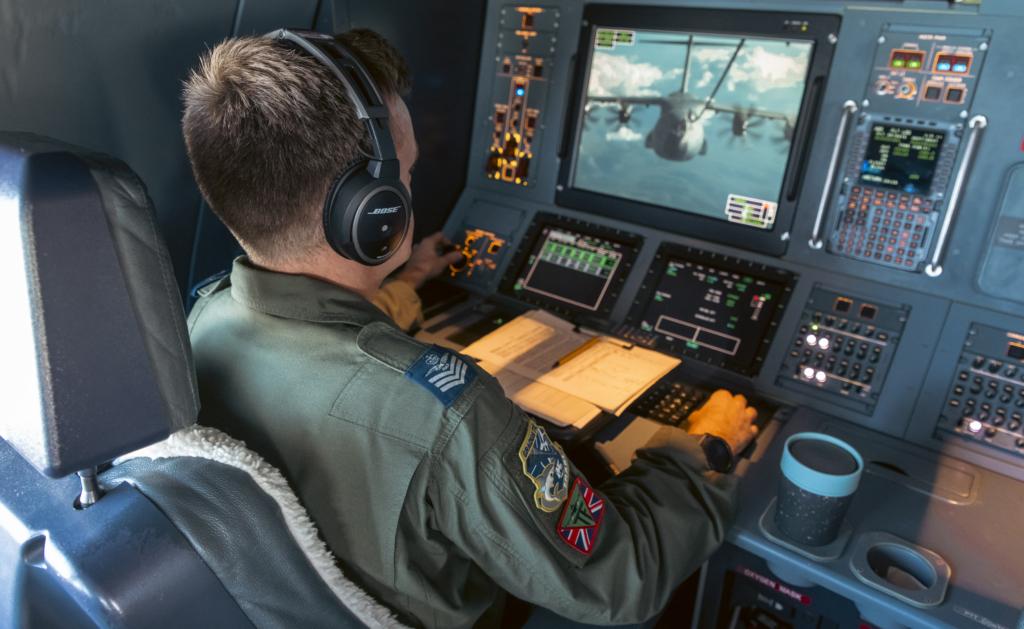
In September 2026, Luke Pollard MP – the Minister of State for Defence Readiness and Industry – confirmed that a boom refuelling capability was being developed for the RAF’s Voyager fleet, allowing it to refuel aircraft that are not configured for hose-and-drogue operations.
Operated by Nos 10 and 101 Squadrons from RAF Brize Norton, Oxfordshire, the Voyager force has supported a variety of UK and coalition operations, including Operation Shader – the UK’s contribution to the fight against ISIS militants in Iraq and Syria – while also providing tanker support during multinational exercises and deployments.
The platform’s secondary strategic airlift role means the aircraft can also carry passengers and freight when configured accordingly.
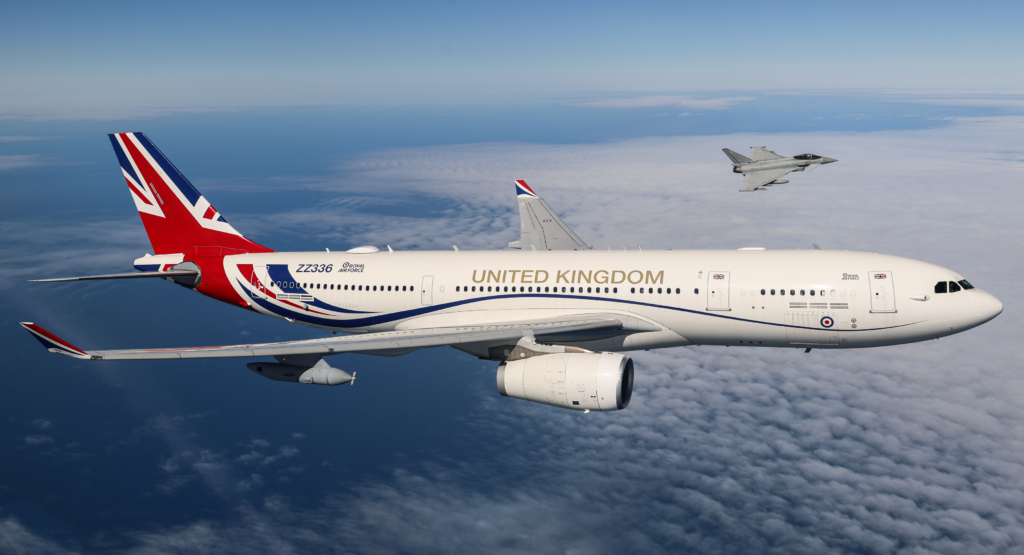
The Saudi mission demonstrates another aspect of the Voyager’s contribution to British airpower by enabling allied combat aircraft to operate at greater range and for longer periods without having to relocate fighters closer to the area of operation (AO).
The move also highlights the continued importance of tanker aircraft to modern air operations. While the deployment of a single Voyager is a relatively small contribution to the wider regional military effort, its ability to keep fighter aircraft airborne for longer can provide a significant boost to airpower projection and capability.
This move follows the UK’s earlier decision to provide additional air-defence assistance to Saudi Arabia, including the deployment of Sky Sabre air-defence missile systems. Together, the measures represent the UK’s broader contribution to regional air-defence as the conflict currently engulfing the Middle East region continues to develop.
Sign up for our newsletter and get our latest content in your inbox.
Similar Reads