

UK breakthrough brings radioactive medicine deliveries by drone a step closer

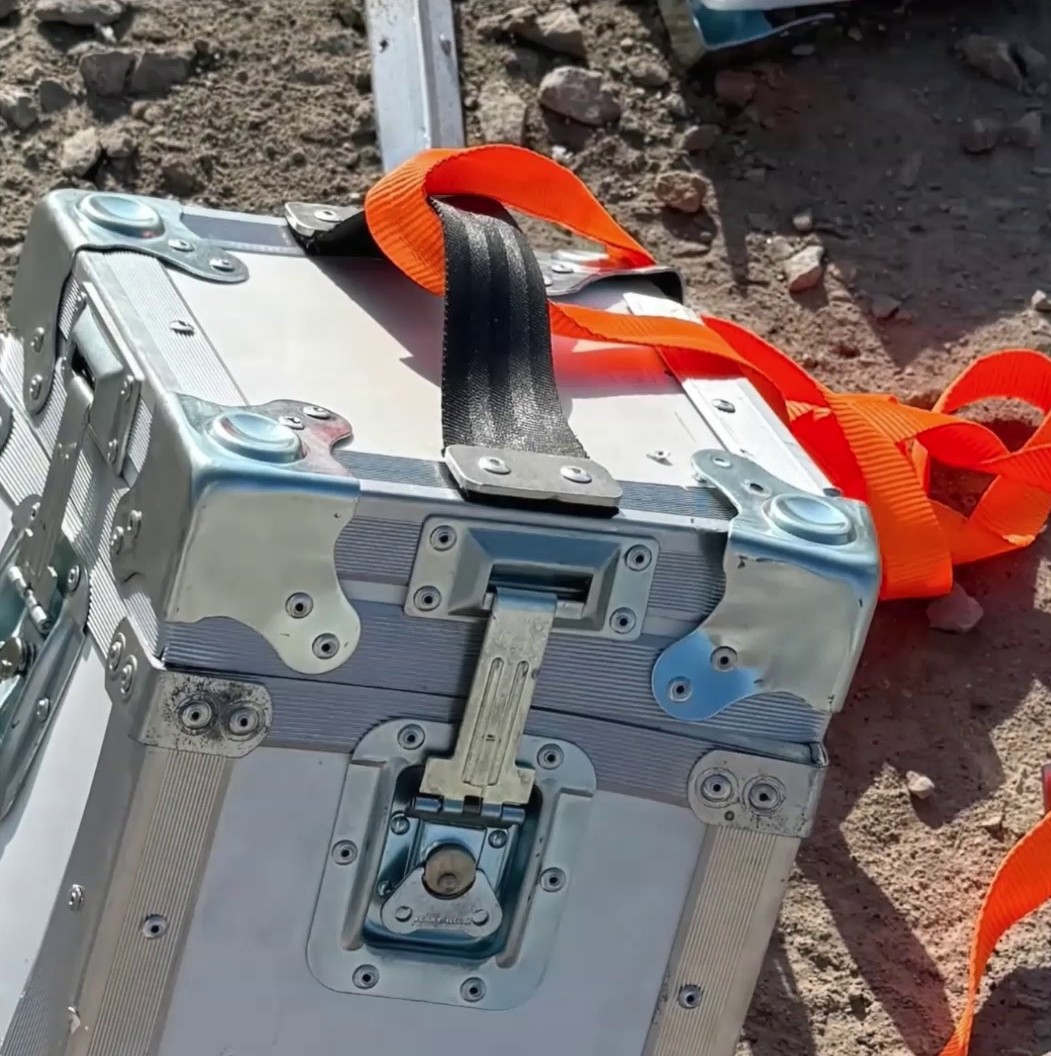
Viking Drone Packaging (VDP) has achieved a world first after receiving a Letter of Recommendation from the UK Government’s Vehicle Certification Agency (VCA) for a crash-protected container designed specifically for the transport of radiopharmaceuticals by drone.
The recommendation confirms that VDP’s specialist packaging meets the VCA’s performance requirements for RPAS (Remotely Piloted Aircraft System) crash-protected containers and marks a significant milestone in enabling the routine transport of dangerous goods by drone.
Developed in collaboration with regulators, NHS stakeholders and drone operators over more than two years, the packaging is designed to safely transport time-critical radiopharmaceuticals, such as Gallium-68, used in diagnostic imaging. Because these medical isotopes have extremely short half-lives, rapid and reliable delivery is essential to maximise their clinical value.
Rigorous testing under severe impact conditions leads to a new industry benchmark
To demonstrate its crashworthiness, the container underwent rigorous testing, including multiple helicopter drop tests from 400 feet onto an unyielding surface. The testing confirmed that the dangerous contents remained safely contained even under severe impact conditions.
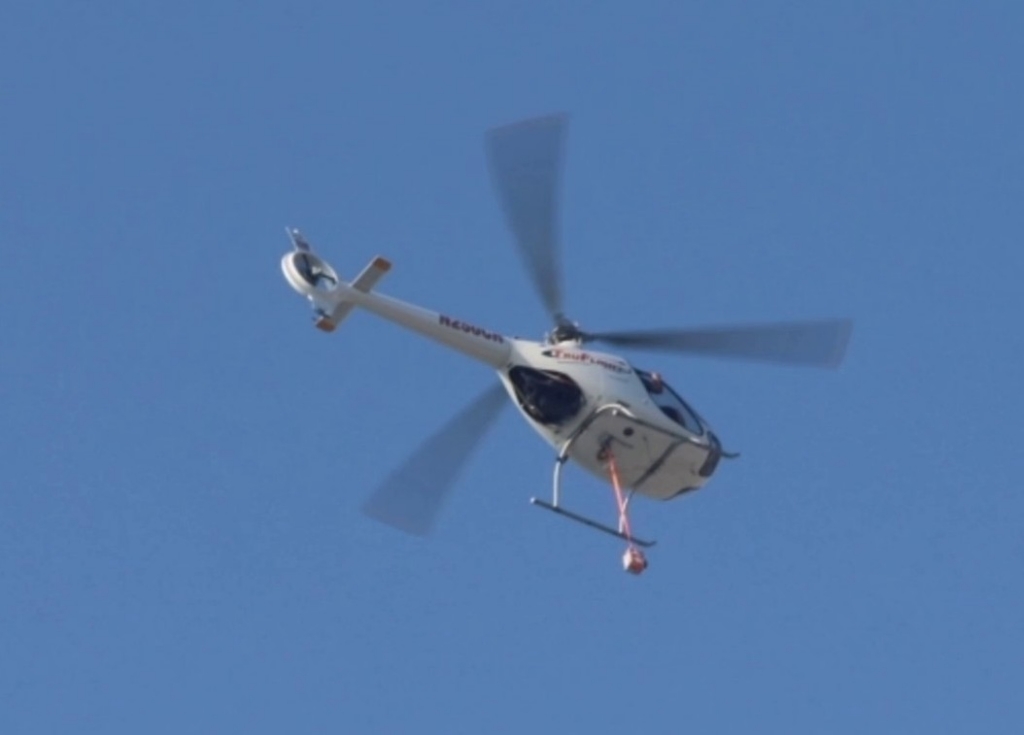
Photo: VDP
The project also established a new benchmark for the industry. Existing crash protected container criteria did not adequately address the transport of radioactive materials by drone, resulting in the VCA expanding its assessment criteria to accommodate this new class of packaging. VDP’s recommendation is therefore the first of its kind.
Why further regulatory approval is needed before dangerous goods can be transported by drone operators
While the recommendation does not itself authorise commercial drone operations, it provides a critical component of the wider Civil Aviation Authority (CAA) approval process required before operators can transport dangerous goods by drone.
Geoff Leach, Co-founder of Viking Drone Packaging, said: “This has been one of the most rewarding projects of my career. For more than 35 years I have worked in the safe transport of dangerous goods, and it’s exciting to see that expertise helping unlock a new era of healthcare logistics. If we can contribute to getting time-critical medicines to patients more quickly and reliably through safe drone operations, then that will be a tremendous achievement.”

Above: Geoff Leach. Photo: VDP
Geoff Leach is internationally recognised as one of the world’s leading specialists in the transport of dangerous goods. He is the former Head of the UK Civil Aviation Authority’s Dangerous Goods Office, former Chair of the ICAO Dangerous Goods Panel and recipient of the George L. Wilson Award, the industry’s highest international honour for lifetime achievement in dangerous goods safety.
Although initially developed for radiopharmaceuticals, the technology and expertise behind VDP’s crash-protected containers have far wider potential. Future applications include other dangerous goods as well as specialist healthcare, industrial and offshore logistics, helping to unlock the safe routine transport of hazardous and high-value payloads by drone.
Sign up for our newsletter and get our latest content in your inbox.
Similar Reads