Vertical Aerospace’s new Valo assembly centre puts UK manufacturing ambitions on the runway

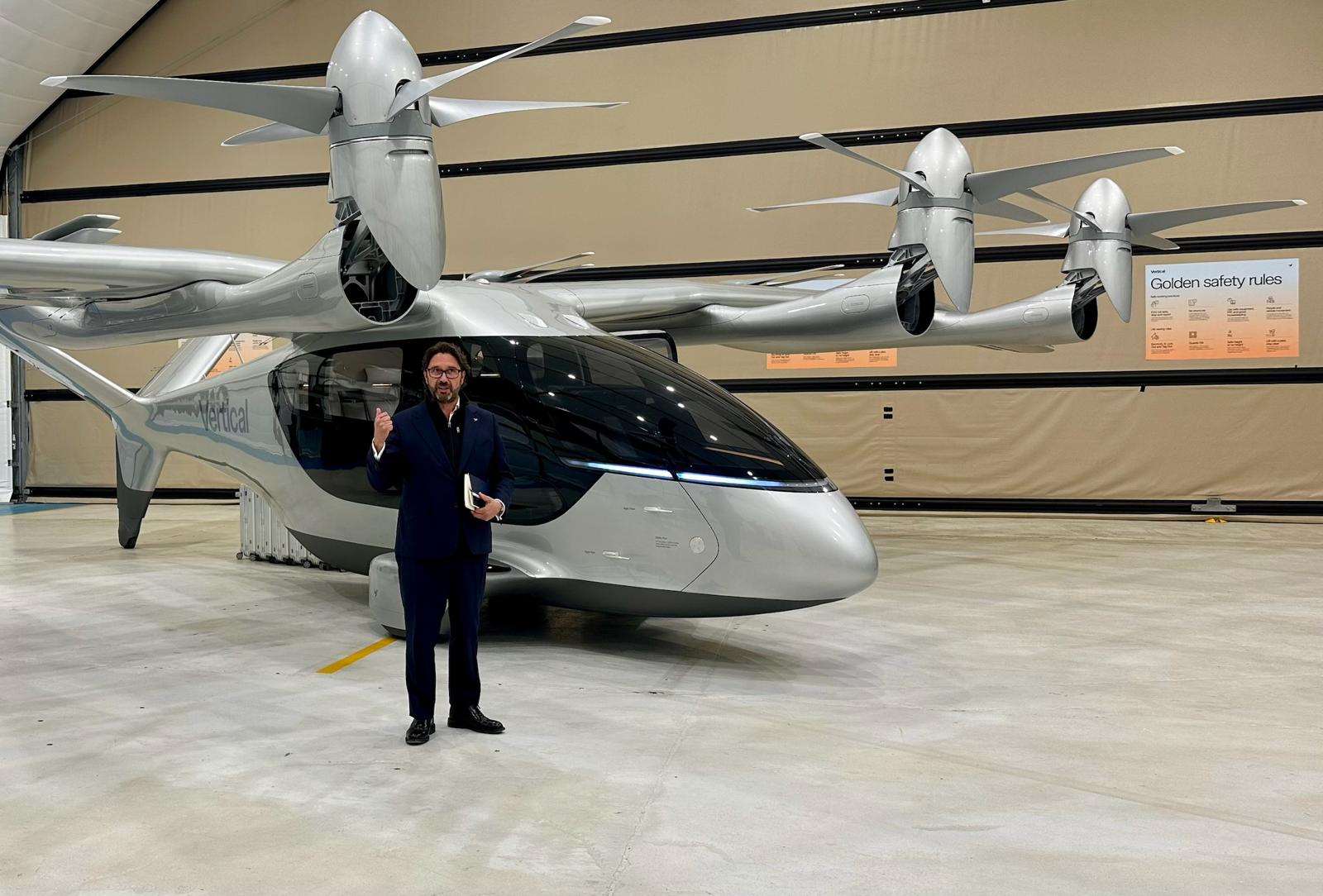
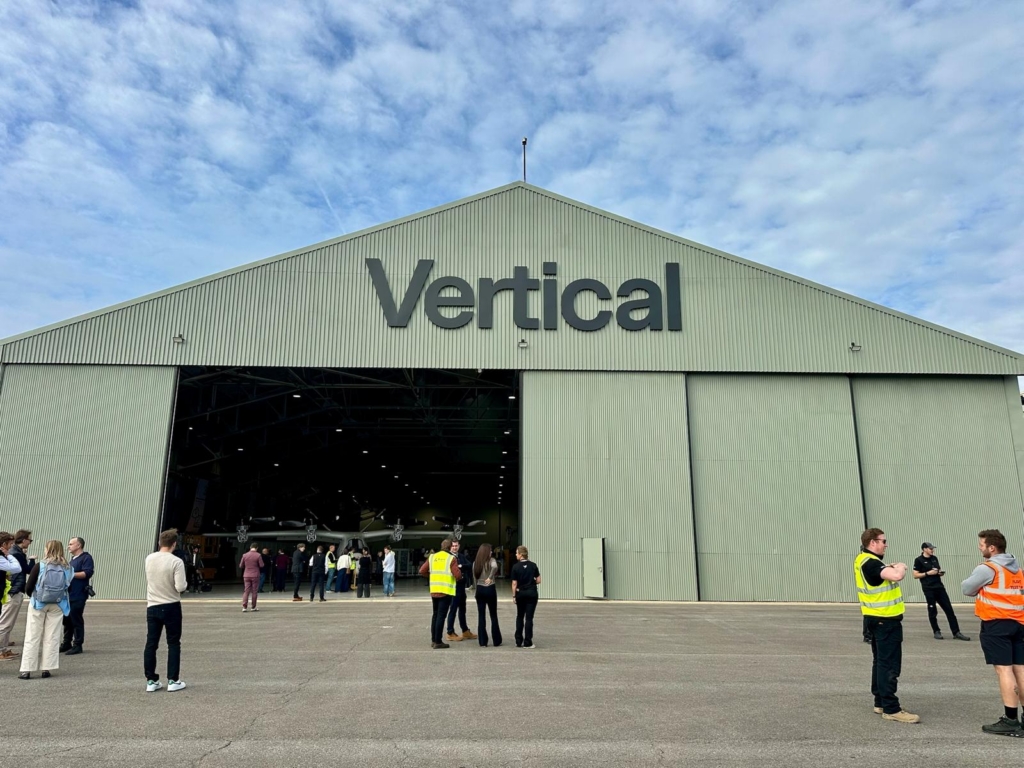
Vertical Aerospace opened its Aircraft Assembly Centre at Cotswold Airport on 24 September, establishing the facility where it plans to build its Valo certification aircraft and begin customer deliveries. For the Bristol company, the opening marks a shift towards manufacturing. For the UK, it offers a glimpse of an opportunity to turn homegrown aerospace technology into aircraft production, skilled employment and exports.
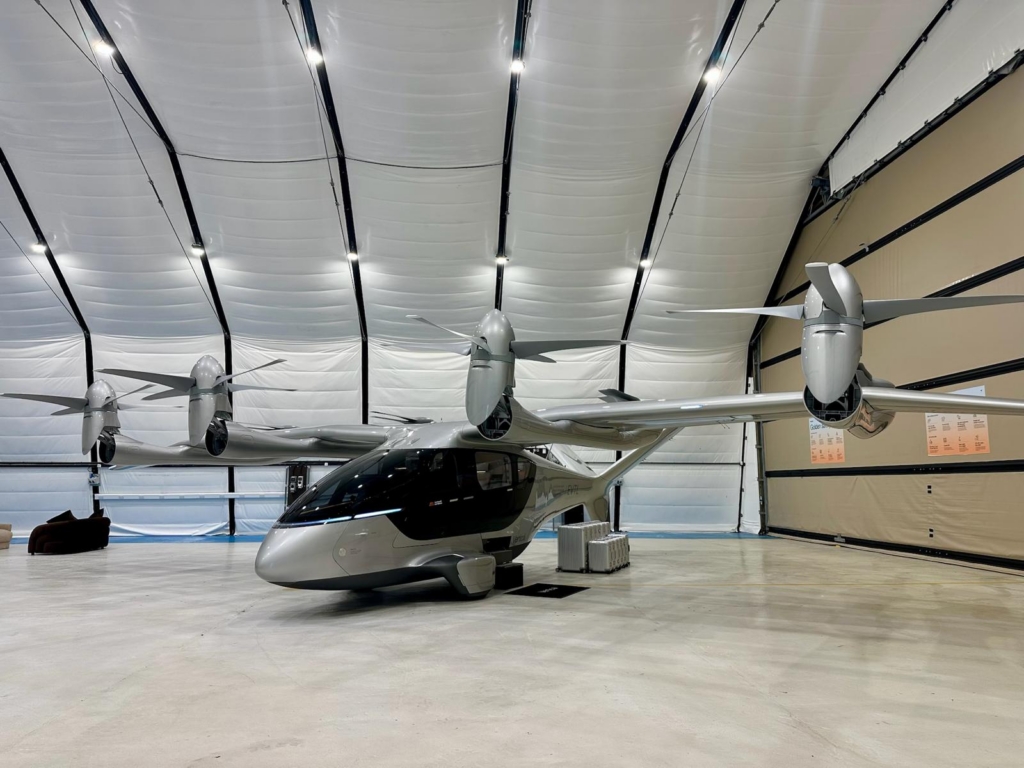
Visitors watched Vertical’s prototype fly before touring the refurbished hangar. The demonstration showed the results of years of engineering work: vertical take-off, wingborne flight and a return to the hover. Inside, the discussion turned to what comes next, including the people, suppliers and production capacity needed to manufacture aircraft repeatedly.
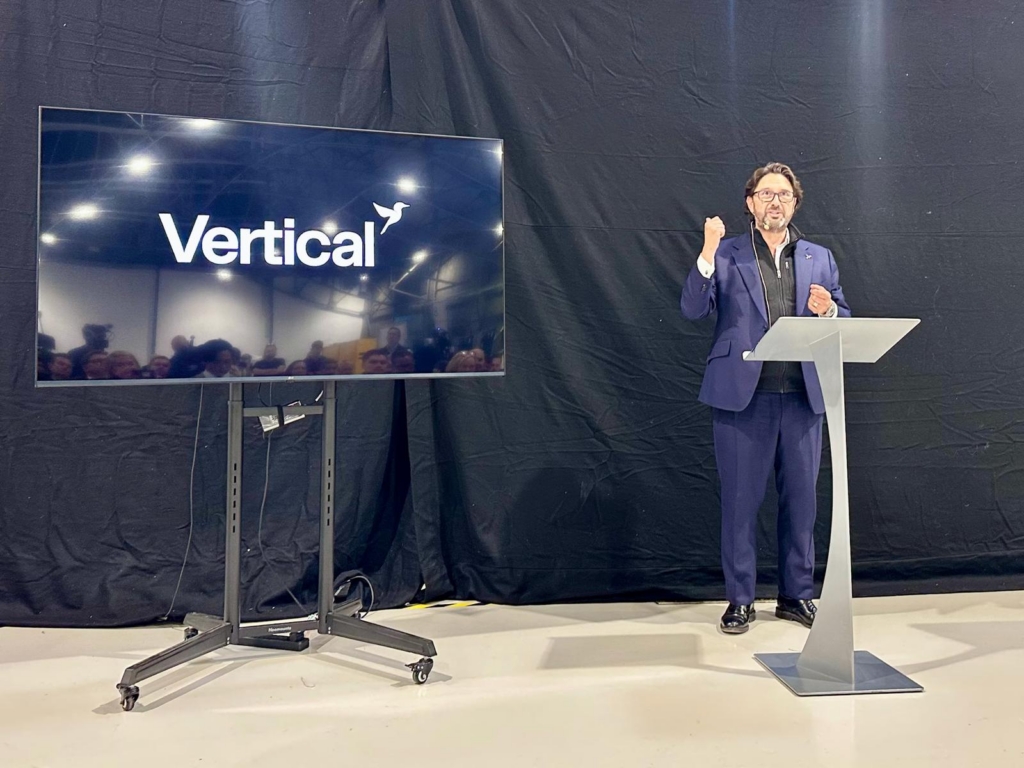
“This is the moment you pivot from that to manufacturing,” chief executive Stuart Simpson told guests. “The next step for this company is certification, industrialisation, and that means building aircraft.”
A historic hangar returns to aircraft production
The £1.5 million refurbishment adds 60,000 sq ft of assembly and operational space, taking Vertical’s total footprint at Cotswold Airport to approximately 130,000 sq ft.
Its setting provides a connection between the UK’s aviation heritage and the industry Vertical hopes to establish.
“The team have done an amazing, amazing job on taking an 80-plus-year-old building used in the Second World War,” Simpson said. “It was then the home of the Red Arrows, and they’ve refurbished it into something that we are incredibly proud to be working on.”
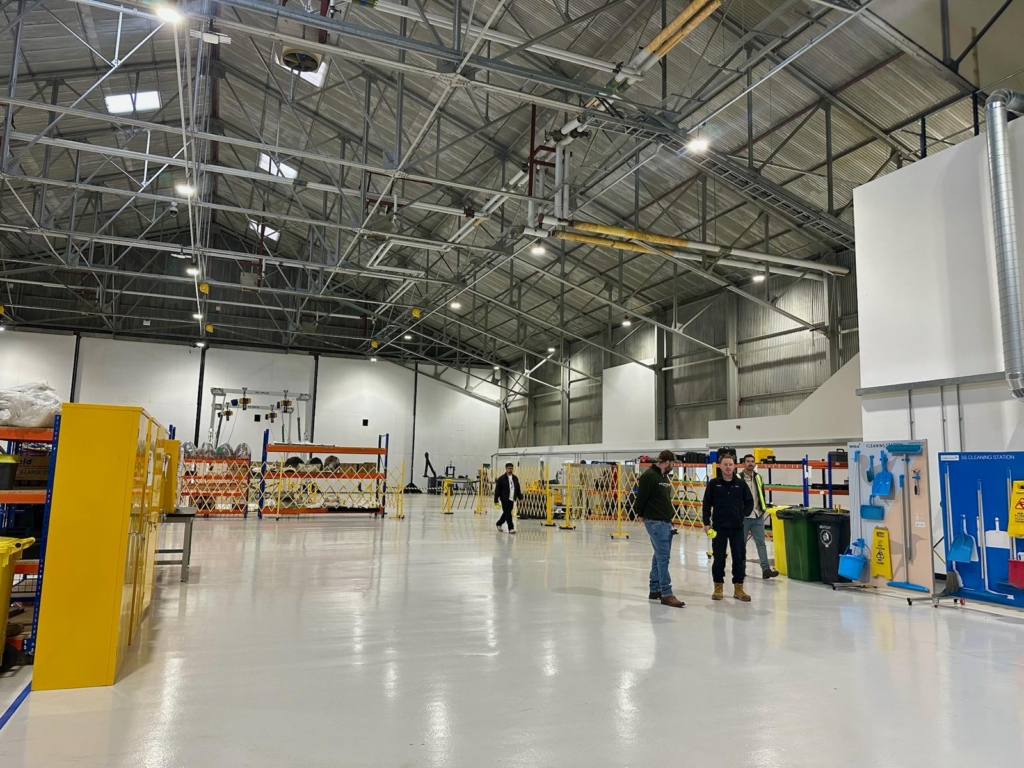
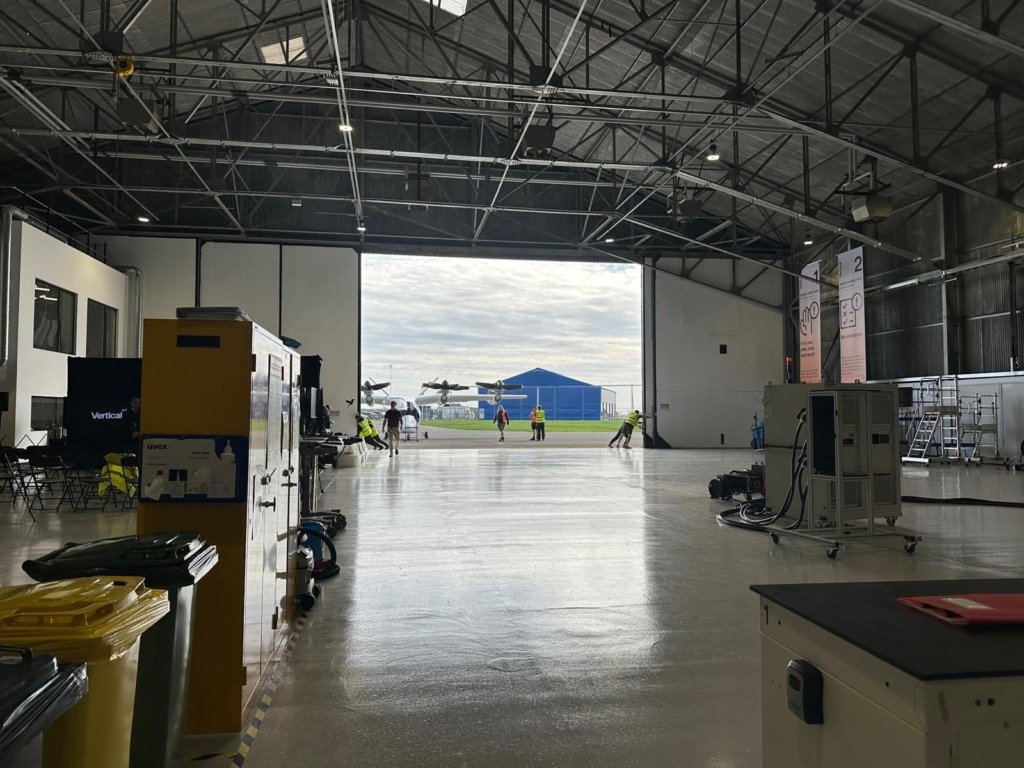
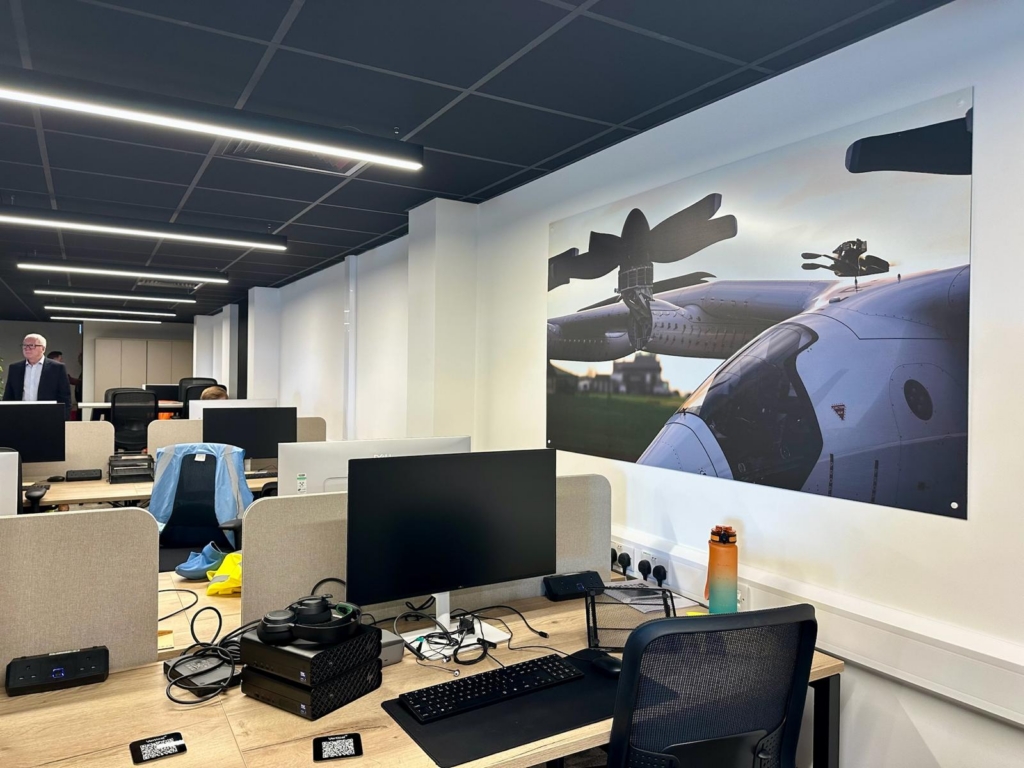
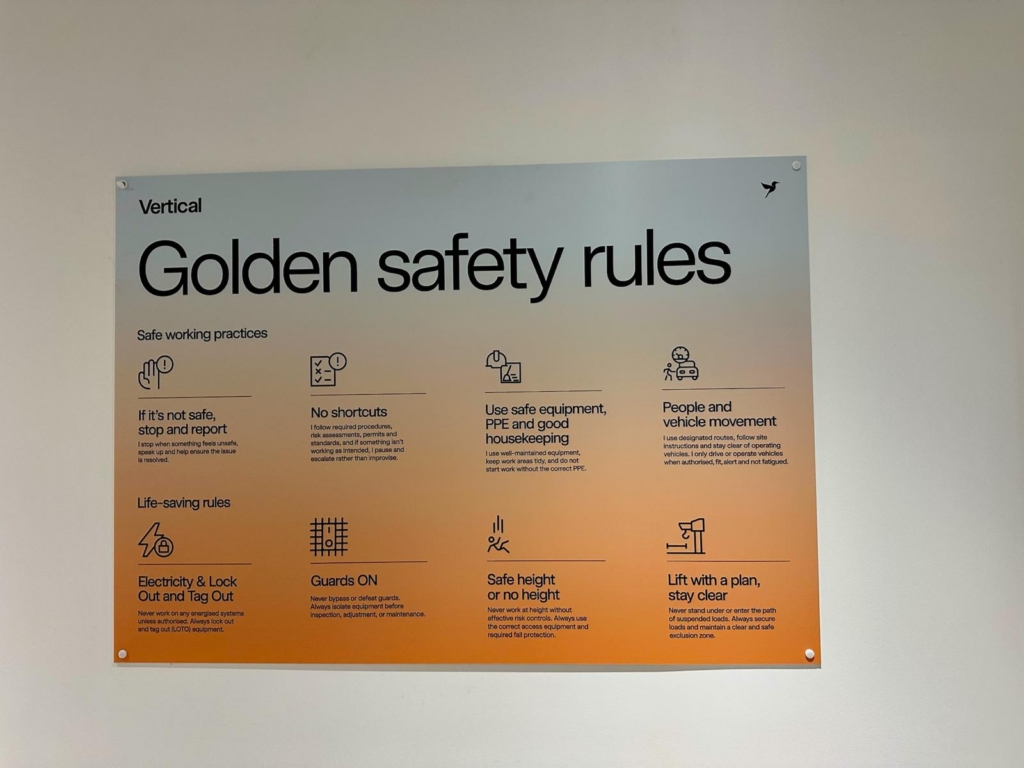
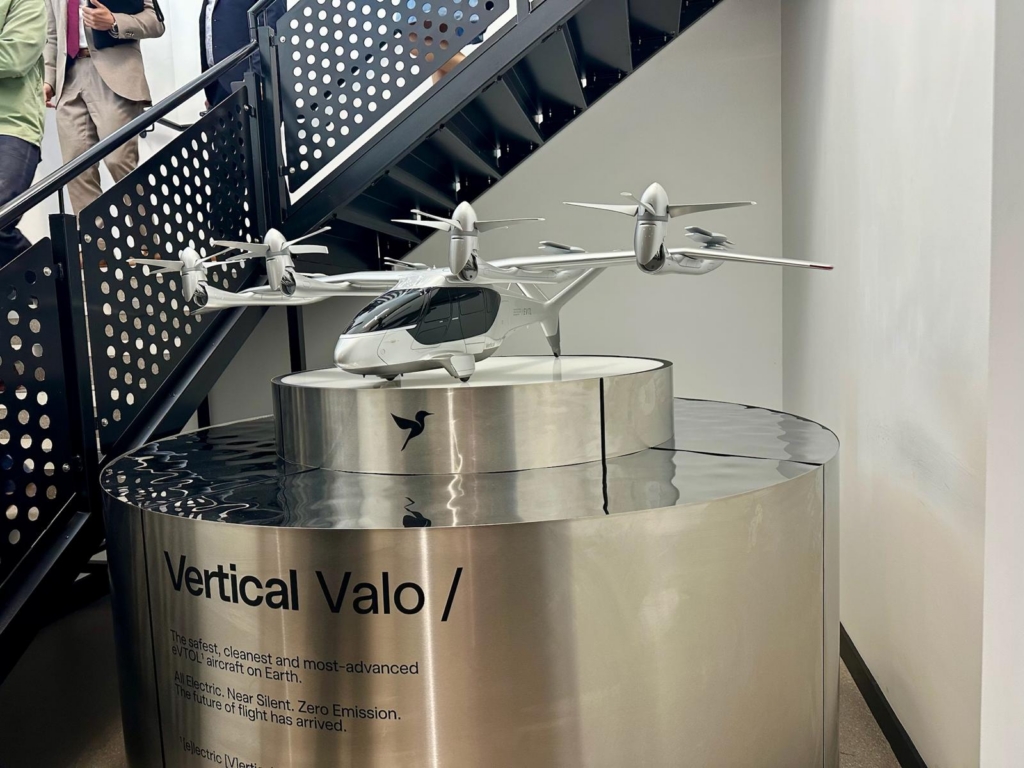
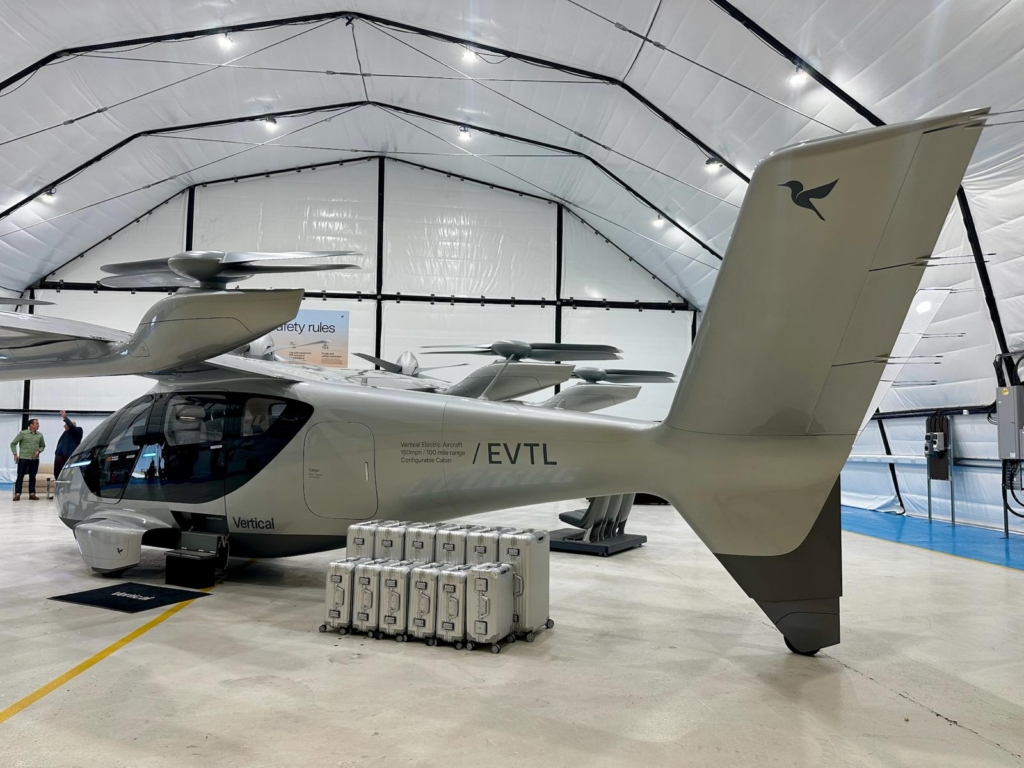
Inside, marked working areas and safety rules reflect the transition taking place. The prototype returned to the hangar during the tour, bringing flight testing alongside the space where Vertical will assemble its next generation of aircraft.
The company plans to begin building its first certification-conforming Valo in the fourth quarter of 2027, with flight testing starting in 2028 and type certification targeted for 2029. Seven aircraft will support that programme: five flying aircraft and two for structural testing.
Turning Bristol’s engineering strength into UK manufacturing
For Kerry McCarthy, MP for Bristol East, the centre’s opening demonstrated how the region’s engineering expertise can develop into a wider industrial opportunity.
Vertical has roughly 360 engineers based in Bristol, according to Simpson. He pointed to the surrounding aerospace cluster and the businesses helping the company develop its aircraft.
McCarthy, who has visited Vertical’s headquarters and tried its simulator, said the programme drew strength from the research, technology and industrial capabilities around it.
“We’ve got all these hubs with all this innovation that comes out of the university, all these people with fantastic ideas, but you need the government support,” she said. “You need Make UK. You need the support of the combined authority.”
That combination matters as Vertical moves towards a stage requiring suppliers, manufacturing processes and a trained workforce capable of supporting commercial deliveries.
“It’s just so exciting to have seen that come together over the last five years or so, and get to the point where they are literally taking off,” McCarthy said.
She also had a request for the company as it considers its future footprint.
“Please don’t ever leave Bristol in terms of your headquarters.”
More than 2,000 jobs, with a larger factory to follow
The new centre is expected to assemble more than 25 Valos annually during early production. Simpson said a third shift could increase that to around 37 aircraft.
The longer-term ambition is considerably larger: a separate facility capable of producing up to 1,000 aircraft a year, alongside a battery gigafactory at another location. Vertical expects to announce its full-scale production plans later this year.
Independent analysis by Frontier Economics estimates that the company could support more than 2,000 high-value UK jobs and contribute £3 billion annually to the economy by 2035. Those are projections dependent on the programme’s development and commercial success, rather than jobs being created immediately by the Kemble opening.
The workforce challenge was raised during the tour. Vertical currently has around 20 technicians, many of whom have spent roughly five years building its successive prototypes. Their experience spans the changing requirements of individual development aircraft.
Higher-volume manufacturing will require a different approach. The production team explained that Vertical has assessed future staffing requirements and will develop recruitment plans around the location of its larger facility. Greater use of subassemblies and repeatable processes will also change the skills required.
Jim Davison of Make UK, which Vertical is joining, said opening manufacturing sites to visitors helps demonstrate the careers available in the sector.
“The more that we can celebrate amazing businesses like we are today at Vertical Aerospace, the stronger that movement is going to get,” he said.
An aircraft programme with a wider supply chain
The potential UK benefit extends beyond final assembly.
Valo will combine Evolito electric propulsion units with Vertical’s proprietary batteries, Sonaca airframe structures and Honeywell flight-control and aircraft-management systems. The programme connects UK engineering and manufacturing with an international aerospace supply chain.
Vertical’s expanded Energy Centre, due to open later this year, is expected to triple its battery-production capacity over time. Keeping battery development, aircraft engineering, assembly and flight testing closely connected gives the company opportunities to feed practical experience back into its designs and manufacturing methods.
The government has also been considering support for the larger industrial footprint. In August, Vertical reported advanced discussions over up to £10 million towards future production facilities, alongside a non-binding agreement with UK Export Finance covering potential export-linked and customer financing support.
Minister for Reindustrialisation Blair McDougall said the Kemble investment reflected the kind of activity the government wanted to encourage.
“This new facility will help turn British innovation into British manufacturing, and it’s great to see Vertical Aerospace’s ambitions take flight,” he said.
Building towards an export market
Frontier Economics’ analysis anticipates that 90% of Vertical’s future sales could come from overseas, giving the programme potential significance as a UK export business.
McCarthy pointed to island communities and countries such as Indonesia and Japan as examples of where aircraft offering direct connections could find demand.
“This isn’t something you’re going to struggle to sell to people,” she said. “This is something there’s very definitely a need [for].”
Converting that interest into deliveries will require certification, production investment and further financing. On 24 September, Vertical appointed Jefferies to explore potential financial and strategic partnerships to support its next phase, while saying its certification programme would continue throughout the review.
At Kemble, that next phase starts with a single certification aircraft. In a hangar that has already served generations of UK aviation, Vertical will begin establishing the processes that could eventually employ thousands of people and put a new British-designed aircraft into service around the world.
Sign up for our newsletter and get our latest content in your inbox.
Similar Reads