UK firm MARSS wins £370m Kuwait counter-drone contract, creating 100 jobs



A UK defence company has secured a £370 million contract to build a nationwide counter-drone defence network for Kuwait, using artificial intelligence to detect and counter threats from the air and sea while creating around 100 skilled jobs in the UK.
MARSS Systems will supply and integrate the system around its NiDAR command and control platform, bringing together radars, electro-optical sensors, sonar, electronic jammers and interceptors to protect Kuwait’s critical infrastructure and national assets.
The contract, announced by the Ministry of Defence on 9 October, forms part of the UK government’s Taskforce Sabre initiative, which brings together government and industry to accelerate the delivery of defence equipment to Gulf partners facing missile and drone threats.
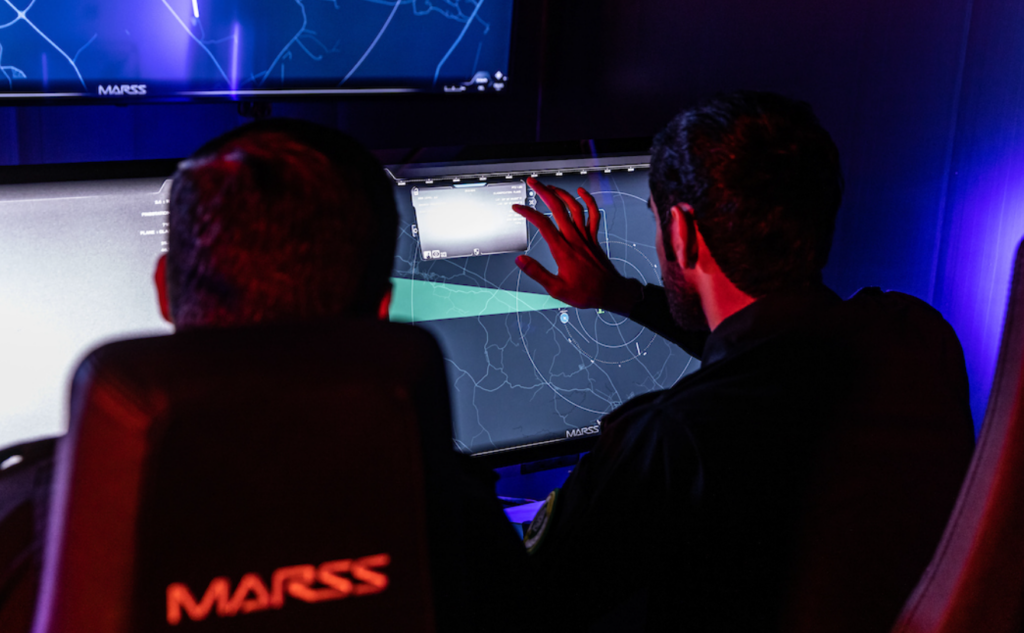
MARSS, which is part of Australian defence technology group Electro Optic Systems (EOS), will act as prime contractor and systems integrator. The company expects to complete the phased deployment over 24 months, followed by a multi-year support programme.
The agreement will support around 100 jobs across MARSS and its UK supply chain, primarily in engineering and manufacturing. Some production is proposed for Bristol, while the company plans to expand its UK offices and deploy personnel to Kuwait.
Minister for Defence Readiness and Industry Luke Pollard said the agreement demonstrated the UK’s commitment to supporting its regional partners.
“This deal is a clear demonstration of the UK delivering on its promise to support our regional partners.
“By backing Kuwait with world-leading British technology, we’re not just strengthening a vital ally’s defences against real and growing threats. We’re creating skilled jobs here at home and proving that UK industry can deliver when it matters most,” Pollard said.
AI system to link sensors and weapons across Kuwait
The centrepiece of the contract is NiDAR, MARSS’ AI-enabled command and control system, which will connect surveillance equipment and defensive weapons across multiple locations.
Radar, electro-optical and sonar sensors installed at different sites will feed information to central command centres, where NiDAR will combine the data into a common operational picture.
The network is designed to detect and classify aerial drones and coastal seaborne threats, allowing operators to monitor activity across a wide area rather than relying on individual, independently operated sensors.
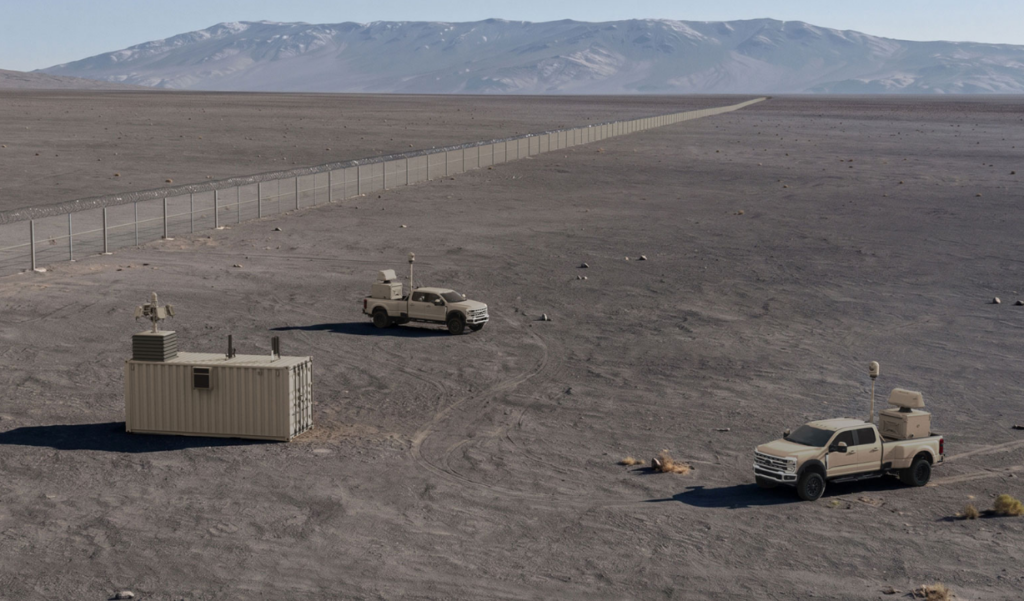
The company describes the proposed arrangement as a cellular network, with distributed surveillance and defensive equipment linked through the central command system.
NiDAR uses AI to classify potential threats, alert operators and recommend appropriate responses. Depending on the threat, operators will have access to both soft-kill and hard-kill measures.
Soft-kill systems, such as electronic jammers, seek to disrupt a drone’s operation without physically destroying it. Hard-kill interceptors are designed to defeat the incoming threat directly.
MARSS says combining these options in a single system will reduce the time between detection and engagement while easing the workload on personnel managing multiple threats.
The NiDAR Command platform is also designed for broader surveillance tasks, including monitoring fast-moving small craft, divers and mini-submarines. According to MARSS, it can track more than 1,000 objects in real time, including friendly forces and protected assets.
Its interface brings together live video, tracking information and automated alerts. Operators can establish protected zones and receive warnings when an object enters a designated area.
Johannes Pinl, chief executive of MARSS, said the growing drone threat required more than a collection of individual defensive systems.
“Countering drones and aerial threats is not about any single system. It is about an intelligent, layered architecture that detects, decides and defeats within seconds, and MARSS has built exactly that.
“Over the coming 24 months, MARSS will integrate the sensors and effectors that protect Kuwait’s people, critical infrastructure and national assets, backed by British engineering and new skilled jobs here in the UK,” Pinl said.
UK defence exports respond to changing Gulf threats
The Kuwait contract comes as governments across the Middle East reassess their air defences following missile and drone attacks in the region.
Low-cost drones present a particular challenge because traditional air defence systems may rely on interceptor missiles that cost considerably more than the threats they are designed to destroy.

The MARSS network is intended to address that problem by combining surveillance, automated threat assessment and different defensive options, enabling operators to choose an appropriate response.
EOS chief executive Dr Andreas Schwer said the widespread use of drones was changing how countries approached air defence.
“Air defence is being redefined by the drone. Nations can no longer afford to answer low-cost threats with high-cost interceptors, and they need integrated systems that can respond faster than the threat. MARSS’ NiDAR is the intelligence layer in EOS’ counter-drone strategy, connecting sensors and effectors into a single, scalable architecture. Kuwait’s decision to deploy this capability nationwide shows where the market is heading, and it positions EOS as a leading provider of integrated counter-drone defence, ” Andreas said.
The UK government has linked the agreement to Taskforce Sabre, established to help Gulf states obtain defensive equipment more rapidly in response to regional security threats.
The Ministry of Defence said the initiative followed Iranian missile and drone attacks in the region.
The new contract also builds on UK defence support already provided to Kuwait.
According to the Ministry of Defence, the UK has supplied Rapid Sentry, a ground-based air defence missile system, while the Royal Air Force’s ORCUS counter-drone system is operating in the country to help personnel detect unmanned aircraft and respond to potential threats.
These are separate capabilities from the newly contracted MARSS network.
MARSS said its NiDAR technology had already been deployed elsewhere in the Gulf and used operationally during the recent regional crisis. The Kuwait agreement will extend that approach to a nationwide network.
Bristol production and operator training
The industrial benefits of the agreement will be concentrated in skilled engineering, manufacturing and systems integration.
MARSS expects to recruit additional personnel across its UK operations and supply chain, with some production proposed for Bristol. The company has also begun recruiting for a team that will work in Kuwait.
Alongside installation, MARSS will provide several months of training for Kuwaiti personnel, covering the NiDAR platform, sensors and defensive systems.
Delivery will take place in stages over 24 months, after which a multi-year Integrated Logistic Support programme will support the equipment and its operation.
The contract gives the UK defence industry a substantial export programme in the Gulf at a time when demand for counter-drone technology is increasing. It also expands Kuwait’s planned defensive coverage beyond airborne threats to include unmanned systems approaching from coastal waters.
Sign up for our newsletter and get our latest content in your inbox.
Similar Reads





Sign up for our newsletter. Select all sectors relevant to you.
Related