MI5 warns UK defence businesses to strengthen security


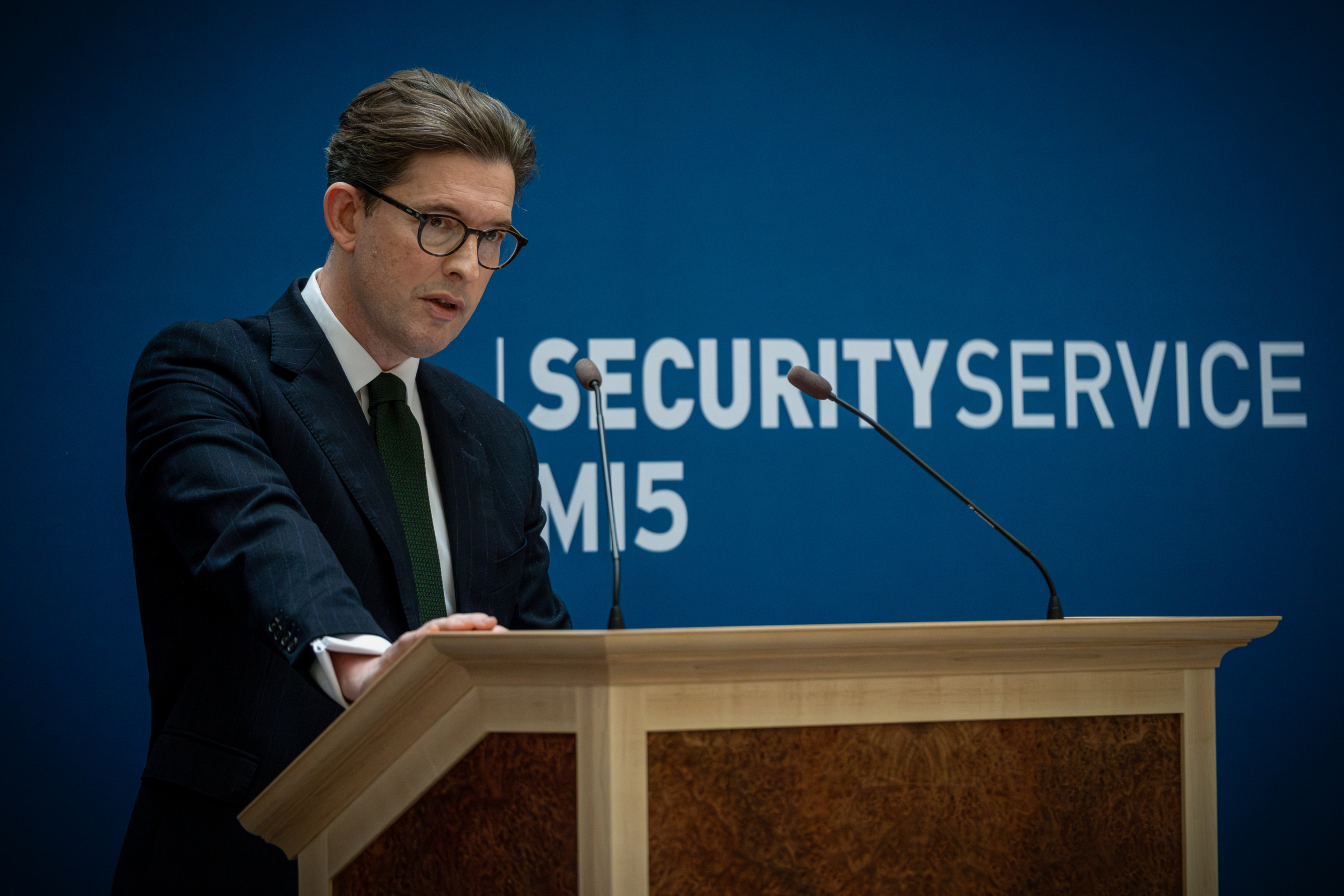
UK defence suppliers should strengthen protections against sabotage, hostile reconnaissance and drone threats, according to Sir Ken McCallum, Director General of MI5, as the intelligence agency devotes more resources to countering state threats than at any point during the Cold War.
In his annual threat update at Thames House, Sir Ken warned that hostile actors are increasingly targeting businesses, critical infrastructure and supply chains as part of a broader campaign of hybrid warfare. MI5’s state-threat caseload has quadrupled over the past decade, he said.
“Much of the time, those who mean the UK harm aren’t attacking things government owns or controls,” he added. “They’re aiming at people, businesses, communities.”
Defence firms urged to act
Sir Ken delivered a direct message to organisations operating in the defence sector.
“The whole aim of hybrid tactics is to try to intimidate us. So let’s not fall into that trap. But we do need to be resilient. If you work on critical national infrastructure or are part of a sector like energy or defence, implement the NPSA and NCSC guidance on sabotage, drones and cyber. The day before, not the morning after.”
And he called on defence suppliers “large or small” to follow official counter-sabotage, hostile reconnaissance and counter-drone guidance.
Russia remains “aggressor number one”
Sir Ken accused the Kremlin of escalating hybrid warfare against the UK and its allies while remaining below the threshold of conventional conflict. And he cited attacks on energy infrastructure, an alleged explosive-drone plot targeting a cargo aircraft in Germany, and a UK case involving the alleged planned sabotage of a drone factory in Swindon.
“With its traditional covert footprint eviscerated by almost 1,000 expulsions since the invasion, the Kremlin’s global toolkit is weak. So we see them scrambling to pay criminals to do their bidding.”
Security threats evolving
Sir Ken warned that financial systems, energy grids, supply chains and manufacturing bases are increasingly vulnerable to disruption and coercion. He highlighted attacks on energy and water infrastructure, as well as arson attacks and violent threats targeting European defence companies
The MI5 chief also highlighted the growing security risks posed by artificial intelligence, revealing that terrorists have been identified seeking to exploit AI to improve reconnaissance and attack methodologies, “with AI-enabled drones adding a new twist”.
He warned that AI also has the potential to “change the stakes on existing or even new bioweapons”, prompting MI5 to launch a new AI Threat Assessment Centre.
For defence businesses, the message was clear: strengthen resilience against sabotage, hostile reconnaissance, cyber threats and drone activity, particularly as hostile states increasingly target businesses, infrastructure and supply chains.
Sign up for our newsletter and get our latest content in your inbox.
Similar Reads



Sign up for our newsletter. Select all sectors relevant to you.
Related