Delta vows to fight Heathrow terminal move that would separate it from Virgin Atlantic

The proposed relocation has sparked opposition from Delta and Virgin Atlantic with concerns that the decision could weaken transatlantic competition.

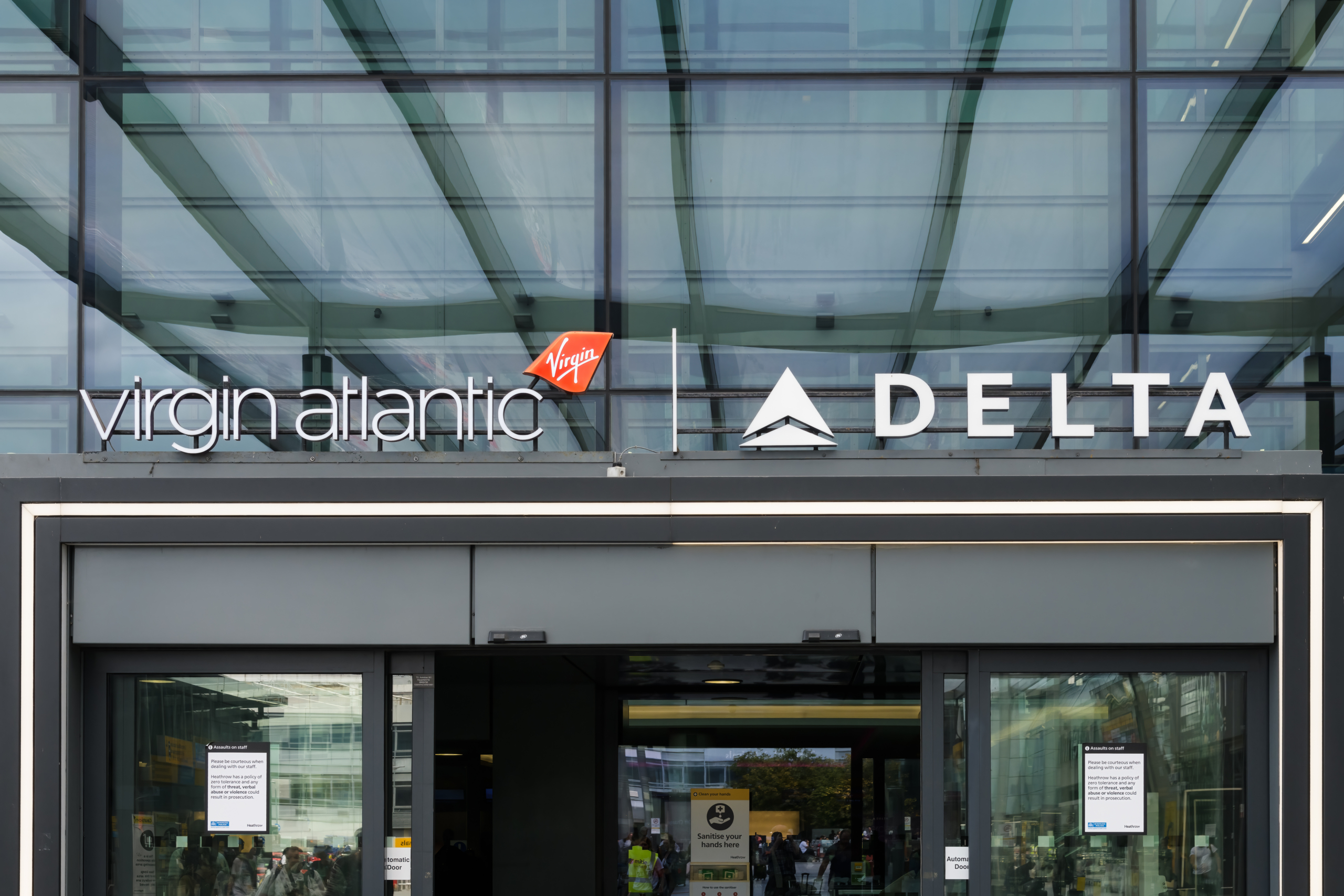
Entrance Terminal 3 LHR
Photo: IanDewarPhotography / stock.adobe.com

Delta Air Lines has vowed to challenge London Heathrow Airport’s decision to relocate its operations from Terminal 3 to Terminal 4 in a move that would separate the US carrier from its long-standing joint venture partner Virgin Atlantic.

The proposed relocation, expected to take place in 2028, has sparked growing opposition from both airlines, with concerns that the decision could disrupt passenger connections, weaken competition and ultimately lead to higher airfares.

Delta chief executive Ed Bastian has now publicly criticised Heathrow’s decision, describing it as “short-sighted, deeply disappointing and bad for airline consumers”. In a statement released on 2 November, Bastian confirmed that Delta would pursue all available remedies to challenge the airport’s plans and urged Heathrow Airport Limited to reconsider.

The two airlines have operated alongside one another at Terminal 3 for more than a decade, providing passengers with convenient connections, shared facilities and access to an extensive transatlantic network. Delta also owns a 49% stake in Virgin Atlantic, with the two carriers working closely together through their joint venture, which coordinates schedules, routes and commercial activities.

Bastian warned that separating their operations would undermine years of investment and damage the integrated customer experience the airlines have developed.

Passengers could face longer connections

One of the biggest concerns surrounding the proposed move is the potential impact on passengers connecting between Delta and Virgin Atlantic flights.

Currently, both airlines operate from Terminal 3, making it easier for travellers to transfer between services. Moving Delta to Terminal 4 would mean passengers connecting between the two carriers would need to change terminals. Although Heathrow provides inter-terminal transfer services, the additional journey and security procedures could make connections less convenient.
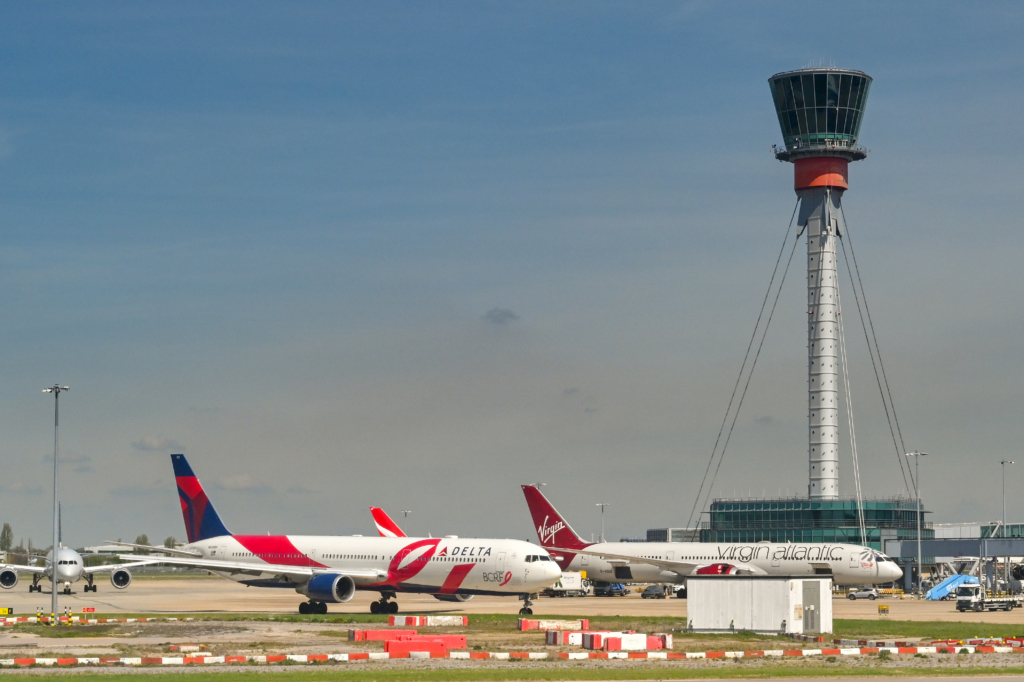
London Heathrow
Photo: Cerib / stock.adobe.com

Virgin Atlantic chief executive Corneel Koster has previously warned that the move would create friction for customers, reduce passenger choice and weaken competition across the Atlantic.

Both airlines argue that their partnership provides an important alternative to the transatlantic joint venture between British Airways and American Airlines. They believe separating their operations could undermine that competitive position, potentially affecting fares and the choice of services available to travellers.

Heathrow defends its decision

Heathrow says its decision follows a three-year review of terminal occupancy and is designed to make better use of limited airport capacity. The airport has argued that reallocating airlines between terminals will help reduce congestion, improve passenger flows, strengthen operational resilience and create additional room for growth.

Delta is not the only airline affected by the reshuffle. Finnair and Japan Airlines are also expected to move from Terminal 3 to Terminal 4, while LATAM Airlines will relocate from Terminal 3 to Terminal 2. China Southern Airlines is scheduled to move from Terminal 4 to Terminal 5. British Airways, meanwhile, will remain at Terminal 5, while Virgin Atlantic will remain in Terminal 3.
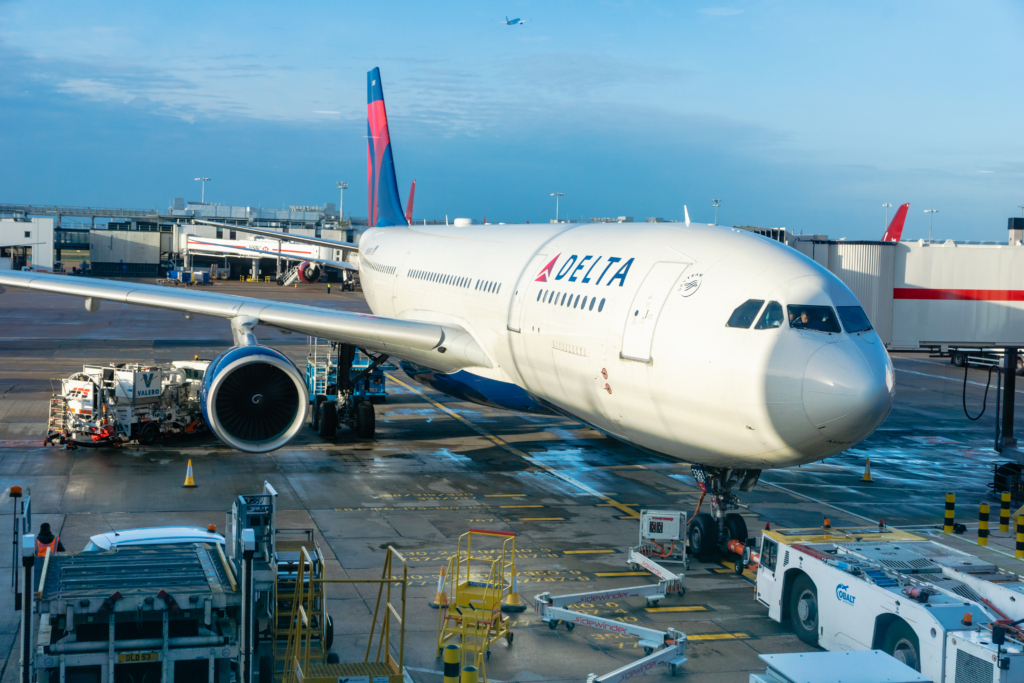
Delta A330 at LHR
Photo: Marius Karp / stock.adobe.com

Heathrow has said airlines representing approximately 81% of its passenger traffic supported the outcome of the review. The airport maintains that its plans will improve the overall passenger experience while helping to manage growing demand at Britain’s busiest airport.

Battle over Heathrow’s future

The disagreement highlights the growing tensions surrounding capacity and competition at Heathrow, particularly as the airport considers longer-term expansion plans. For Delta and Virgin Atlantic, however, the immediate priority is preventing the separation of their operations.

Virgin Atlantic has already indicated that it is considering all available options to challenge Heathrow’s decision, potentially including legal action or a regulatory complaint. Delta’s latest intervention adds significant weight to that opposition, making clear that the American carrier is prepared to fight the proposed relocation.

With the move not expected until 2028, there is still time for discussions between the airlines and Heathrow to take place. However, unless the airport changes its position, the long-established partnership between Delta and Virgin Atlantic could face one of its biggest operational challenges since the airlines began working together.

For passengers travelling between the UK and North America, the outcome could have important implications for convenience, competition and the future of transatlantic air travel.

Related

RAF Chinooks deploy aboard Queen Elizabeth for maritime training drill
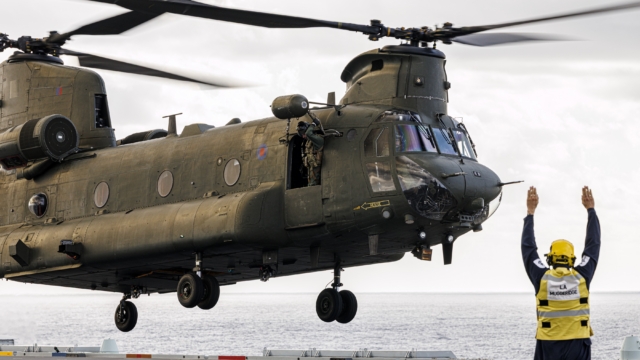
An RAF-operated Chinook HC6A (serial ZH896) lifts off from the flight deck of HMS Queen Elizabeth (R08) during Exercise Hathi Pol on 20 October 2026. Image: MOD Crown Copyright/Royal Air Force
RAF Chinooks deploy aboard Queen Elizabeth for maritime training drill
RAF Chinooks have embarked aboard HMS Queen Elizabeth, testing the UK’s heavy-lift tactical transport capabilities in a maritime environment during Exercise Hathi Pol.
Aerospace Defence

3 Nov 2026

QinetiQ to support Government’s tech talent drive
TechFirst
QinetiQ to support Government’s tech talent drive
By providing work experience opportunities and technology programmes, including cyber security, QinetiQ is supporting the UK Government TechFirst initiative, aimed at delivering practical skills and career support for young people.
MOD seeks industry input on next-generation medical evacuation system
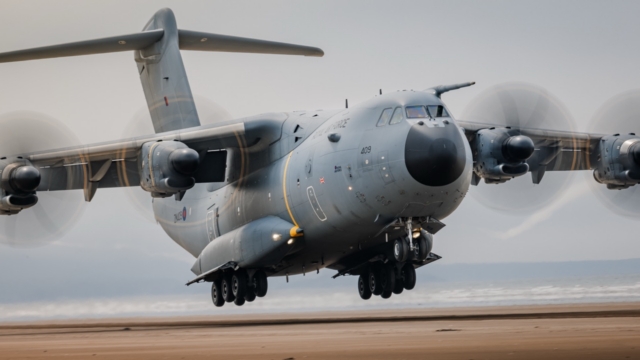
Imagery of the Atlas A400M, seen here operated by crews of LXX & 30 Squadron overseen by an XXIV Squadron instructor, carrying on beach landings over on Pembrey Sands. This was facilitated by Tactical Air Traffic Controllers and Tactical Fire who ensure the beach and activity is completed as intended. Along with conducting touch and go's alongside full stop landings, the aicraft also despatched a pair of RWMIK's driven by 16 Air Assault Brigade as part of an Engine Running Operation or ERO.
MOD seeks industry input on next-generation medical evacuation system
The MOD is looking to modernise the specialist systems used to transport patients with dangerous infectious diseases back to the UK.
Aerospace Defence

2 Nov 2026

Royal International Air Tattoo moves to Boscombe Down in 2027
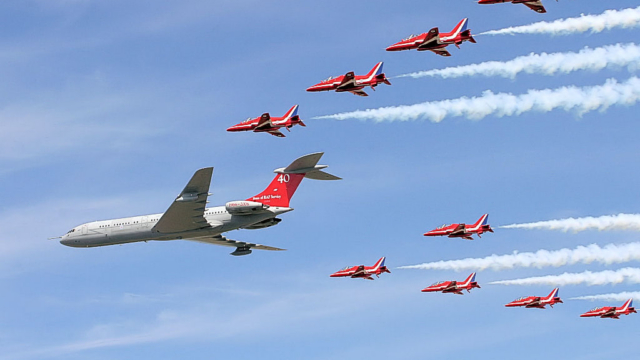
Red Arrows & VC10 - RIAT 2006
Royal International Air Tattoo moves to Boscombe Down in 2027
The Royal International Air Tattoo will move to MOD Boscombe Down in Wiltshire from 2027, ending more than four decades at RAF Fairford.
Defence

4 Nov 2026

KNDS and SeaOwl partner on USV tech integration
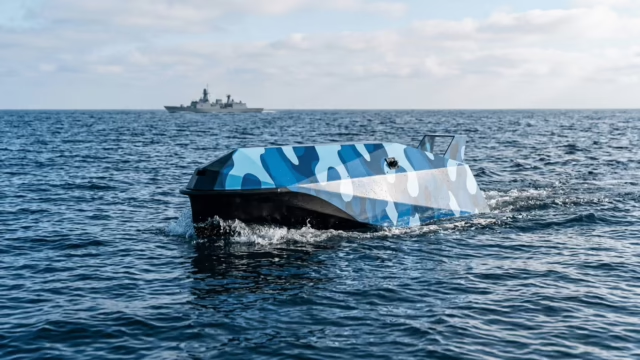
KNDS and Sea Owl partner
KNDS and SeaOwl partner on USV tech integration
The two companies are working on a new unmanned surface vehicle (USV) that integrates their complementary technologies to deliver a robotic maritime platform with extended operational reach, stealth and ballistic capabilities.
Defence Member News

4 Nov 2026

RAF Chinooks deploy aboard Queen Elizabeth for maritime training drill
An RAF-operated Chinook HC6A (serial ZH896) lifts off from the flight deck of HMS Queen Elizabeth (R08) during Exercise Hathi Pol on 20 October 2026. Image: MOD Crown Copyright/Royal Air Force
RAF Chinooks deploy aboard Queen Elizabeth for maritime training drill
RAF Chinooks have embarked aboard HMS Queen Elizabeth, testing the UK’s heavy-lift tactical transport capabilities in a maritime environment during Exercise Hathi Pol.
Aerospace Defence

3 Nov 2026

UK Space Agency launches In-Orbit Manufacturing research competition
View_of_Harwell_campus_in_the_UK_article
UK Space Agency launches In-Orbit Manufacturing research competition
A new competition launched by the UK Space Agency (UKSA) seeks projects that will underpin the research, development and maturation of an In-Orbit Manufacturing process and associated payload.
Events Space

4 Nov 2026

QinetiQ to support Government’s tech talent drive
TechFirst
QinetiQ to support Government’s tech talent drive
By providing work experience opportunities and technology programmes, including cyber security, QinetiQ is supporting the UK Government TechFirst initiative, aimed at delivering practical skills and career support for young people.
Space cybersecurity starts on the ground: The hidden risks in satellite supply chains
headshot for Benny Czarny Opswat CEO
Space cybersecurity starts on the ground: The hidden risks in satellite supply chains
Compromised suppliers, unchecked files and insecure updates can threaten satellites before they reach orbit. OPSWAT founder and CEO Benny Czarny explains why prevention must start on the ground
Insights Security Space

31 Oct 2026

UK SMEs offered 75% discount on Cyber Essentials certification under new scheme
CyberFirst Advanced at Lancaster University
UK SMEs offered 75% discount on Cyber Essentials certification under new scheme
The UK government has announced a new £2.4m fund which aims to make essential cyber security certification more affordable for British SMEs.
Security

4 Nov 2026

Supermarket cyberattacks expose wider UK security gaps as AI threat grows
Empty supermarket aisle with freezers showcases with different products
Supermarket cyberattacks expose wider UK security gaps as AI threat grows
Attacks on supermarket refrigeration networks have reached the UK supply chain, highlighting how vulnerabilities in operational technology could threaten businesses, public services and critical infrastructure.
Security

4 Nov 2026

NCSC says AI-powered attack on UK critical infrastructure likely by 2028
Futuristic Hand Reaching for AI Technology Interface Representing Artificial Intelligence and Data Management in a Digital World. Glyphic
NCSC says AI-powered attack on UK critical infrastructure likely by 2028
The NCSC warns the UK could face AI-powered cyber attacks on critical national infrastructure by 2028, prompting fresh warnings over national security and defence.
Defence Security

3 Nov 2026