RAF Poseidons bolster NATO’s submarine-hunting abilities during Baltic drill

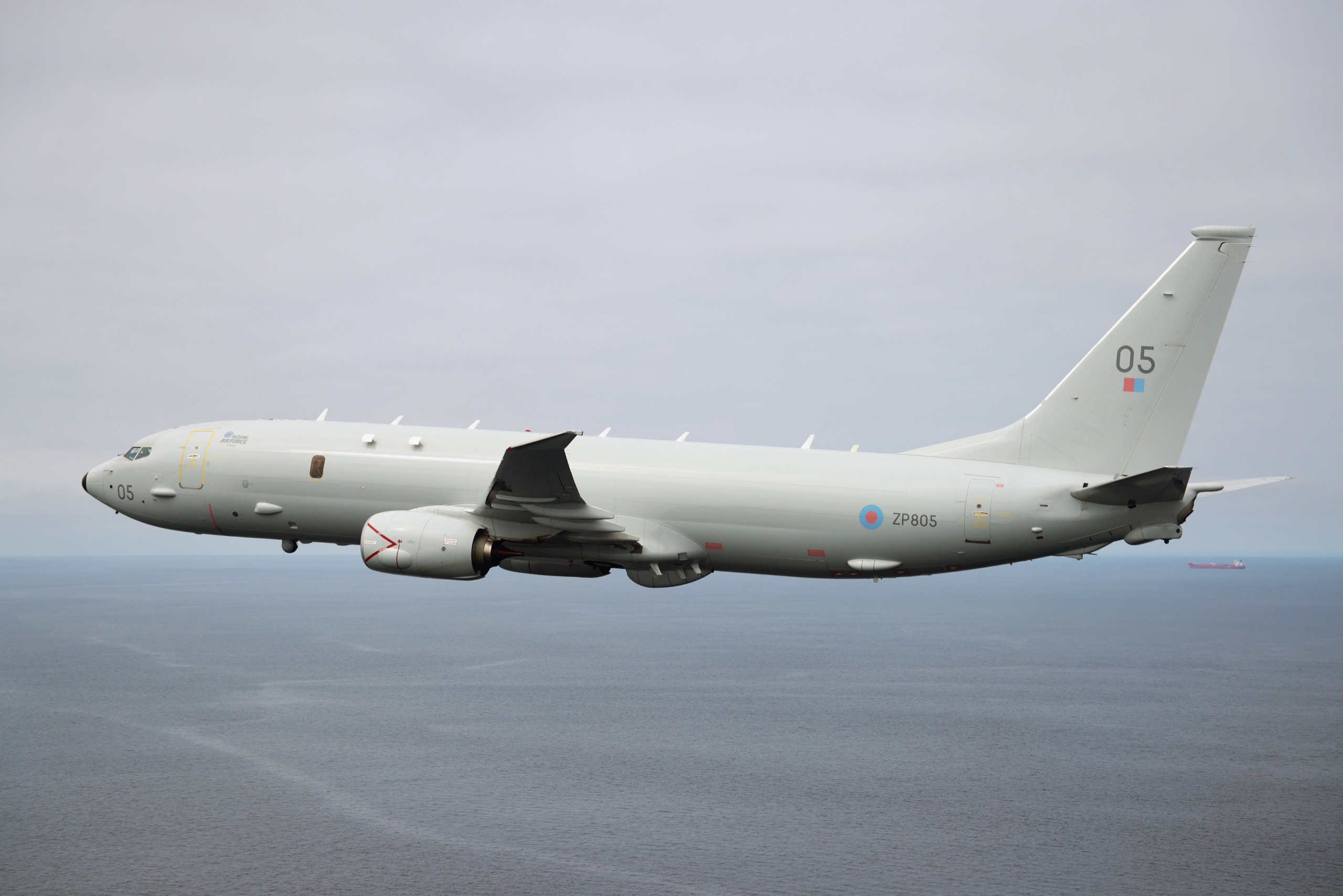
Royal Air Force (RAF)-operated P-8A Poseidon MRA1 maritime patrol aircraft (MPA) have played a key role in strengthening NATO’s anti-submarine warfare (ASW) capabilities during Exercise Dynamic Merlin, supporting the alliance’s efforts to detect, track and deter underwater threats in the Baltic Sea.
Held off the coast of Sweden from 9-13 November, the drill brought together various warships, submarines, maritime helicopters and MPAs from eight allied nations.
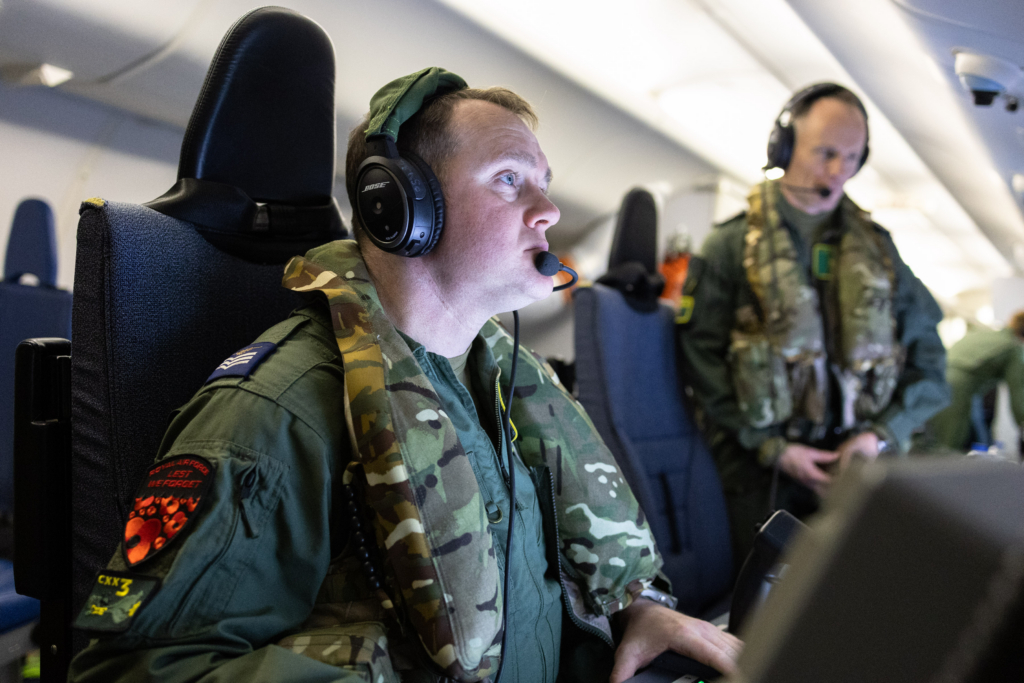
It provided a demanding operational environment in which participating forces could test their ability to identify and respond to hostile submarine activity.
British Poseidon crews operated alongside allied naval forces in realistic training scenarios designed to replicate the complexities of modern maritime (namely ASW) operations, with particular emphasis on protecting critical undersea infrastructure and strengthening NATO’s collective security across Northern Europe.
RAF Poseidons bring an airborne edge to NATO’s submarine hunt
The P-8A Poseidon MRA1 – operated by No 120 Squadron and No 201 Squadron from RAF Lossiemouth in Scotland – is designed to search extensive areas of ocean and identify potential underwater threats. Combining its advanced APY-10 multi-mission surface search radar, acoustic sensors and communications systems, the MPA is an important airborne component of NATO’s wider ASW capability.
During Dynamic Merlin, RAF Poseidon crews worked closely with allied surface ships, submarines and helicopters, practicing the detection, monitoring and tracking of underwater threats while sharing relevant information across multinational forces in the region.
The aircraft’s ability to coordinate with assets operating both above and below the surface is particularly important in ASW operations, where identifying and maintaining awareness of submarine activity requires close coordination between different military platforms.

The drill also provided an opportunity for the RAF Poseidon force to train against German and Swedish submarines, which acted as realistic opposition forces, challenging RAF and allied crews to apply their detection and tracking skills in the demanding operational setting of the Baltic Sea.
The officer commanding the RAF’s Poseidon-equipped No 120 Squadron – whose name has been withheld for operational security (OPSEC) reasons – said: “Dynamic Merlin provided an outstanding opportunity to train alongside our NATO partners in a challenging and demanding environment…
“[ASW] relies on close cooperation between forces operating in the air, on the surface and beneath the sea. Exercises such as this allow us to develop those relationships, improve interoperability and ensure we remain ready to respond to emerging threats wherever they arise.”
Dynamic Merlin: Eight nations, one shared maritime mission
Dynamic Merlin brought together MPAs from the UK, France, Germany and Sweden, alongside ships from Standing NATO Maritime Group 1 and other participating allied nations. The multinational activity was designed to improve coordination between air and naval forces, ensuring personnel can operate effectively together during potential maritime security crises.
The Baltic Sea represents an important strategic operating environment for NATO, with key shipping routes and critical underwater infrastructure, including communications and energy networks, forming an essential part of regional security in Northern Europe.
A British P8 maritime ISR/subhunter aircraft spent about 4 hours today doing tracks above 458m deep Landsorts-abyss, just outside Stockholm. It is a convenient spot to hide a submarine and also close to key naval installations. https://t.co/2zUVdFRJLP
— auonsson (@auonsson) November 11, 2026
The ability to monitor activity beneath the water and respond to potential submarine threats is therefore an increasingly important element of the alliance’s collective defence posture.
By bringing together aircraft, warships and submarines, Dynamic Merlin demonstrated how NATO can combine the capabilities of multiple nations to establish a more comprehensive understanding of the underwater operating environment.
Interoperability key to deterring underwater threats in Northern Europe
Beyond developing individual platform capabilities, the drill reinforced the importance of information-sharing, coordinated decision-making and interoperability between allied forces within NATO. The RAF’s participation also demonstrated the continuing contribution of its Poseidon MRA1 fleet to NATO maritime operations and the UK’s commitment to collective security across Northern Europe.
The RAF said Dynamic Merlin demonstrated the alliance’s commitment to collective defence, bringing together highly capable forces to deter aggression and protect critical maritime infrastructure.
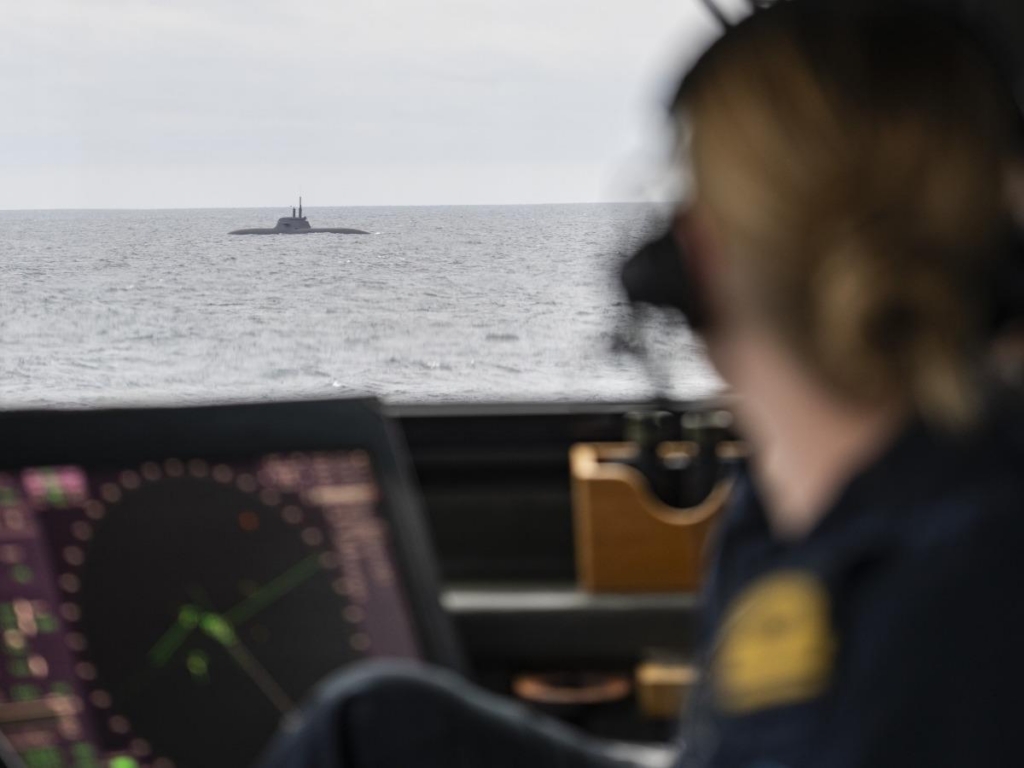
As underwater security challenges continue to evolve, exercises like Dynamic Merlin provide an important opportunity to maintain operational readiness, strengthen international partnerships and ensure NATO can respond effectively to emerging threats.
The participation of British Poseidon crews underlines the platform’s importance within this framework, providing the surveillance, detection and coordination capabilities needed to support allied forces in increasingly complex maritime environments.
Sign up for our newsletter and get our latest content in your inbox.
Similar Reads




Sign up for our newsletter. Select all sectors relevant to you.
Related