Army chief warns Britons must accept “sacrifices” to strengthen UK defence

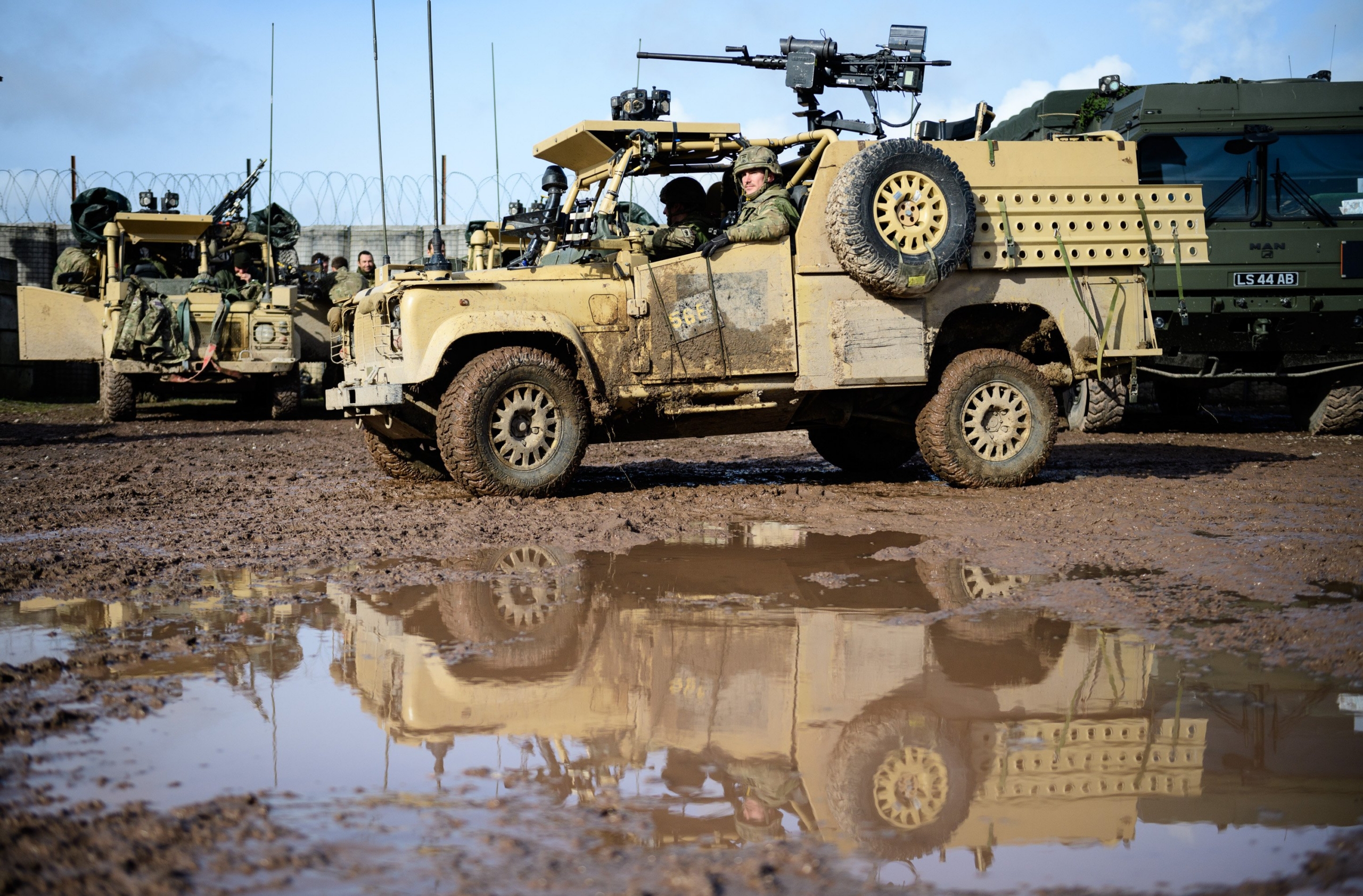
The head of the army has warned that politicians will soon need to have a “frank conversation” with the public about growing security risks, arguing that Britons must be prepared to make sacrifices and play a greater role in national defence.
General Sir Roly Walker, Chief of the General Staff, believes the public needs a clearer understanding of the security risks facing the country and the measures required to strengthen its response to a potential conflict.
Speaking to around 700 soldiers at Catterick Garrison in North Yorkshire, he said: “There was a time that our nation didn’t want to think of a time when it would need its soldiers to fight in a war.
“Indeed, very soon, the political leaders of this country will start to have a frank conversation with the citizens of this country about just what is going on and where the risk lies.
“They are going to try and explain to our citizens that our citizens have got to consent to sacrifices to prioritise defence and security.
“And then they are going to ask those citizens, for whom we are not necessarily at the front of their mind, that they too need to play a part in the defence and security of this country.
“They need to understand what we do for them. They need to consent to allow us to do that. Which means sacrifices by them.”
His comments suggest that political leaders must explain why strengthening national security could require greater investment and difficult decisions about public spending.
Growing concerns over Britain’s defence readiness
As reported by The Independent, Walker’s warning comes amid continuing concern about Russia and the wider security challenges facing Britain and its allies.
The army chief indicated that the country must reconsider its approach to defence after years in which the possibility of British involvement in a major conflict received less public attention.
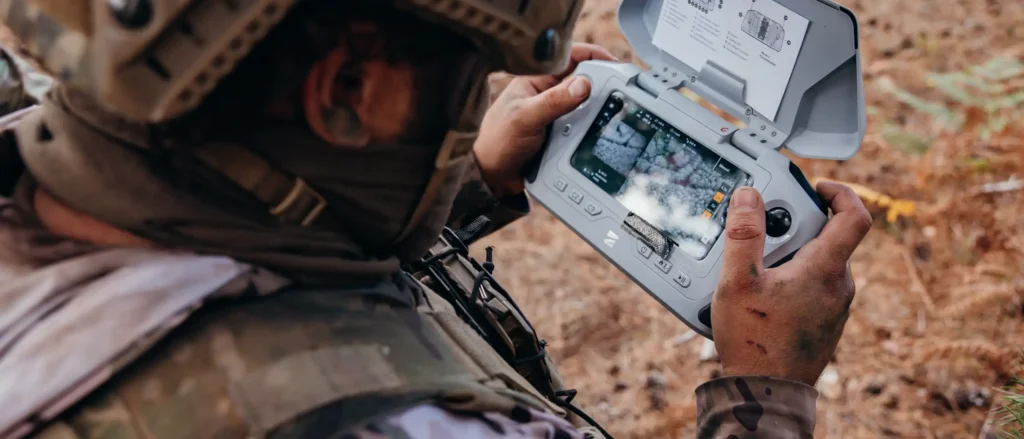
His remarks reflect growing recognition among defence officials that readiness involves more than military strength. Public awareness, cooperation between government and industry, and the ability to withstand disruption are also important to national resilience.
Defence spending under pressure
The warning comes as ministers face pressure to ensure that defence ambitions are backed by sufficient funding. Chancellor John Healey is under pressure to address a reported £5 billion shortfall in planned defence spending ahead of the Budget. Meanwhile, the Conservatives have called for defence expenditure to reach three per cent of gross domestic product by 2030.
These demands highlight the challenge of strengthening the armed forces while managing competing pressures on public finances.
Walker’s comments underline the importancem of explaining these choices to taxpayers. Greater defence investment could require the government to reconsider how resources are divided between national security and other public priorities.
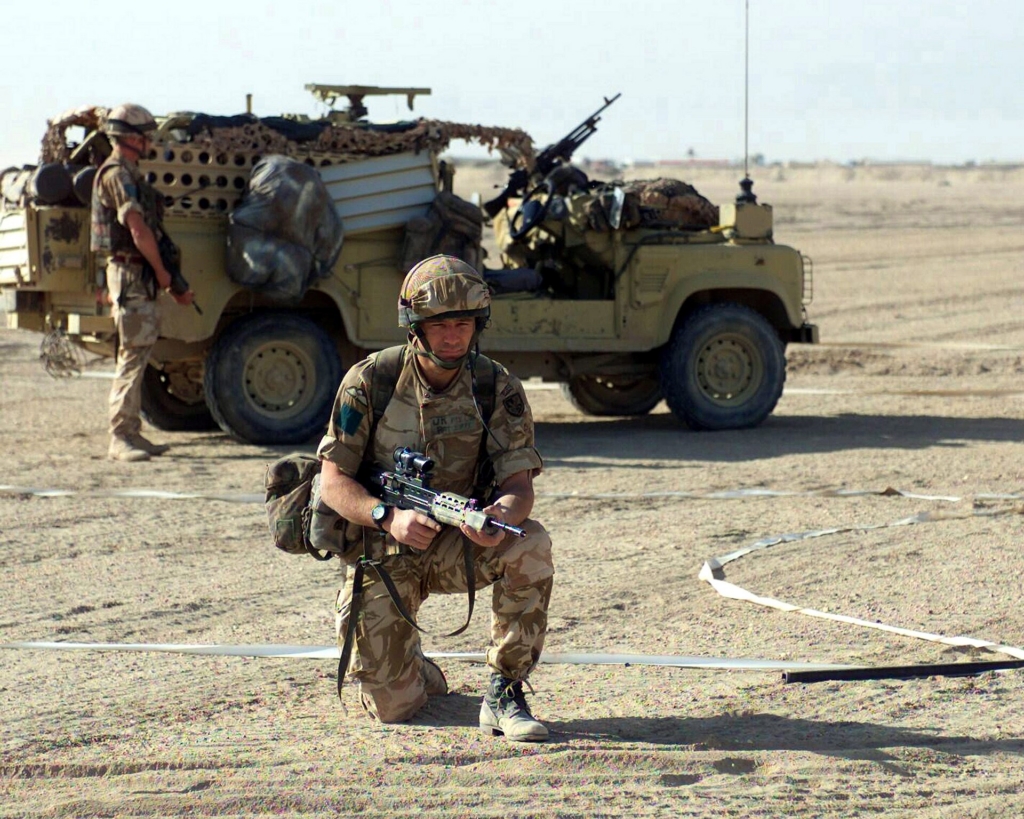
Addressing troops at Catterick, Walker highlighted the responsibility carried by army personnel, particularly younger soldiers who could find themselves at the centre of a future military operation. He emphasised that the army would depend on its personnel if Britain were required to defend itself in a conflict.
However, he also stressed the importance of support from the wider public. Military readiness depends not only on soldiers but also on whether the country understands and backs the measures needed to maintain an effective fighting force.
Government calls for greater resilience
A government spokesperson said Britain’s changing security environment made strong alliances and national protection increasingly important. The government maintained that it was pursuing higher defence spending and preparing the armed forces for the demands of modern warfare. It also argued that national resilience requires contributions from government departments, businesses and the public.
The spokesperson pointed to the Home Defence Programme as part of efforts to improve the country’s ability to respond to an unpredictable international environment.
Separately, Defence Secretary Wes Streeting has encouraged households to consider basic emergency preparations, including keeping cash, drinking water and tinned food at home. Such measures have been presented as practical steps towards greater resilience rather than reasons for public alarm.
Public preparedness becomes a priority
The warnings highlight a shift in Britain’s defence debate, with national security increasingly being treated as a shared responsibility. Walker’s central message is that the public must understand the risks facing Britain and the importance of maintaining effective military capabilities.
The government now faces the challenge of explaining how its defence plans will be funded and what greater national preparedness will mean in practice.
Although the warnings do not mean war involving Britain is inevitable, they indicate that senior military leaders want the country to take the possibility of serious conflict more seriously and prepare accordingly.
Sign up for our newsletter and get our latest content in your inbox.
Similar Reads


Sign up for our newsletter. Select all sectors relevant to you.
Related