

Why the UK’s new Brontanax CCA has to use American engines


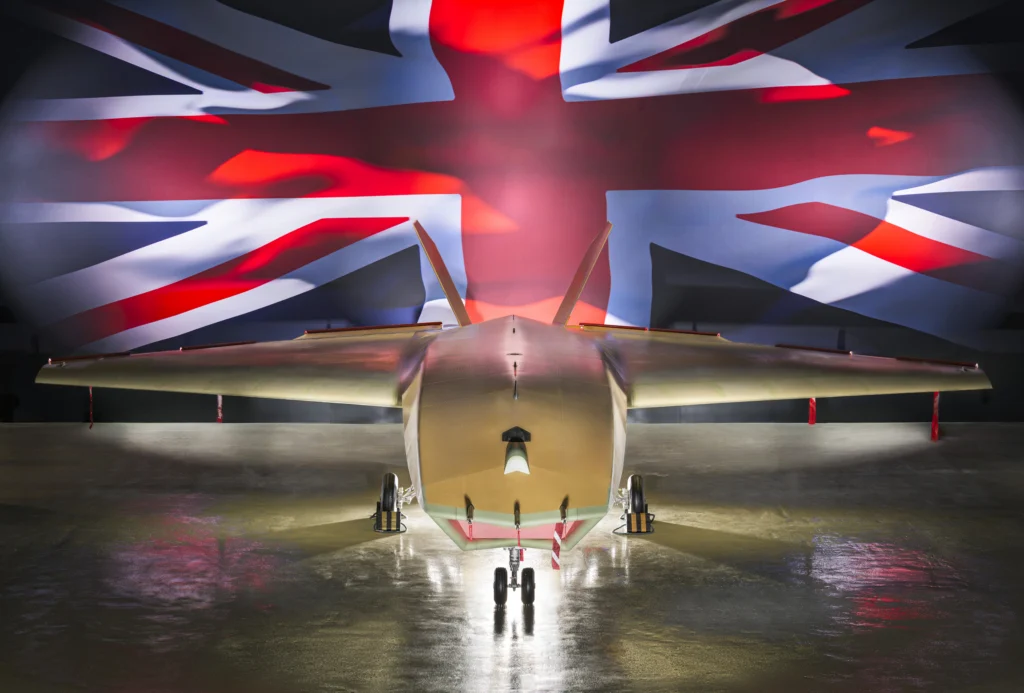
BAE Systems’ new Brontanax uncrewed aircraft could be powered by a US-built engine, despite being presented as the leading domestic candidate for the RAF’s future “loyal wingman” requirement.
Unveiled at the Farnborough International Airshow, Brontanax is described by BAE Systems as the UK’s first British-designed autonomous Collaborative Combat Aircraft (CCA). The company says it will operate alongside crewed combat aircraft, adding affordable mass and an additional layer of frontline capability.
More than 70 British companies are involved in the programme. However, according to reporting by LBC, Rolls-Royce is notably absent from the supplier list.

Rolls-Royce engine reportedly considered too expensive
Rolls-Royce has ambitions for the emerging CCA market, particularly in the US, where future aircraft are expected to require greater range, endurance and electrical power generation.
The company has previously identified its AE 3007 and developmental Orpheus engines as potential candidates for the US Air Force’s more demanding Increment 2 CCA programme.
However, the requirements and commercial realities surrounding Brontanax appear to be different.
#Orpheus, a new small engine family concept is transforming future engine development programmes, at pace! Discover the inspiring story: https://t.co/JE6Gaa4B3b #RollsRoyce #Defence pic.twitter.com/rfxiji6oHd
— Rolls-Royce (@RollsRoyce) July 23, 2025
The result is an unusual position for the British engine manufacturer. While Rolls-Royce is pursuing opportunities to support American and German uncrewed combat aircraft programmes, it is not currently participating in the UK’s most prominent domestic CCA project.
The two companies could yet work together as the design develops. Brontanax remains a demonstrator rather than a production aircraft, meaning its engine and wider configuration are not necessarily fixed.
Asked about the apparent omission, Rolls-Royce chief executive Tufan Erginbilgic said the programme remained an opportunity for the two British companies.
“You should ask BAE that, but it’s a demonstrator,” he said. “I expect these two great companies to work on this.”
Could Brontanax depend on a US engine?
The most obvious alternatives to Rolls-Royce are likely to come from the US, including engines produced by Williams International.
The Williams FJ44 family is already establishing itself in the emerging CCA and autonomous aircraft market. The FJ44-4A produces around 4,000lb of thrust and has been selected for platforms including the Boeing MQ-28 Ghost Bat and Lockheed Martin’s proposed Vectis CCA.
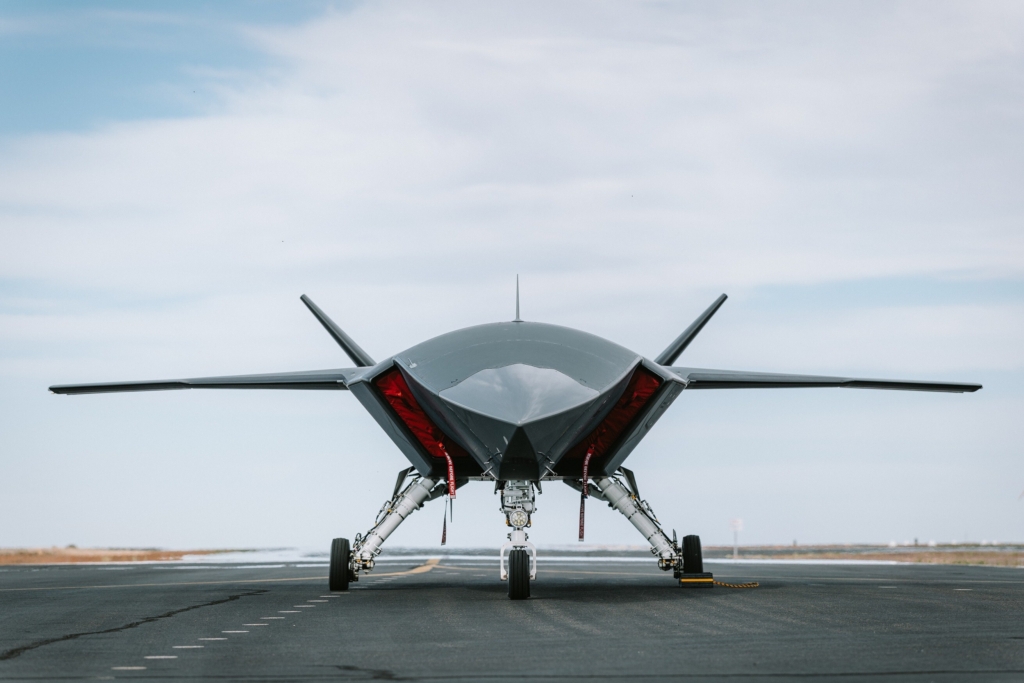
A US engine could offer BAE Systems a proven and potentially more affordable route into flight testing. However, it would also introduce a foreign-controlled component into an aircraft intended to represent a new British combat air capability.
US engines and associated technologies are generally subject to International Traffic in Arms Regulations, better known as ITAR. This would require US approval before Brontanax, or potentially some of its technology, could be transferred to certain overseas customers.
That does not give Washington an automatic veto over every future export. However, it could give the US government considerable influence over where an ITAR-controlled version of the aircraft could be sold.
This has become a more sensitive issue as some European governments attempt to reduce their reliance on American defence technology and supply chains.
Achieving genuine independence is difficult in practice. Most advanced Western defence systems contain components sourced from multiple countries, and even a relatively small part can become critical if the country that produced it refuses to approve its onward transfer.
The same outcome should not be assumed for Brontanax. The aircraft remains at the demonstrator stage and BAE Systems has not publicly confirmed its engine supplier.
Nevertheless, the debate highlights a wider challenge facing the UK defence industry. Developing a British-designed platform does not necessarily produce a sovereign capability if its most important systems remain dependent on overseas technology, approvals and supply chains.
For Brontanax, the immediate priority will be proving that the aircraft can deliver the capability the RAF needs at an affordable price. But should it move towards production, the choice of engine will also shape how British the aircraft really is, where it can be exported and how much freedom the UK retains over its future use.
Rolls-Royce declined to comment on this story.
Sign up for our newsletter and get our latest content in your inbox.
Similar Reads