


UK military sites record record drone incidents in 2026


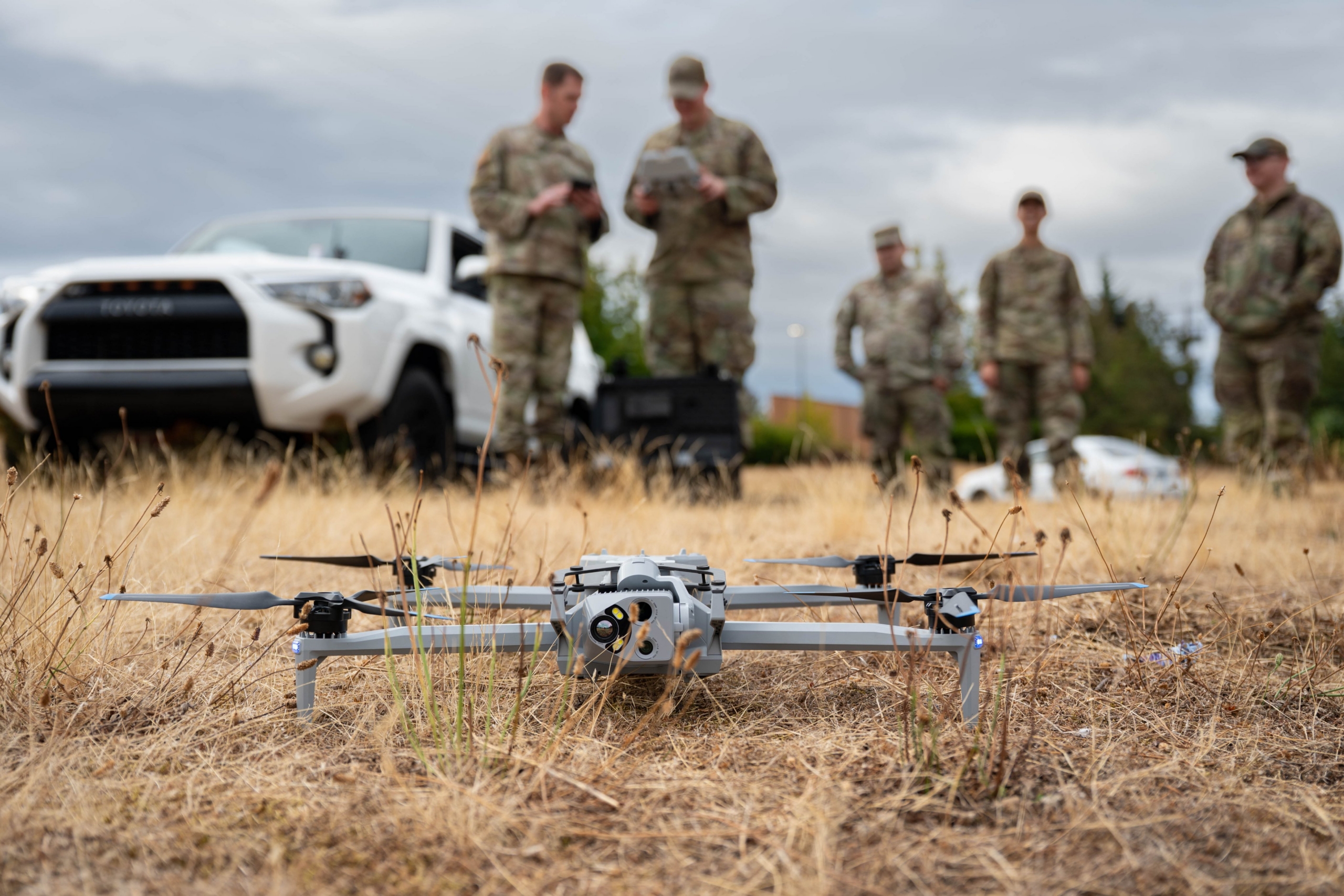
Drone incidents at or near UK military sites have climbed to around 340 in the first eight months of 2026 – already well above the total recorded during the whole of last year, and adding urgency to the country’s efforts to strengthen protection against small uncrewed aircraft.
The figures, obtained under Freedom of Information laws and first reported by The Independent, show incidents are now being recorded at a rate of more than one a day.
The total compares with 250 incidents during all of 2025 and 126 in 2024, meaning the number had already exceeded last year’s figure by more than a third before September began.
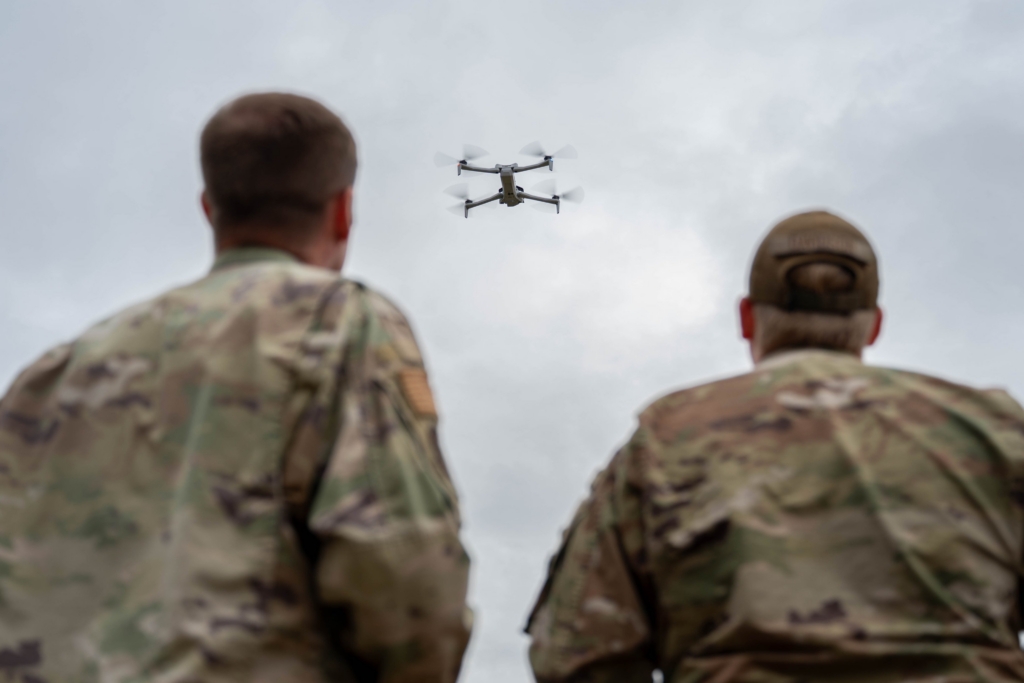
Not every incident is necessarily hostile. The Ministry of Defence has not publicly attributed the activity to any state or organisation, and says some of the increase can be explained by improved reporting, better counter-drone detection and greater awareness among military personnel.
But the sharp rise comes as UK and other European countries confront a much broader problem: cheap and increasingly capable drones appearing around military bases, airports and critical infrastructure.
Britain is extending protection across hundreds of defence sites
The government is already expanding both restricted airspace and counter-drone protection around military facilities.
Armed Forces Minister Louise Sandher-Jones told The Independent that the government was taking the threat from hostile drones “extremely seriously”.
Restricted airspace was established over 44 critical defence sites in February, with another 160 sites due to receive similar protection this autumn.
The government has also quadrupled spending on anti-drone equipment since taking office. Its Defence Investment Plan provides £750 million for counter-drone systems and protection for British forces at home and overseas.
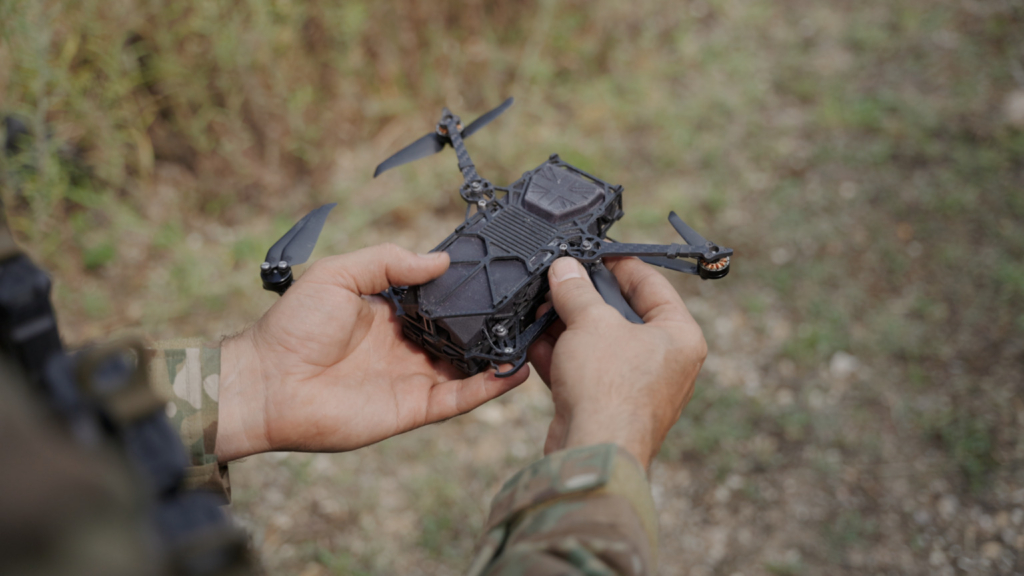
Military personnel are also due to receive greater authority to deal with threatening aircraft.
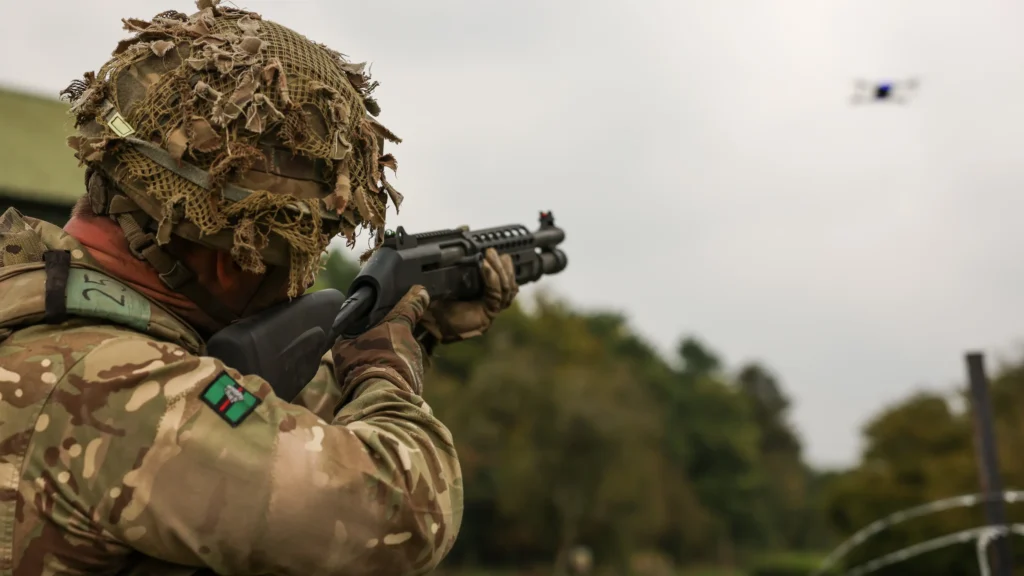
Under provisions in the Armed Forces Bill, personnel will be able to take action against drones threatening defence sites without first requiring police assistance. That could remove a potentially costly delay when an unidentified aircraft may only be overhead for a matter of minutes.
The technology is moving as well.
The British Army recently installed two overlapping counter-UAS detection systems at Warminster following trials through UK Defence Innovation’s Project Halo Shield. The systems combine different methods of finding small drones, part of an effort to build a layered detection network rather than depend on a single sensor.
During the first 17 days of live monitoring, the system recorded 29 drone position alerts, some from aircraft as far as five kilometres away. None was assessed as threatening.
That distinction is important. Detecting a drone near a military base does not by itself establish hostile intent.
Finding the drone is only the first problem
The latest figures arrive as the Autumn edition of ADVANCE examines whether the UK is ready for what it describes as the “drone age”.
The Home Office told ADVANCE that it works with government departments, police, the military and the scientific community to understand emerging drone and counter-drone technologies and develop the capabilities and legislation needed to respond.
But, as ADVANCE notes, that shared responsibility does not necessarily provide “a single operational chain of command for every incident”, particularly over privately operated infrastructure. The response can instead depend on the location, nature of the intrusion and level of threat.
Counter-drone defence illustrates the problem particularly clearly.
Small aircraft can fly low and slowly enough to become difficult to distinguish from birds and other clutter. Radio frequency detection may work against one type of drone but prove less useful against another. Once an aircraft is detected, personnel still need to establish what it is doing, whether it poses a threat and what response is appropriate.
The challenge becomes considerably greater when multiple drones arrive together.
ADS has previously argued that effective counter-drone protection therefore requires a layered approach linking detection, tracking and identification with the ability, where necessary, to deter, capture or destroy the aircraft. No single counter-drone technology is suitable for every threat.
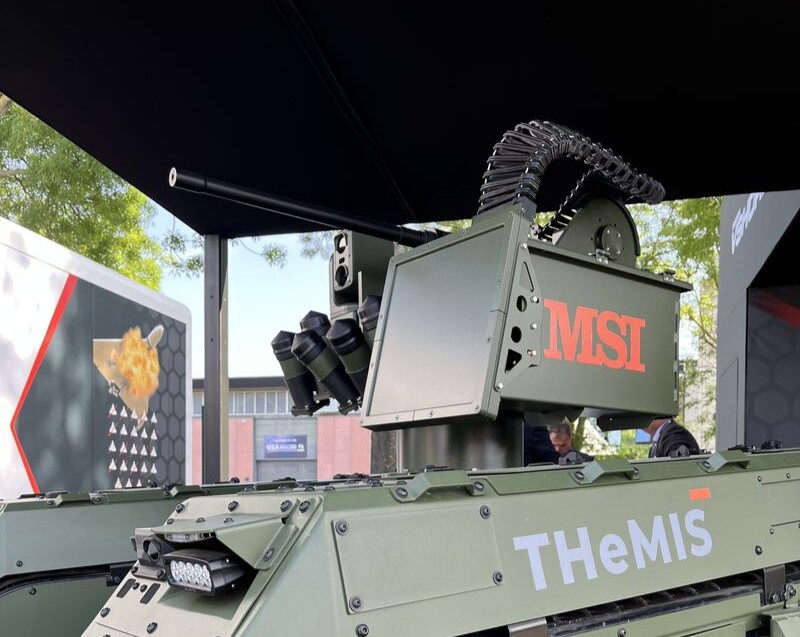
The problem is also driving new British systems. At Defence Vehicle Dynamics this month, UK-based MSI-Defence Systems unveiled the TERRAHAWK RAPTOR, a compact vehicle-mounted weapon station designed specifically for counter-UAS operations. The company is positioning the system as part of a wider layered defence network rather than as a stand-alone answer to the drone threat.
UK incidents form part of a wider European security problem
Unexplained drone activity around sensitive installations is not confined to UK.
Research published in July by the International Institute for Strategic Studies examined UAV incidents across a dozen NATO countries and Ireland between August 2024 and February 2026.
The IISS assessed that it was highly likely the Kremlin had conducted a UAV campaign over Europe and that Russian-linked or shadow-fleet vessels were likely used as launch or recovery platforms.
The researchers were careful not to attribute every sighting to Moscow. They explicitly said their argument was not that every reported incident was Russian-directed, or even that every reported sighting involved a UAV.
That distinction is equally important when looking at the new British figures.
Previous unexplained drone activity has nevertheless involved some of the UK’s most sensitive military locations. The IISS study examined incidents around RAF Lakenheath, RAF Mildenhall, RAF Fairford and RAF Feltwell as part of the wider European pattern. Elsewhere, drones have appeared near military installations, ports, airports and sites connected with NATO’s nuclear deterrent.
The institute concluded that Europe’s counter-UAV architecture still suffers from uneven detection, fragmented legal powers, limited response options and attribution that can be too slow to support timely deterrence.
Sign up for our newsletter and get our latest content in your inbox.
Similar Reads