UK plans tougher facial recognition laws and police technology watchdog

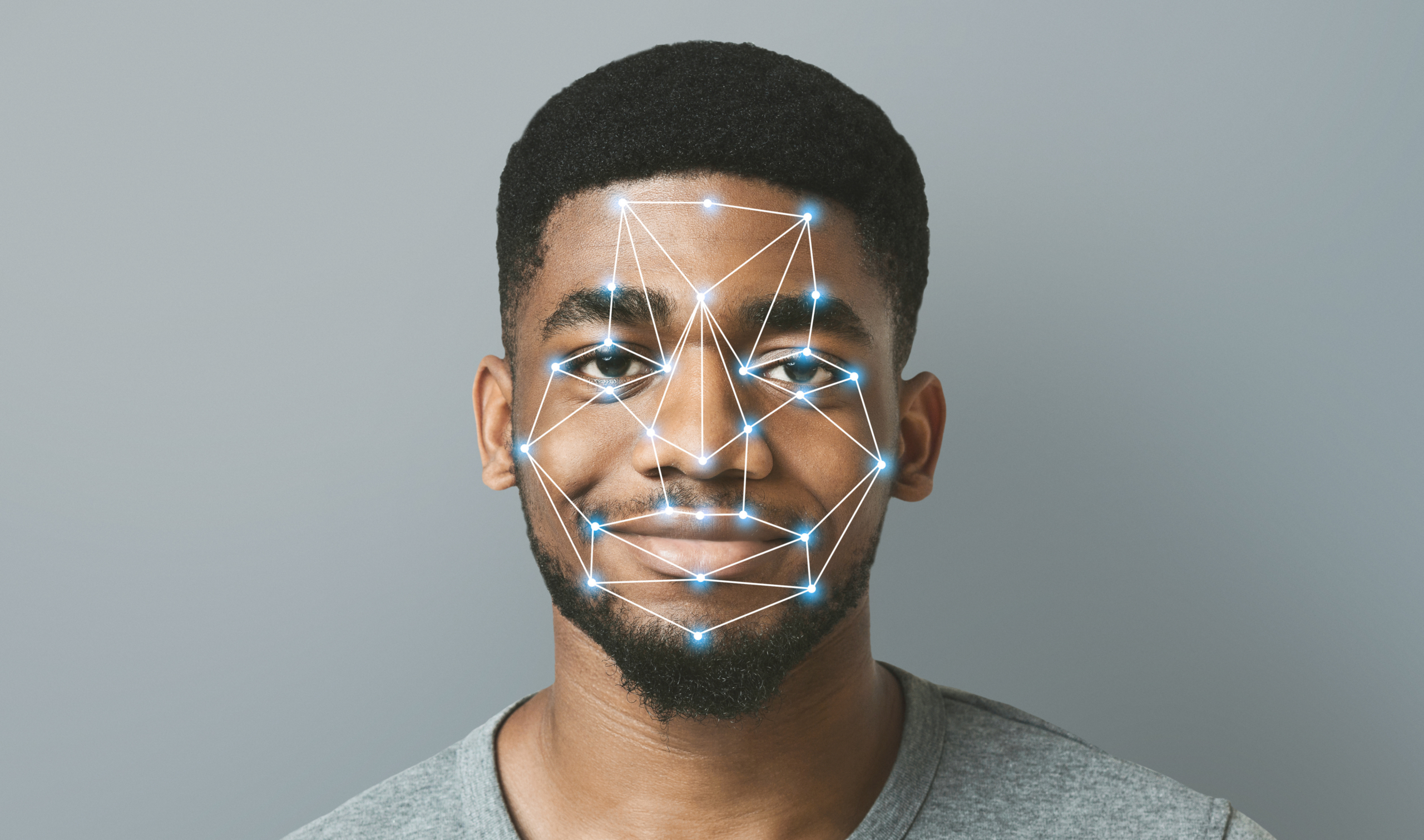
The UK government has announced plans for a new legal framework governing police use of facial recognition and other biometric surveillance technologies. These include appointing an independent watchdog with powers to take enforcement action against forces that breach the rules.
The proposals, announced by the Home Office on 4 November, will be introduced through the Police Reform Bill. They follow a consultation that received more than 13,800 responses, including demands for clearer safeguards, accountability and protection of individual rights.
“Facial recognition technology has been the biggest breakthrough for catching criminals since DNA matching, already helping police take thousands of dangerous criminals off our streets,” said Home Secretary Shabana Mahmood.
Police currently operate facial recognition under existing data protection, equality and human rights requirements, as well as policing guidance.
New safeguards for police facial recognition
Under the proposed framework, live facial recognition deployments must be intelligence-led, necessary and proportionate.
Police would need grounds to believe that wanted individuals could be present in an area, and not use the technology for indiscriminate monitoring.
“Facial recognition technology is one of a number of proven capabilities that can help policing work more effectively to keep the public safe. Used responsibly, technologies like this can help officers identify wanted offenders more quickly, make better use of available information and focus more time on protecting victims and communities,” said Al Murray, Director of PoliceAI.
“The benefits of technology adoption are greatest when innovation is matched by strong safeguards, transparency and public accountability. We welcome the government’s commitment to providing a clearer framework for the use of facial recognition, helping forces adopt technology consistently, responsibly and with the confidence of the public they serve.”

The legislation will also require independent testing of technologies for accuracy and potential bias or discrimination linked to age, gender or race. A statutory code of practice will establish operational requirements for police and other authorised public bodies.
“The benefits are clear, but we must ensure that its use is fair, safe and proportionate,” Mamoohd said, adding that clearer laws were needed to maintain public confidence in police use of the technology.
The new oversight body would monitor compliance, advise on standards and scrutinise emerging technologies. In serious cases, it could seek a court injunction preventing a force from using a technology that does not comply with the rules.
Rules for other biometric technologies
The government said the framework would extend beyond facial recognition to other biometric, inferential and overt surveillance technologies. It also intends to specify which officers can authorise deployments and establish safeguards for searches involving databases held by other public authorities.
A separate code of practice is planned for private-sector use of facial recognition to prevent and detect crime, including in retail premises. Such uses already fall under data protection law, but the government says it needs more specific guidance.
Police trials and investment in facial recognition
The Home Office said a pilot of static live facial recognition cameras in Croydon between October 2025 and March 2026 had resulted in 173 arrests, “including suspects wanted for rape, kidnap and sexual assault. The Met reported a 10.5% drop in overall crime in the area against the previous year, and a 21% decrease in offences linked to violence against women and girls.”
It also reported that police used facial recognition at the 2026 Notting Hill Carnival to identify 86 registered sex offenders, with seven arrested for alleged breaches of orders or notification requirements.
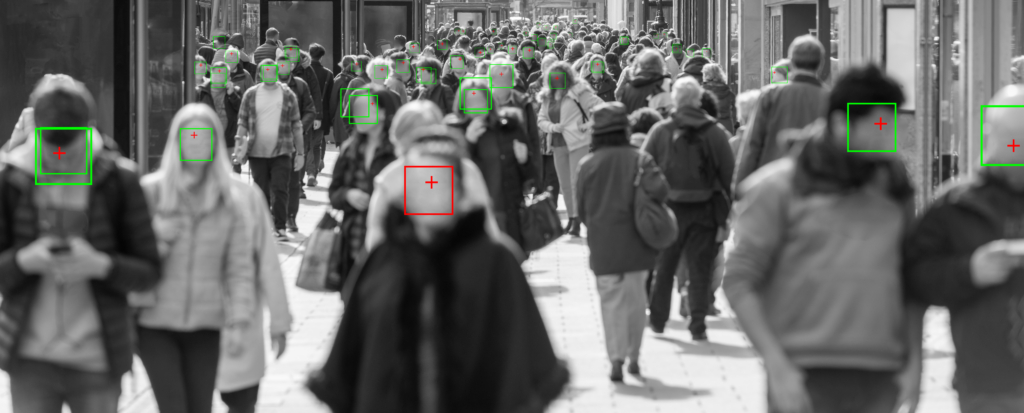
The announcement follows an £11 million investment intended to triple the number of live facial recognition vans available to police in England and Wales. The Home Office said an independently tested algorithm for retrospective facial recognition is expected to become available to forces next year.
The newly announced measures remain proposals pending legislation. “It is right we put in place clear laws to ensure that the use of this technology is watertight, so the public can have confidence that these tools, which are vital to our safety, are used responsibly too,” Mahmood said.
Sue Daley, Director of Tech and Innovation at techUK, said: “As set out in our consultation response earlier this year, our members support clear, consistent regulation for this technology. This will be crucial to establish and maintain public support in the long term. We look forward to continuing our work with the Home Office to make that happen.”
Sign up for our newsletter and get our latest content in your inbox.
Similar Reads





Sign up for our newsletter. Select all sectors relevant to you.
Related