MSI-DS launches TERRAHAWK RAPTOR mobile counter-drone weapon station


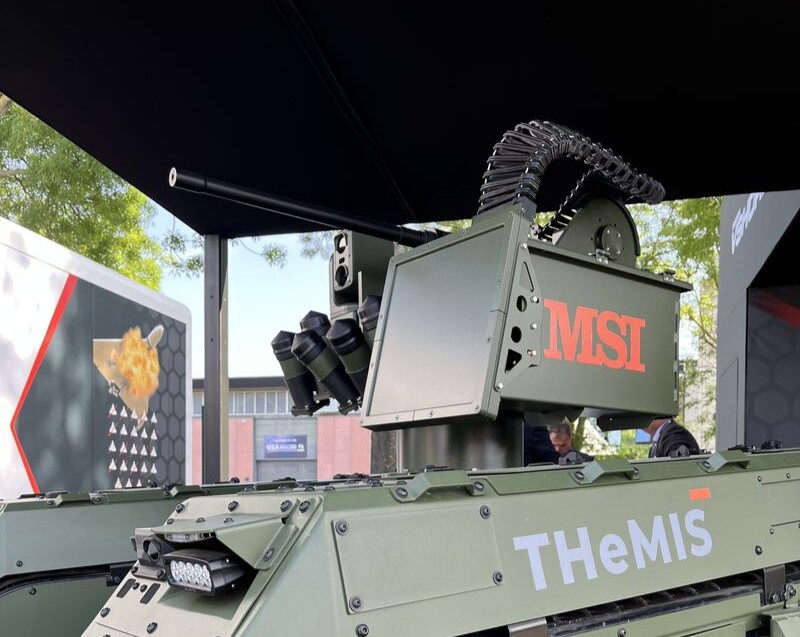
The UK-based counter-drone and gunfire technology specialist, MSI-Defence Systems (MSI-DS), has unveiled its new TERRAHAWK RAPTOR remote weapon station (RWS) at DVD2026, presenting a compact, vehicle-mounted system that is specifically designed for counter-UAS (C-UAS) operations.
Making its UK debut during the opening day of DVD2026 at UTAC Millbrook in Bedfordshire on 16 September, the RAPTOR RWS is the latest addition to MSI-DS’s TERRAHAWK family of specialist, land-based C-UAS systems. The new platform was developed around the requirement for a lightweight, vehicle-mounted ‘hard-kill’ capability against increasingly prevalent uncrewed aerial threats.
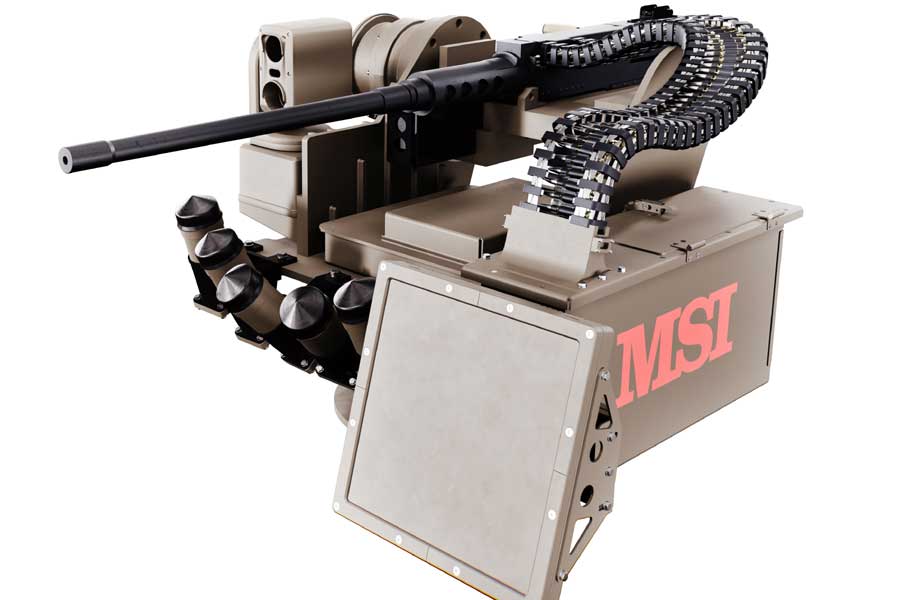
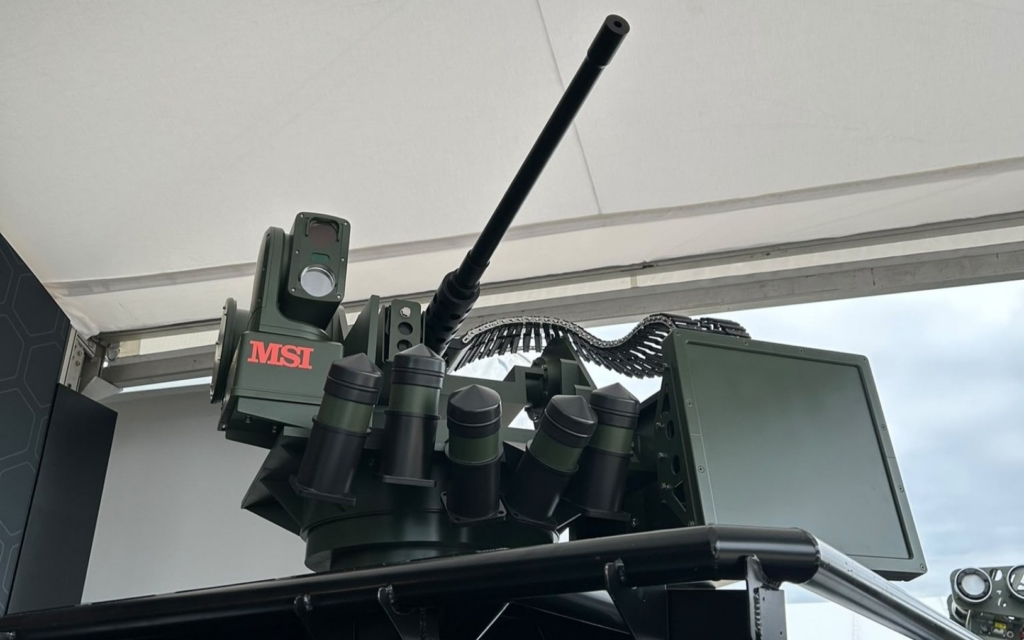
MSI-DS describes RAPTOR as the lightest gun mount in its specialist C-UAS portfolio. The fully integrated RWS can be configured around 7.62mm or 12.7mm weapons – including M2 Browning and M240 machine guns – with the firm also identifying compatibility with 40mm automatic grenade launchers, such as the US-made Mk19.
RAPTOR: Introducing C-UAS capabilities across various vehicle platforms
To address the increased growth in demand for C-UAS systems across the domestic and international defence market, MSI-DS has designed the RAPTOR with a compact architecture to enable integration across a broader range of tracked and wheeled platforms, including 4×4 vehicles and uncrewed ground vehicles (UGVs).
The strong emphasis on mobility and platform integration reflects the changing requirements of the C-UAS mission in the battlespace. Rather than relying solely on dedicated air-defence platforms, RAPTOR is designed to turn existing and new vehicle fleets into mobile defensive nodes capable of operating alongside other elements of a layered air-defence system.
This emphasis is also reflected by the wider focus of DVD2026, where the event’s core theme of ‘Connected for Combat: Aligning People, Systems and Decisions’ is highlighting the integration of sensors, effectors, vehicles and digital architectures across the land domain.
MSI-DS says the RAPTOR system has been designed around an open architecture and can integrate with vehicle systems using standards such as Generic Vehicle Architecture (GVA). The firm states that this enables rapid installation while retaining the vehicle’s protection, mobility and mission performance. RAPTOR can be fitted to both legacy and new military platforms, as well as selected civil vehicles, according to the manufacturer.
Combining multispectral sensing with integrated fire control systems
Sensor integration is central to the system’s success. RAPTOR can accommodate a range of sensor configurations, with MSI-DS specifying multispectral optics incorporating thermal and high-definition television sensors, together with a high-rate laser capability. The firm says the sensor suite enables detection, tracking, identification and engagement of both aerial and ground targets.
Optimised for mobility – at #DVD2026, we will introduce to you a light, sharp, fully integrated Remote Weapon Station engineered for the C-UAS fight.
— MSI-Defence Systems Ltd (@MSIDefence) September 10, 2026
Coming soon.
📅 DVD 2026 | 16–17 September
📍Steering Pad – SP-07 pic.twitter.com/9mgcKxV9CS
The RWS also incorporates an Onboard Fire Control System (FCS) with target tracking and ballistic compensation capabilities. It can also receive cues from vehicle-mounted sensors, including shot detection and laser warning systems where fitted.
MSI-DS highlights the system’s modularity as another key feature. Payload, sensor fit and motion limits can be configured according to individual customer requirements, while the station is itself designed to interface with multiple command-and-control (C2) systems and operate within a layered defence network.
Building a modular, sovereign C-UAS architecture for the future battlefield
David Codling, the Business Development Director at MSI-DS, said the firm has designed RAPTOR specifically around the C-UAS mission rather than adapting a conventional RWS that are primarily intended for ground suppression and point fire tasks.
“We have maintained laser focus on fine-tuning our portfolio of weapon systems to primarily meet the fast-growing demand for ‘specialist C-UAS systems’. With RAPTOR, we have optimised a lightweight, compact effector specifically for integration onto a wide range of vehicle platforms, including many on display here at DVD2026,” he added.
Codling also emphasised how the firm is positioning UK sovereign intellectual property as an important element of the programme, citing operational independence, supply chain resilience and the ability to adapt the system as requirements evolve.
Demand for C-UAS systems is spiking across the global defence market as the use of low-cost one-way attack (OWA) drones in the conflicts in Ukraine and the Middle East has demonstrated just how effective and deadly such systems can be against ground forces and civilian/military infrastructure.
John Meldrum, Managing Director of MSI-DS, added: “The proliferation of explosive [First Person View (FPV)] and reconnaissance drones has necessitated armed forces to either retrofit legacy armoured vehicles or introduce new tactical units into the formation with lighter RWS. The market signals to us are two-fold – an RWS optimised for C-UAS operations, and factory optimised integration with mobile platforms from 4×4 vehicles through to tactical UGVs…
“TERRAHAWK RAPTOR was designed to meet this need, and transform vehicle platforms into highly effective mobile air-defence units capable of rapid response against swarming threats,” he said.
MSI-DS says the RAPTOR architecture is intended to support future development beyond its initial gun-based configuration, with plans to introduce additional gun systems and a modular launcher architecture that is capable of accommodating interceptors, rockets and small missiles.
RAPTOR’s unveiling at DVD2026 therefore marks a further expansion of MSI-DS’s approach to mobile C-UAS operations, combining a compact ‘hard-kill’ effector with modular sensing, fire-control and vehicle integration onto a single, lightweight platform that can be fitted and deployed across a wide range of land-based platforms.
Sign up for our newsletter and get our latest content in your inbox.
Similar Reads



Sign up for our newsletter. Select all sectors relevant to you.
Related