Overseas defence firms face UK offset norms on contracts worth £50m or more



Foreign defence companies winning major UK military contracts will be required to invest in UK jobs, factories and local suppliers under a new government policy announced on 30 October.
From April 2027, overseas defence contracts worth £50 million or more could require companies to deliver economic benefits worth up to the full value of their contracts.
Under the new Offsets policy, foreign contractors could meet these requirements by creating jobs and apprenticeships, opening or expanding factories, investing in UK suppliers or transferring technology and manufacturing expertise to domestic companies.
For example, a £100 million contract could require the supplier to provide up to £100 million in economic benefits to the UK. The Ministry of Defence (MOD) will decide which contracts are covered and what commitments are required on a case-by-case basis.
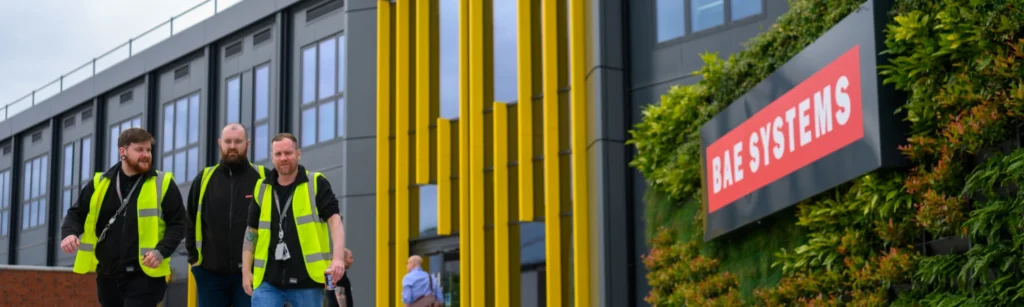
The measures were announced during a government visit to BAE Systems’ Scotstoun shipyard in Glasgow. They form part of the wider Back British procurement approach outlined in the Budget, aimed at ensuring UK businesses benefit even when defence equipment is purchased from overseas.
The policy will initially apply to selected procurements, with suppliers informed early in the bidding process of any offset requirements.
How the new rules will work
An offset is an agreement requiring a foreign supplier to provide economic or industrial benefits to the country buying its equipment.
A company supplying military aircraft or other defence equipment from overseas could be required to invest in UK manufacturing, buy components from British suppliers or provide technical training.

Under the new rules, overseas contractors could meet their obligations by creating jobs and apprenticeships, opening or expanding UK factories, investing in domestic companies, transferring technology or increasing the use of UK-made components.
A new central Offset Authority will negotiate, assess and monitor these commitments through dedicated agreements.
The MOD will decide which procurements are subject to offsets, rather than automatically applying the maximum requirement to every overseas contract.
The government said the approach is intended to encourage foreign defence manufacturers to establish longer-term partnerships with UK industry, particularly smaller companies seeking opportunities in international supply chains.
The UK is adopting an approach already used in various forms by allies including Poland, Norway and the Netherlands.
Ministers put jobs at centre of procurement policy
Chancellor John Healey said the changes would ensure that major defence purchases support employment and industrial activity in the UK.
“We are putting British jobs and British businesses at the heart of how Government spends taxpayers’ money,” Healey said.
“When a big contract goes overseas, these changes will ensure 100% of the value creates new opportunities for workers and businesses here at home, strengthening our industrial base and supporting growth across Britain.”
Defence Secretary Wes Streeting said the government would continue to favour UK suppliers where possible, while seeking domestic economic benefits from equipment that must be purchased abroad.

“Every pound we invest in defence should be judged by what it does for Britain. That’s why we are backing British by buying British wherever we can,” Streeting said.
“Even when that is not possible, we are acting to ensure that any investment brings jobs, skills and investment back home, strengthening our national security by boosting our domestic industry,” he said.
Overseas contracts account for £35.2bn in defence spending
The scale of overseas procurement is considerable. According to the MOD, more than £35.2 billion was spent on contracts and services with overseas industry between 2016/17 and 2025/26.
That represented 11% of the department’s direct expenditure with industry and commerce over the period.
The government said 85% of MOD expenditure already goes to UK firms. In the latest year covered by its figures, £34.1 billion went to UK-based businesses, supporting an estimated 274,000 jobs. Employment supported by defence investment was 10% higher than the previous year.
The announcement also highlighted Scotland’s defence industry, which the government values at £2.5 billion and says directly supports 12,200 jobs.

It cited the £10 billion Norwegian order for Type 26 frigates, supporting 2,000 local jobs, and a £453 million Typhoon radar programme supporting 300 roles in Edinburgh.
Part of wider defence industrial plans
The offsets policy follows the government’s Defence Industrial Strategy and its commitment to increase defence spending to 3% of GDP in 2030, on a path towards NATO’s 3.5% target in 2035.
The government has also outlined a Defence Investment Plan backed by £298 billion over four years.
As Advance has previously reported, the UK has been seeking to expand opportunities for domestic defence technology companies and strengthen its industrial partnerships with European allies. The new offsets arrangements add a procurement requirement intended to bring more manufacturing, technical expertise and supply-chain work into the UK when equipment is purchased overseas.
The announcement follows a separate commitment for the National Wealth Fund and British Business Bank to deploy up to £5 billion over four years into defence, dual-use technologies and other sectors supporting national security.
The government has also announced the start of treaty negotiations with the Netherlands, Poland and Finland on a Multilateral Defence Mechanism intended to support joint procurement and stockpiling of essential equipment.
Sign up for our newsletter and get our latest content in your inbox.
Similar Reads





Sign up for our newsletter. Select all sectors relevant to you.
Related