

Defence Investment Plan puts UK drone delivery challenge in focus


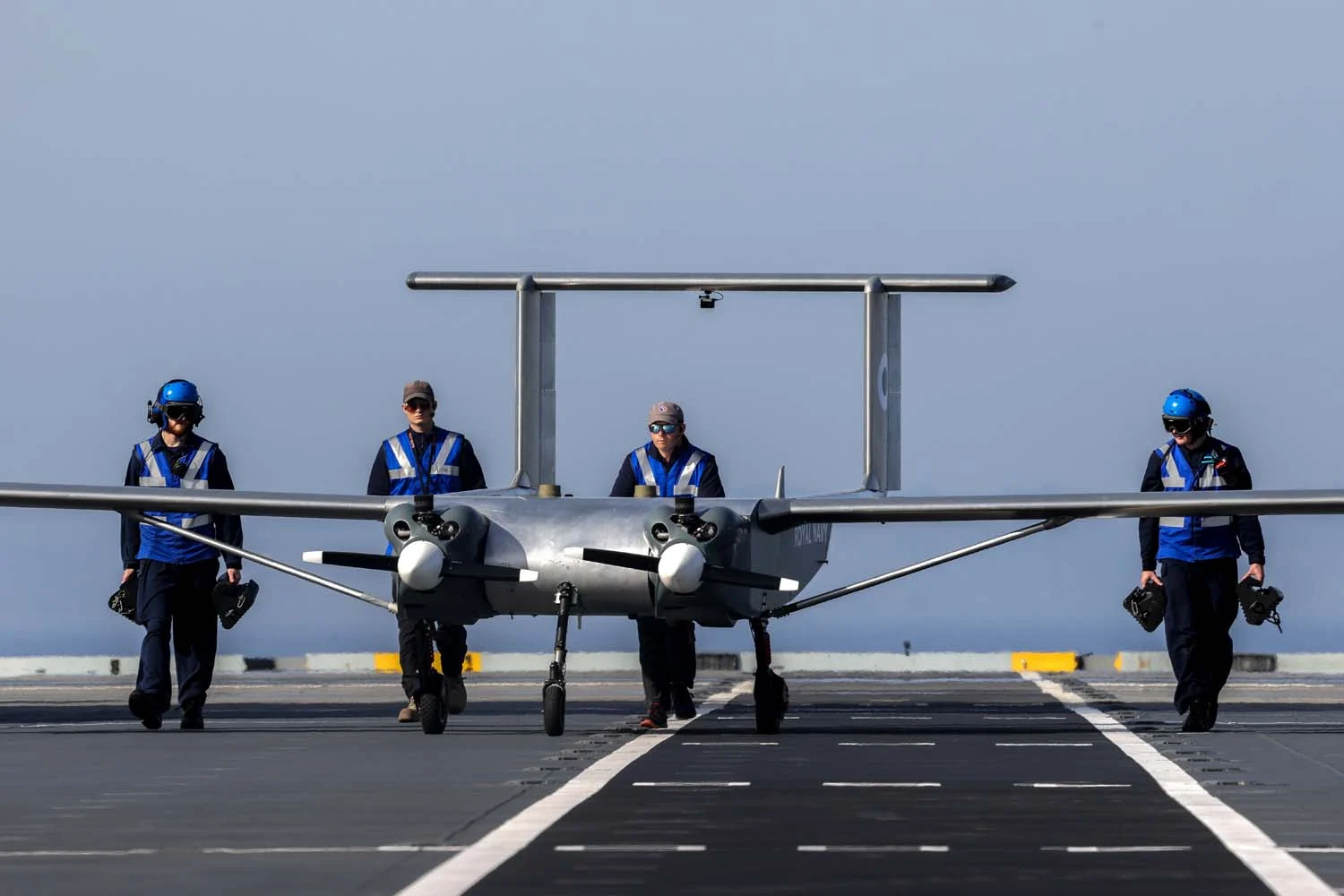
The UK’s Defence Investment Plan has confirmed more than £5 billion for drones over the next four years, moving uncrewed systems from the margins of defence innovation into the centre of military planning.
The funding sits within a wider £298 billion four-year defence settlement and follows the Strategic Defence Review’s call for a more integrated, technology-led force.
But now the plan has been published, the critical question for government, the Armed Forces and industry is no longer whether drones are important. It is whether the UK can deliver them at the speed modern conflict demands.
Recent wars have shown how quickly uncrewed systems can change the battlefield. Low-cost drones are being used for surveillance, strike, logistics, electronic warfare and force protection, often with development cycles measured in weeks rather than years.
That creates a major challenge for a defence system still largely built around long procurement timelines, complex requirements and major platform programmes.
From drone funding to drone delivery
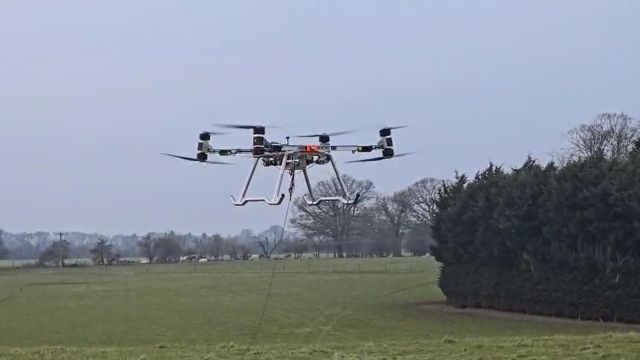
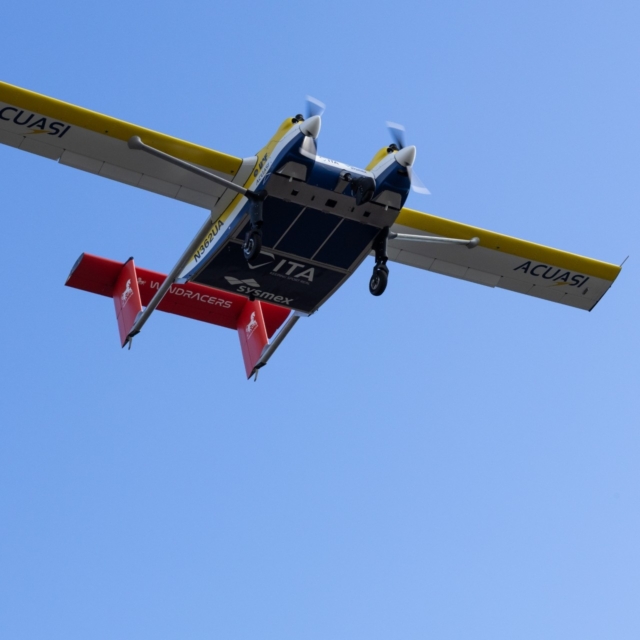
The DIP points to a broad shift across all three services. The Army is expected to receive first-person-view drones, interceptor drones, uncrewed ground vehicles and systems designed to operate alongside helicopters.
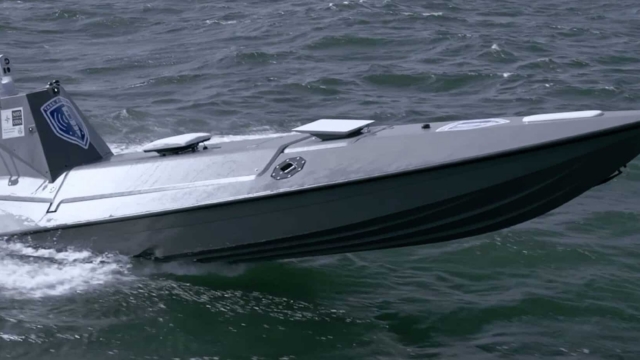
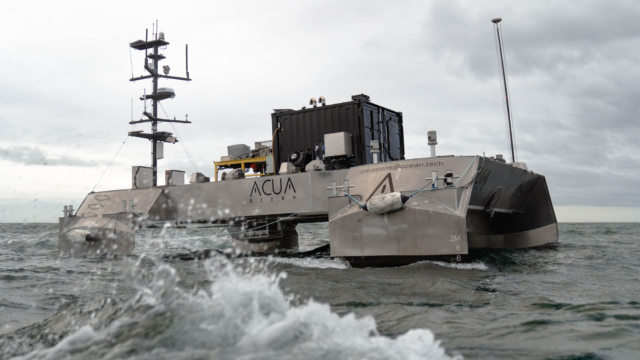
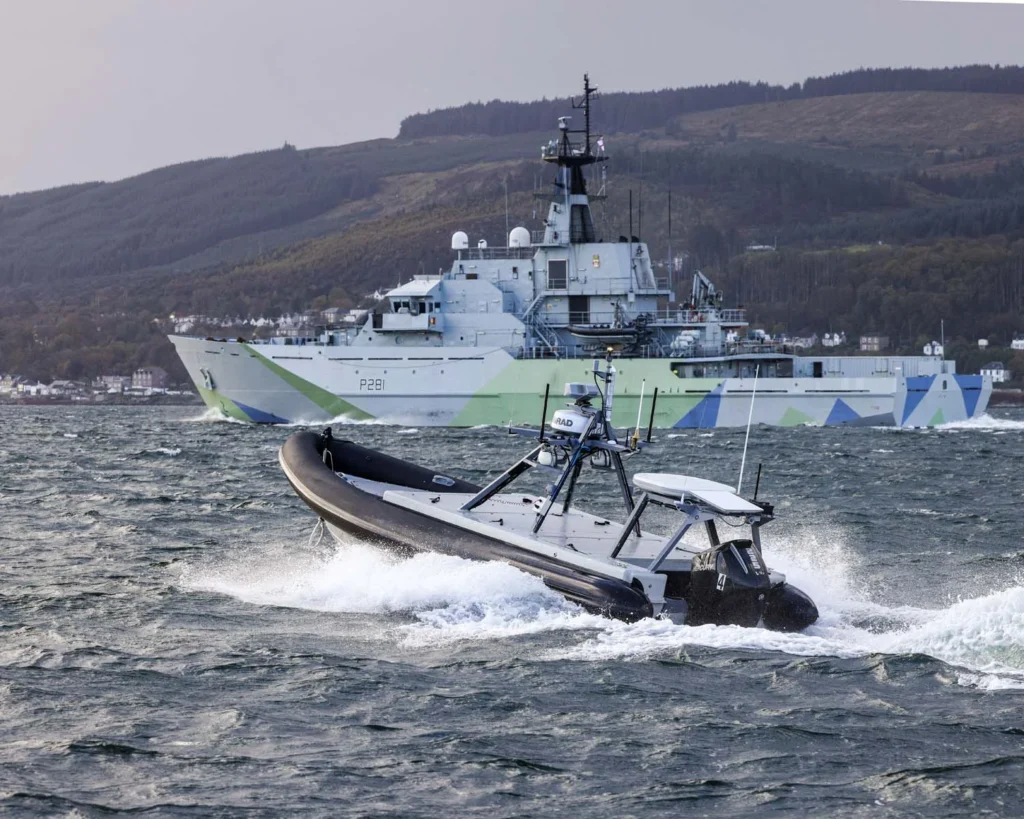
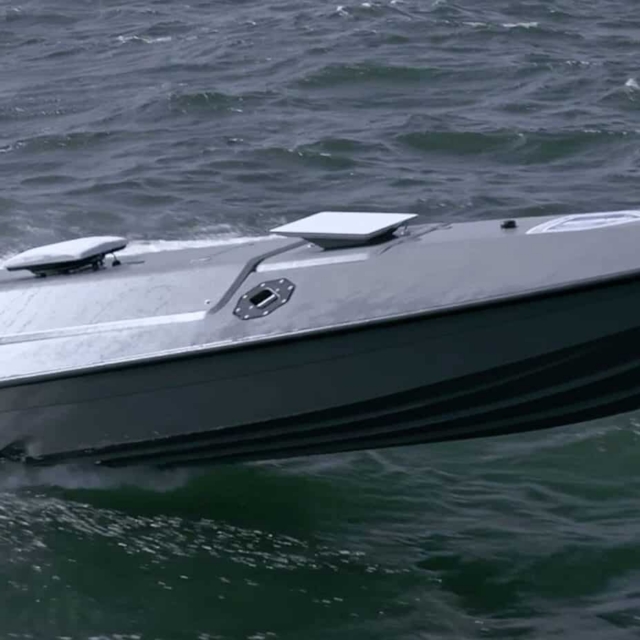
The Royal Navy is moving towards a hybrid fleet that combines crewed ships with uncrewed vessels, mine-hunting systems and autonomous submarine-hunting platforms.
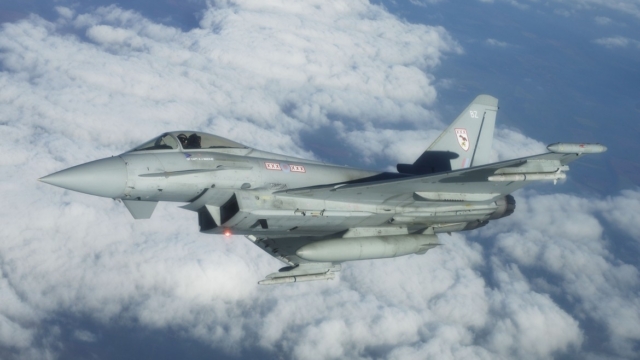
For the RAF, investment includes collaborative combat aircraft, autonomous electronic warfare through Storm Shroud, and work under Project Pantheon to explore a hybrid carrier air wing involving drones and F-35B aircraft.
“Drone” now covers everything from cheap expendable systems to advanced autonomous aircraft. For industry, that means opportunity across software, sensors, propulsion, manufacturing, AI, integration, training and through-life support.
Scale, speed and integration will decide success
The most significant part of the DIP may not be the individual systems listed, but the attempt to build the machinery around them. Investment in the Uncrewed Systems Centre in Swindon and the new Uncrewed Systems Taskforce is designed to help the UK develop, test and field autonomous capabilities more quickly with industry.
Buying drones is not the same as building a drone-enabled force. The UK will need production capacity, secure supply chains, rapid upgrade pathways and closer feedback loops between users and manufacturers.
Ukraine has demonstrated the value of mass, iteration and operational learning. The UK’s commitment to supply 120,000 drones to Ukraine in 2026 also gives British companies direct exposure to the demands of high-intensity conflict.

For ADS members and the wider defence supply chain, the DIP is a market signal as much as a spending pledge. The companies best placed to benefit will be those able to scale quickly, adapt designs rapidly and integrate into wider command, control and targeting networks.
The £5 billion drone commitment is a major statement of intent. Its real test will be whether the UK can turn that intent into deployable capability before the technology moves on again.
Sign up for our newsletter and get our latest content in your inbox.
Similar Reads

Sign up for our newsletter. Select all sectors relevant to you.
Related