UK defence investment plan welcomed by industry, but MPs warn delivery details are missing


The UK government’s new Defence Investment Plan (DIP) has drawn a mixed response, with industry welcoming clearer long-term signals. At the same time, parliamentary voices warn that the plan still lacks detail on delivery, funding and NATO spending commitments.
The plan, published on June 30, is backed by £298 billion over four years. The government intends the investment to move the UK Armed Forces toward “warfighting readiness,” support British jobs and businesses, and strengthen European security.
“We welcome the Defence Investment Plan. We recognise that the environment in which we are all operating is not without its challenges, and we commend the inroads taken by the Secretary of State in the last two weeks towards a resolution,” says Kevin Craven, CEO of ADS. “The clarity provided will support the UK’s defence industry to do what we do best: supply equipment, capabilities and services that strengthen the UK’s national security.”
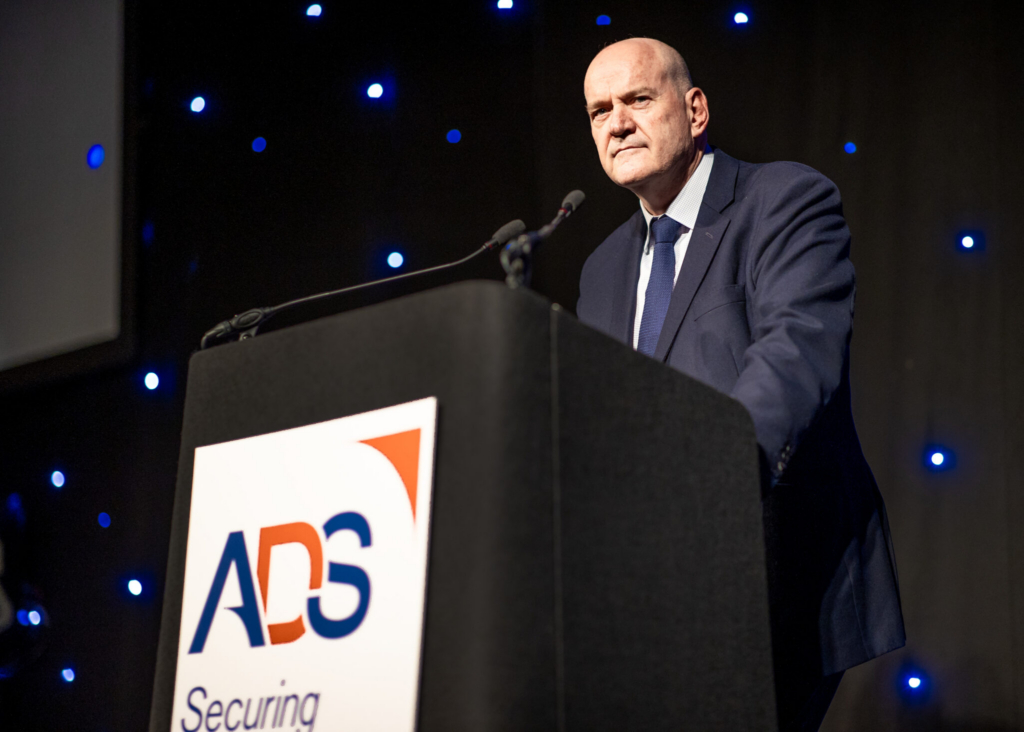
“Investment decisions today deliver tomorrow’s capabilities,” Craven continues. “The development of uncrewed capabilities, as well as investment in traditional platforms, is welcome. Coupled with this, support for significant, multilateral and technically innovative programmes is absolutely critical to ensuring our collective security and securing UK advantage.
“The initial investment in integrated air and missile defence is essential to protect the UK homeland, overseas bases and deployed forces from increasingly complex air, drone and missile threats. Strengthening export financing will unlock essential support to businesses of all shapes and sizes, particularly those in the SME category.”
“The key now will be how this output is translated into contracts, and how this momentum is sustained through a clear and deliverable trajectory towards 3% of GDP by 2030 and 3.5% by 2035, reflecting the increasingly unstable geopolitical climate. We look forward to partnering with government on turning ambition into reality,” Craven concluded.
BAE Systems says investment plan offers clarity
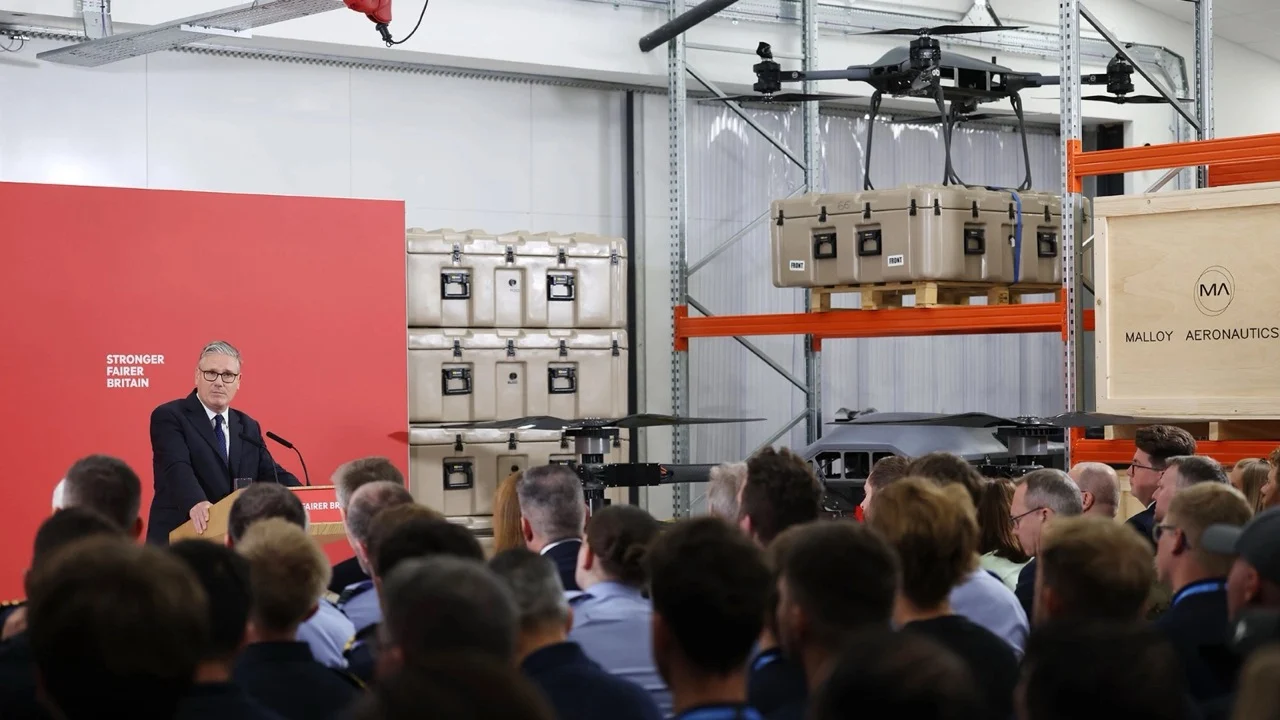
BAE Systems welcomed the plan after Prime Minister Sir Keir Starmer visited its Malloy Aeronautics site in Berkshire, where the company develops uncrewed air systems. Chief executive Charles Woodburn said the plan gives industry “much-needed clarity” and a “clear strategic direction” for the armed forces.
“The government’s commitment to increased defence spending is vital to sustaining the specialist skills across our industrial base critical to national security, while also signalling to our adversaries that the UK is serious about its defence,” Woodburn added.
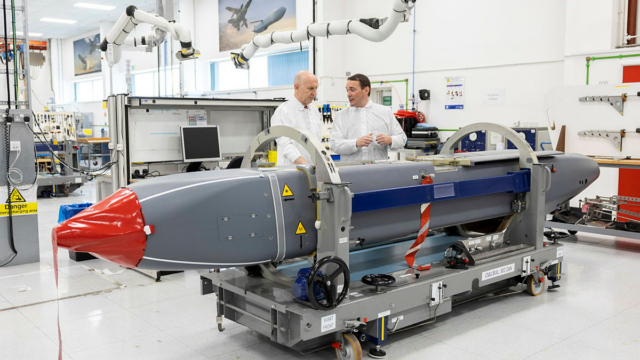
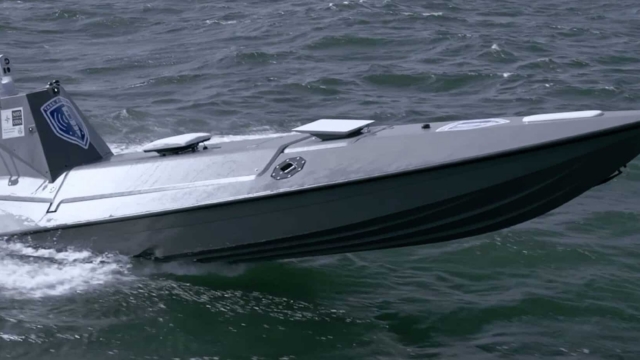
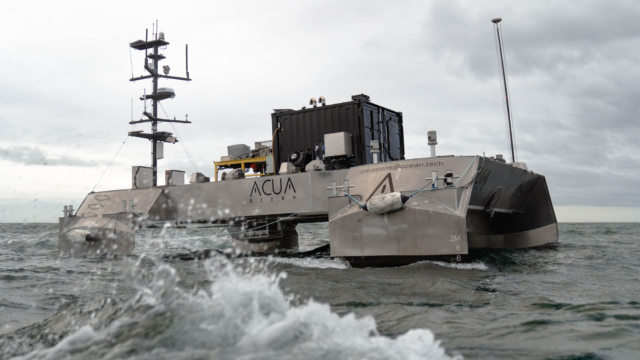
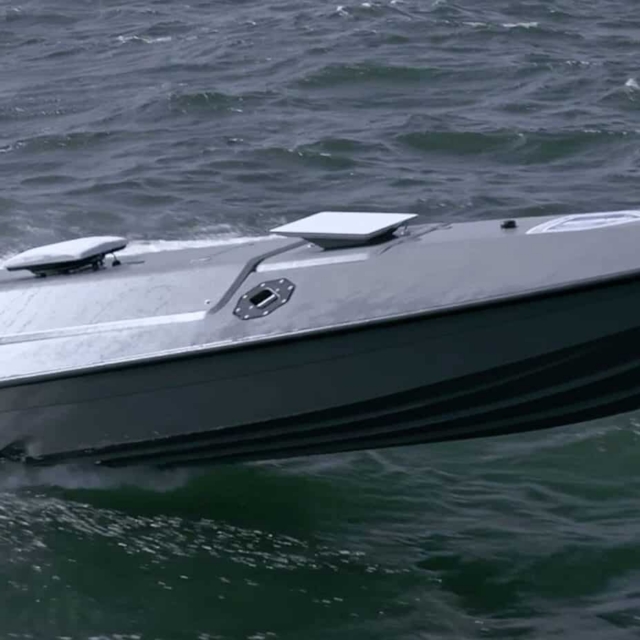
The plan includes more than £5 billion for advanced uncrewed systems, including £1.5 billion for a “Hybrid Navy,” £1.6 billion for drones and AI-enabled targeting, and investment in autonomous combat aircraft linked to GCAP. It also allocates £790 million for homeland integrated air and missile defence, £3.2 billion for space, £2.5 billion for cyber and electromagnetic capabilities, and £330 million for critical underwater infrastructure.
Defence Committee chair disappointed with lack of clear timeline
However, Defence Committee Chair Tan Dhesi MP said the plan contains “significantly less detail” than previous plans on the delivery of the investment. He welcomed priorities including readiness, nuclear capability and support for Ukraine. Still, he said it was disappointing that there was no clear timeline for reaching 3% of GDP on defence, or the 3.5% pathway agreed at NATO.

“We are at a dangerous juncture, which means making difficult choices. The world is less safe, less stable, and the pressures on our military are far greater. Given the rising threat level, including warnings from the Prime Minister that NATO needs to be ready for an attack by Russia by 2030, the UK needs to properly invest in our defence and meet the moment,” Dhesi said.
Joint Committee on the National Security Strategy Chair notes focus on Royal Navy’s hybrid capabilities
Matt Western MP, chair of the Joint Committee on the National Security Strategy, said deterrence must be credible across nuclear, conventional, biological and cyber threats. He said the emphasis on the Royal Navy’s hybrid capabilities was notable.

“It suggests the government is aware of the changing nature of maritime security threats, something my Committee has repeatedly raised concerns about. But we must also ensure that these investments will genuinely meet the moment to secure our safety and prosperity,” Western said.
Most Portsmouth MPs are critical of the DIP
As reported by The Portsmouth News, the reaction of local MPs in the home of the Royal Navy was mostly critical.
Gosport MP Caroline Dinenage, Conservative, said the DIP “arrived 300 days late, £13bn short and full of holes, having wiped out two defence ministers and one prime minister in its wake.” She noted the delayed investment in military housing and said the Secretary of State had failed to address her questions on when service families will see improvements. “So far this reads more like a fantasy novel than a serious plan to ready our Armed Forces for the real threats we face today,” Dinenage concluded.
Portsmouth North MP Amanda Martin, Labour, noted that the £5bn investment into “cutting-edge” drone technology and autonomous platforms would enhance the UK’s ability to engage in “modern, technology-driven warfare.” Martin cautioned: “We need to cut through bureaucracy so funding becomes real capability without delay, and ensure our personnel are properly trained and equipped.”

Former Conservative defence secretary Penny Mordaunt said the DIP “is not enough,” adding that it fails to honour promises made to UK citizens and allies. “They do not plug the capability gaps highlighted in the SDR. They do not meet our existing NATO commitments or give our forces the operating budget they need today,” Mordaut added.
Conservative MP for Havant, Alan Mak, was also critical, noting readiness delays across several capabilities, including drones, until 2030. He added that the DIP “fails to fund our Armed Forces, fails to protect our country, fails to support our local economy, and invests well below what our allies are spending.”
Portsmouth South MP Stephen Morgan was more positive. “The investment in a Hybrid Navy, alongside the commitment to build at least six new warships delivering the UK’s next generation of maritime air defence capability, is excellent news for Portsmouth,” he said. “It will help keep our Armed Forces equipped for the challenges of the future while supporting skilled jobs, apprenticeships and our proud naval heritage.”
Featured Image: BAE Systems
Sign up for our newsletter and get our latest content in your inbox.
Similar Reads



Sign up for our newsletter. Select all sectors relevant to you.
Related