Northumbria University looks at satellite collision avoidance using AI

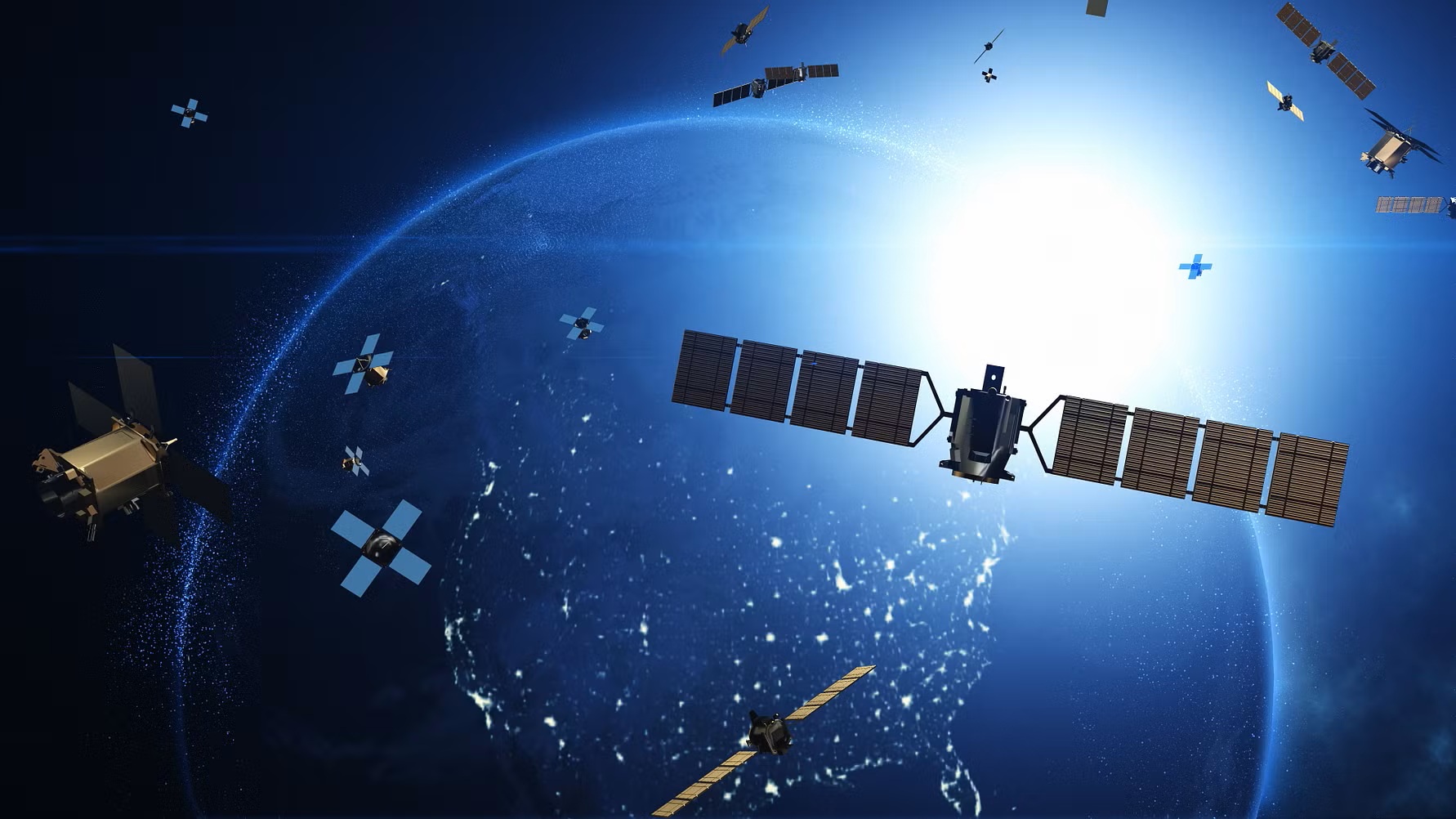
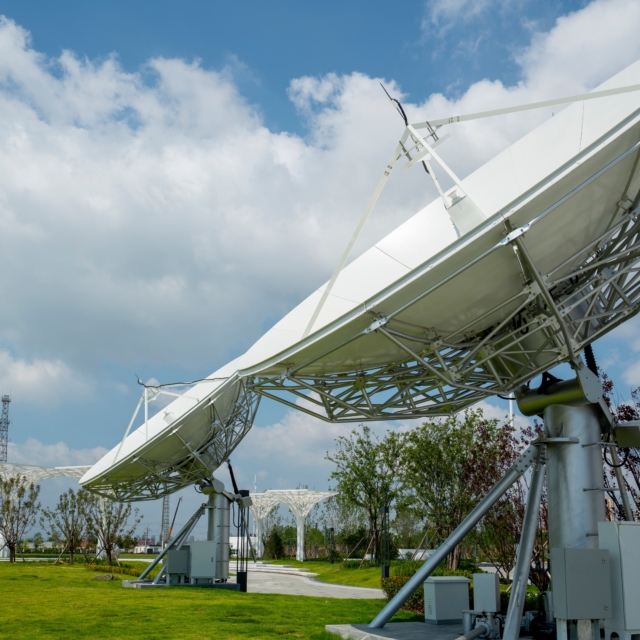
Image courtesy Northumbria University / by yucelyilmaz – credit Getty Images
From GPS and weather forecasting to the financial networks underpinning the global economy, satellites are critical infrastructure that most of us never think about.
However, with more than 40,000 objects now tracked in Earth’s orbit, keeping satellites safe from collisions is an increasingly complex and urgent challenge.
With tens of thousands of objects moving at orbital speeds, tracking debris and predicting risk generates more data than human operators can process alone, making AI an essential tool.
However, no standardised benchmark currently exists to test how reliably those systems perform. The SSA-LaMB (Space Situational Awareness Language Model Benchmark) project will be the first.
Professor Wai Lok Woo, Professor of Machine Learning within Northumbria University’s School of Computer Science and lead researcher on the project, said: “Trustworthy AI in space is not a future ambition – it is an urgent present need.
“With satellite operators carrying out more than 144,000 emergency manoeuvres every year to avoid collisions, AI systems that cannot honestly communicate uncertainty pose real operational risks.
“We are delighted to receive this award to enable us to build the evaluation infrastructure the community needs to move from promising capabilities to proven reliability.
“Developed with operational partners in both UK defence and commercial space sectors, SSA-LaMB gives every researcher access to rigorous AI evaluation tools regardless of whether they hold classified data access or work at a well-resourced institution.”
The project brings together co-investigators from Northumbria University and the University of Sheffield, alongside collaborators including UK space technology company 3S Northumbria Ltd and US-based space analytics company ExoAnalytic Solutions.
All datasets and tools will be released openly via Hugging Face, Figshare and GitHub, making rigorous space situational awareness research accessible to institutions worldwide, including those without access to classified data.
The project has been awarded funding through the AI Hub for Generative Models’ Dataset Creation and Challenge Projects programme.
Northumbria’s award is one of four made nationally, with the programme distributing £400,000 between university-led teams working across science, technology and the creative industries.
The other funded projects, led by Queen Mary University of London, University College London and the University of Sheffield, address challenges including AI understanding of real-world sound, creative performance capture and AI fact-checking in professional contexts.
David Barber, Director of the AI Hub for Generative Models, said: “The availability of rich, diverse and well-curated datasets is vital for advancing scientific and technological innovation.
“The successful proposals are all outstanding examples of what was submitted, covering diverse disciplines, from space science to the performing arts.”
The technical challenge of keeping satellites safe also has a significant legal dimension. Northumbria’s School of Law is home to academics with established expertise in Space Law and Policy.
Researchers are examining the governance frameworks surrounding activities in Earth’s orbit and beyond – including the regulation of satellite operations, orbital debris, cybersecurity and the use of AI in space systems.
Sign up for our newsletter and get our latest content in your inbox.
Similar Reads