

Rolls-Royce partners with Boeing and Lufthansa to test fuel-saving and noise-reduction technologies


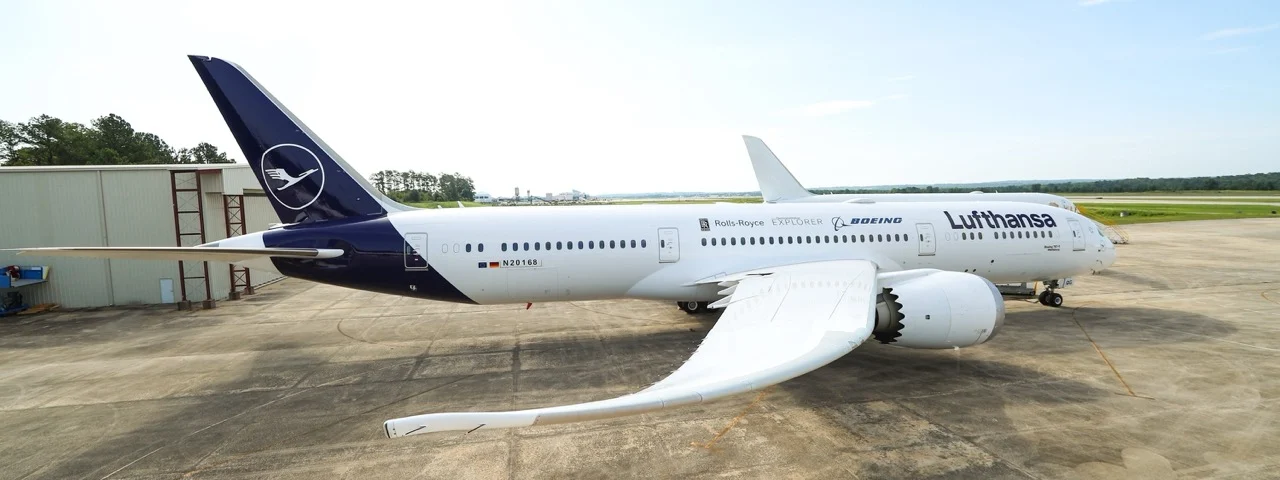
Rolls-Royce, Boeing and Lufthansa are joining forces on a new flight-test campaign to make future commercial aircraft quieter and more fuel-efficient. A Boeing 787-9 Dreamliner destined for Lufthansa will be the flying testbed for technologies that will support aviation sustainability.
The aircraft, powered by Rolls-Royce Trent 1000 engines, will serve as Boeing’s 2026 ecoDemonstrator Explorer before entering service with Lufthansa. Flight testing will begin later this month at Boeing’s research facility in Glasgow, Montana, with the campaign running through mid-August.
Next-generation engine inlet under test
At the centre of the programme is Boeing’s Next Generation Inlet (NGI), a shorter, lighter engine inlet fitted with advanced acoustic treatments.
The demonstrator is designed to explore how future engines can be integrated more efficiently onto new aircraft while reducing aerodynamic drag and weight without increasing noise. Rolls-Royce has provided the engineering support required to safely operate the Trent 1000 engine with the experimental inlet installed.
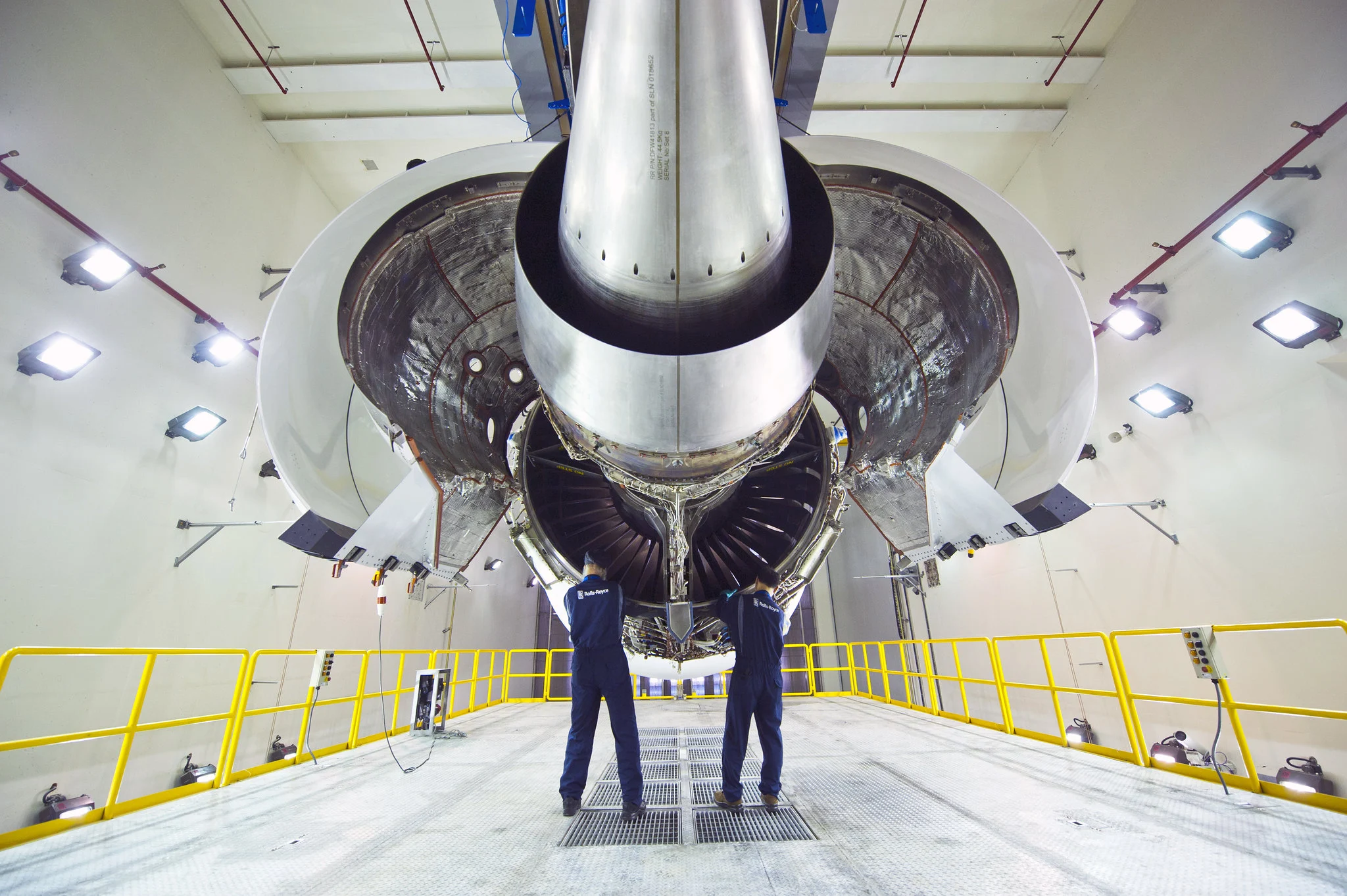
According to Alan Newby, Director of Research and Technology, Rolls-Royce, the programme “is the culmination of a decade of collaboration with Boeing, built on a shared ambition to reduce noise, improve efficiency and unlock more sustainable flight.”
Newby added: “With Boeing and Lufthansa, we are building on our extensive research to test technologies in real-world conditions and see how they perform where it matters most – in service.”
Intelligent flight paths aim to reduce community noise
Alongside the engine hardware, Boeing will also evaluate Intelligent Operations software that generates optimised departure and arrival flight paths using advanced algorithms.
The system analyses multiple operational data sources to identify flight profiles that simultaneously reduce fuel burn and minimise aircraft noise around airports.
Rather than relying solely on new hardware, the trials will examine how operational changes can deliver environmental benefits using existing aircraft.
“Maturing these technologies is key to supporting their fleet modernisation strategies and sustainability goals while advancing resilient aviation growth,” said Allison Melia, Boeing vice president of Sustainability.
Part of the FAA’s CLEEN programme
The research is being conducted under Phase III of the US Federal Aviation Administration’s Continuous Lower Energy, Emissions and Noise (CLEEN) programme, which supports the development of technologies that reduce aviation’s environmental footprint.
The ecoDemonstrator Explorer programme enables Boeing to evaluate emerging technologies on aircraft already destined for airline service, allowing promising innovations to be tested in real operating conditions before commercial deployment. More than 250 technologies have been assessed through the wider ecoDemonstrator programme since it began in 2012, with many progressing into airline operations.
“These tests demonstrate how the public-private partnership of the CLEEN program supports the development and integration of advanced technologies into current and future aircraft,” said Julie Marks, executive director of the FAA’s Office of Environment and Energy.
Lufthansa’s Dreamliner joins before delivery
The Boeing 787-9 used in the campaign will eventually join Lufthansa’s growing Dreamliner fleet once testing concludes.
Using an airline-bound aircraft allows Boeing and its partners to validate technologies on a production-standard airframe rather than a dedicated research aircraft, helping accelerate the path toward certification and commercial adoption.
“Together, we aim to help advance aviation’s transformation by testing technologies with the potential to improve fuel efficiency, reduce noise and prove their value in real-world operations,” said Grazia Vittadini, Chief Technology Officer, Lufthansa Group.
Sign up for our newsletter and get our latest content in your inbox.
Similar Reads



Sign up for our newsletter. Select all sectors relevant to you.
Related