

Scottish space tech to power self-consuming rocket engine

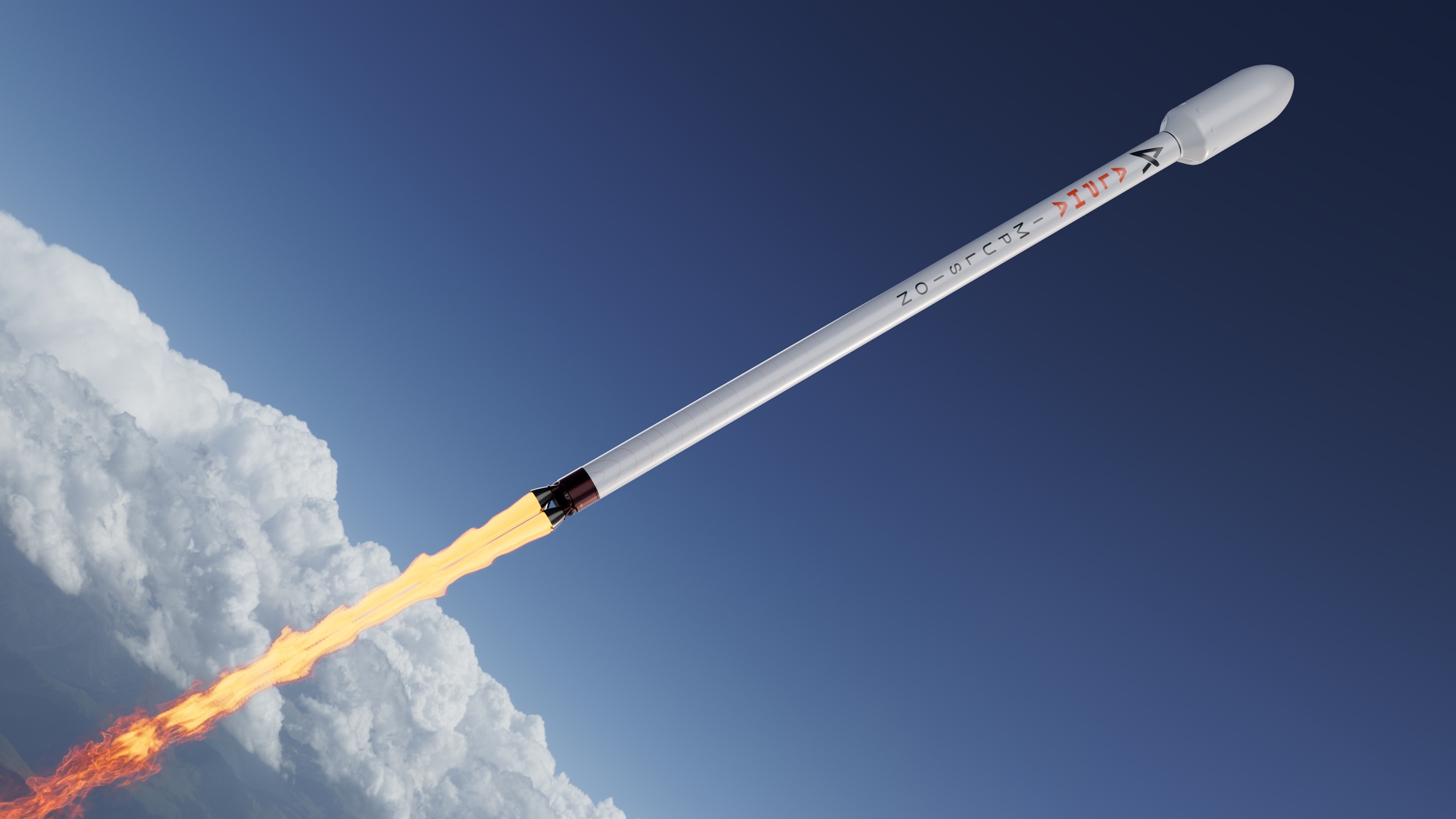
Scotland’s growing space sector is helping to develop a pioneering rocket engine designed to consume part of its own structure as fuel, in a move aimed at making future space missions more efficient and affordable.
Edinburgh-based Aurora Avionics has agreed a contract with European aerospace company Alpha Impulsion to supply crucial electronic systems for an innovative new rocket engine.
The agreement will see Aurora Avionics provide an Engine Control Unit (ECU), and Power Distribution Unit (PDU), which will control key engine functions and manage the electrical power needed during operation.
Advanced engineering partnerships to support European propulsion projects
Myles Bax, Commercial Lead at Aurora Avionics, said the partnership demonstrated how the company’s adaptable technology could support some of the most ambitious propulsion projects now emerging in the European space industry.
Myles said: “This is exactly the kind of programme our technology has been designed to support – one where new thinking, advanced engineering and reliable control systems all have to work together.
“Alpha Impulsion is taking a fundamentally different approach to rocket propulsion, with the potential to reduce complexity and cost while making better use of the vehicle itself.
“Our role is to give its engineers a dependable electronic backbone for the engine, controlling its operation and distributing power where it is needed.
“The initial contract is an important first step but the wider opportunity is significant as the engine progresses through development and towards future missions.”
How an innovative propulsion concept could transform space payload delivery
Alpha Impulsion is developing an autophage rocket engine, a propulsion concept in which the launch vehicle’s own structure is consumed during flight and used as propellant.
The approach is intended to reduce the amount of deadweight that must be carried throughout a mission, allowing the next generation of launch vehicles to operate more efficiently and lower the cost of delivering payloads into space.
The integrated avionics will be used in 2027 to control a 1kN rocket engine for alpha impulsion’s fourth hot-fire campaign.
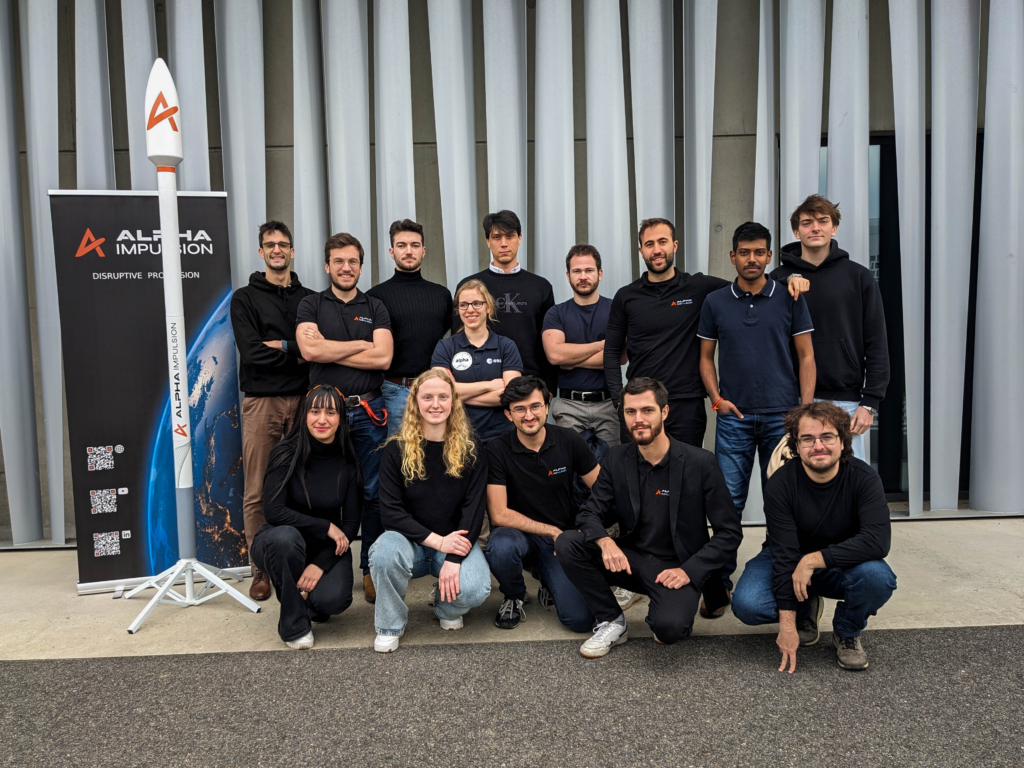
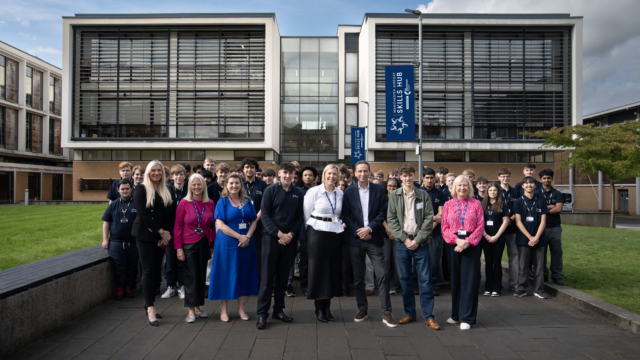
Above: Some of the team from Alpha Impulsion. Photo: Aurora Avionics
Founded in 2022, Alpha Impulsion already has teams in France and Italy and is drawing on expertise from across Europe’s aerospace sector as it develops the technology.
Its long-term aim is to reduce launchers’ propulsion costs by 80% and create more efficient solutions for payloads up to 500 kg, while strengthening Europe’s autonomy and export capabilities in space access.
Avionics tech underpins various stages of development
Marius Celette, Chief Executive Officer at Alpha Impulsion, said: “Developing a new propulsion system requires every part of the vehicle to perform reliably and work seamlessly with the wider engine architecture.
“The control and power systems are central to that process and this partnership gives us access to flexible avionics technology that can support the engine as it moves through successive stages of development.
“Our focus is on challenging established approaches to propulsion and creating systems that can make future European space missions more efficient and commercially viable.”
Aurora Avionics will apply its experience in guidance, control and flight electronics to develop the ECU and PDU around the requirements of the Alpha Impulsion engine.
The ECU will act as a central control system for the engine, processing information and managing commands needed to operate it safely and accurately.
Managing electrical power distribution
The PDU will manage and distribute electrical power between different components, helping ensure each part of the propulsion system receives the power it requires throughout operation. Together, the units will form a key part of the electronic architecture supporting the engine during its development and testing programme.
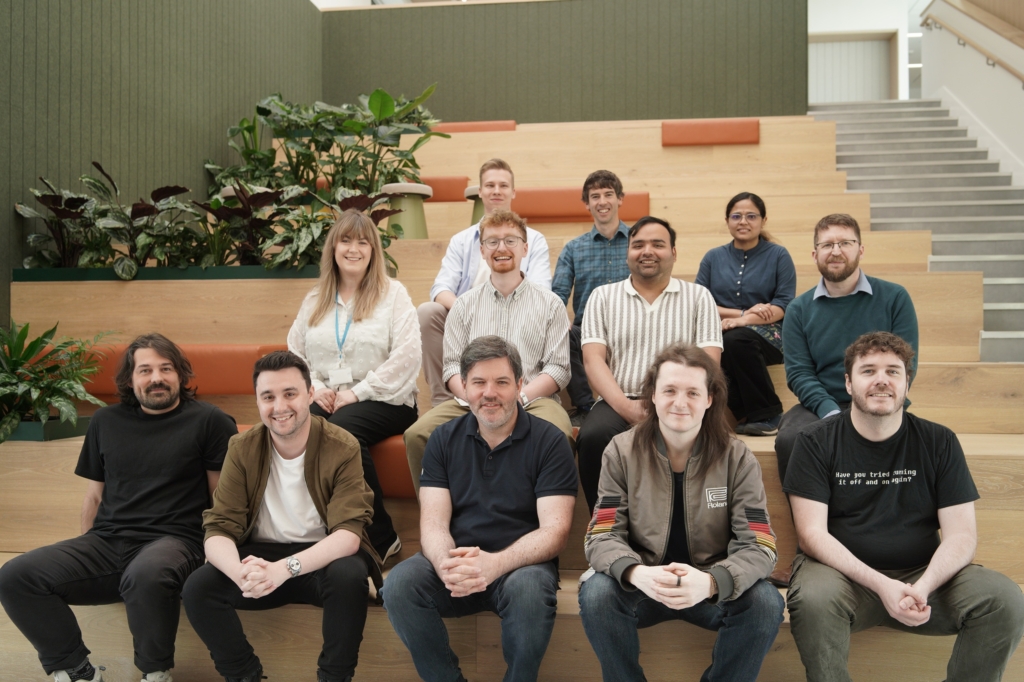
Above: The team at Edinburgh-based Aurora Avionics. Photo: Aurora Avionics
Aurora Avionics develops universal avionics systems designed to help launch vehicle manufacturers move from development to flight more quickly and cost-effectively. Its Edinburgh-based team brings extensive aerospace experience to the design of guidance, navigation, control and related electronic systems for launch vehicles and spacecraft.
The Alpha Impulsion agreement adds propulsion control to a growing range of applications for Aurora’s technology and could lead to substantially larger orders as the engine advances towards later development and deployment stages.
Reducing project costs and programme risks
Oren Smith-Carpenter, Chief Executive Officer of Aurora Avionics, said: “Europe has no shortage of ambitious space engineering businesses but bringing those ideas to market depends on making development faster, less risky and more affordable.
“By creating avionics that can work across different programmes instead of starting again for every vehicle, we can help companies concentrate their time and investment on the technology that makes their mission unique.
“That is particularly valuable for emerging launch and propulsion companies, where controlling development costs can make the difference between a promising concept and a commercially viable system.”
Sign up for our newsletter and get our latest content in your inbox.
Similar Reads


Sign up for our newsletter. Select all sectors relevant to you.
Related