UK targets faster defence procurement as Streeting calls for industrial overhaul



The UK is seeking to cut the time taken to award contracts for new military platforms from six years to two, as Defence Secretary Wes Streeting warned that traditional procurement practices are no longer suited to the speed of modern warfare.
Speaking at the Center for Strategic and International Studies in Washington on 15 October, Streeting said the UK and the US must accelerate defence innovation, expand industrial production and make it easier for smaller technology companies to supply military equipment.

He pointed to Ukraine, where inexpensive drones have demonstrated their ability to destroy weapons costing millions of dollars, as evidence that military advantage increasingly depends on how quickly new capabilities can be developed, manufactured and deployed.
The UK has set targets to reduce the time from concept to contract for new platforms from six years to two, cut the process for adapting existing equipment from three years to one, and complete other acquisitions in less than three months.
The targets form part of a broader effort to change how the Ministry of Defence works with industry, particularly smaller companies capable of developing drones, artificial intelligence and other technologies at speed.
Ukraine changes procurement thinking
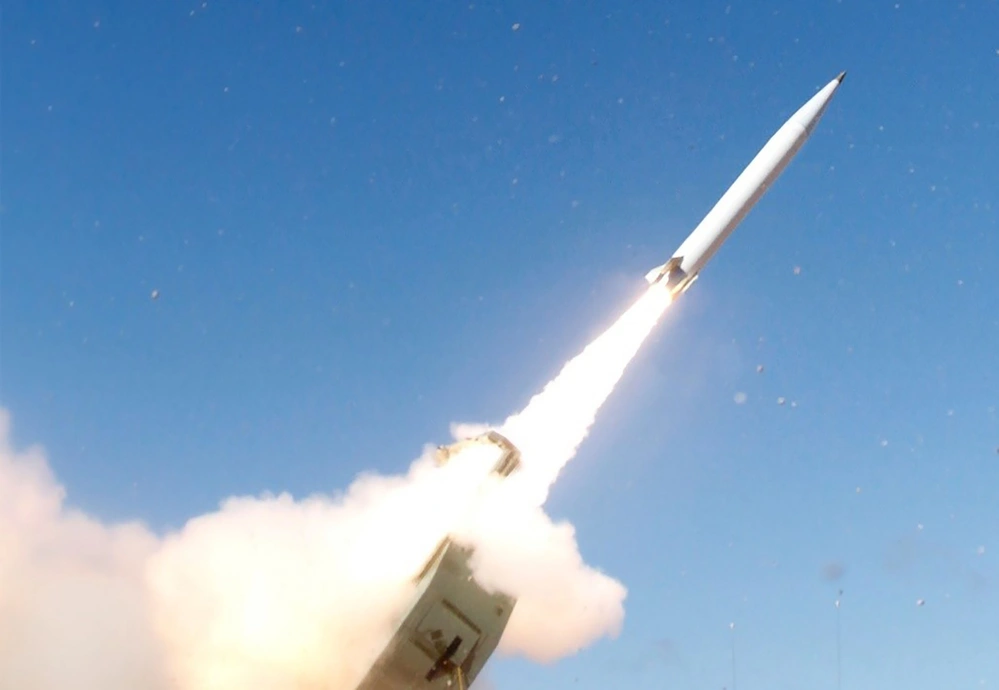
Streeting cited the RAVEN ground-launched missile system, developed to meet an urgent Ukrainian air defence requirement, as an example of what faster procurement can achieve.
Rather than issuing a lengthy technical specification, the government provided industry with a two-sentence operational requirement.

The system was designed, developed and delivered in four months, with the first eight systems costing less than $25 million (£19 million).
British small and medium-sized companies had also taken designs for one-way attack drones from paper to flight in three months, with systems reaching the Ukrainian frontline within a year.
Streeting argued that allowing manufacturers greater freedom to experiment, make mistakes and improve their designs had helped deliver effective weapons more quickly.
“A $650 drone can destroy a $4 million (£3 million) tank,” he said. “Uncrewed boats costing a quarter of a million dollars sink warships worth $65 million (£49.5 million).”
The lesson, he said, was that military strength could no longer be judged simply by the size or sophistication of expensive platforms.
“It is about who can innovate fastest, produce at scale and turn relatively cheap technology to devastating military effect.”
He also highlighted Ukraine’s Avengers Lab, a military artificial intelligence platform that converts battlefield data into algorithms designed to improve situational awareness and target identification.

According to Streeting, UK universities, researchers and technology companies now have access to this data and are using it to develop AI capabilities informed by operational experience.
The relationship with Ukraine has consequently changed, he said, with the UK now learning directly from Ukrainian forces rather than simply providing training and equipment.
UK and US urged to expand production
Streeting said the next stage of UK-US defence cooperation must focus not only on developing advanced weapons but also on manufacturing them in sufficient quantities to sustain prolonged operations.
“A prototype can demonstrate our ingenuity. But it is production at scale that turns ingenuity into military power,” he said.
He called for closer collaboration between British and American scientists, engineers and defence companies on drones, uncrewed vessels, advanced combat aircraft and artificial intelligence.
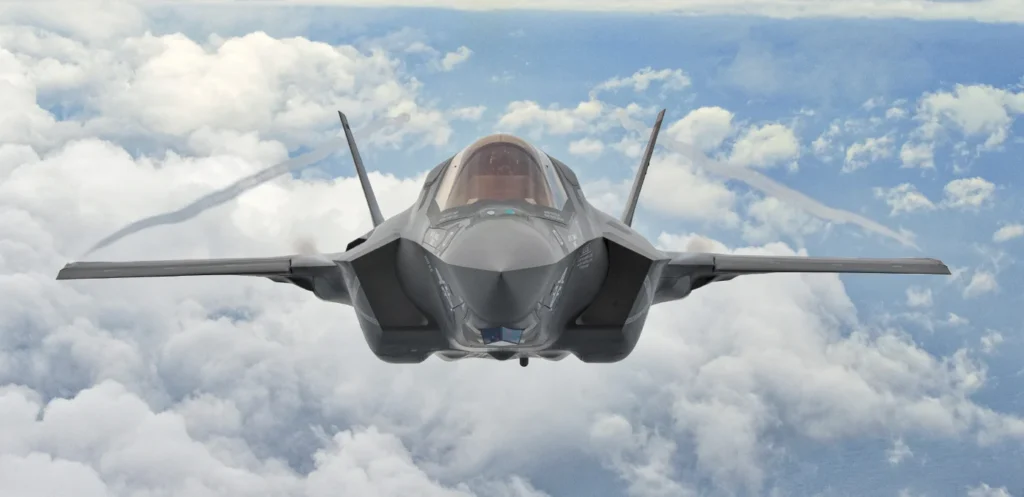
The two countries already have substantial industrial links. Streeting said the UK’s active foreign military sales portfolio with the US exceeds $11 billion (around £8.30 billion), while British industry produces around 15% of each F-35 through more than 100 UK Tier 1 suppliers, supporting over 20,000 jobs.
He also pointed to AUKUS, under which investment in the US submarine industrial base is accompanied by substantial UK investment in its defence nuclear enterprise.
However, he warned that national efforts to strengthen domestic defence industries should not create unnecessary competition between allies.
“It makes no sense to pitch Buy British against Made in Europe against America First,” he said.
Streeting argued that greater industrial integration, easier movement of technology across the Atlantic and combined demand from allied governments would give manufacturers greater confidence to expand production.
He also stressed that interoperability must be considered from the beginning of equipment development rather than added after systems enter service.
European allies must take greater responsibility
The Defence Secretary acknowledged Washington’s frustration over Europe’s reliance on American military power, saying much of that criticism was justified.
He credited President Donald Trump with bringing greater urgency to European defence spending, but insisted that the UK’s response was driven by its own security requirements.
“We are not stepping up because America has told us to,” Streeting said.
“We are stepping up because our national security demands it, our responsibilities require it, and our capability equips us to lead.”
He reaffirmed the UK’s commitment to spending 3.5% of GDP on defence by 2035, while pointing to its nuclear deterrent, NATO command responsibilities and work with European allies on long-range strike capabilities.
The UK has more than 1,000 personnel serving in NATO command posts and has taken command of Joint Force Command Norfolk, alongside maritime and special operations components of NATO’s Allied Reaction Force, he said.
Streeting concluded that higher spending alone would not be enough to strengthen NATO unless governments also changed how they acquire equipment and develop military capabilities.
“Defence spending is the measure of our commitment. Defence capability is the measure of our credibility,” he said.
The challenge for the UK, he argued, is to turn increased defence investment into weapons and systems that can be delivered quickly, manufactured at scale and sustained during a prolonged conflict.
Sign up for our newsletter and get our latest content in your inbox.
Similar Reads



Sign up for our newsletter. Select all sectors relevant to you.
Related