UK reserves new Faslane submarine docks for British shipyards


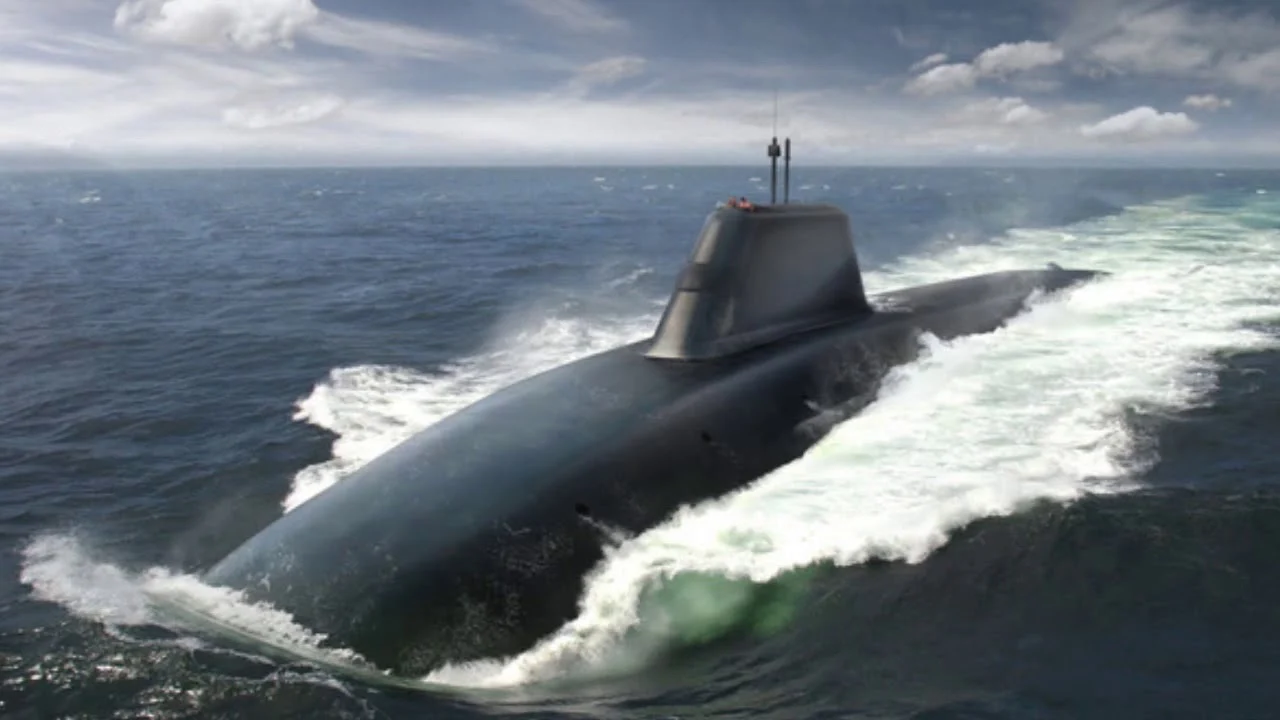
Britain will restrict the competition to build three new floating docks for the Royal Navy’s nuclear submarine fleet to UK companies, reserving a major part of the expansion of HM Naval Base Clyde for the domestic defence industry.
The docks, being procured under Programme Euston, will provide maintenance, inspection, upgrade and repair capacity for Britain’s current and future nuclear submarines. The government said the decision to hold a UK-only competition reflected the importance of the facilities to national security and the need to retain sovereign industrial capability.
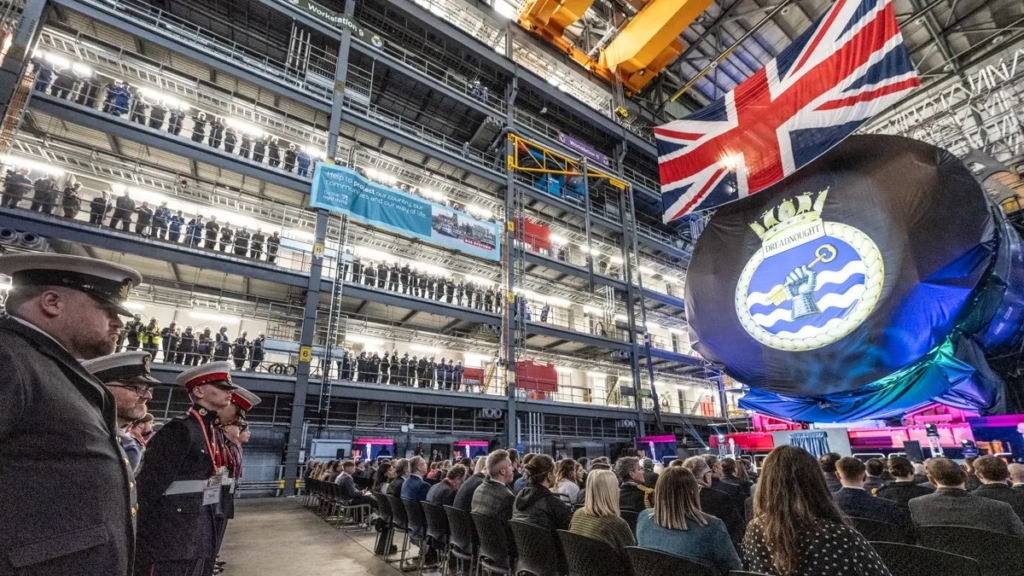
The announcement comes as the UK prepares for a substantial expansion of its submarine enterprise. The Royal Navy is bringing the Dreadnought-class ballistic missile submarine into service, completing the Astute-class attack submarine programme and developing SSN-AUKUS as the next generation of nuclear-powered attack submarines.
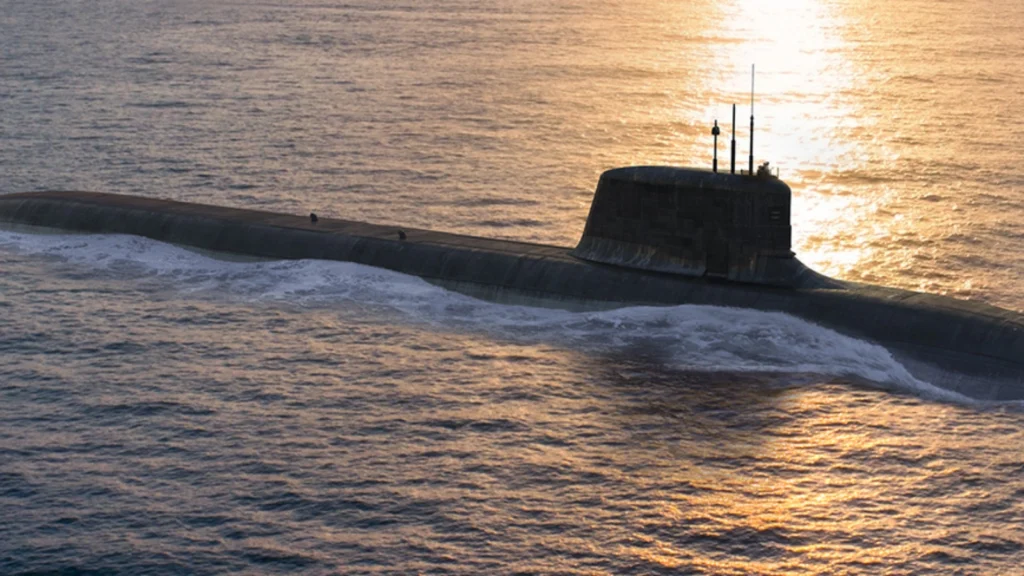
Under plans set out following the Strategic Defence Review, Britain intends to build up to 12 SSN-AUKUS submarines and move towards producing a new attack submarine every 18 months. The first UK-built SSN-AUKUS is planned to enter service in the late 2030s.
That programme will require more than additional submarine construction capacity at Barrow-in-Furness. The Navy also needs the docks, maintenance facilities and nuclear infrastructure to support a larger fleet throughout its operational life.
Faslane prepares for future submarine fleet
HM Naval Base Clyde at Faslane is at the centre of that expansion. The base is home to the Royal Navy’s Vanguard-class ballistic missile submarines, which maintain the UK’s Continuous At Sea Deterrent, as well as Astute-class attack submarines. It is also being prepared for the arrival of the four Dreadnought-class boats that will replace Vanguard.
The government announced in July that £15.1 billion would be invested in Clyde over the next decade as part of a wider £26 billion programme to modernise the Royal Navy’s three main bases at Clyde, Devonport and Portsmouth.
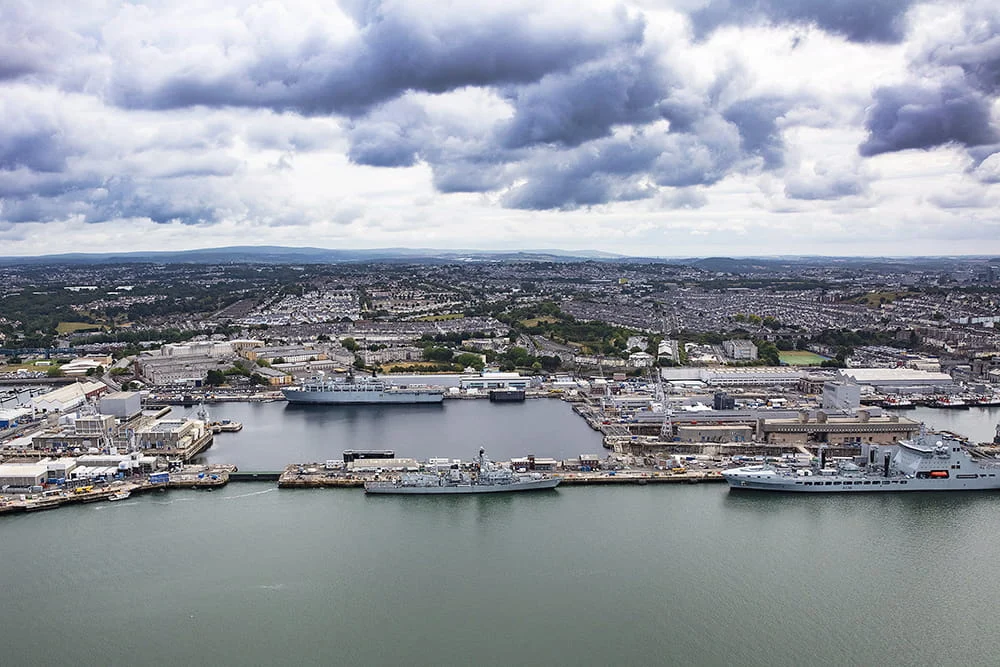
The investment covers docking, engineering and waterfront infrastructure needed to support the future fleet. More than 6,500 military and civilian personnel currently work at Clyde.
Programme Euston forms part of that longer-term transformation. Plans for the three floating docks were first set out in 2023, with the facilities expected to enter service in the early 2030s.
Unlike a conventional dry dock built into the shore, a floating dock can be submerged to allow a submarine to enter before being raised, leaving the hull out of the water for inspection and maintenance.
The government has not disclosed a separate contract value for the three docks. It described the maritime projects announced on Monday collectively as being worth billions of pounds.
Chancellor John Healey said the decision to place the work with British industry was intended to combine investment in national security with support for the domestic shipbuilding sector.
“Britain has a proud shipbuilding heritage, and every pound of this strategic investment in a critical sector is backing British jobs on the Clyde and businesses across the UK, supporting growth in every postcode,” Healey said.
“By backing British shipyards, we are not only boosting national security but also securing resilience in the industries that will drive growth today while building the capabilities the country needs for the future,” he asserted.
Defence Secretary Wes Streeting said keeping the dock programme in Britain was part of a wider policy of using defence procurement to maintain domestic industrial capability.
“Defence spending should make Britain stronger in every sense. That means backing British by buying British wherever our industry can deliver,” Streeting said.
“HM Naval Base Clyde is at the heart of our submarine service. Programme Euston will modernise it for decades to come, while backing British shipyards, workers and engineering.”
He added: “That is defence driving the reindustrialisation of Britain and strengthening our sovereign capability.”
New research vessel to be built in UK
The government has also committed funding for a new marine research vessel, which will be constructed in a UK shipyard.
The ship will replace an existing research vessel approaching the end of its operational life and is expected to enter service in the early 2030s. It will collect data on British seas and oceans, including information used to assess fish stocks and support management of the marine environment.
“The evidence it collects will help ensure the security of our seas, support sustainable fishing and give coastal communities confidence that fish stocks are being managed for the future,” the Chancellor said.
The GMB union also welcomed the wider shipbuilding package, including the government’s commitment of £115 million for a new marine research vessel to be built in a UK shipyard.
Charlotte Brumpton-Childs, GMB national secretary, described the announcement as a “massive boost” for the UK’s shipbuilding sector.
“For too long juicy contracts have been sent to overseas – often subsidised – yards,” she said. “This policy could reinvigorate UK yards and the communities that depend on them.”
Both programmes form part of the government’s wider effort to direct more public procurement towards UK industry. The Treasury said the projects would be delivered by British companies, supporting domestic jobs and supply chains as well as retaining industrial capability.
Sign up for our newsletter and get our latest content in your inbox.
Similar Reads