

First British SSN-AUKUS submarine to enter production in 2027


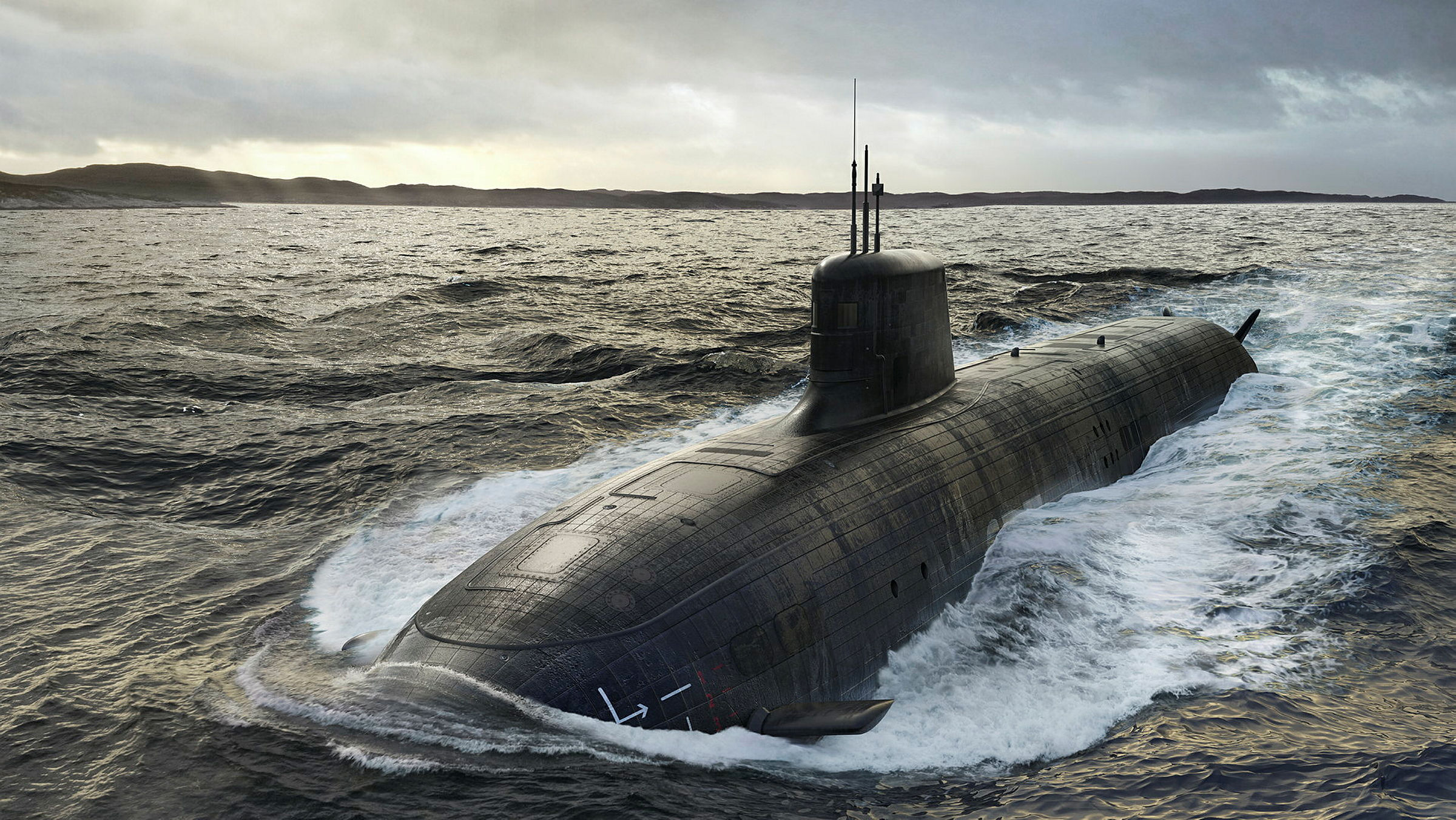
The UK will begin building its first SSN-AUKUS nuclear-powered attack submarine in 2027, when steel is cut at BAE Systems’ Barrow shipyard for the Royal Navy’s successor to the Astute class.
The timetable is confirmed in the Ministry of Defence’s Defence Nuclear Enterprise 2026 Annual Update to Parliament, which says the first Royal Navy SSN-AUKUS, being built with Australia and the United States, remains on course to enter service in the late 2030s.
The programme has already placed contracts worth about £4 billion for design work, long-lead items and the industrial infrastructure needed to build the submarines. It is currently in the Detailed Design and Long Lead, or D2L2, phase.
“On current plans, steel will be cut on the first UK SSN-AUKUS submarine in 2027, marking the start of production,” the MoD said in the annual update.
That will be an important moment for a programme that until now has largely been about design, infrastructure and preparing an industrial base capable of producing submarines much faster than it does today.
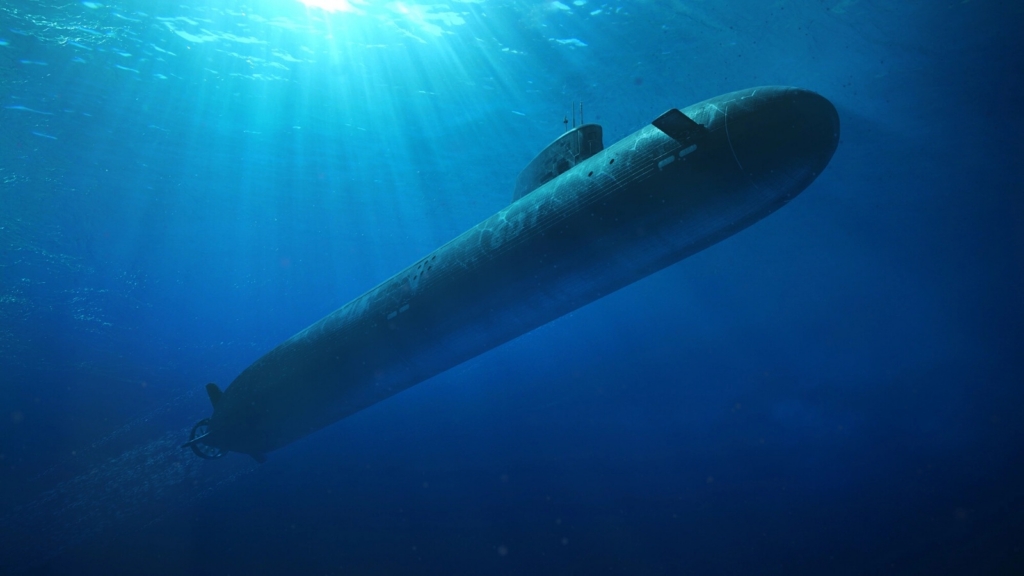
SSN-AUKUS will be a UK-designed, nuclear-powered but conventionally armed attack submarine. It will eventually replace the Royal Navy’s seven Astute-class boats and will also form the basis of Australia’s future domestically built nuclear-powered submarine fleet.
The precise size of the future British fleet, however, has yet to be settled. The annual update says a decision on the number of SSN-AUKUS submarines to be procured is expected before the D2L2 phase concludes in 2028.
UK is preparing to double its submarine build rate
Starting the first submarine is only one part of a much larger industrial challenge.
Britain wants eventually to produce a submarine every 18 months, roughly twice the present build rate. About £6 billion is being invested during the current Spending Review period to expand and modernise submarine construction at BAE Systems’ Barrow-in-Furness yard, Rolls-Royce’s Raynesway nuclear reactor facility near Derby and companies across the supply chain.
The aim is not simply to build SSN-AUKUS more quickly. UK will need an industrial system capable of constructing attack submarines while work on its ballistic-missile submarine fleet continues.
The annual update describes the investment as “pivotal” to establishing continuous production of one SSN-AUKUS every 18 months and enabling the parallel construction of SSN attack submarines and SSBN ballistic-missile submarines.
The scale of that change is already visible at the two principal industrial sites.
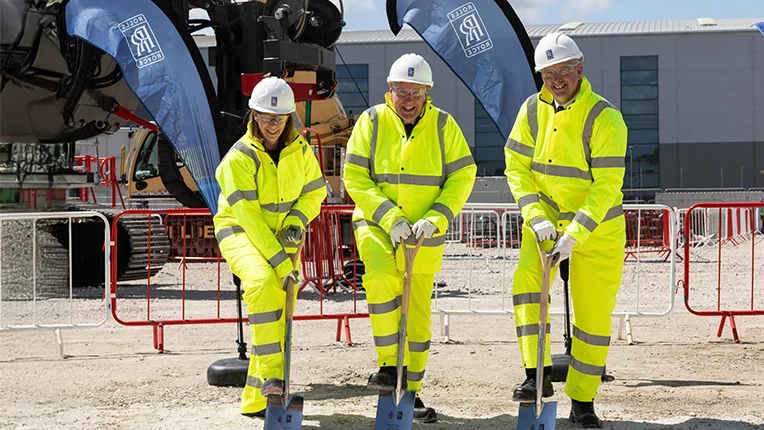
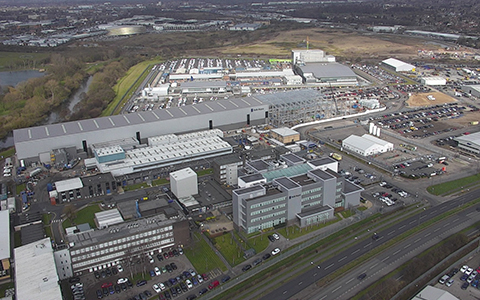
Rolls-Royce has begun expanding Raynesway, where the nuclear reactors for Britain’s submarine fleet are designed and manufactured. Work has started on a new Primary Components and Operations Facility, alongside improvements to site access and prototyping facilities.
At Barrow, the concept design for a new submarine propulsion testing facility, known as SMITE2, was completed earlier this year. Work is also progressing at Ramsden Dock to prepare for future manufacturing infrastructure, while investment is going into digital design, manufacturing technology and training facilities.
The MoD is also targeting parts of the supply chain that could become bottlenecks as production accelerates, including propulsors, electrical switchgear and precision engineering.
The investment comes as the wider Defence Nuclear Enterprise is expanding rapidly. It currently supports more than 47,000 people and over 6,000 UK businesses, with workforce demand expected to reach about 65,000 by 2030.
SSN-AUKUS will follow the Astute class
The new submarine will inherit the attack-submarine role currently performed by the Astute class.
Astute submarines are nuclear powered but do not carry nuclear weapons. Their conventional armament includes Tomahawk land-attack missiles and Spearfish heavyweight torpedoes. Their missions range from tracking and attacking hostile ships and submarines to intelligence gathering, support for special forces and protection of maritime task groups.
The sixth submarine, HMS Agamemnon, was commissioned at Barrow in September 2025 and has since completed its first trim dive. Construction continues on the seventh and final Astute-class submarine.
Meanwhile, HMS Astute, the lead submarine of the class, has completed its first 15-year commission and is preparing for a Mid Life Re-Validation Period at Babcock’s Devonport facility.
That makes the timing of SSN-AUKUS important. The first new submarine is not expected to join the fleet until the late 2030s, leaving Britain to sustain the Astute force through much of the next decade while simultaneously increasing construction capacity for its successor.
The new class will also arrive while another major submarine programme is still moving through Barrow.
Britain is building four Dreadnought-class ballistic-missile submarines to replace the Vanguard class and maintain the country’s continuous at-sea nuclear deterrent. Steel was cut on the fourth Dreadnought, HMS King George VI, in September 2025.
In July, the government announced another £8.4 billion for the next phase of Dreadnought construction. HMS Dreadnought, the first of the class, is expected to complete sea trials and be ready to enter Royal Navy service in the early 2030s.
The government says around £6 billion of investment in Barrow and Raynesway will ultimately allow the submarine enterprise to sustain the much faster production rhythm required by the coming programmes.
British reactors will power Australian submarines
SSN-AUKUS is also different from previous Royal Navy submarine programmes because Britain will not be its only customer.
Australia will build its own SSN-AUKUS submarines at the Osborne Naval Shipyard in South Australia, while British boats will continue to be constructed at Barrow.
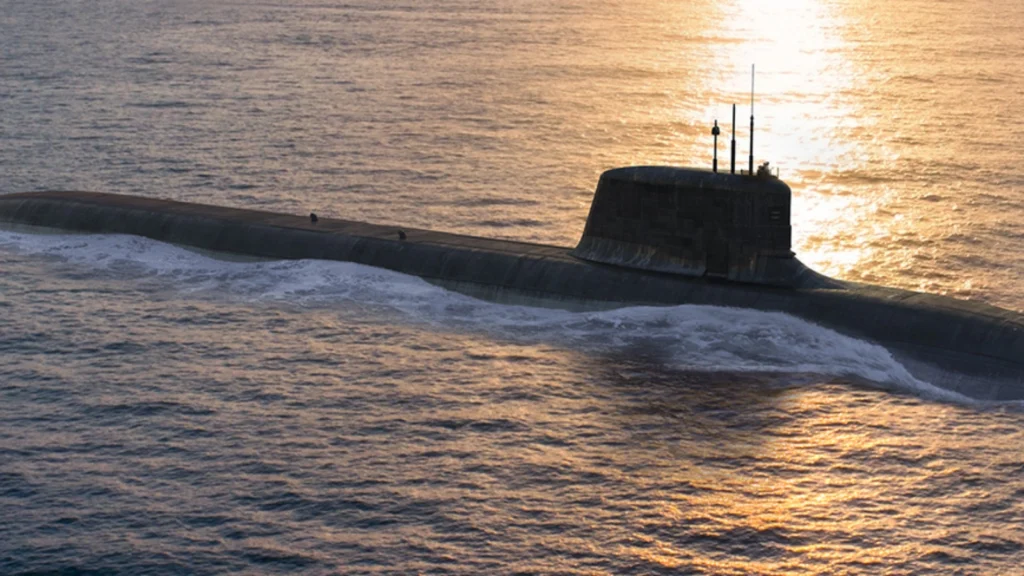
But a critical part of every submarine will come from Britain.
Rolls-Royce’s Raynesway facility will manufacture the next-generation nuclear reactors for all SSN-AUKUS submarines, including the Australian boats. Britain will also supply other components while Australia’s submarine industrial base develops.
Australia is putting £2.4 billion into Rolls-Royce infrastructure and SSN-AUKUS design costs over ten years, making the expansion of Britain’s submarine industrial base directly connected to Australia’s programme as well as the Royal Navy’s requirements.
The relationship is intended to last well beyond construction of the first boats. The Geelong Treaty, signed by UK and Australia in July 2025, provides for 50 years of cooperation covering the design, construction, operation, sustainment and eventual disposal of their SSN-AUKUS submarines.
Australia is already gaining experience with British nuclear submarines. HMS Anson visited HMAS Stirling near Perth this year for a Submarine Maintenance Period. Australian companies completed more than 2,500 person-hours of work during the visit, with 17 businesses involved and 34 required components manufactured locally, according to the MoD.
A submarine programme stretching into the 2030s
The 2027 steel cut will therefore be the start of a programme whose industrial footprint stretches well beyond the first Royal Navy submarine.
The MoD is establishing a Submarine Production Alliance bringing together BAE Systems, Rolls-Royce and Babcock with the department to support future programmes. At the same time, Britain is expanding Barrow, increasing reactor production at Derby and trying to grow the skilled workforce needed to sustain a continuous submarine-building programme.
There is still one important figure missing.
The government has previously set out an ambition for a substantially larger attack-submarine fleet, but the 2026 annual update does not specify the final number of SSN-AUKUS submarines UK will buy. Instead, that decision is now expected by the end of the current design and long-lead phase in 2028.
“The SSN-AUKUS programme is currently progressing through the Detailed Design and Long Lead (D2L2) phase. Decisions on the total number of submarines to be procured are expected to be taken before the end of the D2L2 phase in 2028,” the report said.
Sign up for our newsletter and get our latest content in your inbox.
Similar Reads