Inside the BBC’s ‘Black Sky’ plan to keep the UK informed during a major blackout

The BBC has drawn up emergency plans to keep broadcasting across the UK if a major power failure or cyberattack knocks out electricity, internet connections and mobile phone networks, according to a report by the broadcaster.
The contingency arrangements, designed for what emergency planners call a “Black Sky” event, would allow the BBC to transmit essential information and government advice for at least 72 hours without relying on normal internet infrastructure.
The plans were detailed in a BBC investigation by correspondent David Sillito, which examined how the UK would cope with a prolonged disruption to critical services.
A Black Sky event refers to a severe, widespread failure of essential infrastructure. Although a cyber attack could trigger such an emergency, extreme weather, flooding or other damage to electricity networks could have similar consequences.
The concern is not simply that households would lose power. A prolonged outage could also interrupt water supplies, mobile communications, banking, fuel distribution and transport systems.
The government has said there is no specific threat to the national electricity grid.
How the BBC plans to stay on air
According to the BBC report, approximately 100 staff would operate a specially prepared emergency radio studio, although only a small number of people know the full details of the arrangements.
The facility would have secure communication links independent of the internet, along with sufficient food, water and fuel to operate for at least three days without outside supplies.

Emergency broadcasts would include pre-arranged government messages advising the public how to manage without essential services.
These could range from drinking-water requirements to instructions on sanitation if water supplies and sewage systems stopped functioning.
Selected BBC journalists would also be able to report from emergency centres around the UK using satellite communications.
The broadcasts would reach listeners through FM transmission towers equipped with backup generators. According to the report, fuel storage at individual sites ranges from five litres to 40,000 litres, allowing generators to support transmissions during an extended outage.
Staff would use satellite telephones to maintain contact, with alternative arrangements available if those connections also failed.
The BBC quoted an unnamed insider as saying contingency planning had initially considered interruptions lasting five to seven days.
However, the broadcaster was told that the National Energy System Operator (NESO) expected electricity supplies could probably be restored within two to three days in the scenario under discussion.
That assessment is not a guarantee that every major blackout would be resolved within 72 hours.
Why older technology still matters
The reliance on FM radio reflects a weakness in modern communications systems. Mobile networks and internet services depend on electricity, equipment at numerous locations and interconnected infrastructure.
A failure affecting several of those systems simultaneously could leave people unable to receive emergency instructions through their usual devices.

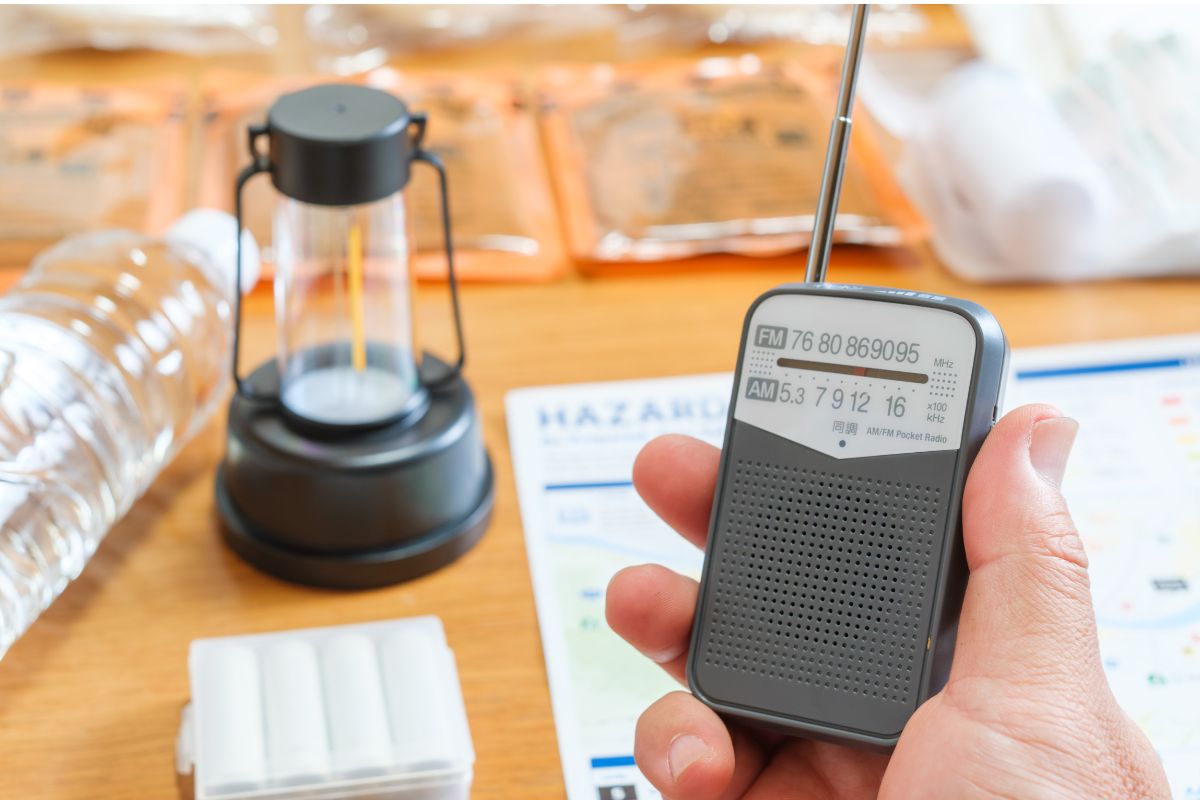
FM radio, particularly when supported by independent generators and battery-powered receivers, offers an alternative.
The BBC investigation recalled a major blackout in Lancaster on 5 December 2015, when flooding of the River Lune disrupted electricity supplies to 61,500 people.
The outage affected shops, cash machines, traffic lights, petrol stations and parts of the water supply. Mobile communications were also disrupted.
Professor Roger Kemp, a specialist in safety and electrical engineering at Lancaster University, subsequently examined the incident.
The BBC reported that copper-wire landlines and FM radio were among the communications systems that continued operating. The experience highlighted how quickly failures in one essential service can spread into others.
Lord Toby Harris, chair of the National Preparedness Commission, also warned that electricity failures could disrupt water distribution and sewage systems because both depend on electrically powered equipment.
The BBC quoted the Cabinet Office as saying: “The UK has one of the most resilient electricity systems in the world, and there has never been a complete outage in the grid’s 75-year history.”
Cyber attacks add to resilience concerns
The contingency arrangements come amid growing concern about cyber threats to UK infrastructure and businesses.
ADVANCE has previously reported on warnings from the National Cyber Security Centre about the increasing sophistication of cyber attacks, including the potential for artificial intelligence to make some attacks more effective.
Recent reporting on cyber incidents affecting UK businesses has also illustrated the disruption that attacks can cause to everyday operations.
However, a cyber attack against an individual company is different from an incident capable of causing a prolonged, widespread electricity failure. The BBC’s Black Sky planning addresses a broader range of emergencies and is not a response to a confirmed attack on the national grid.
The government is also examining alternative ways to maintain communications when terrestrial networks fail.
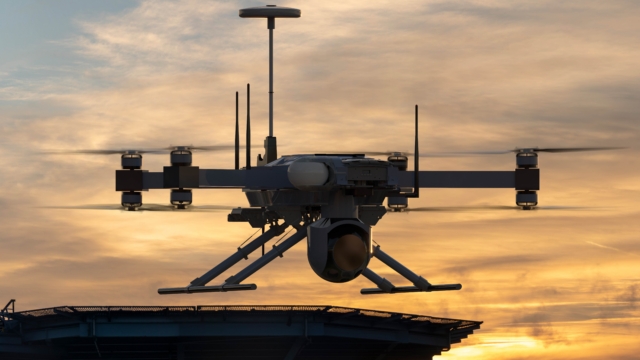
According to the BBC, the Advanced Research and Invention Agency (ARIA) is investing £70 million in technologies that could enable high-altitude aircraft to provide emergency mobile and internet connectivity for at least a week.
Such systems remain under development and are not an immediate replacement for existing emergency communications.
“When ground networks fail, there are limits to what satellites can provide as a fallback,” said Rico Chandra, programme director for ARIA’s Enduring Atmospheric Platforms.
The government’s Be Ready campaign encourages households to prepare for possible disruptions to essential services, including keeping supplies and a battery-powered or wind-up radio.
The BBC noted that the renewed focus on emergency communications comes as the UK prepares to retire the traditional copper-wire telephone network, which in many cases continued working during power cuts.
Traditional copper-wire telephone services are being phased out, while the future of FM broadcasting remains under government review.
“If anything, we’ve gone backwards,” Prof. Kemp said. “Switching off the public switch telephone network, I think shows that there has been really no thought at all about how you communicate when you’ve no longer got power.”
The challenge facing emergency planners is ensuring that the UK retains reliable ways to communicate when the digital networks on which much of daily life depends are unavailable.
Sign up for our newsletter and get our latest content in your inbox.
Similar Reads




Sign up for our newsletter. Select all sectors relevant to you.
Related