Royal Navy moves to deter Russian undersea threats with new ‘Atlantic Net’ investment

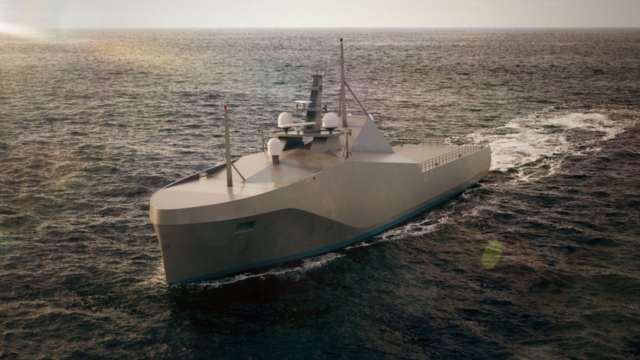
The UK is set to strengthen its ability to detect and deter Russian undersea threats in the North Atlantic following a £90m investment in autonomous drones, advanced sensors and artificial intelligence (AI) systems for the Royal Navy.
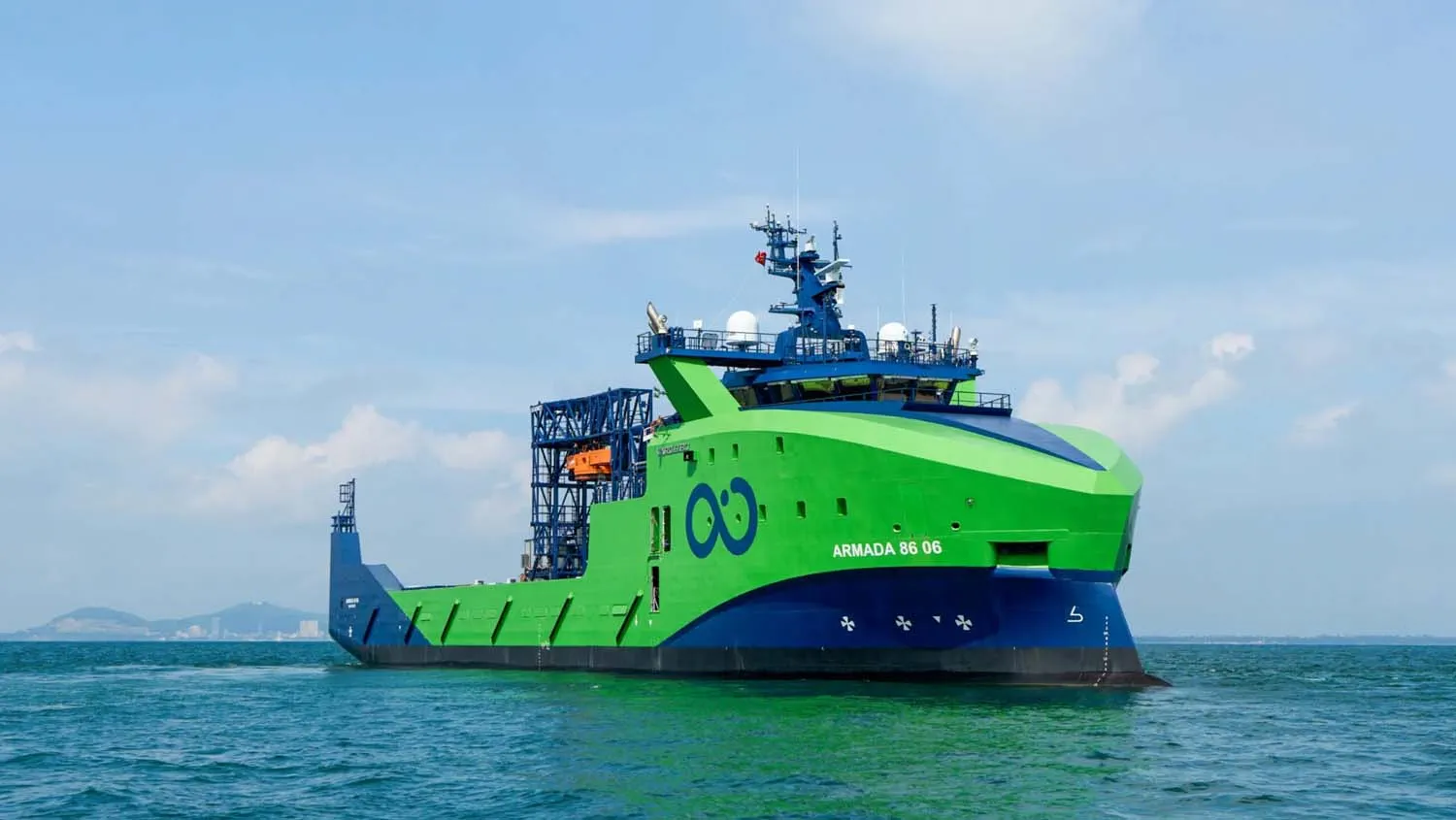
Announced on 10 November at the International Sea Power Conference – which was co-hosted by the UK and Norway aboard HMS Prince of Wales (R09) in Oslo, Norway – the investment will establish ‘Atlantic Net’, a new maritime surveillance network that is being developed through a framework agreement with the Hampshire-based Ocean Infinity Solutions.
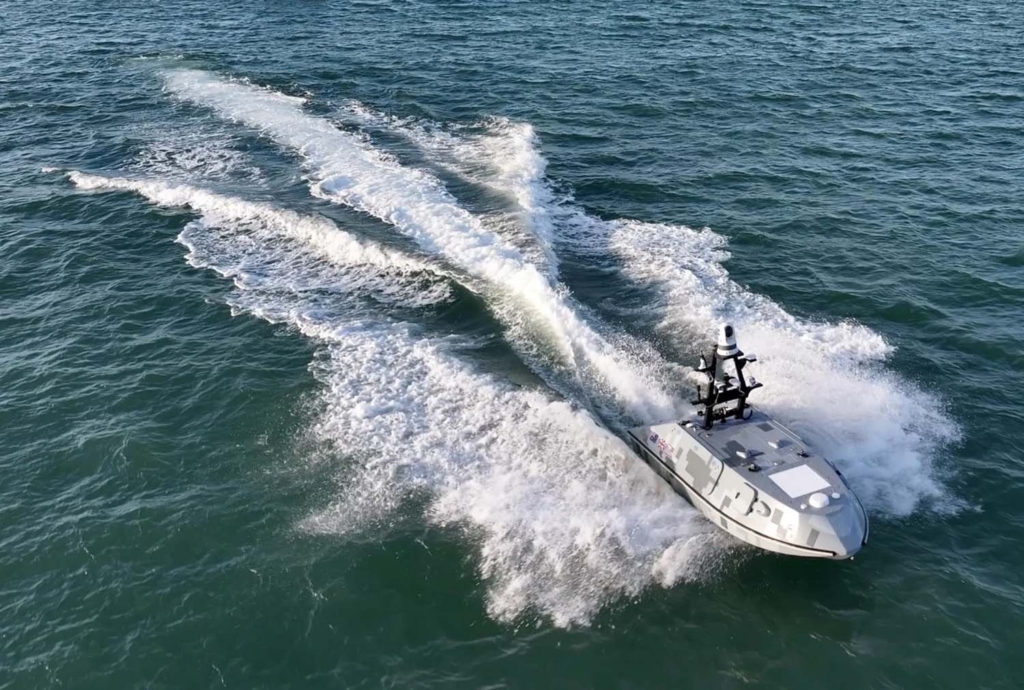
The initiative will combine uncrewed maritime platforms, underwater sensors, sonar, communications and AI-enabled data analysis to provide persistent surveillance across strategically important areas of the North Atlantic.
The Atlantic Net system is designed to identify suspicious activity, including the movements of Russian submarines, and provide earlier warning to Royal Navy warships and Astute-class hunter-killer submarines.
Commenting on the investment, UK Minister for Defence Readiness and Industry Luke Pollard MP said: “The threats beneath the North Atlantic are changing, and we are changing with them. This investment gives the Royal Navy new technology to find threats earlier and protect our critical infrastructure, while also backing British business.”
The framework represents an initial £90m commitment and is intended to make Atlantic Net operational from 2027. Approximately 200 skilled jobs are expected to be supported across Ocean Infinity Solutions and its immediate supply chain as part of this initiative.
Casting a wide net to detect and monitor Russian submarine activity
A key priority for Atlantic Net will be monitoring the Greenland-Iceland-UK (GIUK) gap, a strategically important maritime corridor that connects the Arctic and North Atlantic regions. The area is particularly significant for tracking Russian naval activity, including submarines operating from the Russian Navy’s Northern Fleet.
The network will also strengthen protection of critical undersea infrastructure, including communications cables and energy networks, which underpin the UK’s economic security and connectivity with international partners.
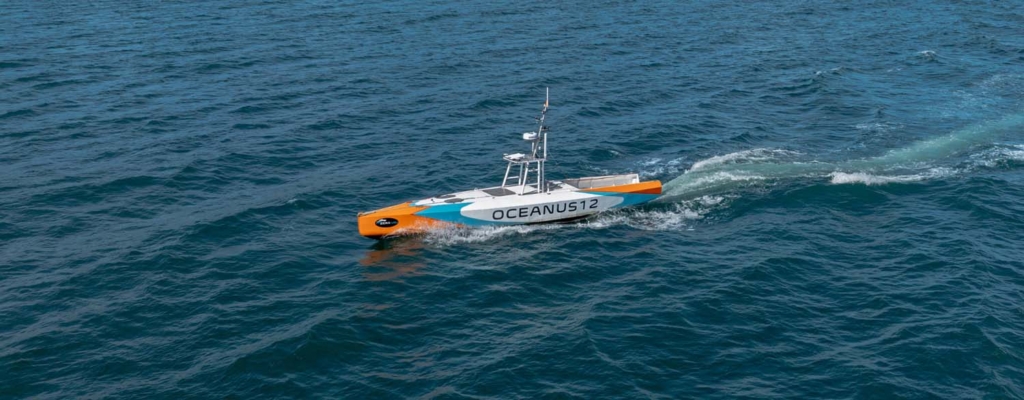
Under the proposed contractor-owned, contractor-operated naval oversight (COCONO) operating model, Ocean Infinity Solutions will provide the surveillance service under Royal Navy oversight, integrating data from multiple autonomous platforms and sensors into a coherent operational picture.
According to Navy Lookout, the firm’s existing remote operations capability and experience operating its Armada fleet of remotely controlled survey vessels will provide an established industrial foundation for the programme. The investment reflects growing recognition that protecting the seabed requires more persistent surveillance than conventional crewed naval platforms can provide alone.
Atlantic Bastion: Delivering the next generation of maritime defence in the North Atlantic
Atlantic Net represents the first major element of the Royal Navy’s wider ‘Atlantic Bastion’ programme, which aims to combine crewed and uncrewed systems into a more integrated maritime defence capability. The approach intends to increase surveillance coverage and operational persistence while allowing high-value warships and submarines to focus on their core operational combat roles.
AI-assisted analysis will be central to making the proposed system effective, helping operators process information gathered across extensive areas of ocean and identify potential threats requiring further investigation.
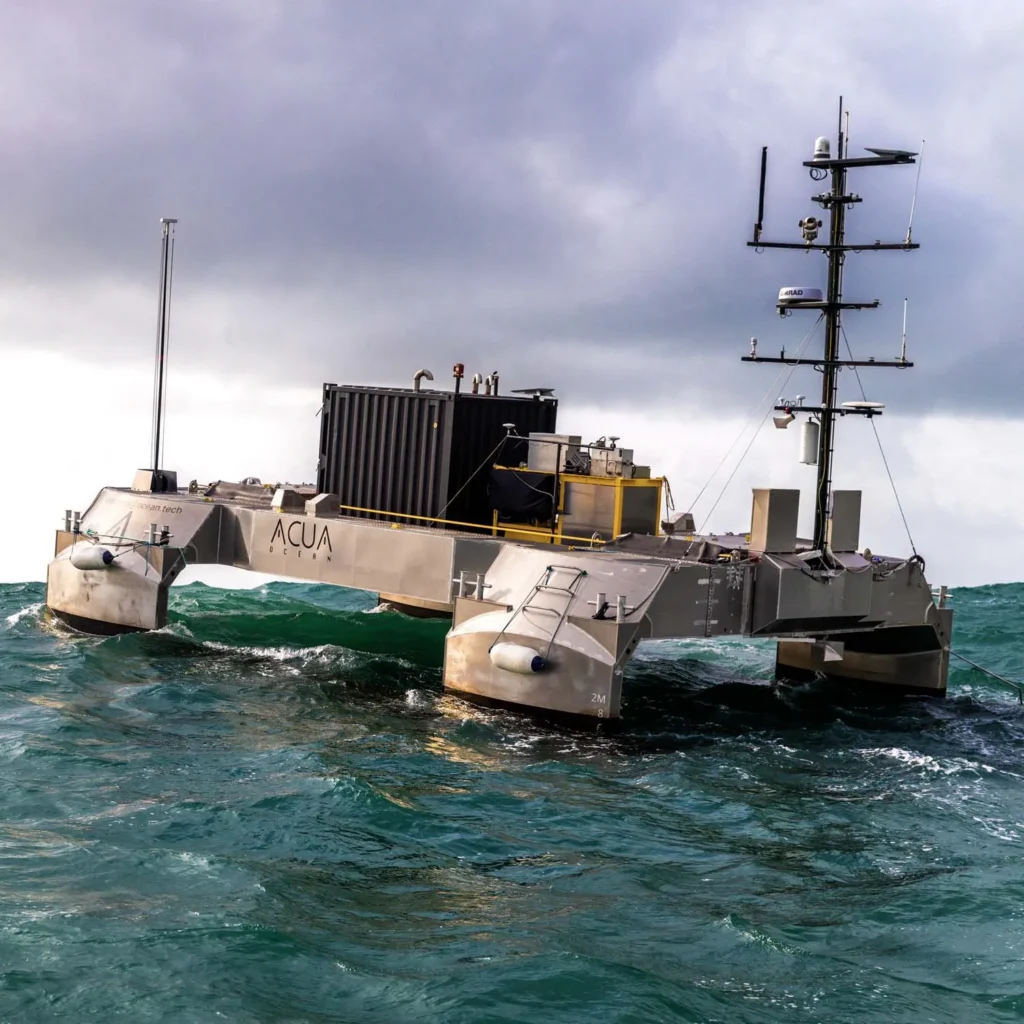
The announcement also highlights the growing role of UK industry in delivering next-generation defence capabilities. The government expects the investment to support domestic engineering expertise, technology development and specialist supply chain employment.
While Atlantic Net will not replace the Royal Navy’s conventional anti-submarine warfare (ASW) assets, it could significantly enhance their effectiveness by improving early detection and overall situational awareness.
As Russian maritime activity and threats to critical seabed infrastructure remain a strategic concern, the initiative marks an important step towards delivering a more persistent, technology-enabled Royal Navy presence in the North Atlantic, especially as the service leans more heavily into employing its own ‘Hybrid Navy’ concept.
Sign up for our newsletter and get our latest content in your inbox.
Similar Reads



Sign up for our newsletter. Select all sectors relevant to you.
Related