Edgewing awarded £4.6bn to advance GCAP sixth-generation fighter


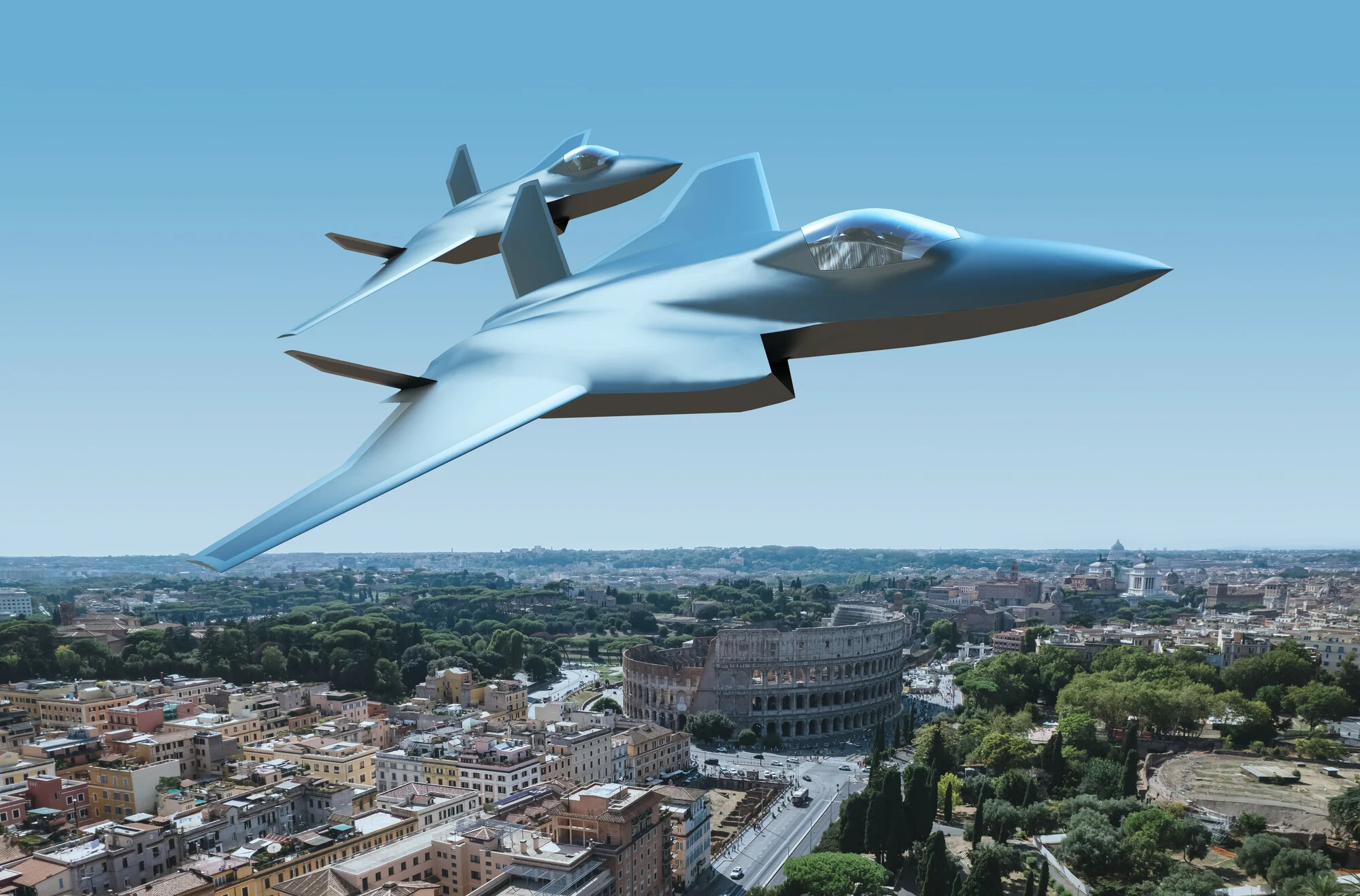
The UK, Italy and Japan have signed a £4.6 billion contract to take the Global Combat Air Programme into its next major design phase, giving fresh certainty to one of Britain’s most important defence industrial programmes.
The contract has been awarded through the GCAP Agency to Edgewing, the trinational industry joint venture established to lead the design and development of the next-generation combat aircraft.
For the UK, the announcement comes only days after the Defence Investment Plan confirmed £8.6 billion of funding for GCAP over the next four years, underlining the programme’s place at the centre of Britain’s future combat air strategy.
GCAP moves into next design phase
GCAP brings together the UK, Japan and Italy to develop a sixth-generation combat aircraft, targeted to enter service from 2035. The aircraft is expected to operate alongside Typhoon, F-35 and autonomous systems as part of a next-generation Royal Air Force.
The new contract will support the next stage of aircraft design by establishing key requirements and progressing testing work. It will also help move the programme deeper into the advanced concept, assessment and detailed design activity needed before full-scale development.
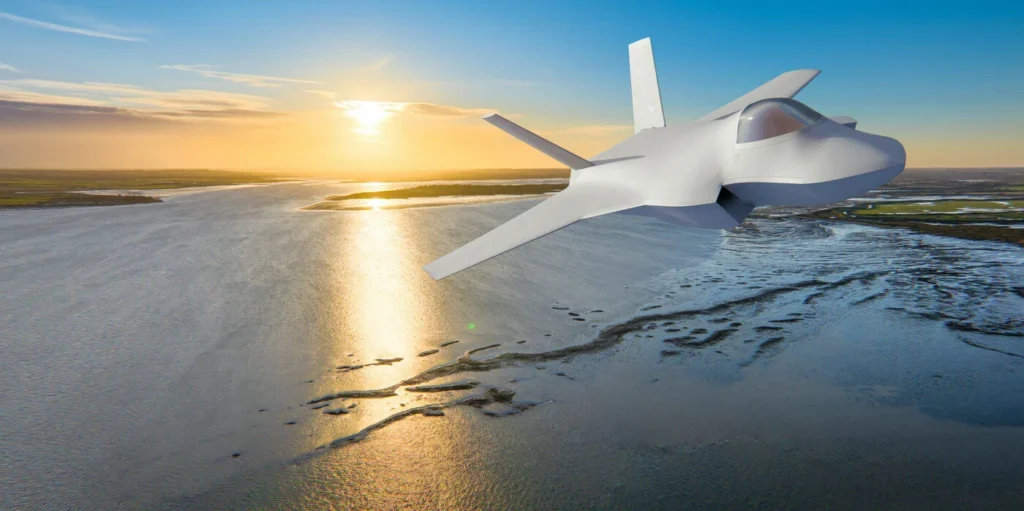
Edgewing brings together BAE Systems in the UK, Leonardo in Italy and Japan Aircraft Industrial Enhancement Co Ltd. The company is headquartered in Reading and has been established as the trinational prime contractor and design authority for the GCAP aircraft.
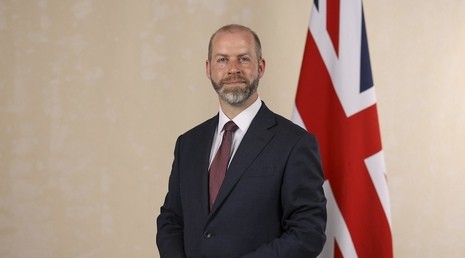
Minister for Defence Readiness and Industry Luke Pollard said the contract was “a major step forward towards delivery” and said GCAP would support thousands of highly skilled jobs across the UK.
GCAP contract strengthens UK combat air industry
The Ministry of Defence said GCAP and the UK’s future combat air system already help support 4,500 jobs across the country, with a supply chain of around 600 organisations.
The programme is also intended to strengthen sovereign industrial capability in areas such as digital engineering, advanced manufacturing, propulsion, sensors and data systems.
Much of the industrial significance lies in the technologies being developed around the aircraft, as well as the fighter itself. The MoD said the programme has already delivered advances in digital engineering and advanced manufacturing, including the use of AI, robotics, augmented reality and additive manufacturing to accelerate design, testing and production.
That makes GCAP a defence programme, but also an industrial strategy test case. It is designed to preserve high-end combat air skills in the UK while sharing cost, development risk and technology across three partner nations.
The Defence Investment Plan also committed more than £1.1 billion of new funding to upgrade and sustain the RAF’s Typhoon force into the 2040s, £2.2 billion for additional F-35s and £300 million to begin developing a new UK autonomous combat aircraft.
Together, those investments point to a future RAF built around crewed fighters, uncrewed systems and digitally connected combat air capabilities, with GCAP as the long-term centrepiece.
Sign up for our newsletter and get our latest content in your inbox.
Similar Reads

Sign up for our newsletter. Select all sectors relevant to you.
Related