BAE Systems and NMITE launch MSc to tackle UK RF engineering shortage



Today, BAE Systems and the New Model Institute for Technology and Engineering (NMITE), based in Hereford, announced that they are launching a new Master of Science (MSc) degree programme in Radio Frequency (RF) and Wireless Systems Engineering.
Radio Frequency technologies underpin satellite navigation, wireless communications, medical imaging, power grids, next-generation wireless networks, and a suite of other critical systems.
James Newby, President and CEO of NMITE, noted that the institute has already successfully launched its MEng in Autonomous Robotics degree in partnership with the British Army last December. Aerospace companies like BAE Systems and Airbus are hiring NMITE graduates.
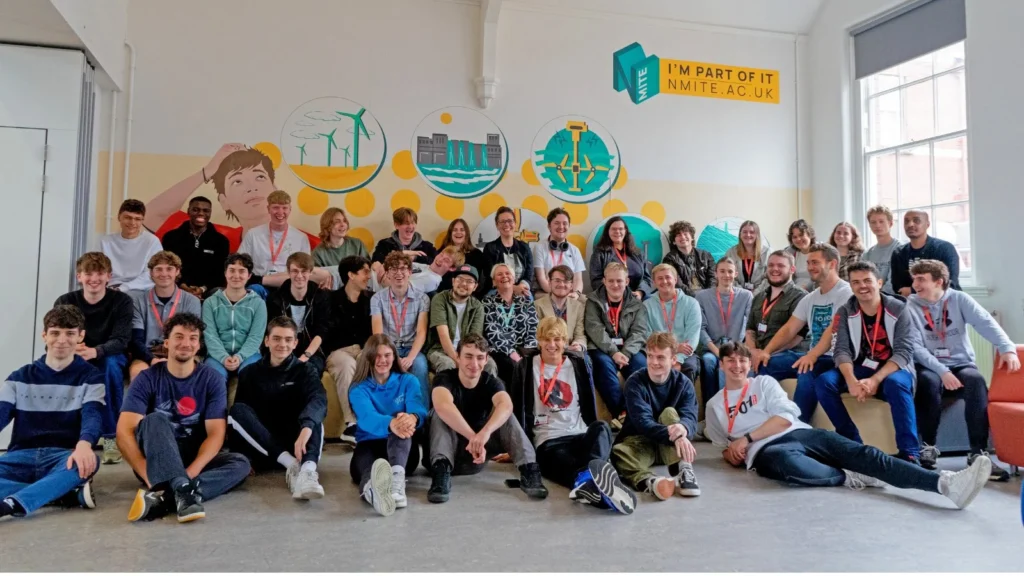
At the time, ADS Advance reported that the UK Armed Forces’ new undergraduate degree in Autonomous Systems is set to welcome its first students in September 2026.
NMITE’s Newby adds that the new degree “ensures graduates are equipped to make an immediate impact across defence, communications, healthcare, advanced manufacturing and many other sectors that increasingly depend upon sophisticated wireless technologies.”
As part of the new Master’s programme, students will be directly engaging with practising engineers and receive exposure to “genuine technical challenges” during the programme.
Addressing a shortage of specialist engineers
The programme is intended to address the critical shortage of specialist engineering skills in Britain. In a statement, BAE noted that the demand for engineers with the right expertise continues to outstrip supply.
We've been featured in the @Telegraph! Find out how NMITE are addressing skills shortages, rethinking #engineering education, connecting students directly with industry & creating new opportunities in #Herefordshire & beyond 🙌 have a read, here ➡️ https://t.co/PKrIn4EbDz
— New Model Institute for Technology and Engineering (@nmite_ac) January 27, 2025
BAE Systems’ Digital Intelligence business will help fund the first two years of the programme. This will provide the initial investment needed to get the MSc off the ground. After that, BAE intends to continue supporting the programme with guest lectures, collaborative research, masterclasses, mentoring, and the like.
The defence contractor notes that this poses a risk to national security, economic growth, and industrial resilience.
Andrea Thompson, Group Managing Director of BAE Systems’ Digital Intelligence business, said: “This new programme addresses that shortage – helping to develop the next generation of engineers by combining academic teaching with practical industry experience to support the long-term capability and resilience of the UK’s engineering ecosystem.”
NMITE’s industry-led approach to engineering programmes
NMITE announced in May 2026 that it had become a fully accelerated institution as it now only offers accelerated degrees. This was presented as a strategic move to respond to employers who “prioritise capability and work-readiness.”
NMITE describes itself as a “reimagining higher education” through an industry-led, challenge-based model that seeks to provide graduates with the work-ready skill set they need to tackle complex real-world issues.
The institute works with employers to develop programmes that “respond rapidly to emerging skills needs while broadening participation in engineering and technology.”
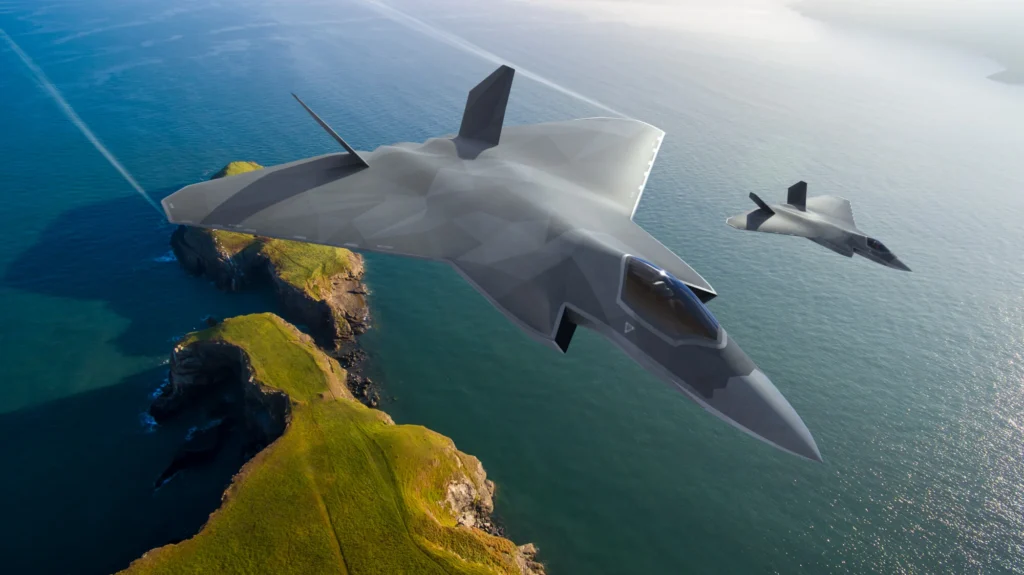
BAE Systems is the largest British defence contractor and the country’s leading aerospace company. Its current flagship programme is the GCAP/Tempest next-generation fighter jet. BAE Systems’ Digital Intelligence functions as the digital hub of BAE, employing over 4,300 digital, cyber, and intelligence experts in the UK and abroad.
Sign up for our newsletter and get our latest content in your inbox.
Similar Reads