

Why drones have become a mainstream security challenge for airports across the UK


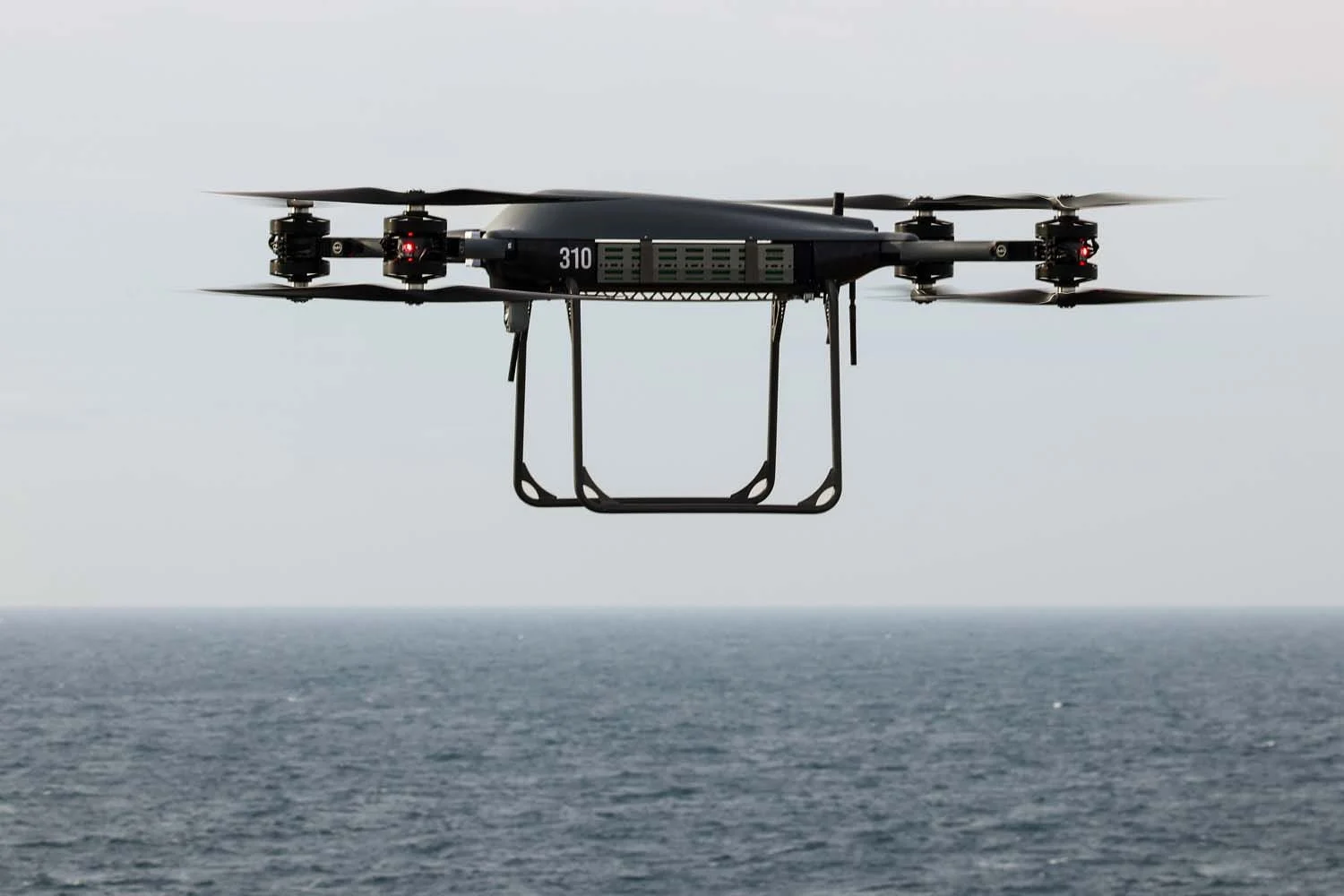
Drones are no longer a niche threat for airports. According to counter-drone technology specialist Dedrone, the majority of airports remain unprepared for a threat that’s already commonplace in UK airspace.
There is a significant gap between the perceived and actual risk posed by drone activity for organisations, including airports, according to a new whitepaper published by Dedrone. The company has deployed its counter-drone technology in over 1,100 sites globally, including at 53 airports.
The drone incident at Gatwick Airport in 2018
The threat posed by drones at airports hit the headlines back in 2018, when an unidentified drone flying above Gatwick Airport in the UK forced the suspension of operations for more than 36 hours. Over 1,000 flights were grounded, cancelled, or diverted, and around 140,000 passengers were left stranded. The disruption caused by the incident cost an estimated £50 million.
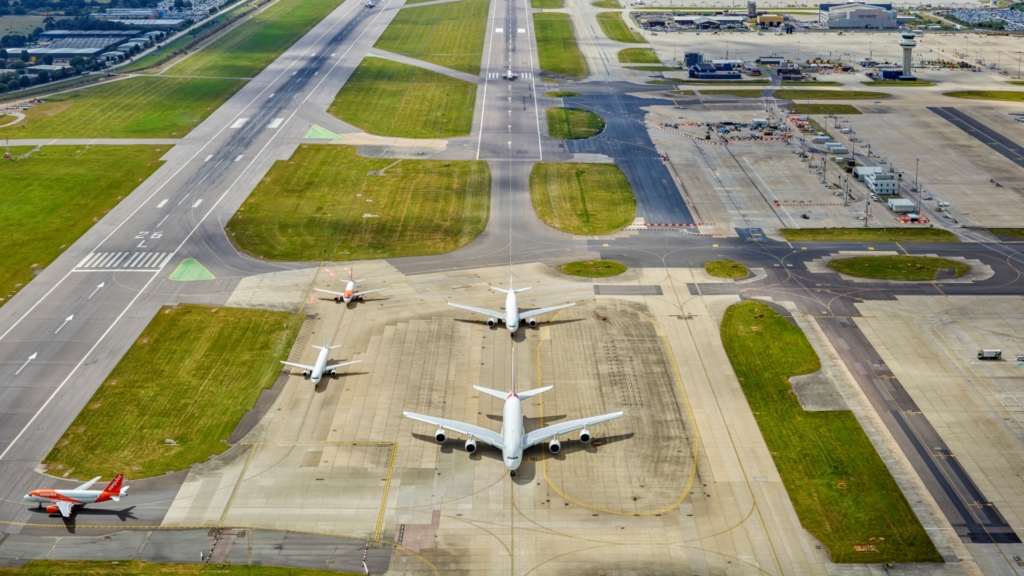
The drone sightings were never confirmed or traced to a single operator, highlighting the challenge faced by airport operators in a sector that is advancing at pace. In the last eight years, commercial drones have progressed considerably, and drone activity around UK airports has continued to increase. Yet, according to Dedrone, “the threat model has not kept pace with the threat reality.”
Drone activity is on the rise
Data from the UK’s Civil Aviation Authority (CAA) illustrates the scale of growth. Active operator registrations increased by 40% in a single year, reaching 470,321 by March 2025. While the majority of these operators are novice users not intending to pose a threat, the increase in drone activity inevitably raises the risk of accidental incursions into restricted airspace, while also providing greater cover for those with malicious intent.
For airports in particular, the stakes are particularly high. Under UK and international law, any unidentified drone detected within or approaching the Flight Restriction Zone (FRZ) of a licensed aerodrome triggers an immediate operational emergency response. In most cases, and as demonstrated at Gatwick in 2018, this means suspending flight operations until the risk has been assessed.
The financial implications are significant. Even a relatively short disruption lasting an hour can cost airlines hundreds of thousands in delayed flights, rebooking costs, and compensation. In addition, the airports themselves face regulatory scrutiny, strained airline relationships, and reputational damage. Costs can run into millions.
Why airports can’t rely on drone regulations alone
The UK CAA’s CEO, Rob Bishton, previously acknowledged that some of the counter-drone measures introduced in the aftermath of the Gatwick incident “are not potentially as effective as they need to be.”
Regulation continues to evolve. In January 2026, the CAA introduced new requirements, including UK-specific class markings, mandatory Flyer IDs for all drones weighing over 100g, and the phased introduction of Remote ID broadcasting. However, Dedrone argues that rather than reduce the threat, these changes “reveal its scale” and do little to address non-compliant operators and those who deliberately obscure their identity.
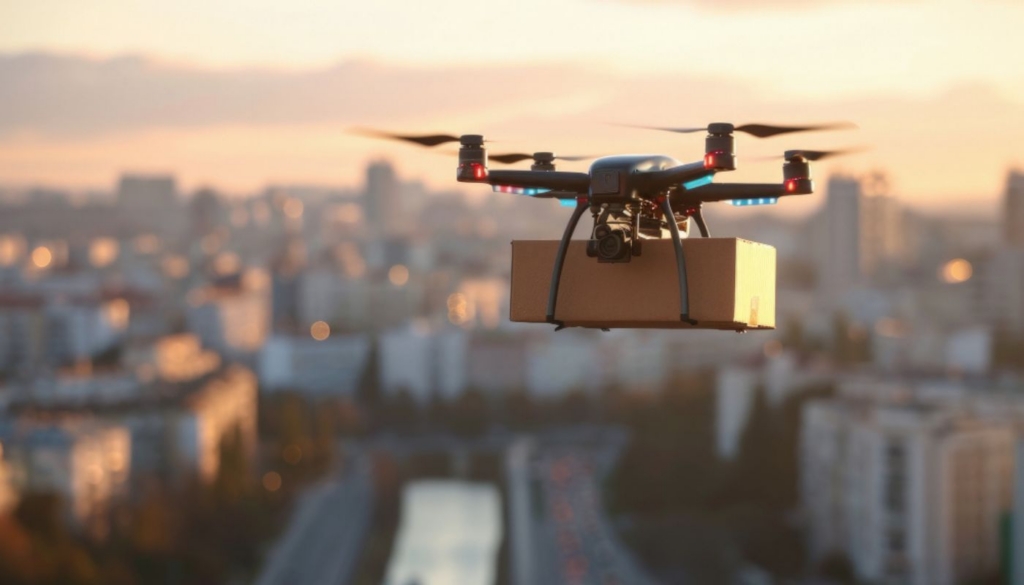
From an airport’s perspective, effective detection must work regardless of whether an operator is playing by the rules and compliant with Remote ID requirements.
According to Dedrone, airport security teams need “detection infrastructure that works regardless of whether an operator is compliant with Remote ID. Radio frequency analysis, radar integration, and multi-sensor data fusion are the tools that close this gap.”
Newcastle Airport is one airport that, in the wake of the Gatwick disruption, has invested in enhanced counter-drone capability. It has deployed Dedrone’s NPSA-approved counter-drone solution and built the detection protocols and response procedures designed to protect its 5.4 million annual passengers and staff.
A multi-layered drone detection and response strategy
The whitepaper also highlights that comprehensive situational awareness is essential. Airports need systematic, automated surveillance capable of detecting drones approaching or entering defined protected airspace. However, detection alone is not enough.
Detection capability is only valuable if it “leads to timely, informed action.” The report notes that the delay between a drone entering detection range and the activation of the response can significantly reduce the effectiveness of any mitigation strategy.
Integration is another common challenge. Many airports operate individual technologies in isolation, with radio frequency sensors, radar, and CCTV feeds managed by different teams using separate systems. This creates fragmented awareness rather than a complete operational picture.
Instead, counter-drone capability should be fully integrated into the airport’s existing security operations centre, providing a single operational view with unified alerting and a coordinated response from the ground.
With the global counter-drone market forecast to grow from around £2 billion in 2025 to £17.6 billion by 2035, Dedrone warns that awareness alone is no longer sufficient. For airports, understanding the nature of the drone threat is only the first step. The effectiveness of detection systems, the speed of operational response, and the integration of security technologies are increasingly likely to determine whether a drone incident becomes a million-pound disruption or a minor operational interruption.
Sign up for our newsletter and get our latest content in your inbox.
Similar Reads




Sign up for our newsletter. Select all sectors relevant to you.
Related