How extreme heat is disrupting aircraft operations – and what we can do about it

Extreme heat can affect everything from take-off performance and turbulence to ground operations. As temperatures rise, airlines, airports and regulators are adapting to a hotter operating environment.

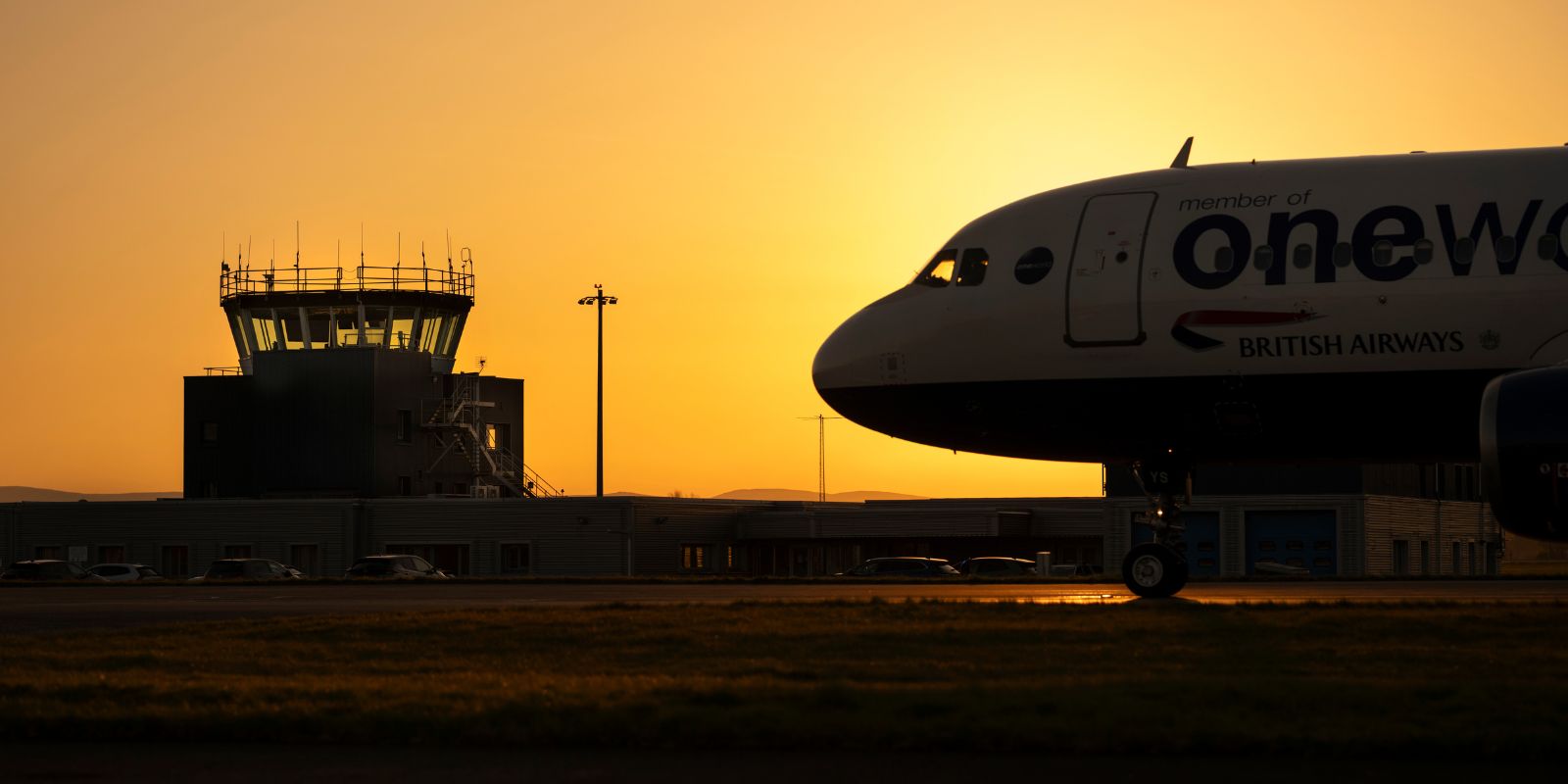
NATS photo of a sunset
Photo: NATS

Hot weather can create a challenging operating environment for commercial aircraft, with high temperatures affecting aircraft performance and potentially forcing carriers to reduce payloads or delay departures.

The fundamental issue is air density. As temperatures rise, air becomes thinner, reducing the lift generated by the wings and the thrust available from the engines. 

Aircraft therefore need more runway to accelerate to take-off speed, while their climb performance can also deteriorate.

Calculating aircraft performance 

The effect is particularly pronounced at airports with short runways or those located at higher elevations, where the air is already less dense. 

The combination of temperature, atmospheric pressure, airport elevation, runway length, aircraft weight and wind speed and direction is collectively assessed by the flight crew before departure to establish the maximum permitted take-off weight.

In extreme weather cases or at particularly performance-limited airfields, that can mean passengers needing to be offloaded. 

If performance calculations show that an aircraft cannot safely depart at its planned weight, an airline may also reduce cargo, or carry less fuel, if, for example, the original plan was to tanker fuel. 

Operators also have the option of delaying the departure until temperatures fall if asking passengers to volunteer for a later flight has not worked. 

For flight crews, extreme heat also means tighter performance margins during take-off and climb. 

So, with periods of extreme heat becoming more frequent, even in traditionally temperate regions of the world, and particularly during peak summer periods, temperature-related performance restrictions are likely to become an increasingly familiar feature of airline operations.

Higher temperatures mean more turbulence

In addition, high temperatures can contribute to more thermal operations as warm air rises rapidly off the land, meaning a take-off can feel turbulent.

Approaches and departures may therefore require greater attention to aircraft energy, climb performance and weather conditions, with resultant risks such as overspeeding of the flaps after a sudden gust. 
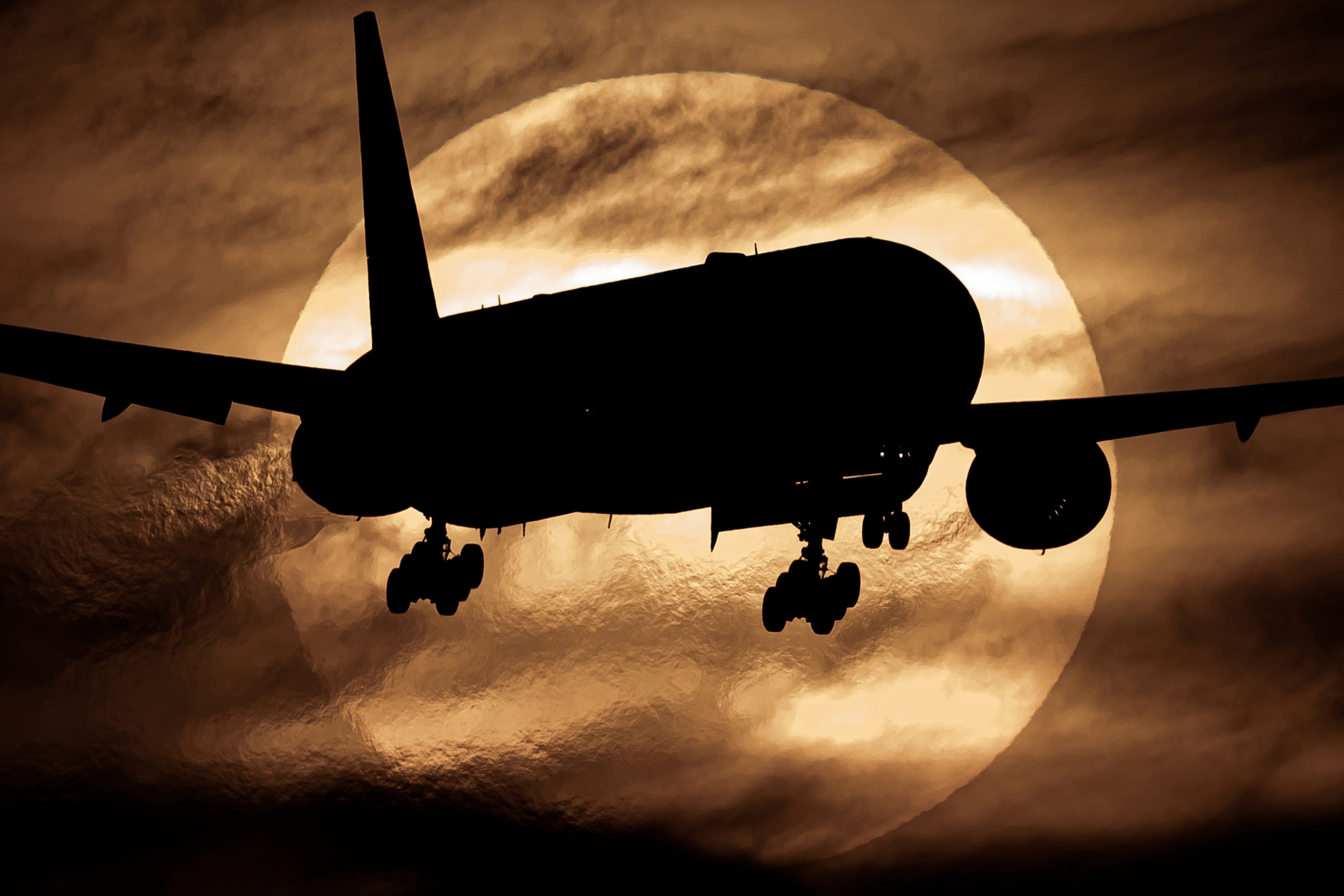
Photo: Shutterstock

While not specific to the departure phase of flight, research from the University of Reading recently found that severe clear-air turbulence has become more frequent on major air routes over the past four decades.

The study links the increase to stronger windshear in the jet streams, driven by climate change. 

Unlike turbulence associated with storms or clouds, clear-air turbulence is invisible to weather radar and can be difficult to forecast. 

Researchers found that windshear at typical cruising altitudes has increased by 15% since 1979, while climate models indicate that turbulence capable of causing injuries could become two to three times more common by 2100.

Managing heat on the ground

The operational effects extend beyond the airborne phase of the flight. Aircraft sitting on hot aprons can place greater demands on their cooling and air-conditioning systems.

Where airports cannot provide cooled air from a ground unit, this means that the aircraft will need to run its auxiliary power unit and PACKs, resulting in higher noise emissions for the airport. 

The challenge extends to the technical limitations of the aircraft, with high temperatures also affecting the operation of the avionics ventilation system. 

What the UK aviation regulator is doing to help

The UK aviation industry is far from immune to these changes, and like other countries has had to consider how infrastructure and operations will need to adapt as climate change alters the environment in which airports and aircraft operate.

The Civil Aviation Authority (CAA) has identified rising temperatures, more severe storms and sea-level rise among the climate-related risks that could affect airport infrastructure, air traffic management and passenger safety.

Adaptation measures can range from physical changes to airport infrastructure to relatively simple operational adjustments, the CAA said. 

Airports may need to strengthen flood defences and improve resilience planning, while additional green space can help mitigate rising temperatures across airport sites. 

The agency said employers may also need to reconsider working conditions and uniforms for staff operating outdoors as temperatures increase.

The CAA is working with the Department for Transport (DfT), AirportsUK and industry through the UK Aviation Climate Adaptation Working Group, which aims to share best practice and improve preparedness across the sector.

Related

easyJet sees Apollo takeover accelerating fleet investment and growth
Easyjet 400th airbus aircraft
easyJet sees Apollo takeover accelerating fleet investment and growth
Shareholders have approved the £5.7 billion acquisition, with chief executive Kenton Jarvis saying the prospective owner supports the airline’s expansion strategy.
Aerospace

12 Nov 2026

Rapid Fusion installs robotic cell at Kingston University
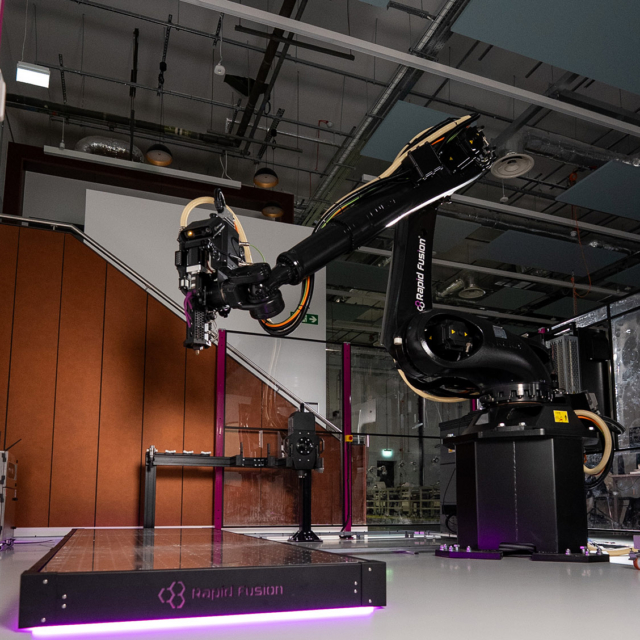
Zeus Robotic Cell into the Faculty of Engineering, Computing and the Environment at Kingston University
Rapid Fusion installs robotic cell at Kingston University
With its installation of a Zeus Robotic Cell into the Faculty of Engineering, Computing and the Environment at Kingston University, Rapid Fusion has enabled staff and students to print, scan and mill in one solution, teaching students the latest additive manufacturing solutions and helping tackle the real skills gap in the UK for robotics and 3D printing experts.
Royal Navy to launch Northrop Grumman’s Talon Blue CCA from aircraft carrier in 2027
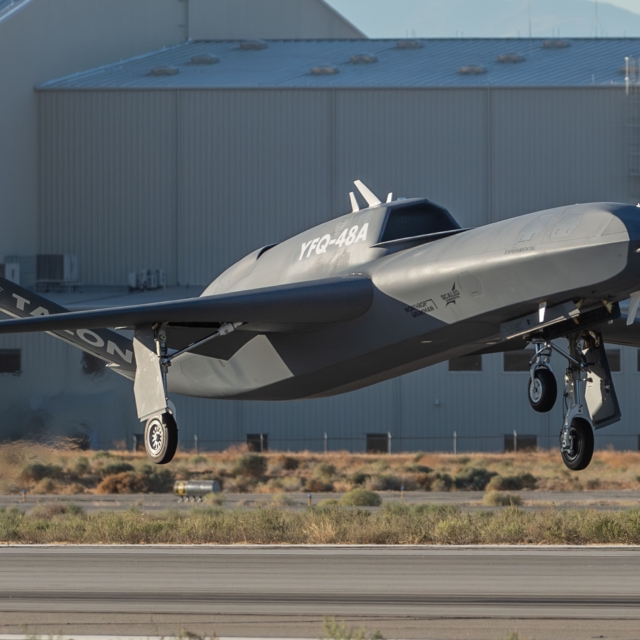
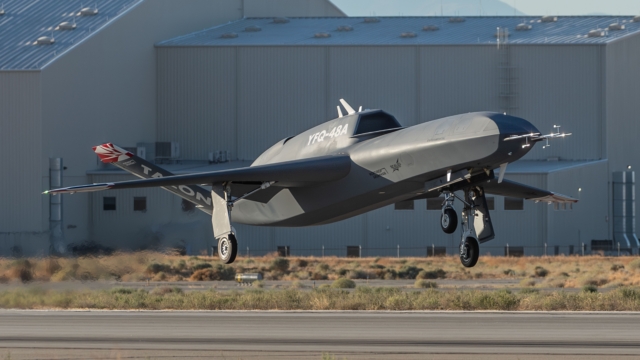
Northrop Grumman's YFQ-48A Talon Blue CCA demonstrator takes off from the Mojave Air and Space Port in California to undertake its first autonomous flight on 3 October 2026. Image: Northrop Grumman
Royal Navy to launch Northrop Grumman’s Talon Blue CCA from aircraft carrier in 2027
Northrop Grumman’s YFQ-48A Talon Blue will demonstrate autonomous carrier-based air operations aboard a Queen Elizabeth-class ‘flattop’ as part of trials planned for 2027 under Project Vanquish.
Aerospace Defence

11 Nov 2026

Northern Navies Initiative: Royal Navy and JEF allies move to deepen maritime integration
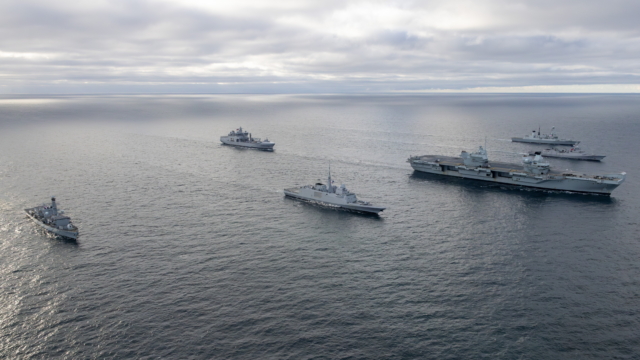
HMS Prince of Wales (R09) leads a formation of British, French and Norwegian warships during Exercise Neptune Strike 26-4 on 3 November 2026. Image: MOD Crown Copyright/AS1 Liam Ramsden
Northern Navies Initiative: Royal Navy and JEF allies move to deepen maritime integration
The Royal Navy and its JEF allies will deepen maritime integration, strengthen deterrence and improve collective responses to new and emerging threats in northern Europe as part of a historic new initiative.
Defence Security

12 Nov 2026

Serco acquires QinetiQ’s US business
Satellite orbiting earth
Serco acquires QinetiQ’s US business
It was announced today that Serco's acquisition of QinetiQ’s US business has been agreed, substantially expanding the defence capabilities of Serco, whilst strengthening QinetiQ's balance sheet and enabling it to concentrate its resources on the UK, European, NATO and key allied defence and security markets.
Defence Member News Space

12 Nov 2026

Espanaro demonstrates secure data-sharing technology at NATO exercises
EFDI Accelerator 2.0, held at Defence BattleLab
Espanaro demonstrates secure data-sharing technology at NATO exercises
Espanaro demonstrated data-centric security (DCS) at the NATO Exercise Accelerator 2.0 led by the British Army at Defence BattleLab in Dorset.
Defence Events Member News

12 Nov 2026

Serco acquires QinetiQ’s US business
Satellite orbiting earth
Serco acquires QinetiQ’s US business
It was announced today that Serco's acquisition of QinetiQ’s US business has been agreed, substantially expanding the defence capabilities of Serco, whilst strengthening QinetiQ's balance sheet and enabling it to concentrate its resources on the UK, European, NATO and key allied defence and security markets.
Defence Member News Space

12 Nov 2026

UK military satellite Titania reaches orbit as MoD trials space-threat sensors
Titania Satellite
UK military satellite Titania reaches orbit as MoD trials space-threat sensors
The UK's second ISTARI military satellite, Titania, reaches orbit as trials launch for a three-site sensor network to monitor potential threats to spacecraft.
Defence Space

9 Nov 2026

Leicester’s National Space Centre Discovery Team wins Sir Arthur Clarke Award
National Space Centre Discovery Team wins Sir Arthur Clarke Award
Leicester’s National Space Centre Discovery Team wins Sir Arthur Clarke Award
Following delivery of its education and outreach initiatives across the UK to inspire the next generation of scientists, engineers and space explorers, the National Space Centre's Discovery Team has gained national recognition by winning a prestigious Sir Arthur Clarke Award.
Member News Space

5 Nov 2026

Northern Navies Initiative: Royal Navy and JEF allies move to deepen maritime integration
HMS Prince of Wales (R09) leads a formation of British, French and Norwegian warships during Exercise Neptune Strike 26-4 on 3 November 2026. Image: MOD Crown Copyright/AS1 Liam Ramsden
Northern Navies Initiative: Royal Navy and JEF allies move to deepen maritime integration
The Royal Navy and its JEF allies will deepen maritime integration, strengthen deterrence and improve collective responses to new and emerging threats in northern Europe as part of a historic new initiative.
Defence Security

12 Nov 2026

NCSC launches new adversary simulation scheme to bolster UK cyber resilience
close up of someone programming computers
NCSC launches new adversary simulation scheme to bolster UK cyber resilience
The NCSC’s new CyAS scheme aims to strengthen the resilience of the UK’s critical infrastructure through rigorous, realistic cyber adversary simulation testing.
Security

12 Nov 2026

Lord Coaker calls for greater UK resilience against cyberattacks and infrastructure threats
Defence Talks podcast episode - Lord Coaker
Lord Coaker calls for greater UK resilience against cyberattacks and infrastructure threats
Speaking in a special Remembrance Day podcast, Lord Coaker paid tribute to those who serve while highlighting the need to strengthen UK preparedness against growing security threats.
Defence Security

11 Nov 2026