Rolls-Royce mtu engines cleared to power autonomous US Navy vessels

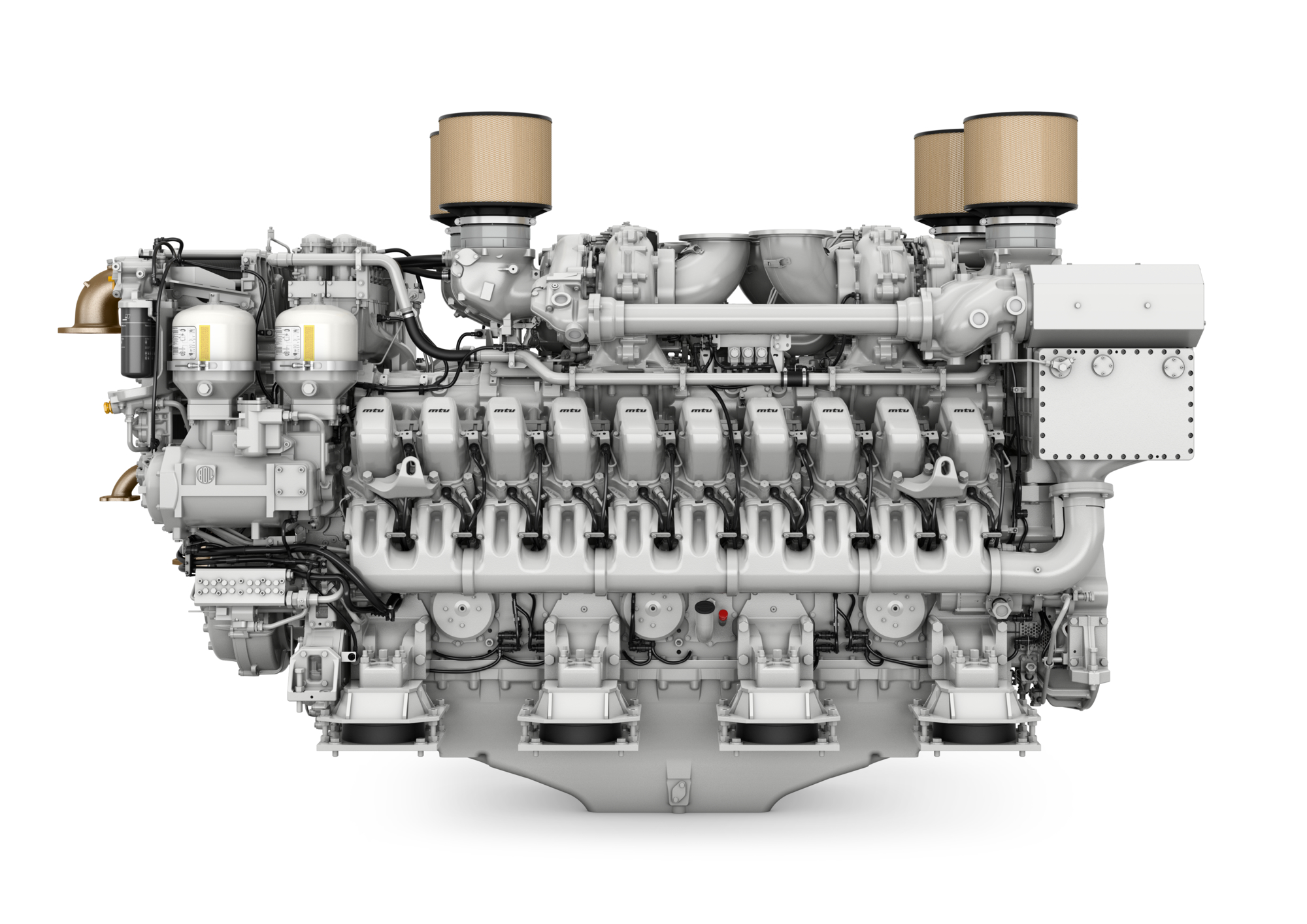
Rolls-Royce’s mtu Series 4000 and Series 2000 marine engines have received certification from the US Navy for use in autonomous naval vessel operations, marking a significant milestone in the advancement of unmanned maritime capabilities.
After passing two 720-hour durability tests, mtu Series 4000 engines were certified for use in autonomous applications for up to 4300kW of propulsion power and 3000kWe of power generation. The Series 4000 is available in V-configurations of 8, 12, 16 and 20 cylinders.
The mtu Series 2000 platform was also certified based on the results of rigorous engine component testing along with thousands of hours of reliable field operation. The Series 2000 is available for propulsion applications up to 1939kW in V-configurations of 10, 12 and 16 cylinders.
Why such rigorous tests are required for unmanned vessels
The certifications align with the requirements outlined in the 2021/2026 National Defence Authorisation Act for unmanned systems, which require engines to pass demanding operational and reliability tests without human intervention or preventive/corrective maintenance or repairs to the main propulsion, fuel and oil systems.
Successful testing qualifies propulsion systems to power an unmanned ship for 30-day deployments at sea without requiring maintenance.
Scott Hanson, Vice President, Governmental Sales at Rolls-Royce Power Systems in North America said: “The certification of our engines for unmanned operations further demonstrates the reliability and advanced technology of our mtu Series 4000 and 2000 marine propulsion systems.
“For decades, mtu engines have been trusted to provide reliable, mission-ready power for our crews at sea.”
“As autonomous missions become increasingly important to naval strategy, we are proving that we can deliver the power systems, long-endurance capability and technology required for the new operational demands of unmanned vessels.”
The mtu Series 2000 was certified through rigorous component testing and thousands of hours of field operation, supporting up to 1,939 kW in V10, V12 and V16 configurations.
Robust propulsion systems required for an expanding numbers of unmanned platforms
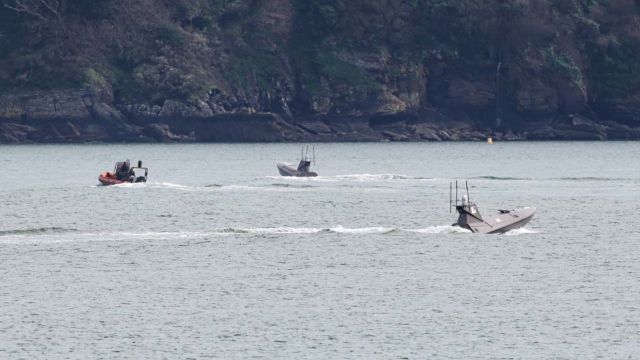
Autonomous unmanned surface vessels (USVs) represent a rapidly growing priority for the US government as it seeks to expand fleet capacity and enhance operational flexibility.
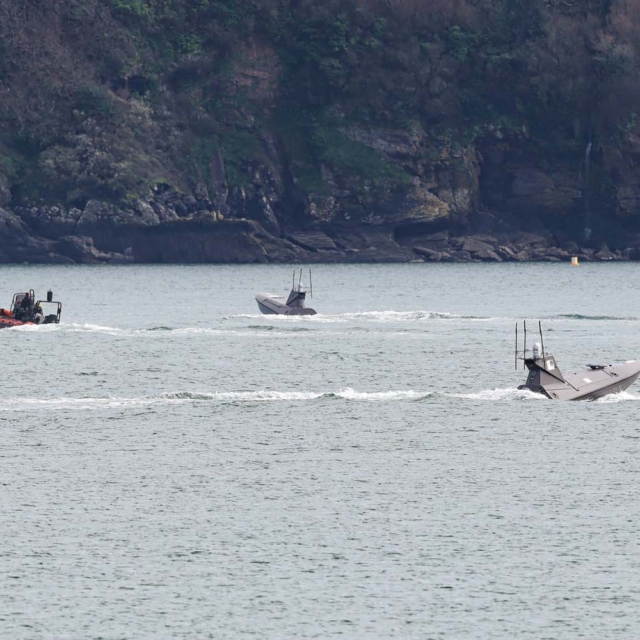
One of the Navy’s first autonomous unmanned surface vessels, the Sea Hunter, was operationally deployed earlier this year along with Seahawk by the US Navy as the first division of unmanned surface vessels. Sea Hunter is powered by twin mtu 12V 2000 engines and has logged tens of thousands of operational hours since its christening in 2016.
USVs enable extended missions, deliver high reliability and improve safety by removing personnel from hazardous environments. To ensure they meet these objectives, USVs are subject to robust certification frameworks, emphasising rigorous validation of control systems, cybersecurity and safety-critical functions.
These US Navy processes are essential to ensuring the safe and reliable deployment of unmanned technologies across maritime, aerial and subsea domains.
Rolls-Royce also provides propulsion systems for unmanned aircraft, powering current unmanned platforms for the US Air Force (RQ-4 Global Hawk) and US Navy (MQ-4C Triton).
Most recently, Rolls-Royce supported successful test flights for the Navy’s new MQ-25A Stingray – an unmanned refuelling aircraft powered by the AE 3007N engine from the Rolls-Royce AE engine family. The aircraft autonomously executed a full mission profile, including taxi, take-off, flight manoeuvres and landing.
Sign up for our newsletter and get our latest content in your inbox.
Similar Reads

Sign up for our newsletter. Select all sectors relevant to you.
Related