UK Space Agency opens £2m fund to bring satellite data into new markets


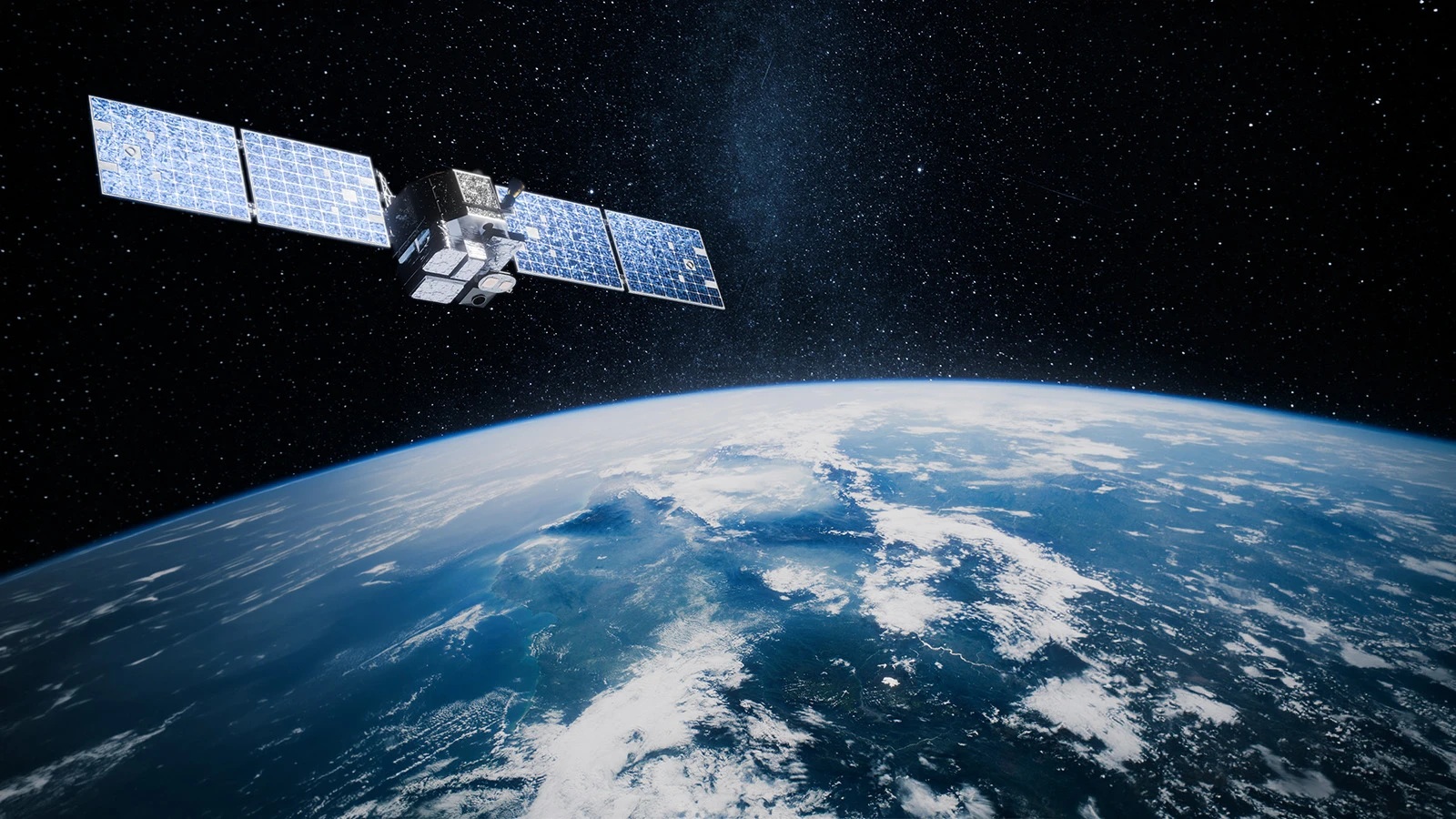
The UK Space Agency has opened a £2 million funding competition aimed at helping UK space technology companies find customers beyond the traditional space industry, with businesses invited to develop satellite-based solutions for environmental monitoring and emissions measurement.
The Unlocking Space for Business: Environmental Intelligence and Emissions competition opened on 19 October and will accept applications until 16:00 GMT on 11 December 2026.
Unlike conventional space research funding, the programme is designed around problems faced by businesses that use satellite information rather than those developing spacecraft or instruments.
UK-registered businesses, including small and medium-sized enterprises (SMEs), must lead applications in partnership with a UK space technology supplier. Other organisations capable of integrating different technologies can also participate.
The approach is intended to give space companies access to potential commercial customers while helping businesses test whether satellite-derived information can improve their operations, reduce risks or meet environmental obligations.
For smaller UK space companies, the competition offers an opportunity to demonstrate their technology to customers in industries that may not previously have used satellite services.
New markets for satellite data services
The UK Space Agency is targeting sectors including financial services, insurance, asset management, energy, utilities, infrastructure, agriculture, land management and environmental services.
These industries increasingly require reliable information about changing environmental conditions, whether to assess climate-related risks, monitor land use or measure emissions.
Satellite observations can provide repeated measurements over large geographical areas, including locations that are difficult or expensive to monitor from the ground.
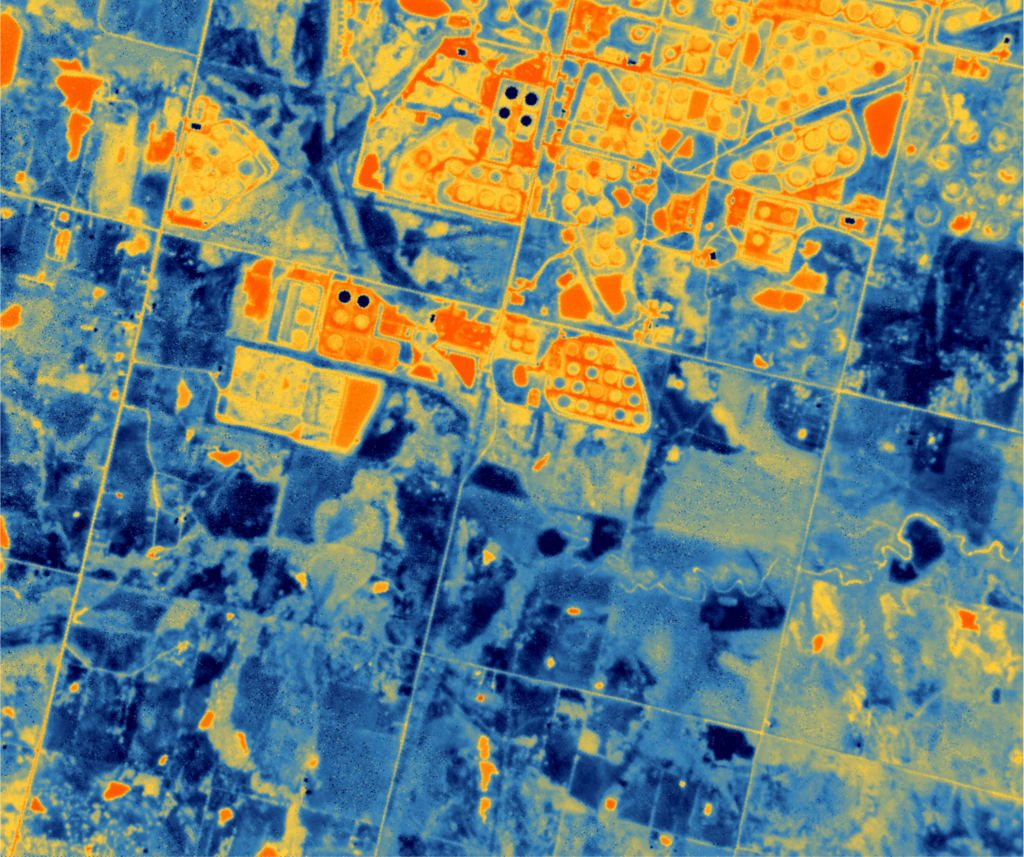
An insurance company, for example, could potentially use satellite information to assess exposure to flooding or other environmental hazards. An energy operator might use similar technology to monitor emissions or environmental conditions around its facilities.
Such applications illustrate the types of commercial opportunities the competition seeks to develop, rather than projects already selected for funding.
The programme also recognises that satellite information alone may not always provide the answer. It defines environmental intelligence as combining observations from space with measurements collected on the ground and technologies such as artificial intelligence to produce information businesses can use in their decisions.
The agency wants projects to demonstrate measurable operational, commercial and environmental benefits, rather than simply develop another data product.
Environmental intelligence and emissions monitoring
The competition covers two areas.
The first, Environmental Intelligence for Climate, Nature and Natural Capital, focuses on using satellite-enabled services to understand environmental conditions and changes.
Potential applications include monitoring land, vegetation and natural resources, helping organisations assess environmental risks and manage assets.
The second, Environmental Intelligence for Emissions Monitoring and Verification, is directed towards improving how organisations measure and verify emissions.

Satellite data can complement ground-based monitoring by providing observations over wider areas and at repeated intervals. However, its usefulness depends on the type of emissions being measured, the available instruments and how the information is validated.
The UK Space Agency is seeking near-market solutions, meaning technologies sufficiently developed to be tested against a practical business requirement.
For space SMEs, this means the competition requires a business user to help define the problem and lead the proposed project, rather than funding early-stage research without an identified customer.
Who can apply for the satellite data grants?
The eligibility rules place the customer at the centre of each consortium.
The lead applicant must be a UK-registered end-user business, including an SME, working with a UK space supplier and, where appropriate, organisations that can integrate the different technologies.
An end-user business is defined as an organisation seeking to use space-enabled products, services or information to address an operational challenge, improve decision-making, manage risk or achieve a commercial outcome.
This means a space technology company cannot simply submit a proposal to develop its own product independently. It needs a business partner with a defined requirement and a credible route to adopting the resulting service.

For UK space SMEs, that arrangement could help address one of the difficulties of commercialisation: finding customers willing to test unfamiliar technology before committing to its wider use.
The programme is also intended to reduce the risks associated with adopting new services by providing funding and expert support.
The £2 million is the total grant funding available across the competition, not an award available to each applicant. The published grant summary does not specify an individual project funding ceiling or grant contribution rate.
Application deadline and project timetable
Successful projects are expected to begin in January 2027 and run for no longer than nine months.
The UK Space Agency requires the first project milestone to be delivered by 31 March 2027, giving successful applicants a relatively short period to begin demonstrating results.
The agency will hold an applicant webinar on 3 November at 11:00 GMT to explain the opportunity.
The competition follows a pilot and two previous funding rounds under the Unlocking Space for Business programme, which was established to encourage wider commercial use of satellite data, services and technologies.
According to the agency, the UK space sector generates more than £18 billion in annual income and supports over 50,000 jobs.
The new competition is intended to help that industry grow by creating demand from customers outside the space sector, rather than relying solely on spacecraft manufacturing, satellite operations or government contracts.
Sign up for our newsletter and get our latest content in your inbox.
Similar Reads





Sign up for our newsletter. Select all sectors relevant to you.
Related