Space war could emerge within five years as satellite threats grow, expert warns
A military conflict in space could emerge within the next five years as countries deploy increasingly sophisticated satellites and develop ways to disrupt or disable those operated by their…


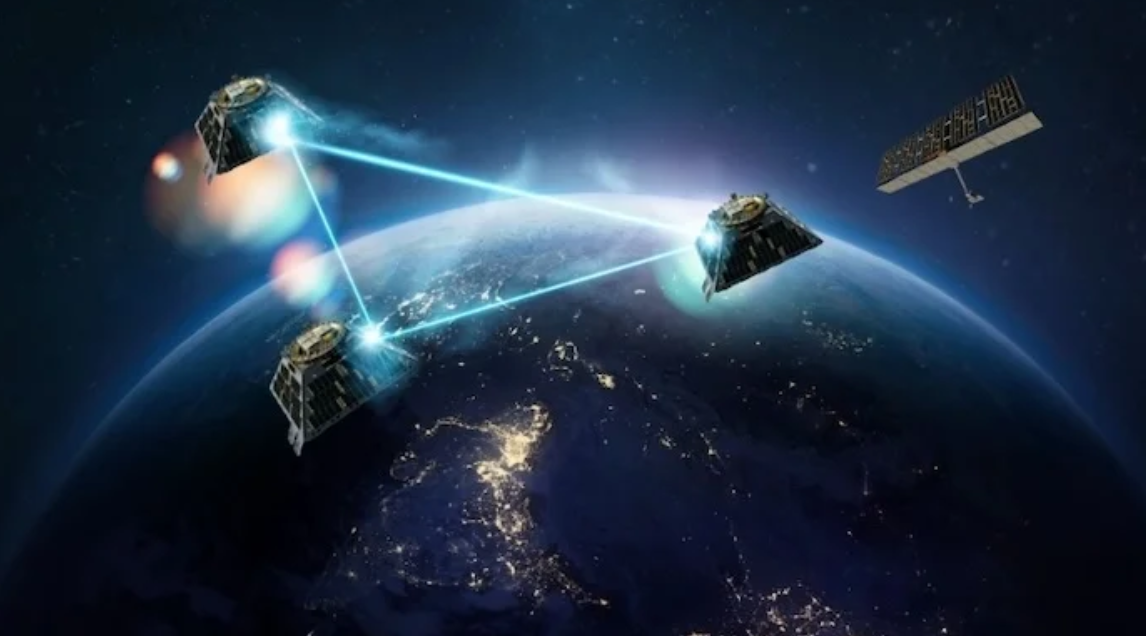
A military conflict in space could emerge within the next five years as countries deploy increasingly sophisticated satellites and develop ways to disrupt or disable those operated by their adversaries, a leading UK space security researcher has warned.
Dr Julia Balm, Co-Director and Research Associate at the Freeman Air and Space Institute in the School of Security Studies at King’s College London, told The Telegraph that the growing number of satellites and the rapid development of their capabilities were increasing the possibility of conflict extending beyond Earth.
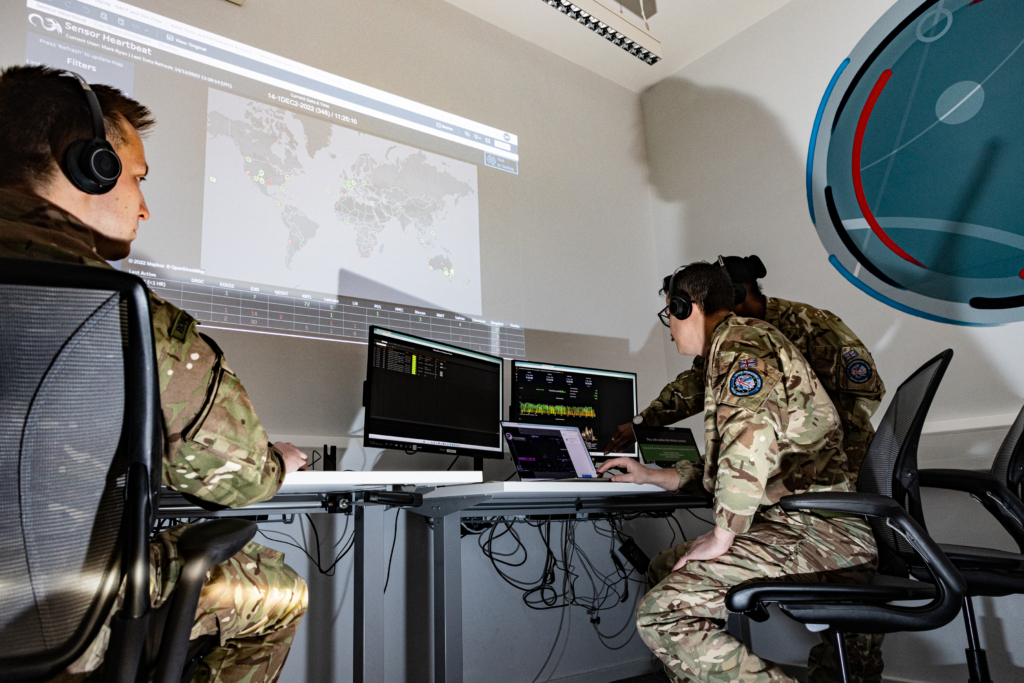
“If we’re looking at the number of satellites proliferating in orbit and the capabilities that are growing in both scale, but also in their technical capacity…, we are looking at conflict emerging not only in the domain, but in the next five years,” Balm said, according to the newspaper.
Her warning comes as satellites have become indispensable to military operations, supporting everything from battlefield communications and intelligence gathering to missile warning and precision navigation.
A confrontation in space would not necessarily involve spacecraft firing weapons at one another. It could begin with the jamming of satellite signals, cyberattacks on ground control systems or attempts to interfere with spacecraft already in orbit.
The consequences could extend far beyond the military. Commercial aviation, shipping, banking networks, weather forecasting and emergency services all depend to varying degrees on satellite infrastructure.
Balm’s assessment is a warning about the growing risk of conflict, rather than a prediction that a war in space will definitely begin by 2031.
Satellite attacks could disrupt life on Earth
The danger lies in how closely modern economies and armed forces depend on services delivered from orbit.
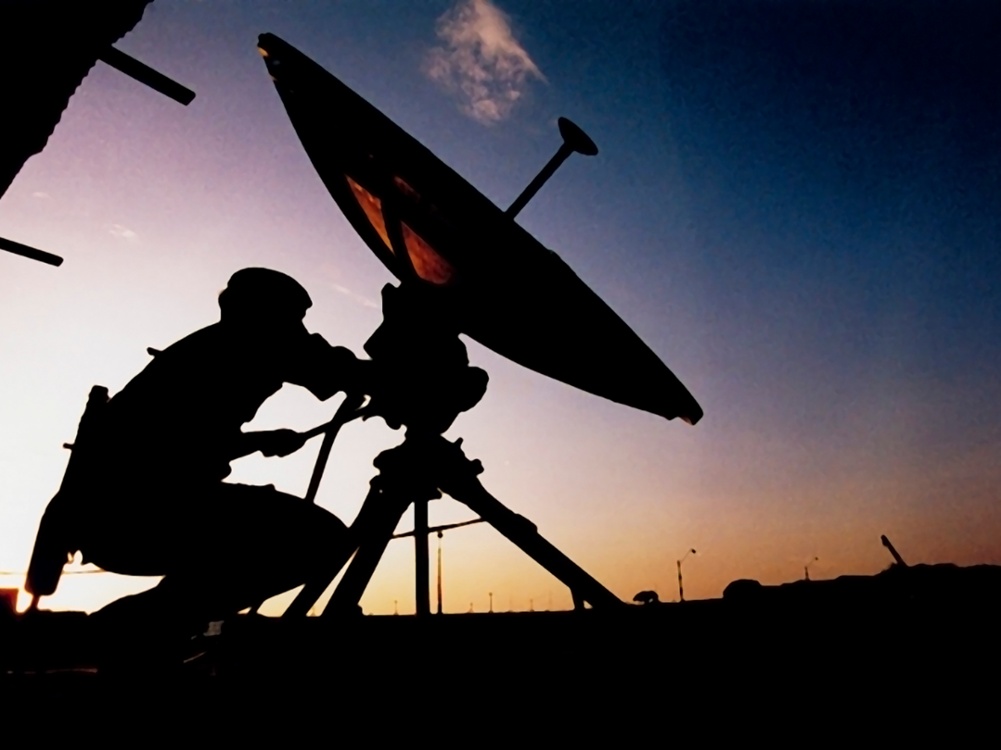
Global navigation satellite systems provide positioning and timing signals used by aircraft, ships and road transport. Those timing signals also help synchronise telecommunications networks and financial infrastructure.
Communications satellites connect military units, remote communities and aircraft operating beyond the reach of terrestrial networks. Weather satellites supply observations essential for forecasting and disaster warnings.
Disrupting these services could cause widespread problems even without physically destroying a satellite.
Jamming, for example, involves transmitting interfering radio signals that prevent receivers from obtaining reliable satellite information. Spoofing is different as it involves sending misleading signals that can cause navigation equipment to calculate an incorrect position or time.
Cyberattacks could target satellite operators or their ground infrastructure, while anti-satellite weapons could physically damage spacecraft.
The 2026 Global Counterspace Capabilities Report from the Secure World Foundation examined counterspace technologies being developed by 13 countries, including the US, Russia, China, India and the UK.
It found continued development across electronic warfare, cyber, directed-energy and physical anti-satellite systems. However, the report also made an important distinction that publicly documented use in active military conflicts has involved non-destructive counterspace capabilities, rather than destructive attacks on satellites in orbit.
Why destroying satellites carries wider risks
A missile strike against a satellite could create thousands of pieces of debris travelling at orbital speeds.
Those fragments could threaten other spacecraft, including satellites belonging to countries not involved in the conflict. Unlike debris from an explosion on Earth, orbital fragments can remain dangerous for years.
A nuclear detonation in space would present another danger. Radiation could damage satellites across a much wider region, potentially affecting spacecraft that were not the intended targets.
The Secure World Foundation’s latest assessment records thousands of trackable debris fragments generated by previous anti-satellite tests, with a substantial number still in orbit.
This creates a particular dilemma for governments. An attack intended to deny an adversary access to satellite services could also damage infrastructure used by the attacking country or its allies.
The distinction between civilian and military spacecraft is becoming harder to maintain. Commercial satellite networks increasingly support military communications and intelligence gathering, while military satellites may provide services essential to civilian users.
Commercial space companies enter defence work
The growing threat is also changing the work undertaken by commercial space companies.
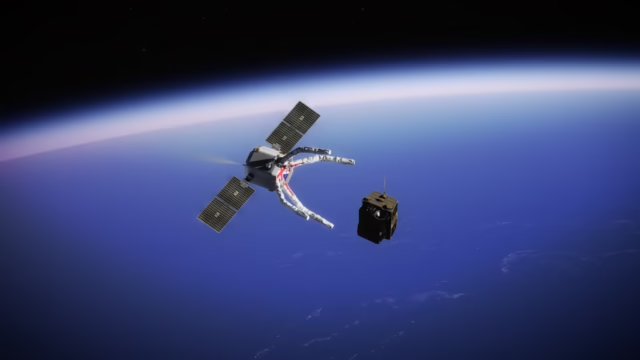
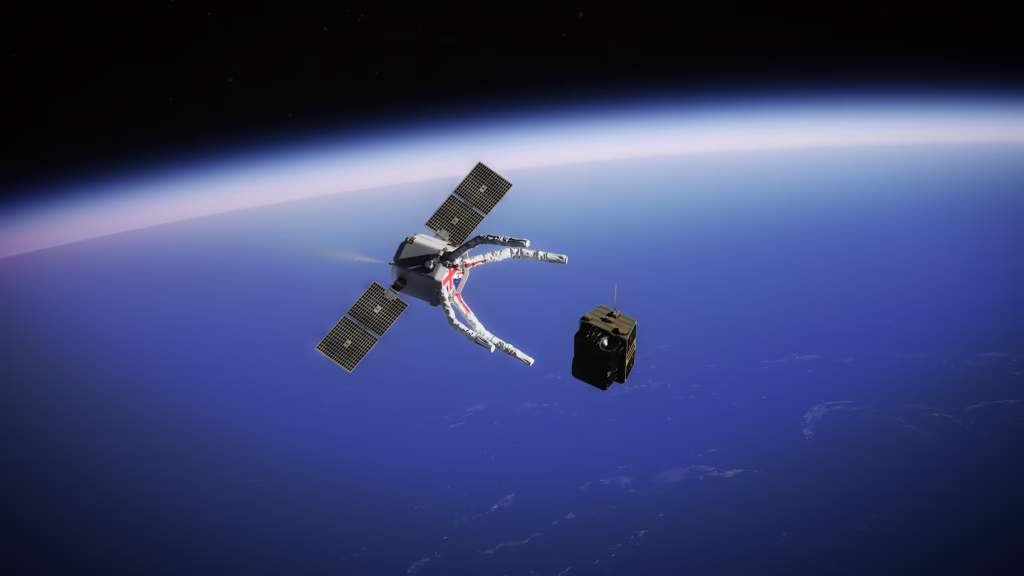
The Telegraph reported that Astroscale, a company known for developing technologies to remove space debris and service satellites, is involved in classified military programmes.
Orbit Fab, which develops satellite refuelling technology, was also reported to be working with the UK Ministry of Defence on defensive applications.
These developments illustrate the dual-use nature of many emerging space technologies.
A spacecraft designed to approach another satellite for inspection, servicing or refuelling could provide valuable commercial services. Similar manoeuvring capabilities could also have military applications.
The technology itself does not establish hostile intent. The challenge for governments is distinguishing routine servicing operations from potentially threatening behaviour.
UK strengthens its ability to monitor orbit
The UK has already identified space security as a growing defence priority.
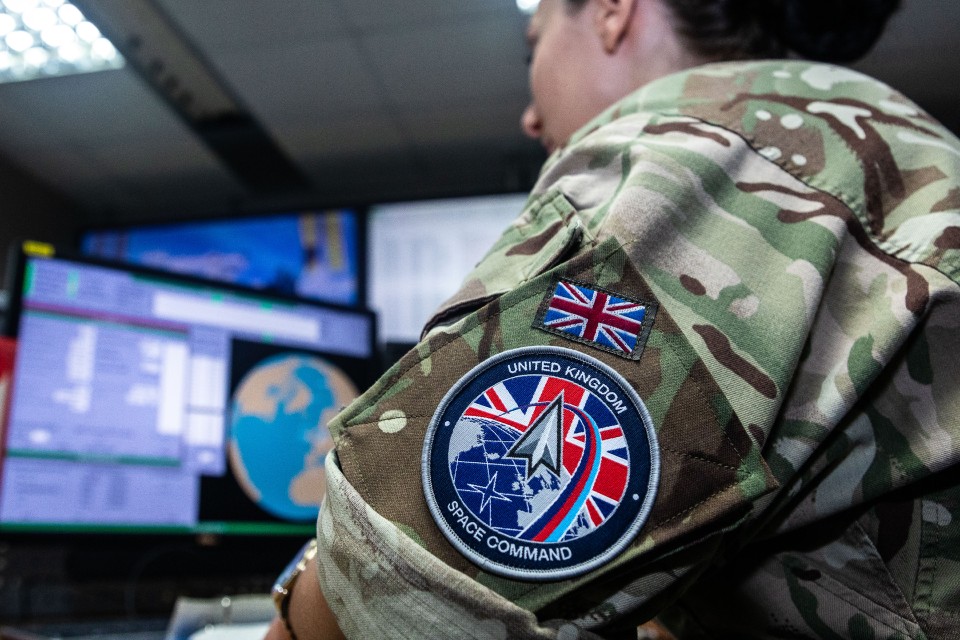
In its 2025 address at the DSEI exhibition, UK Space Command warned that threats to satellites were increasing in sophistication and argued that passive protection would no longer be sufficient.
Its priorities include improved space surveillance, more resilient communications and the ability to respond to hostile activity affecting UK space systems.
The UK is also developing a stronger national capability to monitor objects in orbit.
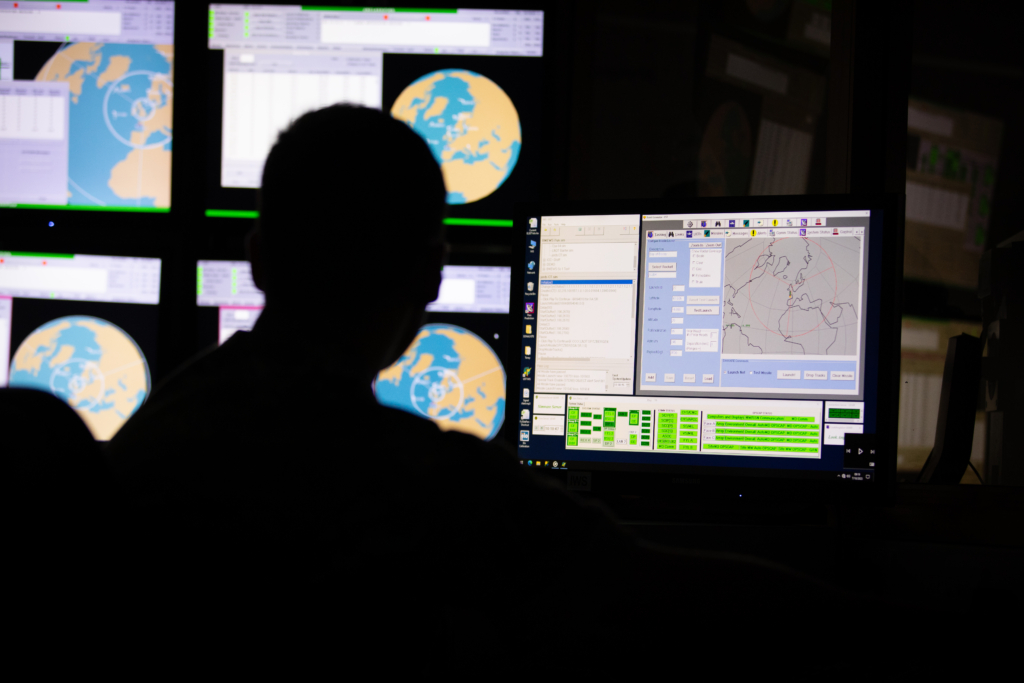
The National Space Operations Centre brings together civilian and military expertise to track satellites, assess collision risks and provide warnings about hazards affecting space operations.
In June 2026, the government updated its cross-government space domain awareness requirements, setting out the need to combine sensors and data from multiple sources to improve its understanding of activity in orbit.
The Ministry of Defence has also invested in the Borealis command-and-control system, designed to combine space surveillance information and help operators identify potential threats more quickly.
Sign up for our newsletter and get our latest content in your inbox.
Similar Reads





Sign up for our newsletter. Select all sectors relevant to you.
Related