Newquay could host twice-daily space flights under new plan


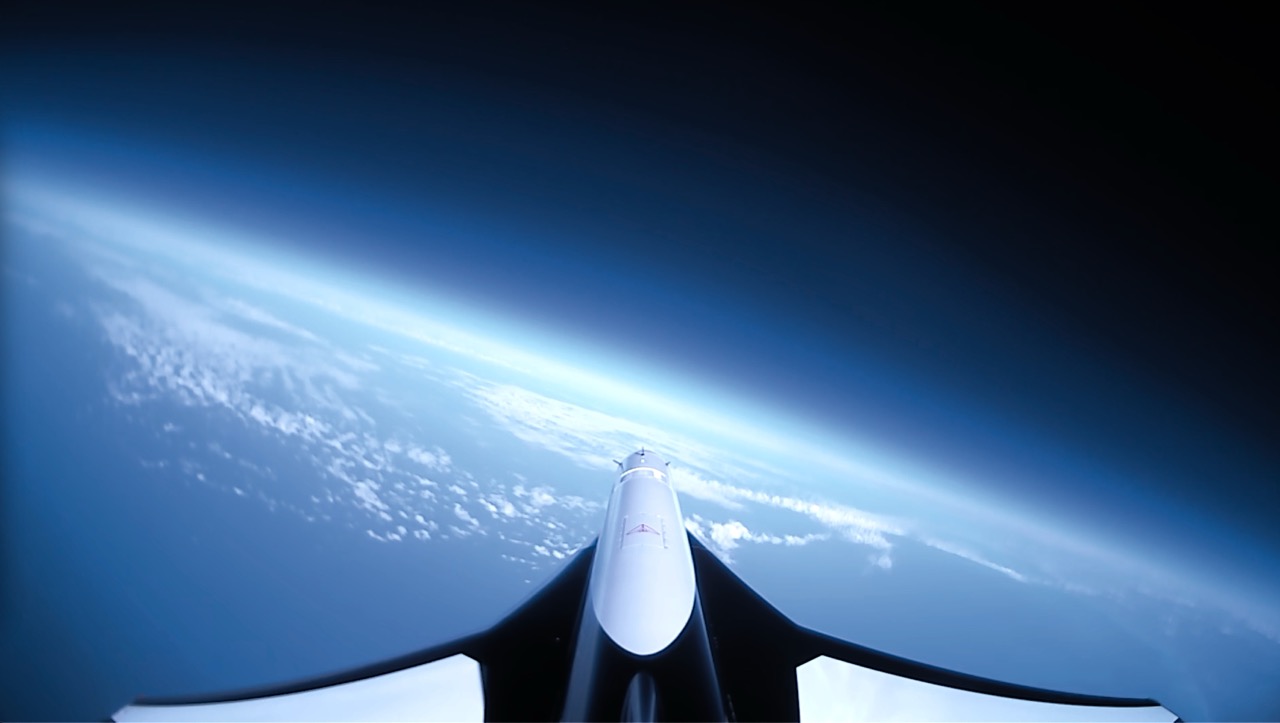
Newquay could become home to routine spaceplane flights under a new partnership between Spaceport Cornwall and Dawn Aerospace. The companies have signed an agreement to investigate operating the reusable Aurora spaceplane from Cornwall Airport Newquay for research, defence and commercial missions.
The memorandum of understanding (MoU), announced on 19 October, covers plans to establish the Dawn Aerospace Suborbital Horizontal UK Launch Programme (DASH UK), using the company’s Aurora spaceplane.
The proposed service would allow research organisations, commercial operators and defence customers to conduct flights to the upper atmosphere and suborbital space from an existing UK airport.
Aurora is designed to take off and land on conventional runways, reaching altitudes of up to 100km and speeds exceeding Mach 3.7. Dawn Aerospace is developing the vehicle for rapid reuse, with a target turnaround time of just four hours between flights.
The agreement does not establish a timetable for UK operations. Both organisations will first examine the commercial, regulatory and operational requirements for introducing the service at Newquay.
Dawn Aerospace targets two space flights in one day
Dawn Aerospace is developing Aurora as a reusable alternative to conventional sounding rockets, which carry scientific instruments and experimental payloads into the upper atmosphere and suborbital space.
The vehicle can carry payloads of up to 15kg and provide more than two minutes of microgravity. This would allow researchers to conduct experiments in conditions that cannot be replicated during conventional aircraft operations.
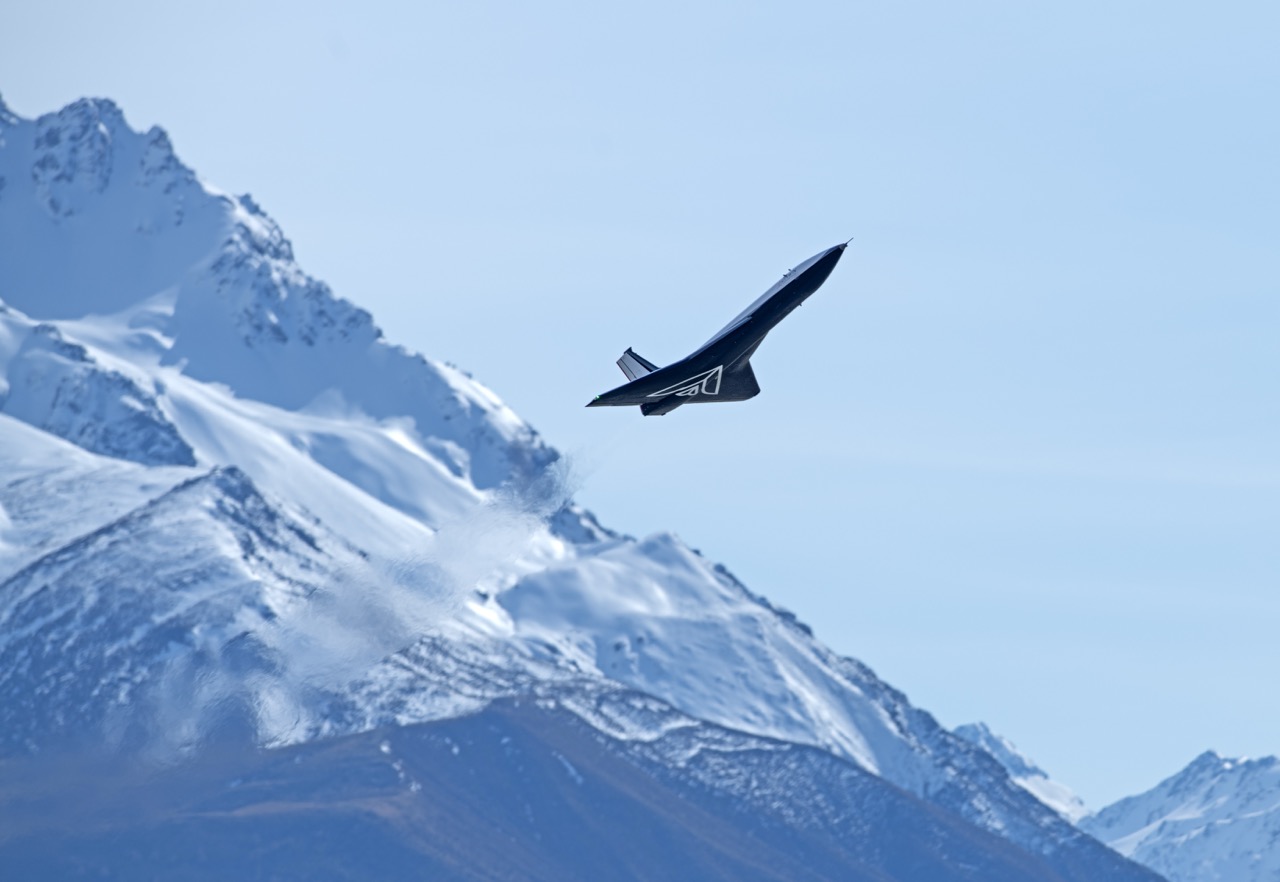
Possible applications include atmospheric research, technology demonstrations, high-speed flight testing and defence research. Dawn Aerospace also plans a capability it describes as “space twice in a day”, with the same vehicle conducting multiple missions within 24 hours.
The company has completed 64 test flights of Aurora so far. Its full-performance spaceplane is expected to begin flying in 2027.
The company targets 100km altitude and Mach 3.7, though it has yet to demonstrate these capabilities through routine commercial operations.
Dawn Aerospace was founded in 2017 and employs more than 150 people across operations in the Netherlands, France, Germany, New Zealand and the United States.
Stefan Powell, CEO of Dawn Aerospace, said: “Our vision is to make space access as routine as aviation.”
“Partnering with Spaceport Cornwall through this MoU is an important step towards bringing that capability to the UK, enabling customers to fly more frequently, iterate faster and accelerate innovation.”
Cornwall Airport Newquay could become a base for suborbital testing
The proposed DASH UK programme is part of Spaceport Cornwall’s plans to expand aerospace activities at Cornwall Airport Newquay. The airport has one of the UK’s longest runways and supports commercial aviation alongside military and specialist aerospace operations.
Spaceport Cornwall received its spaceport licence from the UK Civil Aviation Authority (CAA) in November 2022, becoming the country’s first licensed spaceport.

The Spaceport’s first orbital launch attempt took place in January 2023. Virgin Orbit’s modified Boeing 747, Cosmic Girl, departed Newquay carrying a LauncherOne rocket. Unfortunately, the rocket did not reach orbit due to a second-stage burner malfunction. Virgin Orbit later ceased operations.
The Aurora programme would use a different launch method. The reusable spaceplane would fly on its own rocket and return to the runway. It would support repeated high-altitude research and technology testing without preparing and launching a conventional expendable rocket for each mission.
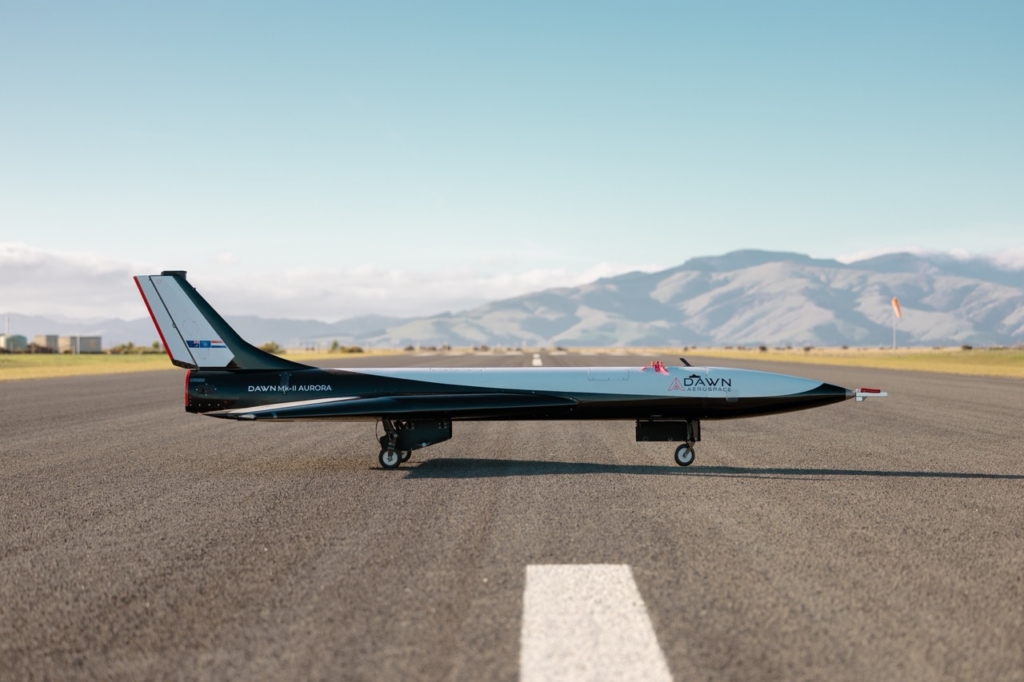
Ross Hulbert, Head of Engagement at Spaceport Cornwall, said: “This MoU represents an exciting opportunity to bring a genuinely transformational aerospace capability to the UK.”
“The Aurora spaceplane offers a more responsive and reusable approach to accessing the upper atmosphere and near-space environment, opening new possibilities for research organisations, technology developers, defence users and commercial customers.”
He added: “Together with Dawn Aerospace, we aim to establish Cornwall as the UK’s gateway for routine suborbital flight.”
UK space strategy and regulatory approvals
The partnership supports the UK’s plans to develop domestic launch infrastructure, commercial space services and advanced aerospace technologies.
The UK National Space Strategy identifies access to space as an important part of developing the country’s space economy and strengthening national capabilities.
The Cornwall proposal would also bring together commercial aviation, military operations, aerospace research and suborbital flight at a single location.
Potential customers could include universities, scientific research institutions, defence organisations and companies developing technologies that require testing at high altitude or in microgravity.
However, the existing spaceport licence does not automatically authorise Aurora flights.
Any future DASH UK operations would need to meet the relevant CAA requirements, including launch operator licensing, vehicle safety assessments and arrangements for managing airspace during rocket-powered flights.
The MoU establishes a framework for Dawn Aerospace and Spaceport Cornwall to investigate those requirements, engage prospective customers and develop plans for future operations.
Spaceport Cornwall is also seeking to expand Newquay’s role in aerospace research, payload return and testing of emerging flight technologies.
The next stage will be a feasibility assessment of the proposed DASH UK service.
Dawn Aerospace’s full-performance Aurora flight programme, scheduled to begin in 2027, will help determine when the technology could become available for operations from Cornwall.
Sign up for our newsletter and get our latest content in your inbox.
Similar Reads




Sign up for our newsletter. Select all sectors relevant to you.
Related