Solar radiation event highlights need for improved aviation monitoring, study finds


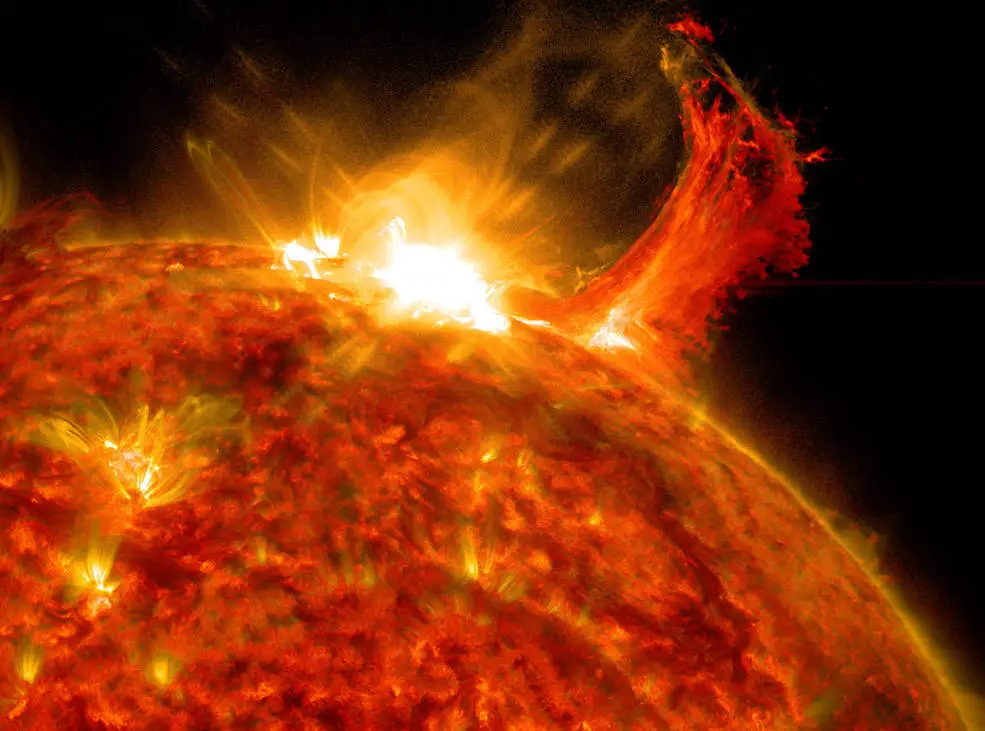
A major solar radiation event in November 2025 has provided researchers with an unprecedented dataset of radiation measurements across Earth’s atmosphere, highlighting the need for better-coordinated monitoring to assess risks to aviation.
The study, led by the University of Surrey and published in Space Weather, analysed measurements collected on 11 November 2025 during the largest Ground Level Enhancement (GLE) observed in almost 20 years.
The event was triggered by a rare X5-class solar flare, which sent a burst of energetic particles from the Sun into Earth’s atmosphere. Researchers found that radiation levels above the UK varied significantly according to location and altitude, with some measurements exceeding international aviation advisory thresholds.
Radiation levels exceeded aviation advisory thresholds
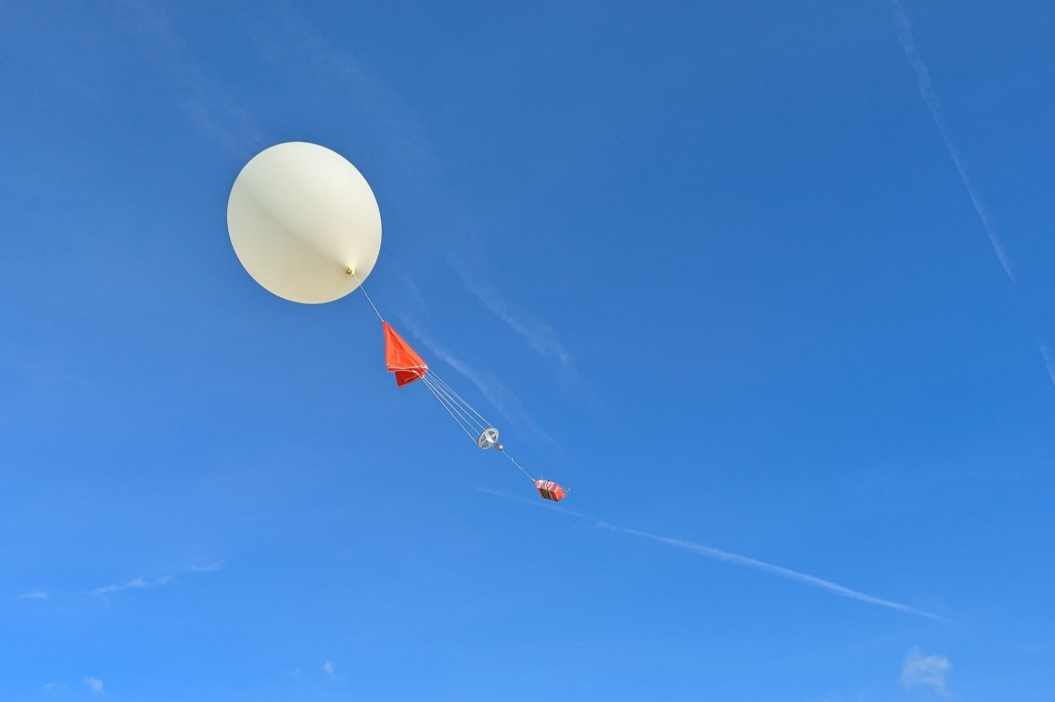
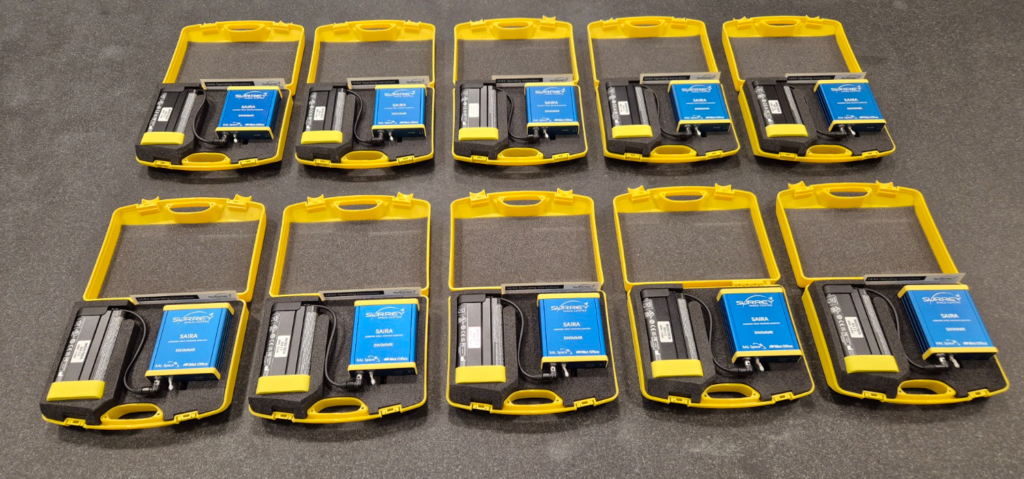
The research team combined data from ground-based neutron monitors across the UK, radiation detectors aboard transatlantic passenger flights and instruments carried by weather balloons launched from the UK and the Netherlands.
Balloon launches conducted in collaboration with the Met Office from Lerwick, Shetland, recorded radiation levels above the International Civil Aviation Organization’s (ICAO) ‘moderate’ advisory threshold at business jet altitudes several hours after the storm peaked.
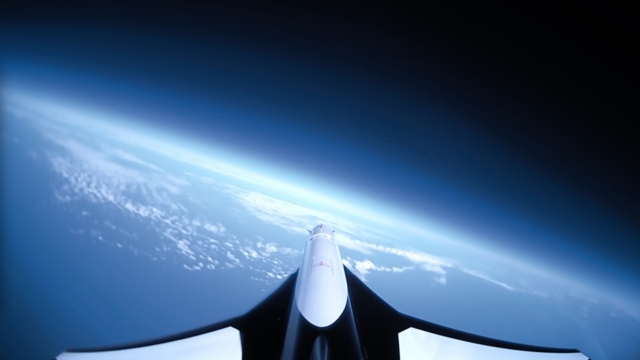
At higher altitudes associated with supersonic flight, measurements exceeded the ICAO’s ‘severe’ threshold.
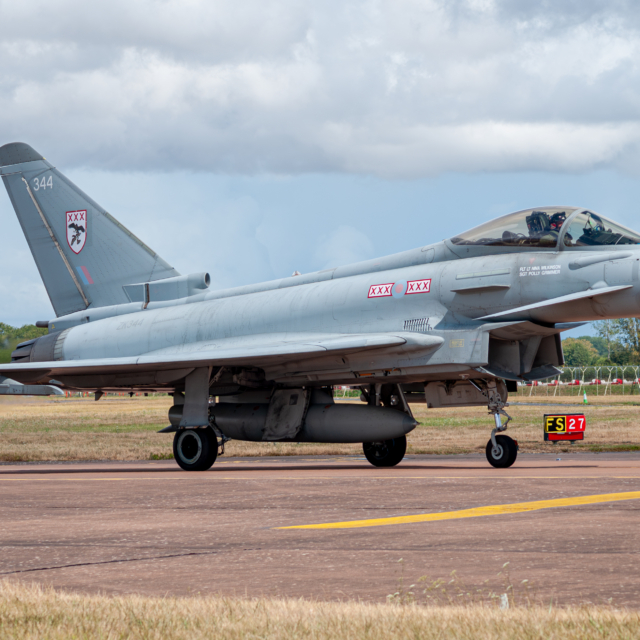
The impact was also recorded aboard commercial aircraft. A London-to-New York flight that departed during the event experienced a 46% increase in radiation exposure compared with normal background conditions.
Dr Ben Clewer, co-lead author and Space Weather Model Research Fellow at the Surrey Space Centre, University of Surrey, said the coordinated measurements provided an unusually detailed picture of the event.
The team received alerts from neutron monitors around the world before triggering balloon launches and monitoring incoming data from balloons, aircraft and ground-based sensors as the storm developed.
Researchers call for coordinated monitoring
The findings highlight the potential value of combining direct measurements within the atmosphere with the forecasting models currently used to assess radiation risks to aviation.
International advisory systems largely rely on model outputs informed by ground-based and space-based observations. The researchers argue that additional atmospheric measurements could help improve understanding of how radiation levels change across different locations and altitudes during extreme solar events.
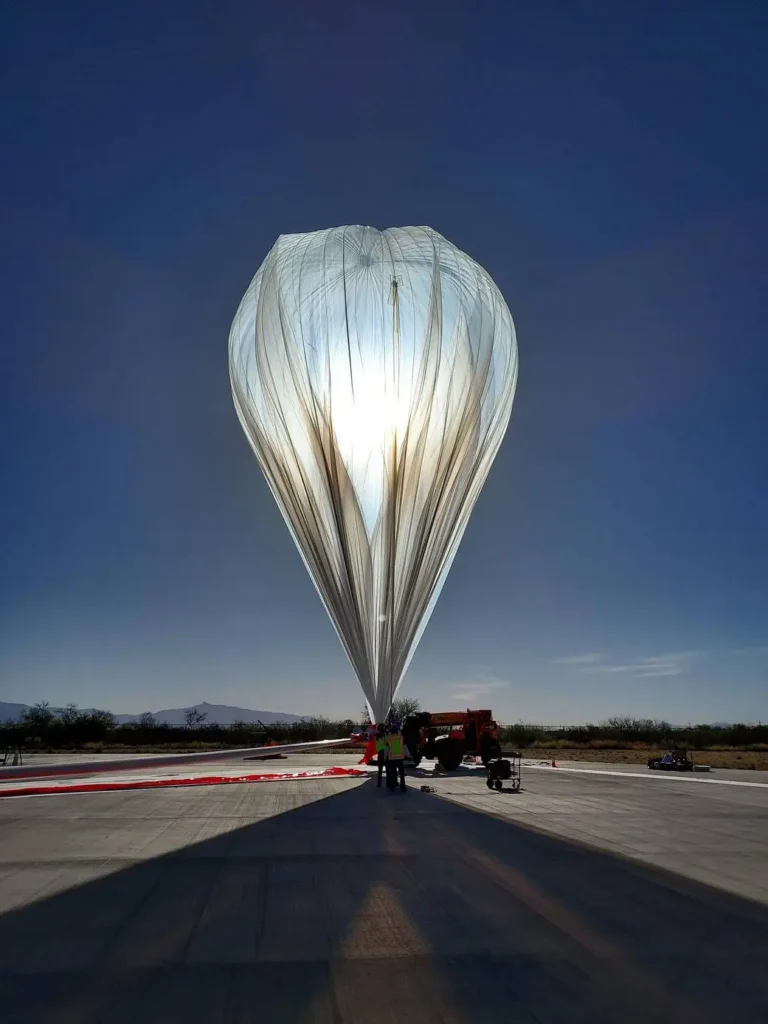
Dr Fraser Baird, co-lead author from the Surrey Space Centre, said measurements from the first balloon launched in Lerwick revealed an unexpectedly intense radiation environment high in the atmosphere.
He added that the results demonstrated the geographical variability of solar radiation events and the importance of coordinated monitoring systems.
UK monitoring network provides new data
The project brought together researchers from the University of Surrey, the Met Office, the Royal Netherlands Meteorological Institute (KNMI), Lancaster University and international partners. The Met Office and KNMI contributed to the weather balloon launches.
The study also marks the first time a major solar radiation storm has been monitored using a UK-wide network of neutron monitors stretching from Cornwall to Shetland. According to the researchers, no comparable network of operational sensors existed in the UK a decade ago.
Met Office Space Weather Manager Krista Hammond said the ground-based and balloon measurements would help scientists understand how space weather affects radiation levels throughout the atmosphere.
She said the observations represented a significant advance in scientific understanding and could contribute to improvements in space weather forecasting.
Implications for future aviation safety
The researchers say the findings could inform future developments in atmospheric radiation monitoring, particularly as airlines continue to rely on sensitive electronic systems and operate more flights along high-latitude routes, where radiation exposure can be greater.
The dataset offers an opportunity to assess how well existing forecasting systems capture radiation conditions during major solar events. Further improvements in monitoring and forecasting could help aviation authorities and operators make better-informed assessments of radiation risks during future disturbances.
Sign up for our newsletter and get our latest content in your inbox.
Similar Reads


Sign up for our newsletter. Select all sectors relevant to you.
Related