Why Canada is joining the UK-led Joint Expeditionary Force after a 12-year wait


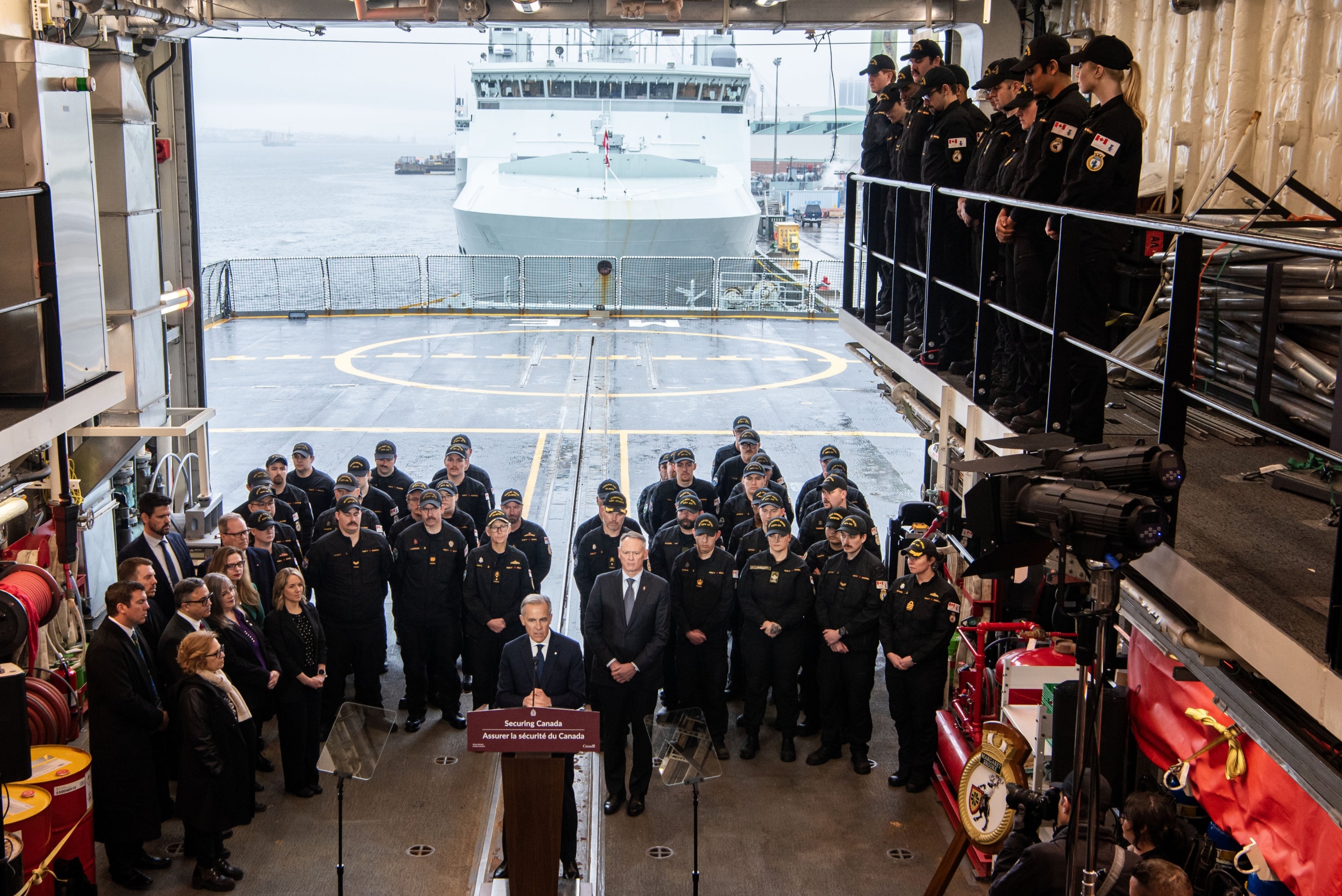
Canada has formally applied to join the British-led Joint Expeditionary Force (JEF). This was made after Prime Minister Mark Carney met his counterpart, Prime Minister Andy Burnham, during a visit to the United Kingdom.
A statement by the office of the Prime Minister of Canada says, “Prime Minister Carney announced that Canada has formally applied to join the Joint Expeditionary Force and welcomed the UK’s support for Canada’s participation in this important initiative.”
The two Prime Ministers also discussed opportunities for defence industrial cooperation through the GCAP/Tempest fighter jet programme. Canada joined the sixth-generation fighter jet programme as an observer in July 2026. They also said they seek to deepen cooperation in frontier technology such as the use of artificial intelligence.
Additionally, the statement mentioned that Canada and the UK continue to work toward a new permanent arrangement to modernise British Army Training Unit Suffield (BATUS) through the BATUS Future Project.
Why has Canada applied to join the JEF now?
JEF is a coalition of ten Northern European NATO countries that cooperate in patrolling the North Atlantic. In July, it was reported that Ireland (not a member of NATO) was also seeking to join in a limited capacity.
The group’s mandate is to respond more quickly in a crisis. It was first formed in the wake of Russia’s 2014 annexation of Crimea and has taken on renewed relevance since the 2022 invasion of Ukraine. Finland and Sweden joined the grouping in 2017 and Iceland in 2021.
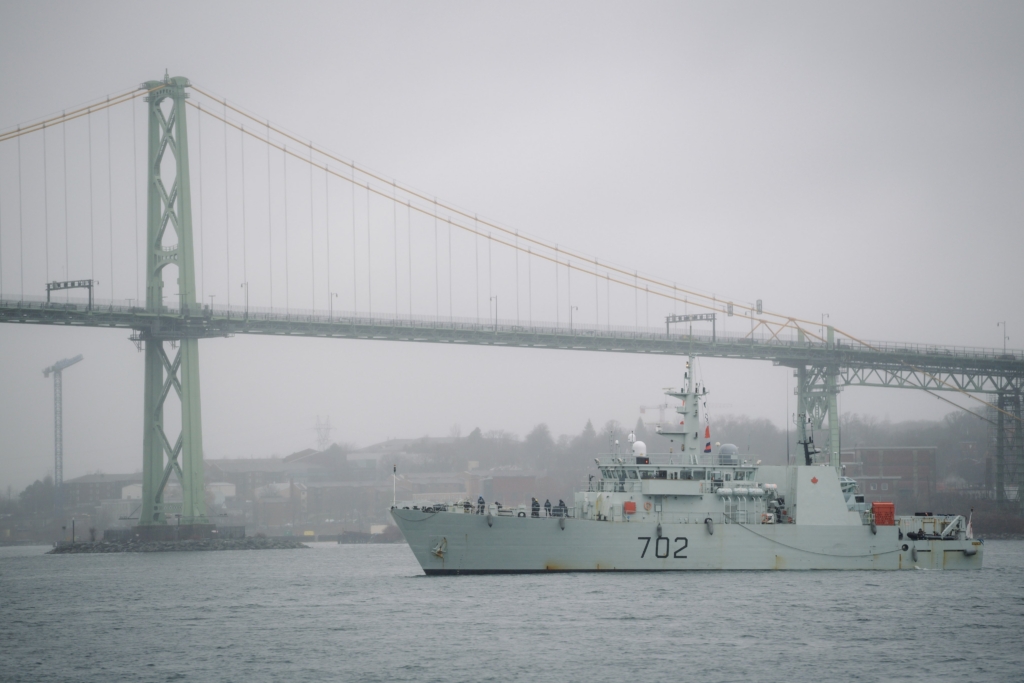
According to Canada’s CBC News, the UK asked Canada to join JEF “more than a dozen years ago”. The idea was discussed at the 2014 NATO leaders’ summit in Wales, with former Prime Minister Stephen Harper declining to join.
At the time, the Canadian military was in the throes of deep budget cuts and was deeply reluctant to join.
What is the Joint Expeditionary Force (JEF)?
While the Wednesday statement says Canada will join, it is unclear in what capacity on a practical level. Gen. Jennie Carignan, Canada’s top military commander, has not yet stated what membership will mean for the Royal Canadian Navy.
One intent of JEF was to preserve battlefield relationships that developed during the Afghan war. The idea for JEF had been around before Russia’s 2014 Crimea annexation.
In 2012, Britain’s then chief of defence staff, Gen. Sir David Richards, described a future force that could deploy rapidly overseas without Britain having to assemble an entirely new coalition for every crisis.
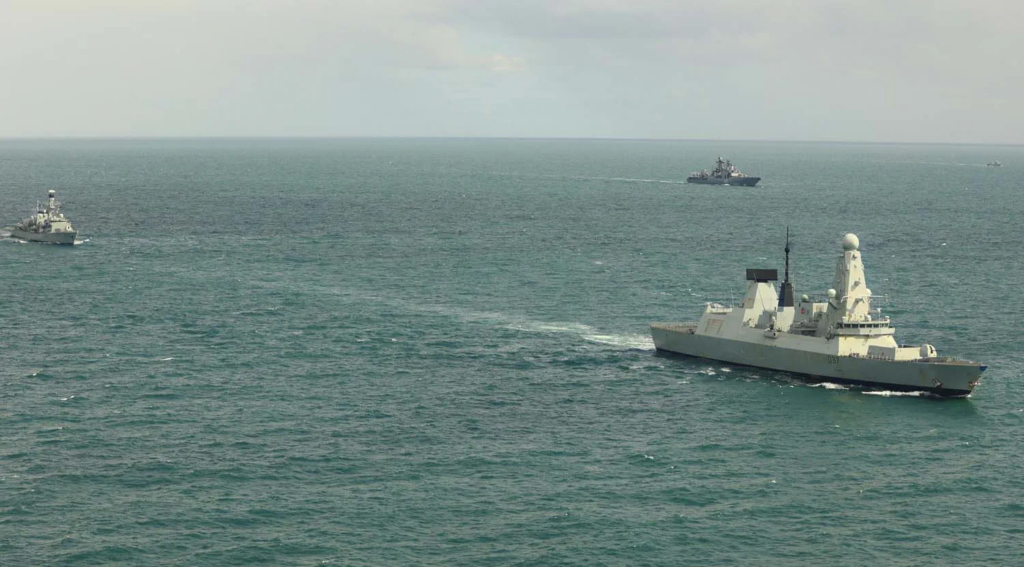
At the time, it was thought that the British Army could provide the command structure as well as much of the military backbone. Other countries would then contribute forces to plug into JEF as needed.
Since 2022, JEF’s emphasis has shifted to countering Russia in the North Atlantic and High Arctic, although all military domains (maritime, land, air, and space/cyber) can participate, depending on the mission. For Canada, the attraction is more about maritime security.
Sign up for our newsletter and get our latest content in your inbox.
Similar Reads



Sign up for our newsletter. Select all sectors relevant to you.
Related