

British Army’s new drone fleet reflects a battlefield where hiding is getting harder


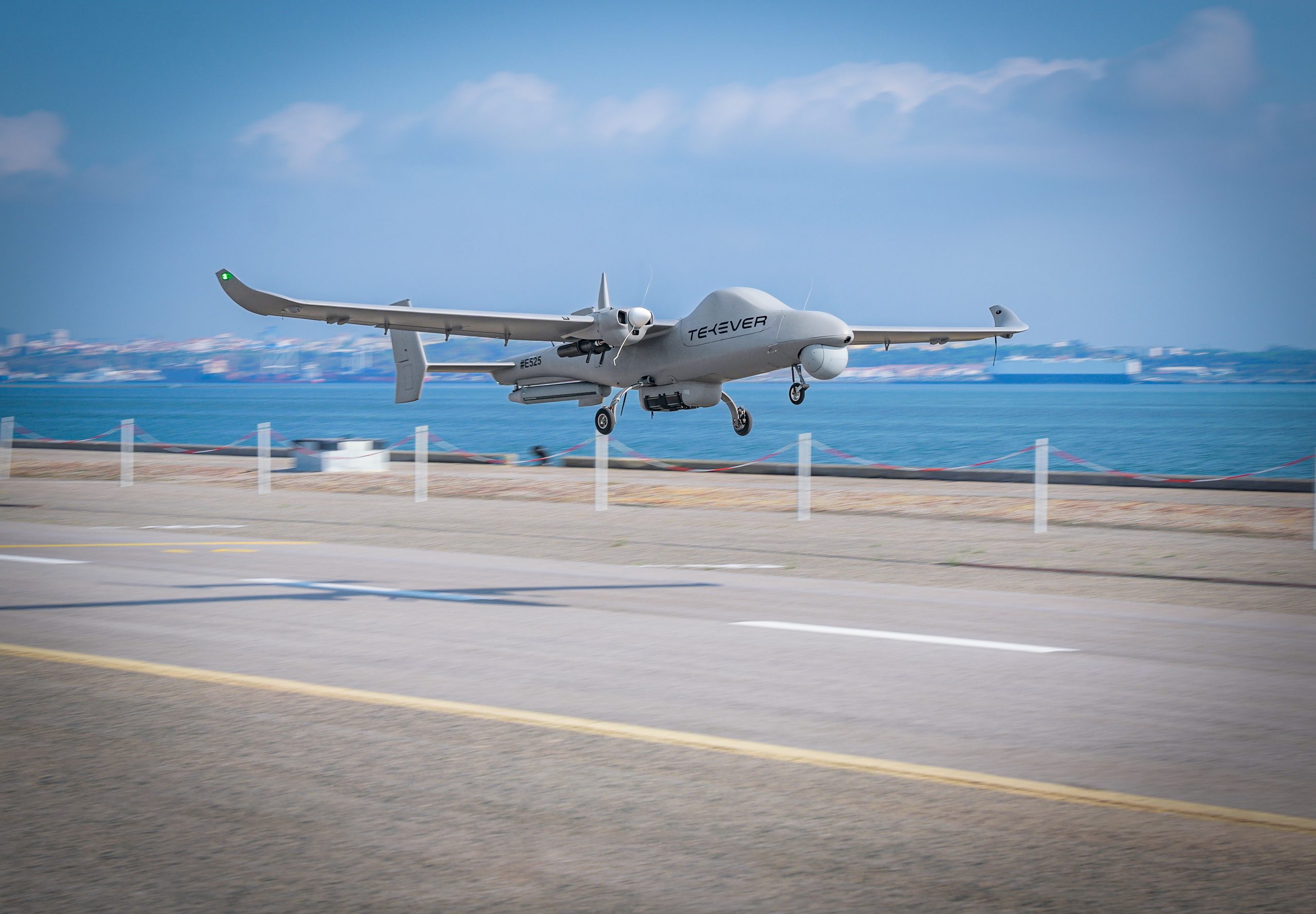
The British Army is replacing its ageing Watchkeeper surveillance fleet with TEKEVER’s combat-proven AR5 while simultaneously taking delivery of more than 1,000 smaller drones, in a move that goes beyond swapping one reconnaissance aircraft for another.
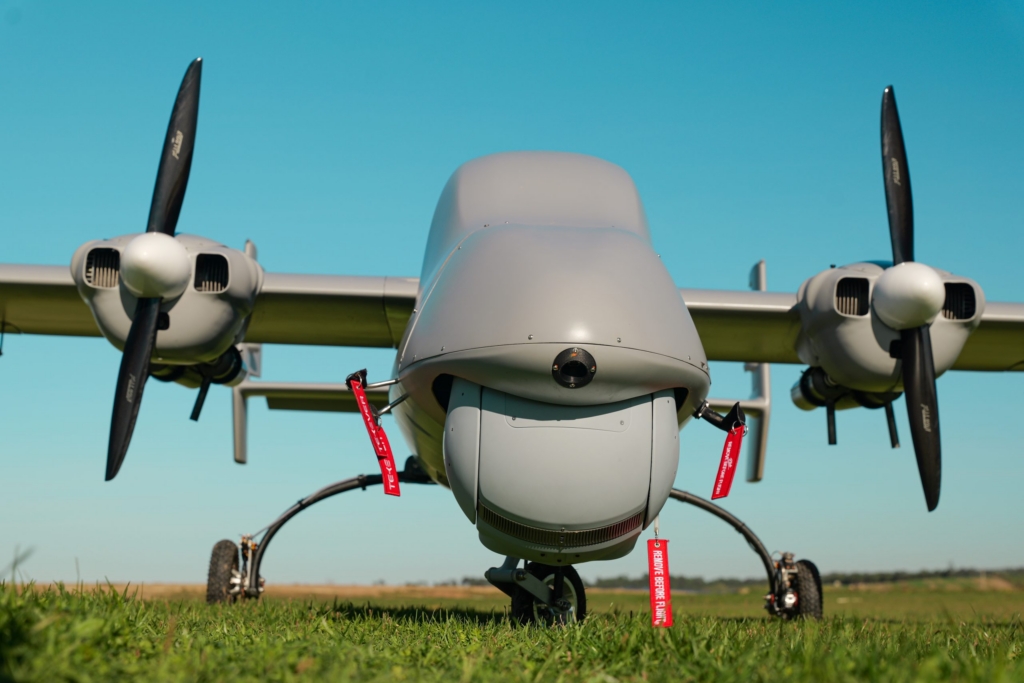
The two procurements point to a broader change in how the Army intends to operate. Instead of relying mainly on a relatively small number of larger unmanned aircraft controlled at higher levels, drones of very different sizes are being pushed through the force, from long-endurance intelligence aircraft carrying sophisticated sensors to systems light enough for individual soldiers to use close to the front.
The shift reflects a lesson driven home by Ukraine: on a battlefield crowded with drones, cameras, electronic sensors and rapidly shared targeting information, staying unseen is becoming increasingly difficult.
“This is defence procurement that backs British industry, creates skilled jobs and keeps our Armed Forces ahead of our adversaries,” Defence Readiness and Industry Minister Luke Pollard said.
“Our soldiers deserve the best technology, and that’s what we’re delivering,” Pollard said. “From small drones giving troops eyes on the enemy, to the AR5 offering commanders better intelligence over the battlefield, we’re transforming the Army’s ability to see, understand and act first.”
A Modern War Institute analysis published this week described the modern battlefield as “increasingly transparent”, with small drones, ground sensors and electronic warfare able to expose formations that once depended on terrain, distance or concealment for protection.
Its argument is that drones should no longer be regarded as specialist equipment operating alongside conventional forces, but integrated into the way soldiers move, fight and protect themselves.
Britain’s latest purchases appear to be moving in much the same direction.
AR5 will replace Watchkeeper after more than a decade in service
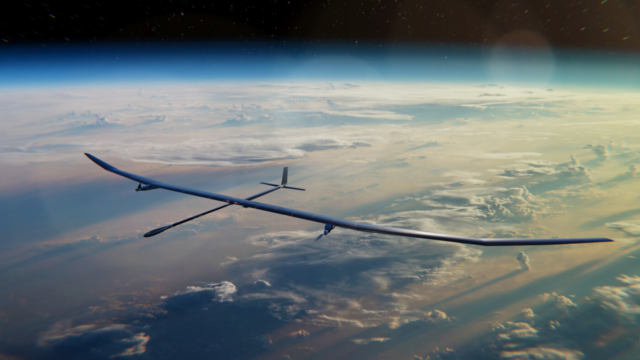
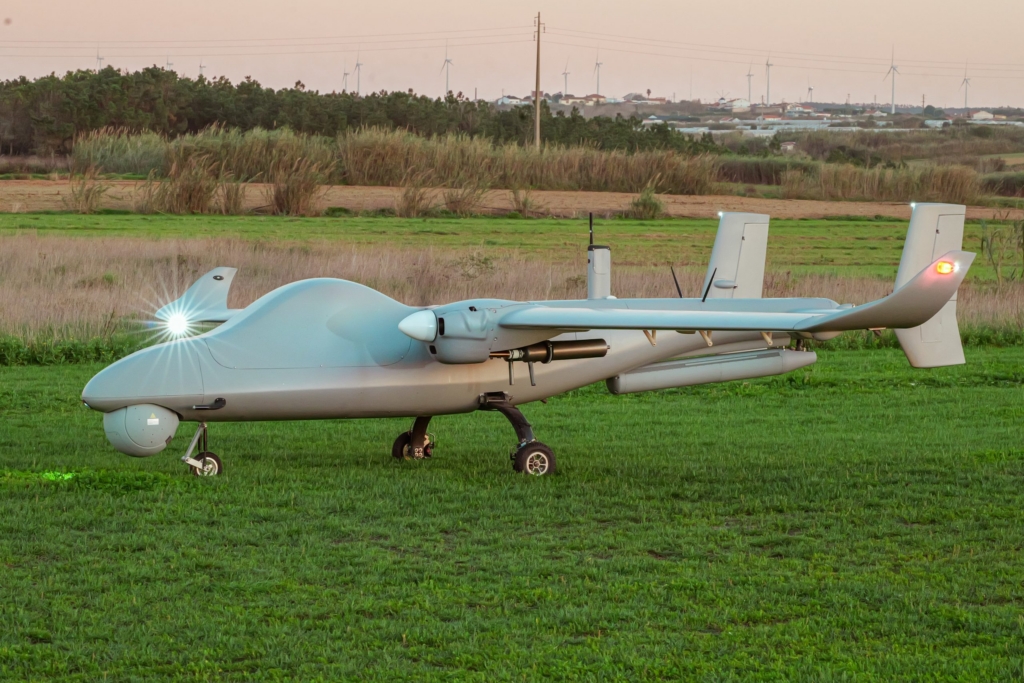
The largest investment is a contract worth up to £400 million with TEKEVER for its AR5 intelligence, surveillance and reconnaissance (ISR) aircraft.
Six AR5s will be acquired initially, with the fleet potentially growing to 24 by 2029. They will replace the Thales Watchkeeper WK450, which entered British Army service in 2014.
The AR5 can carry up to 50kg of cameras and other sensors and is designed to remain airborne for extended periods. The type has already been used operationally by Ukraine against Russia, giving the Army a system that arrives with experience from a conflict where unmanned reconnaissance has become central to finding and tracking targets.
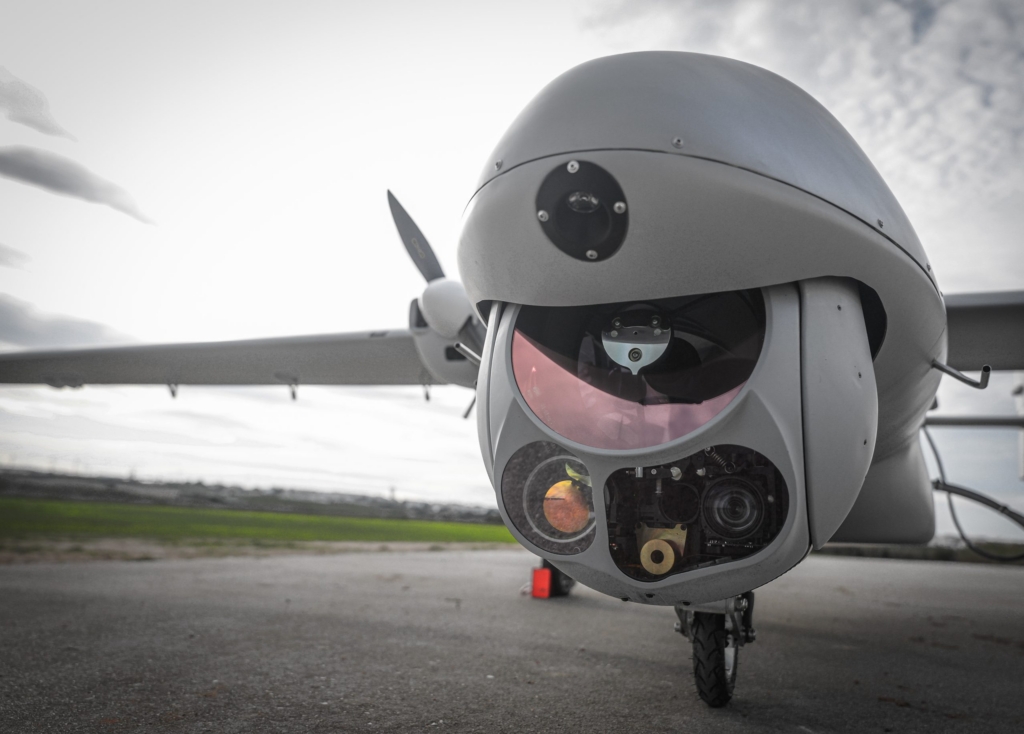
The aircraft will be built at a new TEKEVER factory in Swindon. The company says the programme will help support more than 1,000 skilled jobs by 2030 across its UK operations, which include Bristol, Swindon, Lydd, London, Southampton, Edinburgh and West Wales Airport.
“We are proud to be delivering the AR5 to the British Army at this critical moment for national security,” TEKEVER UK managing director Karl Brew said. “This investment allows us to grow our UK operations, create hundreds of skilled jobs and bring cutting-edge surveillance technology, proven on the battlefield in Ukraine, into service with British forces.”
The replacement of Watchkeeper is significant in itself. But the smaller procurement announced alongside it may say just as much about where the Army is heading.
More than 1,000 smaller drones push surveillance closer to the soldier
Under a separate £16 million contract, more than 1,025 smaller drones are being delivered by three UK-based companies, with deliveries nearing completion.
They are very different machines from the AR5.
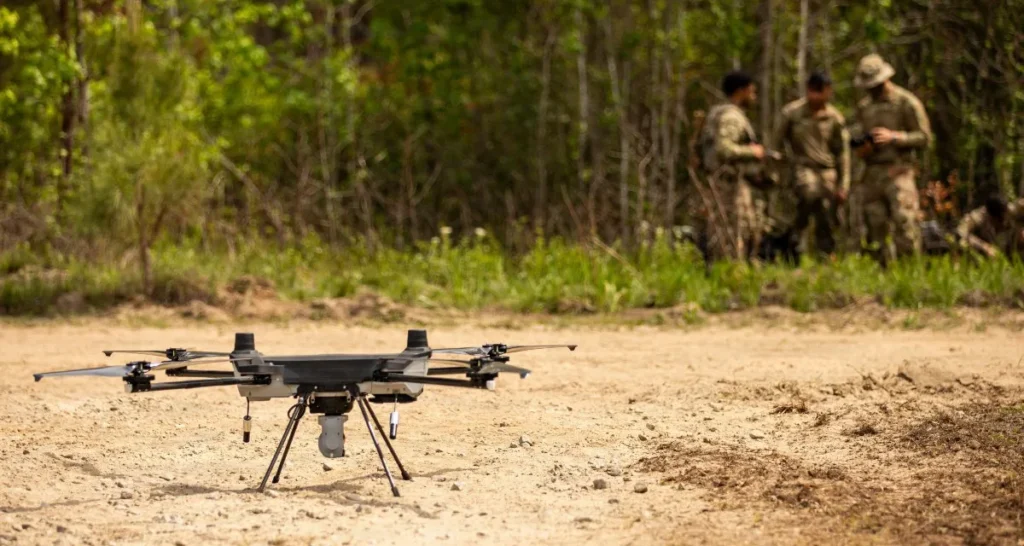
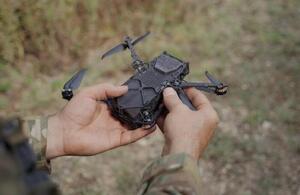
Evolve Dynamics of Hampshire is supplying 245 FOXE-NATO drones. Weighing less than 250g and fitted with infrared cameras, they are intended to give troops a lightweight reconnaissance capability that can also be used at night.
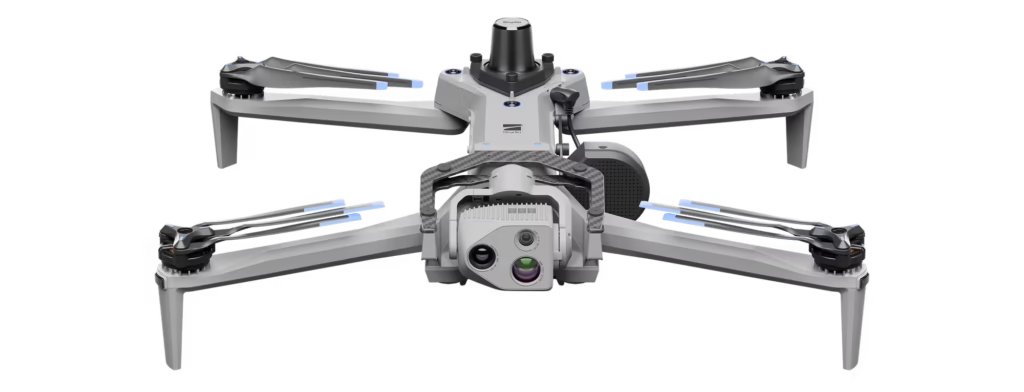
Marlborough Communications is providing 670 Skydio X10 INTL drones. The aircraft can be prepared for flight in under a minute and reach speeds of up to 45mph.
Another 110 SONORA systems are being supplied through Exeter-based Brigantes Consulting and Harmattan AI. These have a different role: helping soldiers train before operating comparable drones on real missions.
Together, they begin to fill the space between what an individual soldier can see and what a larger ISR aircraft such as AR5 can observe from much farther away.
That distinction matters. Reconnaissance is no longer necessarily something a formation requests from an asset somewhere above or behind it. A small unit can increasingly put its own camera into the air within minutes.
The Modern War Institute analysis makes a similar point. ISR drones can help troops choose routes, locate enemy activity, develop targets and check the effects of an attack. Better observation, it argues, reduces uncertainty and can prevent soldiers unnecessarily exposing themselves.
In simple terms, a soldier does not have to walk around a corner, cross an exposed field or send a vehicle down a road simply to discover what is waiting there. A drone can look first.
Ukraine has changed what armies expect from drones
The British procurement comes as militaries are reassessing assumptions about unmanned aircraft after more than four years of war in Ukraine.
The lesson is not merely that armies need more drones.
They need different drones for different jobs, enough of them to absorb losses, and a way of getting information from those aircraft to the people who need it quickly.
The Modern War Institute proposes seven broad unmanned roles: first-person-view attack drones, ISR aircraft, bomber drones, sensor platforms, communications relays, resupply systems and deception drones. The value comes from using them together rather than treating each as an isolated piece of equipment.
That is useful context for Britain’s latest purchase. The AR5 and the thousand-plus smaller aircraft do not perform the same job and are not intended to. They provide different layers of observation.
At the upper end, AR5 can remain aloft and carry a substantial sensor payload, giving commanders a wider picture. At the other, FOXE-NATO and Skydio systems can put surveillance directly into the hands of troops.
What matters next is how quickly those layers can work together.
Finding an enemy position is of limited value if the information takes too long to reach the unit able to act on it. The emerging contest is increasingly about compressing the time between detecting something, identifying it and responding.
The same transparency also works both ways. British formations using drones will themselves face hostile surveillance and electronic warfare. The Modern War Institute cautions that unmanned systems must be affordable, replaceable and available in sufficient numbers, while armies simultaneously develop ways to detect, disrupt and destroy enemy drones.
Project Rapstone is intended to get technology to soldiers faster
The smaller drone procurement is being delivered through Project Rapstone, the Army programme intended to shorten the journey between promising technology and equipment in soldiers’ hands.
The aim is to move new systems from industry to the front line within 24 months and contribute to the Army’s goal of doubling fighting power by 2027.
For the government, there is an industrial argument as well. The small-drone contract has already created more than 30 jobs across Hampshire, Surrey and Exeter, while the much larger AR5 programme gives TEKEVER a substantial UK production base.
Sign up for our newsletter and get our latest content in your inbox.
Similar Reads


Sign up for our newsletter. Select all sectors relevant to you.
Related