RAF launches new space effects squadron as UK steps up satellite defence


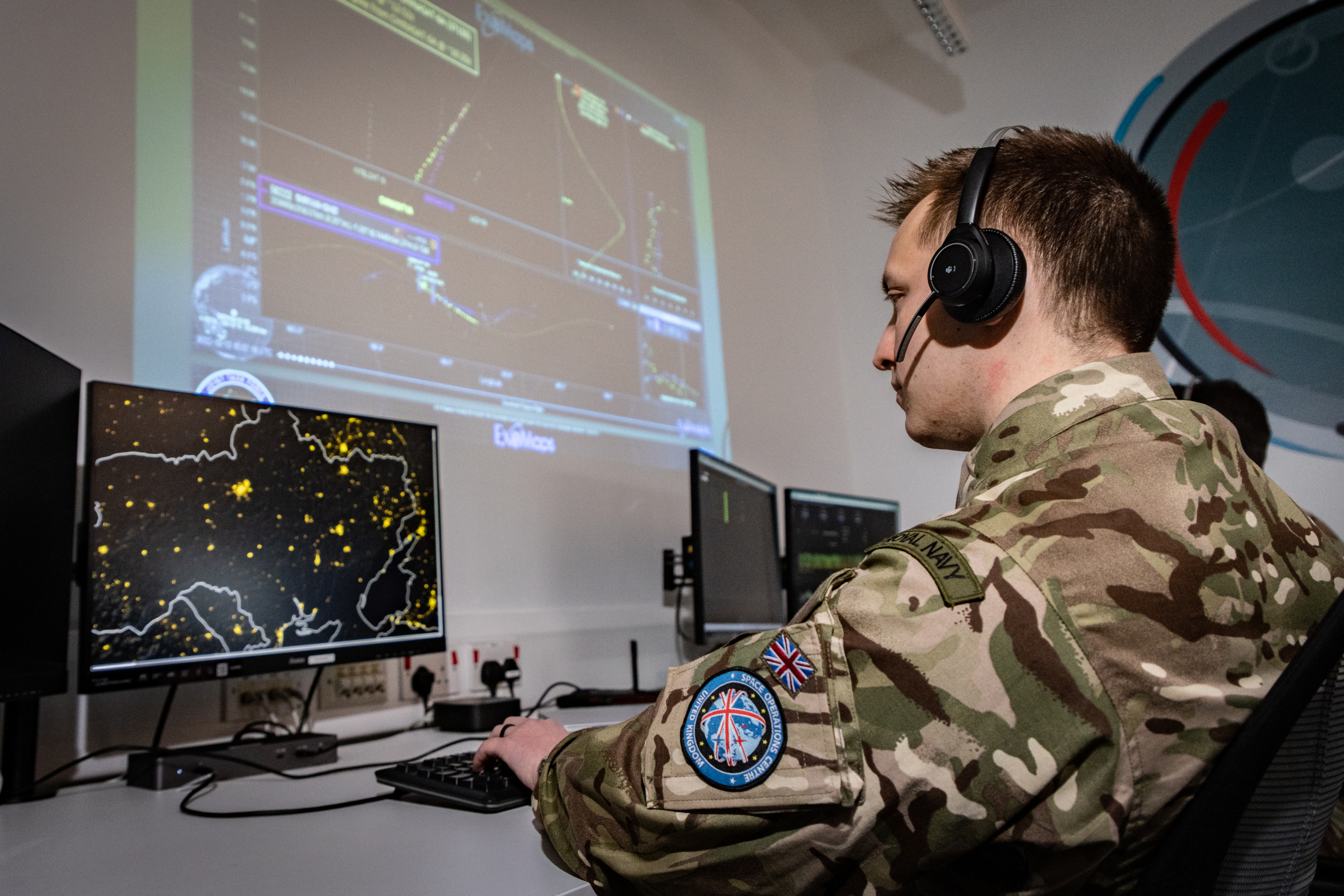
The Royal Air Force (RAF) has launched No III Space Effects Squadron, the UK’s first dedicated military unit tasked with countering hostile threats against British satellites in orbit and other space-related interests.
Announced during the inaugural UK Space Power Conference in London on 23 September by Chief of the Air Staff, ACM Sir Harv Smyth, the new specialist squadron represents a significant evolution in the UK’s approach to space security, moving beyond simply monitoring and warning operations towards an ability to actively respond to threats against British satellites.
According to the UK Ministry of Defence (MOD), the unit will bring together specialist personnel from across the UK Armed Forces and is expected to employ technologies, such as electronic warfare (EW), to “disrupt, degrade and deny” hostile activity. It will support both defensive and offensive space operations, with its capabilities set to expand as new systems and technologies enter service.
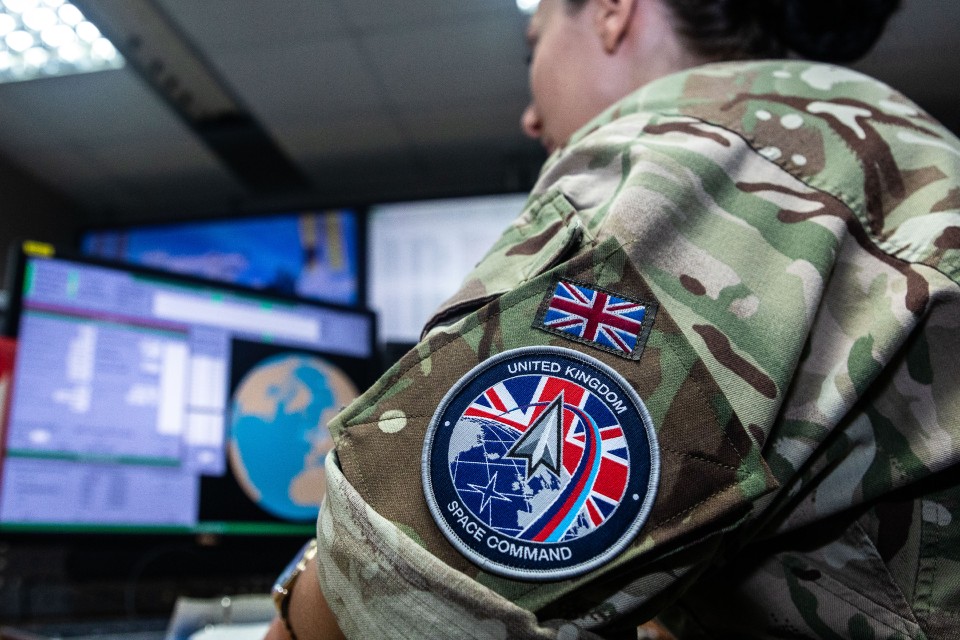
Commenting on the new specialist squadron in a MOD press release (dated 23 September), Smyth said: “Space no longer supports operations from the sidelines. It’s a domain of direct competition, where our military advantage can be won or lost.”
He added that No III Space Effects Squadron would “safeguard the vital benefits that space gives to our integrated armed forces” while being capable of denying those benefits to adversaries.
The formation of this new unit completes an emerging space structure within the RAF. No I Space Operations Squadron and No II Space Warning Squadron – both of which were established in December 2023 – already provide capabilities to monitor and detect space-based threats.
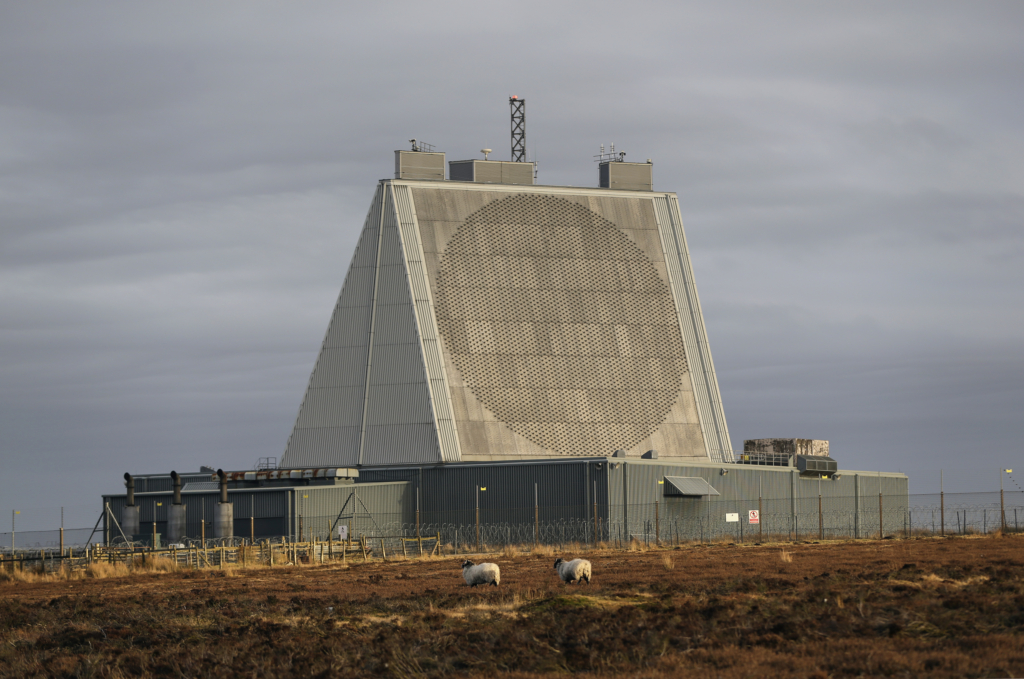
Meanwhile, RAF Fylingdales in North Yorkshire provides continuous missile warning and space surveillance, forming a key part of the UK’s wider space domain awareness architecture.
Moving to protect the UK’s space-enabled infrastructure
The significance if this development extends well beyond just military operations. Satellites are vital in supporting modern navigation, communications, intelligence, missile warning and maritime activity, while satellite-enabled systems also contribute to emergency services, energy infrastructure and networks, weather forecasting and mobile connectivity.
UK Defence Secretary Wes Streeting will present a keynote address during the inaugural UK Space Power Conference, in which he is expected to say: “Our dependency on space is precisely why it is increasingly under threat from our adversaries. That threat is growing in scale, speed and sophistication. And challenges in space increasingly mirror the geopolitics on Earth…
“My job is to make sure that our deterrence in space is as strong as it is on Earth, and to modernise our armed forces so that they are ready to deter and, if necessary, defeat any adversary, in any domain.”
This growing dependence is driving a broader shift in UK space policy. Published on 8 September, the UK Space Strategy commits £880m between FY26/27-FY29/30 to space control and intelligence, surveillance and reconnaissance (ISR) capabilities.
The newly published strategy also identifies the ability to maintain freedom of action in space, while protecting UK and allied assets and interests, as an increasingly important national security requirement.
Building resilience in an increasingly contested and complex domain
The move also reflects the increasingly contested nature of low-Earth orbit. Westminster says hostile states are now developing new capabilities that are capable of jamming, disrupting or disabling space-based assets, such as satellites that are vital for key civilian-related network infrastructure or military operations.
At the same time, the UK has stood firm on ruling out its involvement in destructive anti-satellite missile testing, saying that it remains committed to peaceful and sustainable behaviour in space through work carried out by the UN Committee on the Peaceful Uses of Outer Space (COPUOS).
For the UK’s defence and space industries, the creation of No III Space Effects Squadron signals more than just a new RAF unit. It points toward sustained demand for technologies capable of detecting, protecting against and responding to threats in an increasingly congested and strategically important space environment.
Sign up for our newsletter and get our latest content in your inbox.
Similar Reads