

First Turkish Typhoon pilots begin training at RAF Coningsby


The first Turkish Air Force pilots have begun flying training with the Royal Air Force at RAF Coningsby, putting the training and support element of Turkiye’s multibillion-pound Typhoon purchase into operation more than three years before its first new aircraft is due for delivery.
Two experienced Turkish combat pilots have joined the 29 Squadron, the RAF’s Typhoon Operational Conversion Unit at the Lincolnshire base. Their conversion course will take up to nine months, followed by another three months of instructor training.
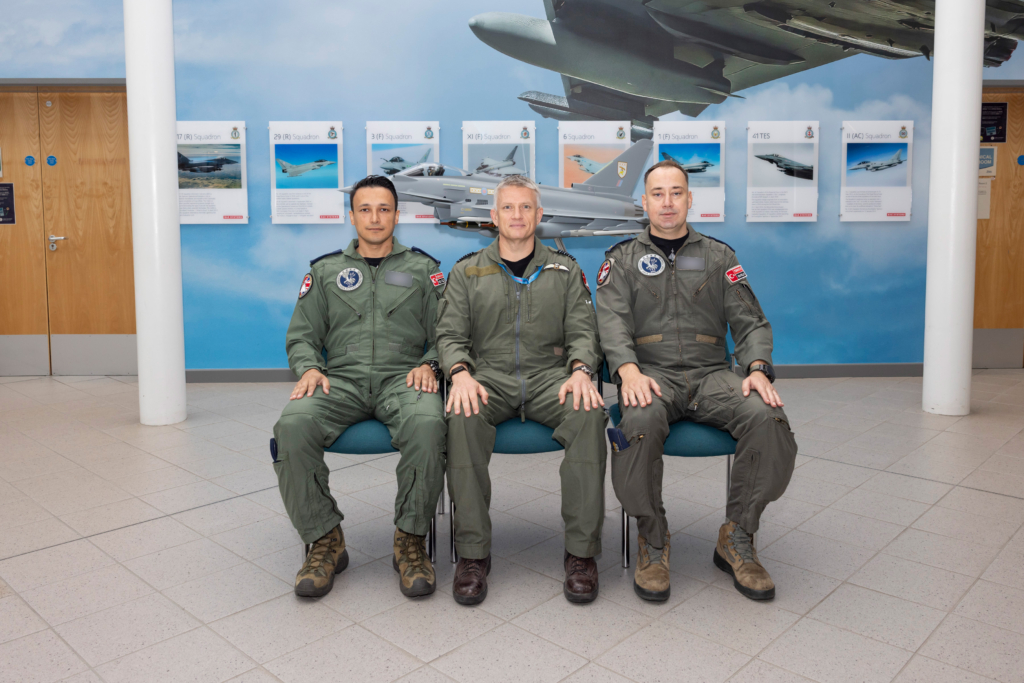
They will then remain with the 29 Squadron as instructors until Turkiye begins receiving its new-build Eurofighter Typhoons from BAE Systems in 2030.
That makes their arrival more than a conventional foreign pilot training programme. UK is effectively helping Turkiye build the first layer of people needed to operate and eventually train its own crews on the fighter.
Group Captain Batu, Programme Director at the Turkiye Programme Management Office, said the pilots will initially learn Typhoon systems and the procedures used in UK military airspace before making their first sorties.
“They (the two pilots) will spend the initial weeks of training learning Typhoon systems, and the procedures used in UK military airspace before they launch on their first sortie. I know that these Turkish pilots are incredibly excited about this new venture and are extremely proud to have been selected as their nation’s first-ever Typhoon Pilots,” he said.
Training starts years before aircraft arrive
The training is part of the wider package surrounding Ankara’s purchase of 20 new-build Eurofighter Typhoons.
The deal was agreed in October 2025 and was described at the time as Britain’s biggest fighter export agreement in a generation. The overall programme is worth up to £8 billion, while the aircraft, weapons and integration agreement was valued at about £5.4 billion.
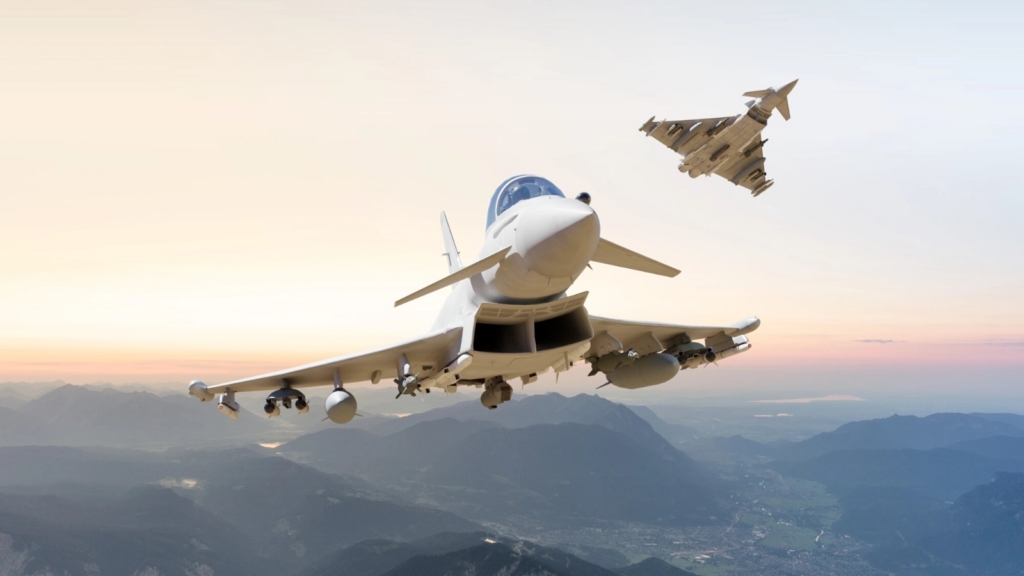
BAE Systems will manufacture major airframe components, conduct final assembly and lead weapons integration. The weapons package will primarily be supplied by MBDA.
Final assembly of the Turkish aircraft will take place at BAE Systems’ Warton site in Lancashire.
The programme supports more than 20,000 jobs across the UK, with work extending through the supply chain and BAE Systems sites. More than a third of every Typhoon is built in Britain.
The export order was particularly important for the British Typhoon industrial base because it extended production at a time when the UK is also investing in upgrades to its own fleet.
Turkiye will become the tenth air force to operate the aircraft, joining the UK, Germany, Italy, Spain, Austria, Saudi Arabia, Oman, Kuwait and Qatar.
Britain is training the trainers
The two pilots at Coningsby are the beginning of a much greater effort.
Under separate arrangements with the British government, the RAF is to train 10 Turkish instructor pilots and nearly 100 maintenance trainers.
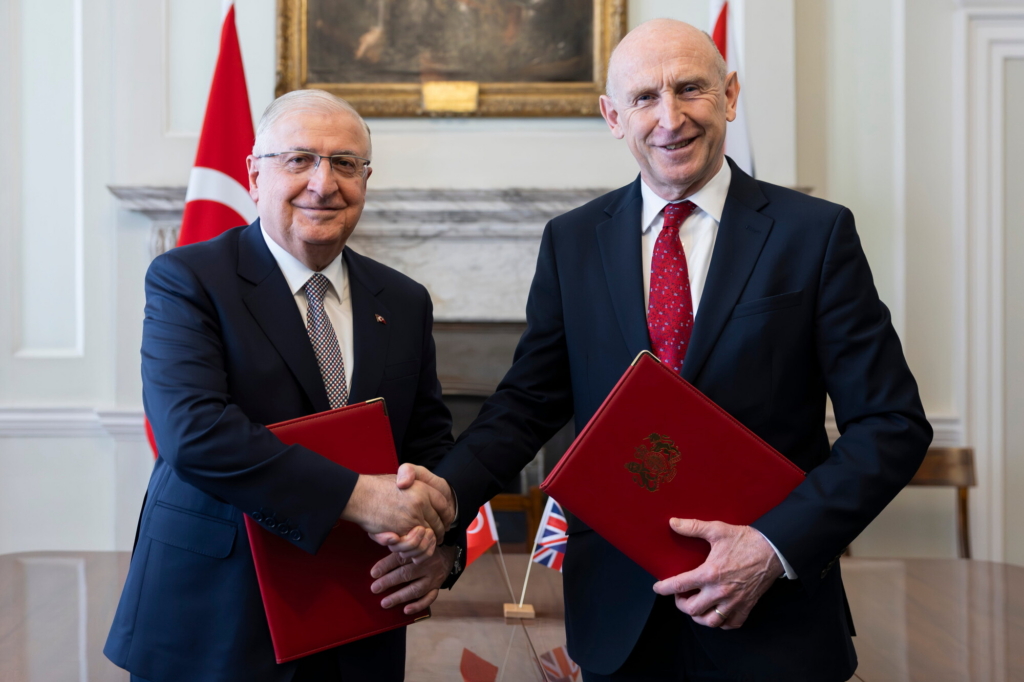
Courtesy BAE Systems / Photo: David Coates
The intention is that Turkiye will ultimately be able to train its own pilots and ground crews rather than remain dependent on
UK as its Typhoon force expands.
BAE Systems is also supplying the infrastructure around the aircraft. Its support package includes spares, support equipment, engineering and pilot training, high-fidelity simulators and electronic warfare capabilities.
The company will provide technical support for an initial three years after the aircraft enter service. The package is designed to progressively increase Turkiye’s ability to support the fleet itself.
Simon Barnes, Group Managing Director of BAE Systems’ Air sector, said when the support agreement was announced that it would help Turkiye prepare to operate its new aircraft.
“We’re delighted to play a key role in enhancing Turkiye’s readiness to operate the new aircraft through this training and support agreement with the UK Government,” Barnes said.
What Turkiye is buying
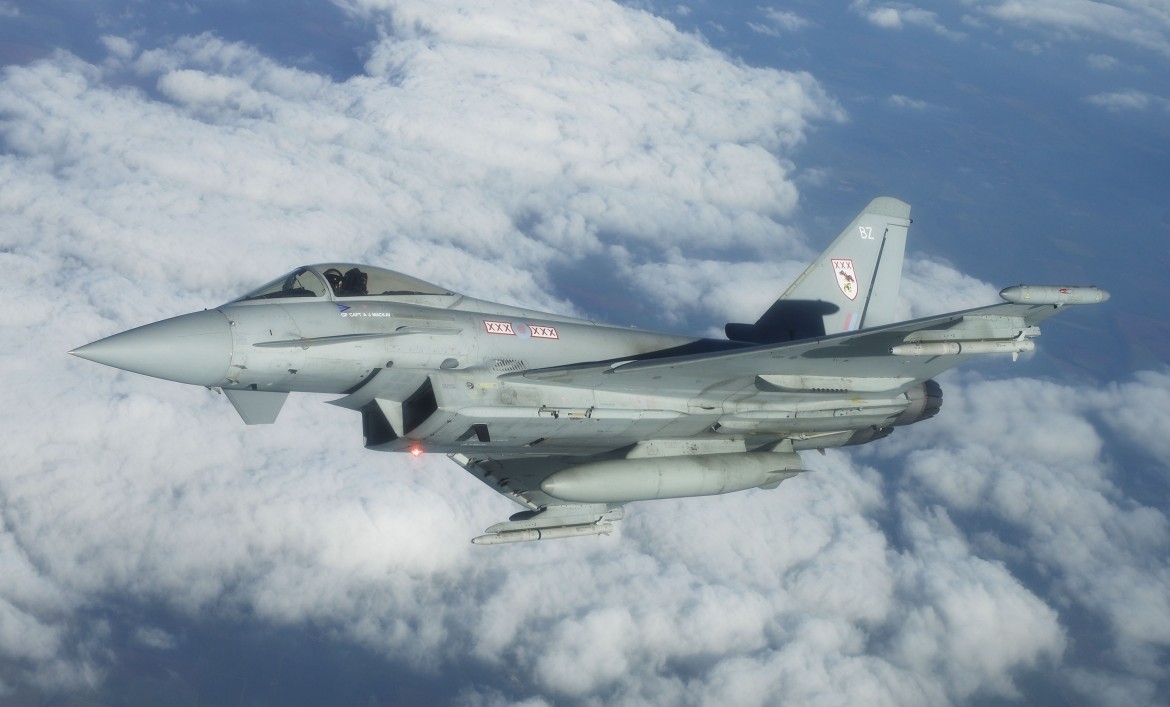
Typhoon is a twin-engine, multirole combat aircraft developed by the four Eurofighter partner nations — the UK, Germany, Italy and Spain.
For the RAF, the aircraft has evolved from its original air-to-air role into the FGR4 multirole configuration and is used for Quick Reaction Alert in the UK, NATO air policing and combat operations.
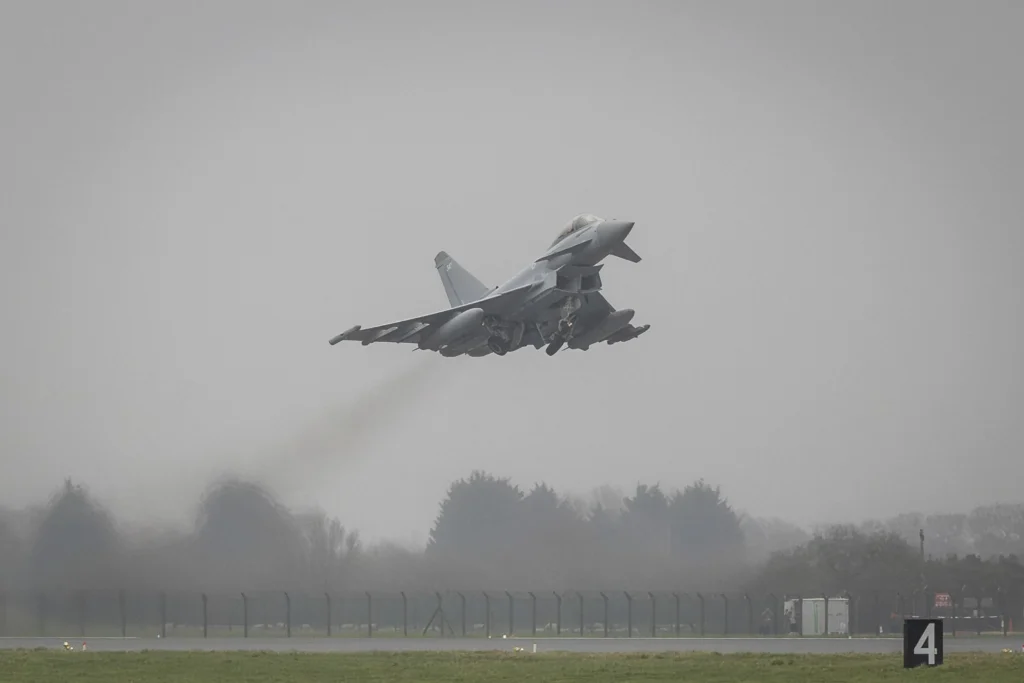
Its air-to-air weapons include the short-range ASRAAM and longer-range AMRAAM and Meteor radar-guided missiles, alongside a 27mm Mauser cannon.
For strike missions, RAF Typhoons can carry Paveway IV precision-guided bombs, Brimstone 2 missiles and the Storm Shadow long-range cruise missile. The aircraft can also carry the Litening V targeting pod.
The aircraft is now the mainstay of RAF combat air operations. It provides round-the-clock Quick Reaction Alert coverage of UK airspace and has been deployed on NATO air policing missions and Operation Shader over Iraq and Syria.
For Turkiye, the Typhoon will add another advanced fighter type alongside its large F-16 fleet while Ankara continues developing its indigenous KAAN combat aircraft.
First new jets due in 2030
There is still a considerable gap between the start of pilot training and the arrival of Türkiye’s new aircraft.
The first new-build Typhoons are scheduled for delivery in 2030. Earlier reporting by ADVANCE said the planned delivery profile comprised six aircraft in 2030, eight in 2031 and the remaining six in 2032.
Turkiye has also been pursuing used Typhoons from Qatar and Oman as it looks for aircraft that could enter service sooner. Ankara previously said it was seeking 24 used fighters from the two Gulf states in addition to its British order.
That effort would give Turkiye an earlier route into Typhoon operations while it waits for the Warton-built aircraft, although the timing and final composition of any second-hand purchase remain less certain.
For now, the work at Coningsby gives Ankara something it can start building immediately: pilots who understand the aircraft well enough not only to fly it, but eventually to teach others.
The arrangement also brings the RAF and Turkish Air Force into unusually close contact before the aircraft themselves arrive. The UK and Turkiye signed a new Security and Defence Partnership at the NATO summit in Ankara in July, committing the two NATO members to deepen defence cooperation.
By the time the first new Turkish Typhoon leaves the production line at Warton, the intention is therefore that Turkiye will already have the beginnings of its own training system in place.
Sign up for our newsletter and get our latest content in your inbox.
Similar Reads