

‘Invest in people, not just concrete’: BALPA chief warns airport expansion needs more pilots


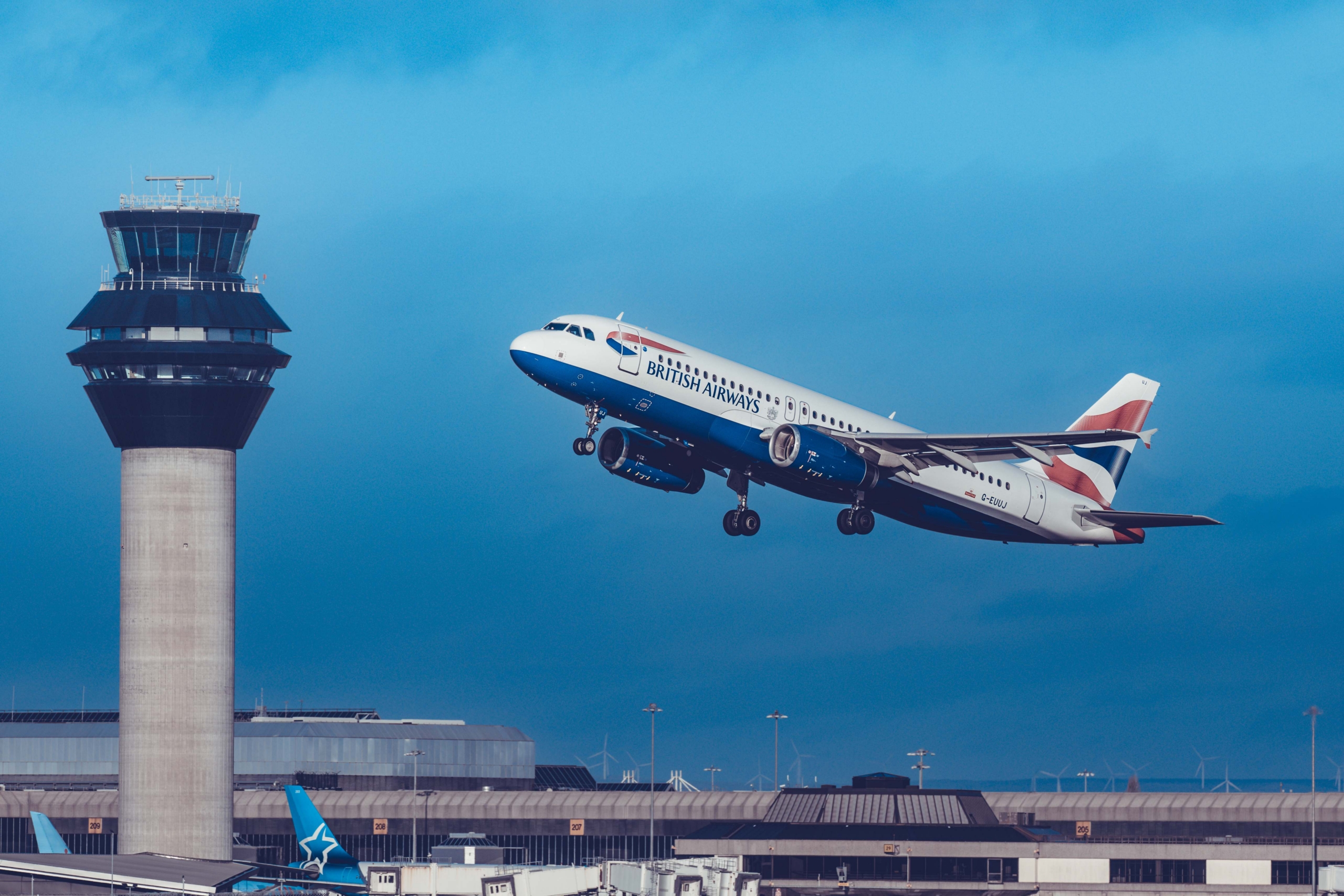
The UK must invest in pilots and other skilled aviation workers alongside its push for airport expansion or risk weakening the workforce needed to deliver that growth, BALPA’s new acting general secretary Zohra Francis has told ADS Advance in one of her first interviews since taking the role.
Francis said the industry is already dealing with tighter schedules and growing pressure on pilots, while the cost of training remains a formidable barrier to bringing new people into the cockpit.
Her comments come as the government pursues airport expansion while Parliament considers a new Civil Aviation Bill and the future of one potential route into the profession, the First Officer Pilot apprenticeship, remains uncertain.
“The focus on infrastructure is understandable given the scale of projects like Heathrow,” Francis told ADS. “But airport expansion needs to be about investment in people as much as it is about laying concrete.”
“If we want to realise the full benefits for the UK, we need to invest now in the pilots, engineers and air traffic controllers who will make that growth possible.”

Airport expansion puts focus on UK pilot recruitment and training
The workforce question is becoming harder to separate from Britain’s wider aviation ambitions.
Government figures show that 1,315 UK commercial pilots who were aged between 60-64 in March are expected to reach the mandatory retirement age of 65 within the next five years.
Francis stopped short of forecasting an imminent structural shortage, saying the government’s planned aviation skills gap analysis should provide a clearer picture of future demand. But she said the pressure is evident.
“The Government supports airport expansion, so the industry will need a larger workforce to support that, including more pilots,” she said. “At the same time, a significant number of pilots are due to retire over the coming years.”
“The direction of travel is already clear. We need more routes into the profession if aviation is to continue supporting growth, connectivity and economic opportunity across the UK.”
For BALPA, one of the biggest obstacles lies before an aspiring pilot ever reaches an airline cockpit. Training can leave candidates facing bills of around £100,000, yet pilot training sits outside the conventional university funding structure.
“Pilot training has fallen into a gap,” Francis said. “It’s a highly skilled profession, but because training sits outside the traditional university funding model, aspiring pilots can face insurmountable barriers through bills of around £100,000.”
She argues that becoming a pilot should remain difficult and highly competitive. The issue, she said, is what determines who gets the opportunity to compete.
“Becoming a pilot should be demanding, exacting and competitive, because the standards have to be exceptionally high,” Francis said. “What should not determine someone’s chances is their ability to pay for training. Financial means are not an indication of talent, aptitude or potential.”
Future of the First Officer Pilot apprenticeship under scrutiny
The debate has gained fresh urgency around the First Officer Pilot apprenticeship.
The Level 6 apprenticeship was approved for delivery in 2019 and has a maximum funding allocation of £27,000. New starts are currently paused. Skills England is now consulting on a proposal to retire the apprenticeship for new entrants because of low take-up, although it stresses that no decision to retire the standard has yet been authorised.
Francis said the central problem is finding a funding structure capable of dealing with the much higher cost of training a pilot.
“The biggest bottleneck is agreeing a funding model that reflects the cost of pilot training,” she said. “The apprenticeship standard is in place, but pilot training is understandably expensive and the current funding arrangements have not yet given airlines the confidence to make use of it.”
BALPA is not wedded to one solution. Francis said changes involving apprenticeships, student finance or lending support could all help widen access.
“Relatively modest changes, such as increasing support for airlines taking on pilot apprentices or adapting student finance rules to reflect the realities of pilot training, could fix this.”
The union believes Westminster’s position has shifted over the past year, from regarding pilot training primarily as an issue for the private sector towards accepting that government has a role in tackling barriers to entry.
Francis now wants that recognition translated into policy and hopes the Civil Aviation Bill currently before Parliament will not become a missed opportunity.
“The challenge now is turning that recognition into practical reforms that give aspiring pilots from every background a fair chance to compete for a training place,” she said.
BALPA calls for changes to pilot fatigue and flight time rules
Francis’s concerns are not limited to recruiting the next generation. For pilots already flying, she identified fatigue and rostering as two of the biggest issues confronting BALPA members.
“Along with tighter schedules and growth in demand for air travel we’ve seen more and more pressure on pilots, and an over dependence on the use of practices such as commanders’ discretion,” she said.
BALPA is campaigning for changes to flight and duty time rules and is asking members to record their experiences through its dedicated fatigue reporting app as well as through their airline reporting systems.
The union says the data will help it build a more comprehensive picture of fatigue across the industry and strengthen its case for regulatory change.
“The regulations need to change to ensure flying remains one of the safest modes of transport,” Francis said.
BALPA’s campaign comes as the Civil Aviation Authority reviews flight and duty time limitation rules. The union argues that existing rules and the way some airlines apply them are no longer fit for purpose.
Francis also suggested airlines are missing an opportunity by not drawing more heavily on the operational experience of their pilots.
“Something that I think airlines overlook is how much knowledge and talent exists within our membership and the role that BALPA could play in improving flight operations.”
Why airlines still need to do more to attract and retain female pilots
Opening the profession also means making it a viable career for more women.
Women remain heavily under-represented on commercial flight decks, and Francis said some barriers are more basic than recruitment campaigns might suggest.
“BALPA reps across numerous airlines have had to fight hard for the basics, such as access to toilets and sanitary bins on flights, or pilot shirts that are designed to fit women,” she said.
She pointed to BALPA representatives at DHL securing measures earlier this year that included increased maternity leave, surrogate rights and time off for IVF.
“There is still a lot of work to do to make the flight deck a more welcoming environment for women, but changes like these make a big difference,” Francis said.
New BALPA chief outlines priorities for pilots and aviation skills
Francis has taken the acting general secretary role at a time of change inside the pilots’ association itself.
Former general secretary Amy Leversidge stepped down in July after a tenure that included commissioning independent reviews into BALPA’s culture and governance and beginning a restructuring of the organisation.
Francis said the culture review concluded that BALPA was not fulfilling its potential as either a trade union or professional association.
“The ways of working in BALPA simply did not meet the dynamism and complexity of the environment we operate in,” she said.
BALPA has since brought representatives, staff and its National Executive Council together through its BALPA Together initiative, work that is feeding into a new strategic framework.
“I am really excited to continue this work as Acting General Secretary and it will be my priority over the coming months,” Francis said.
But her early agenda also puts the future supply of pilots firmly alongside the immediate working conditions of those already in the cockpit.
For Francis, widening access is not about lowering the standards required to become a pilot. It is about ensuring that ability rather than personal wealth determines who has the chance to meet them.
“Opening up access is not a luxury,” she said. “It is an investment in the people who will help keep the UK connected, competitive and open for business.”
“Being a pilot is a fantastic career for any young person to aspire to – let’s open it up to applicants of all backgrounds.”
Sign up for our newsletter and get our latest content in your inbox.
Similar Reads




Sign up for our newsletter. Select all sectors relevant to you.
Related